
 |
The Proximal Lateral Tibial Locking Plate-I is a cornerstone implant in the management of complex fractures of the proximal tibia (AO/OTA Type 41). This plate is specifically engineered to provide rigid, fixed-angle stabilization for the lateral column of the tibia, which bears a significant portion of the knee's axial load. Featuring an anatomical pre-contour designed to match the lateral flare of the tibial plateau, the Plate-I eliminates the need for extensive intraoperative bending. Constructed from high-strength Titanium Alloy (Ti6Al4V ELI), it utilizes a combination of locking and cortical screws to address both the articular and metaphyseal components of the fracture. The proximal head of the plate is designed with a specific screw hole configuration that creates a subchondral raft, supporting the joint surface and preventing secondary collapse. The TOOLMED Plate-I system is an essential tool for restoring joint congruity and anatomical alignment, enabling early functional recovery after severe lower limb trauma.
3309-0601
TOOLMED
TA3
1 Pcs
5-15 Days
/
Product Description
The plate is pre-shaped to mirror the lateral flare of the proximal tibia, providing an excellent anatomical fit that minimizes soft tissue tension and reduces surgical time.
The proximal head features a cluster of locking screw holes designed to support the articular surface of the tibial plateau, creating a "raft" that prevents the joint from sinking under weight-bearing loads.
The shaft holes allow for the versatile use of 5.0mm locking screws for rigid stability and 4.5mm cortical screws for fracture compression or initial plate positioning.
The distal end of the plate is tapered and beveled to allow for easier, less invasive insertion (MIPO technique) and to reduce the risk of stress risers in the bone.
Primary indication for AO/OTA Type 41 fractures, including split-type and depression-type plateau fractures.
Used for fractures that extend from the joint into the proximal third of the tibial shaft.
Indicated for fractures around existing knee replacements where a stable, fixed-angle construct is required to bypass the implant.
Used in corrective surgeries to restabilize the lateral column after previous healing failures.

| Product Name | Proximal Lateral Tibial Locking Plate-I |
| Material | TA3 |
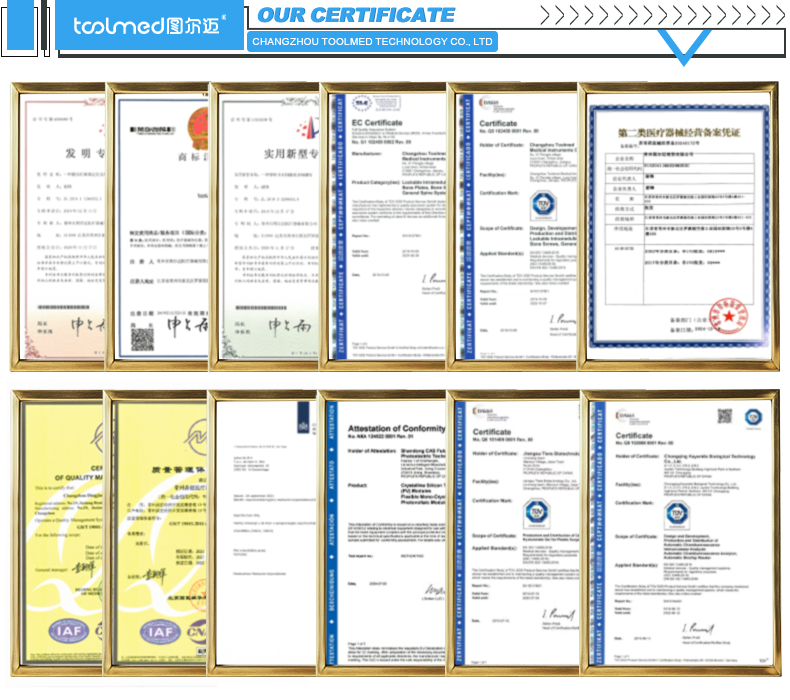
| Certificate | CE Certificate |
| Brand | TOOLMED |
| MOQ | 1 Pcs |
| OEM | Avaliable |
| Package | PE Inner Bag+Carton |
| Payment Method | T/T,Bank transfer, Western Union |
| Delivery Time | 5-15 Days |
| Shipping | DHL EMS UPS TNT FEDEX |


This is a high-strength titanium plate used to fix severe breaks at the top of the shinbone (tibia) near the knee joint. In these injuries, the weight-bearing surface of the knee often splits or collapses. The "Version I" plate is the standard, heavy-duty lateral plate that sits on the outside of the knee. It uses specialized locking screws to "raft" the bone, holding the joint surface in its correct position so it can heal smoothly and withstand the body's weight.
The Plate-I is typically the first choice for complex Schatzker type II and type V fractures. Because these fractures often involve significant energy, the bone is frequently crushed. The Plate-I provides the necessary mechanical strength to bridge these crushed areas and allow the bone to heal in the correct alignment.
The primary advantage is anatomical precision and strength. Because the plate is pre-contoured, it sits closer to the bone, which is vital in the proximal tibia where there is limited soft tissue. The Locking technology ensures that even in soft or osteoporotic bone, the screws will not pull out, providing "internal fixator" stability that is superior to older non-locking systems.
Biomechanically, the plate acts as a neutralization device. It takes the heavy axial loads (up and down forces) from the femur and transfers them safely past the fracture site into the strong shaft of the tibia. This "bypassing" of the fracture allows for early motion of the knee joint, which is the single most important factor in preventing permanent stiffness.
The plate is usually inserted through a lateral approach. In many cases, it can be slid into place under the muscle (MIPO technique) to protect the blood supply to the bone. Once positioned, the articular surface is reduced (put back together), and the proximal locking screws are placed to secure the "raft." The shaft is then secured to finalize the alignment.
With the rigid stability of the Plate-I, surgeons often allow patients to start passive knee motion within days of the surgery. While weight-bearing is restricted for several weeks to allow the joint surface to consolidate, early movement ensures the knee remains flexible and functional.
The Proximal Lateral Tibial Locking Plate-I is an indispensable tool for managing severe knee-region fractures. Its robust design and fixed-angle stability ensure that the knee joint is restored to its proper anatomy, providing the best foundation for a full return to activity.
Plate-I is typically the standard, heavy-duty design for primary lateral column fractures. Plate-II often features a lower profile or an altered screw configuration for specific fracture patterns or smaller patient anatomies. Your surgeon will choose based on the exact fracture line.
No. The plate sits on the side of the bone, below the joint capsule. The screws are carefully placed to stay just below the joint surface (subchondral) without ever entering the joint space itself.
Yes, locking plates are the gold standard for osteoporotic bone. Because the screws lock into the plate, they do not rely on the "grip" of the bone as much as traditional screws, making them much less likely to loosen in soft bone.
The Plate-I comes in various lengths, typically from 3 holes to over 15 holes, to accommodate fractures that extend different distances down the tibial shaft.
Yes. Because the proximal tibia has a distinct flare on each side, the Proximal Lateral Tibial Locking Plate-I is manufactured in dedicated left and right versions to ensure a perfect anatomical fit.
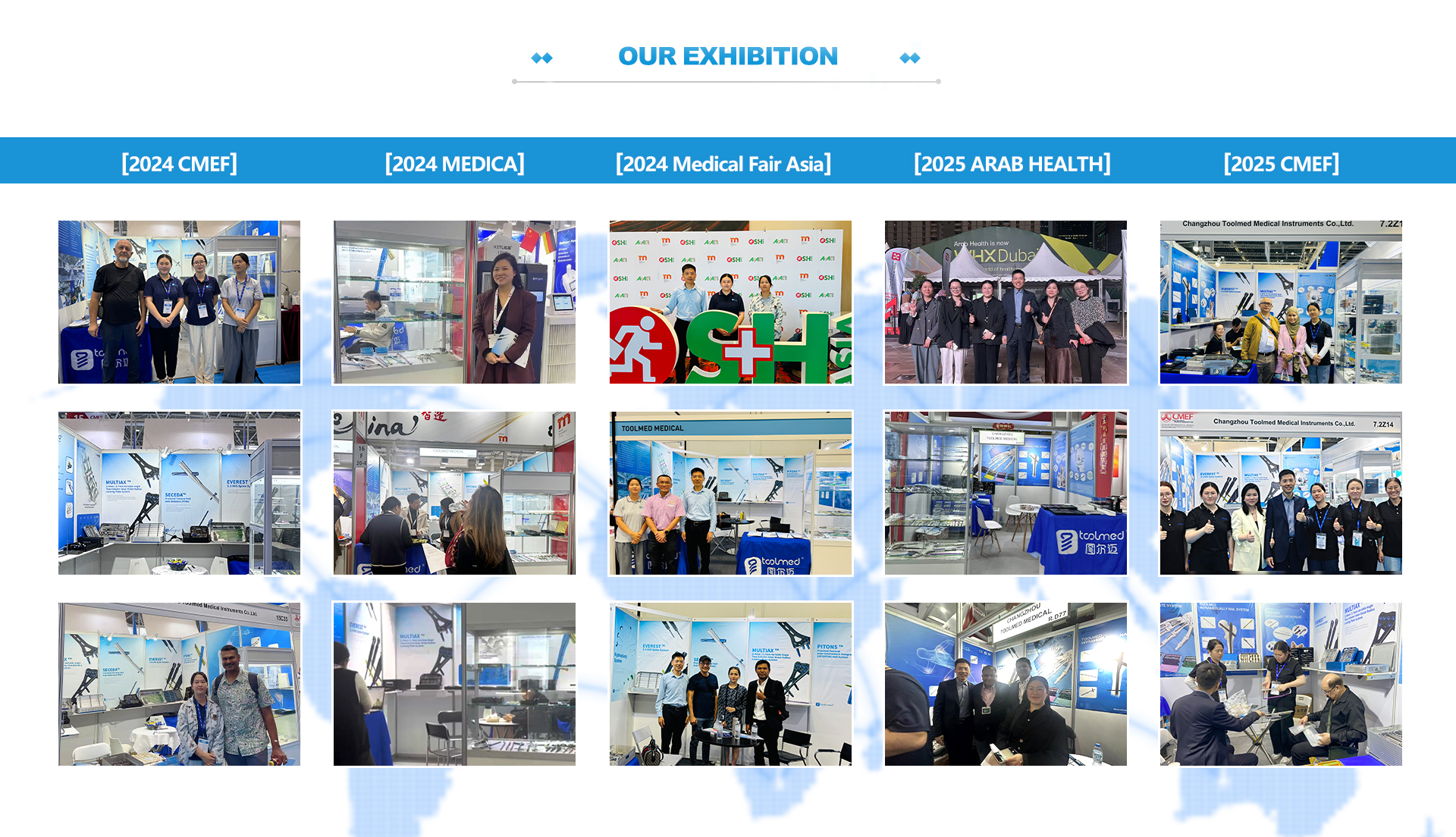
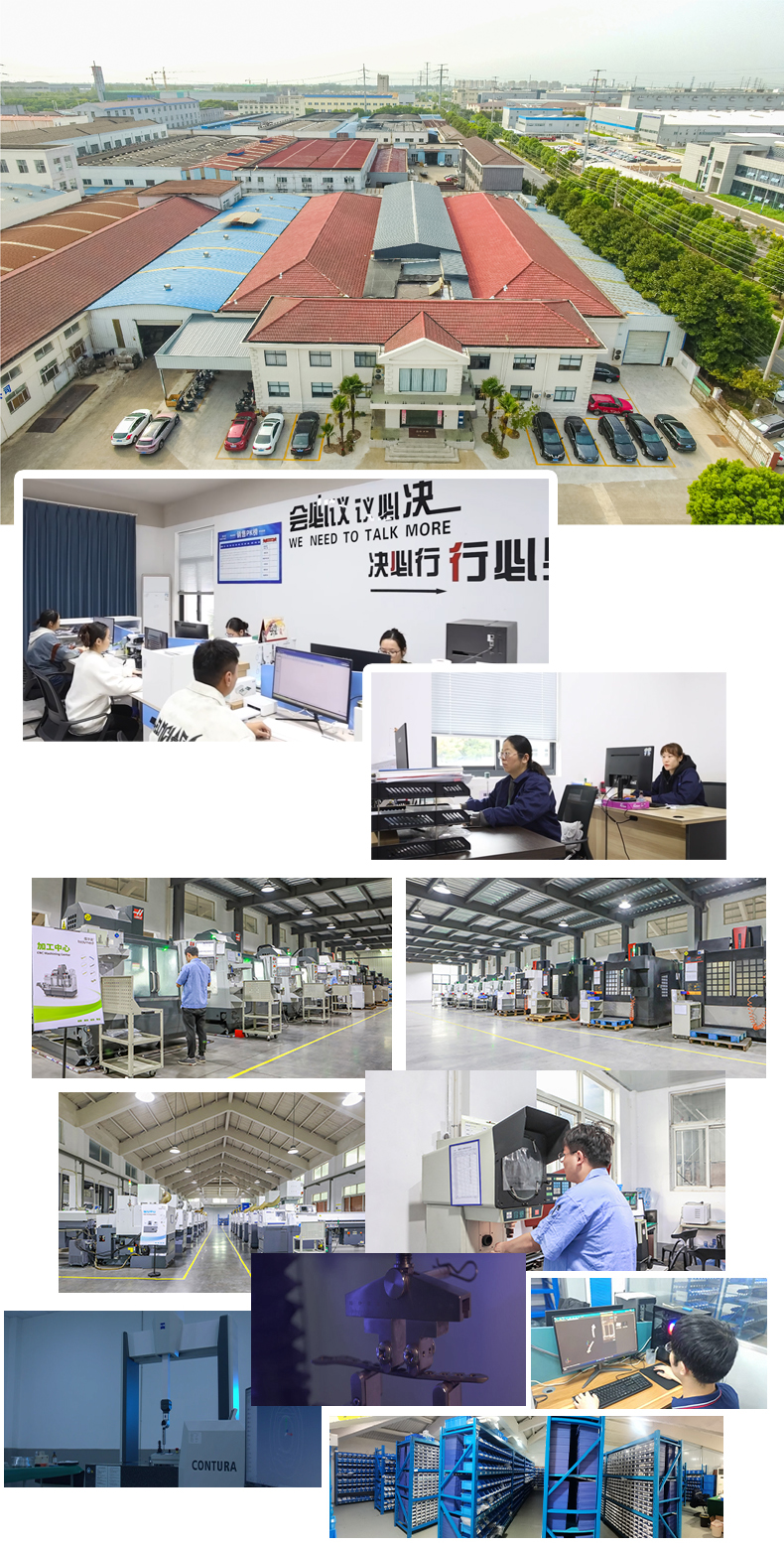
Our factory is equipped with over 60 advanced CNC machines operated by 100+ skilled technicians, a 300 m² GMP-compliant clean room, and a 10,000 m² production facility. We maintain a CNAS and ISO 17025 certified testing center, invest heavily in CNC turning technology, and utilize high-precision inspection systems including CMM, PP, and QV to ensure product quality and consistency.
We offer fast and reliable global shipping. Standard lead times range from 7 to 15 working days, depending on order quantity and customization requirements. Express delivery options are also available upon request.
Yes, we ship to most countries worldwide. We work with trusted logistics partners to ensure timely and secure delivery.
We accept a variety of payment options, including T/T (bank transfer), L/C, and PayPal for smaller orders. Payment terms can be discussed based on order volume and partnership agreements.
Yes, samples are available for evaluation. Please contact our sales team to request product samples and shipping arrangements.
Absolutely. We offer OEM/ODM services including custom packaging, branding, and product development tailored to your specifications.


