
 |
3302-0501
TOOLMED
TA3
1 Pcs
5-15 Days
/
Product Description
Precisely contoured to the lateral supracondylar ridge, acting as a rigid buttress to support the lateral articular fragments (capitellum) and prevent secondary displacement.
The distal portion features multiple locking screw trajectories designed to create a stable "raft" of support directly beneath the lateral articular cartilage, ensuring a smooth joint surface.
The design is thin and often offset to ensure the plate lies flat on the bone, avoiding interference with the soft tissues, the radial nerve, and the moving parts of the elbow joint.
Designed to integrate perfectly with a corresponding medial column plate, allowing for robust, two-column fixation in either a parallel or orthogonal configuration.
Used as part of a dual-plate construct for complex T-type, Y-type, or comminuted fractures involving the elbow joint (AO/OTA Type C fractures).
Indicated for unstable fractures of the lateral condyle or shear fractures of the capitellum that require buttress support and stable articular reduction.
Used for high-energy fractures where the lateral column requires strong, fixed-angle stabilization to restore the length and alignment of the lateral side.

| Product Name | Distal Lateral Humeral Locking Plate |
| Material | TA3 |
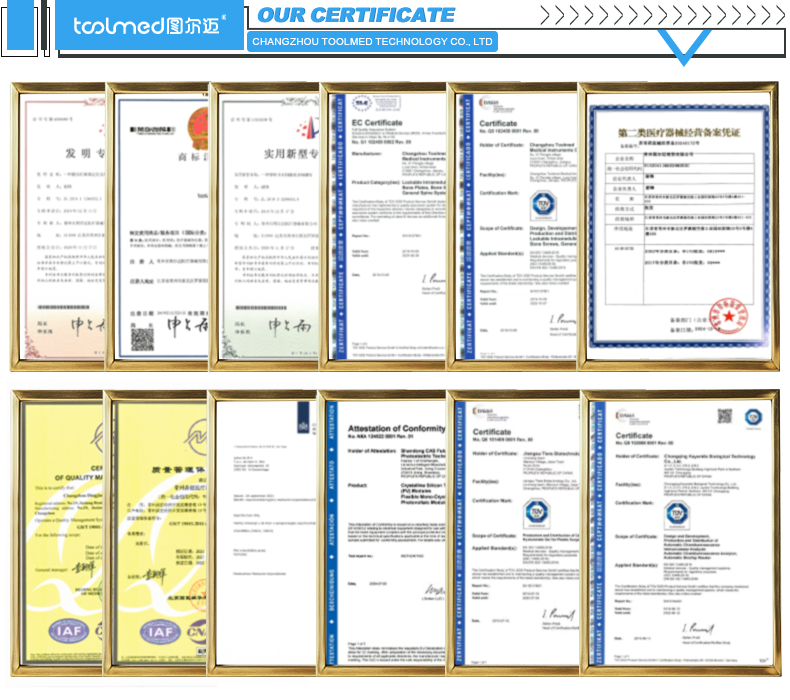
| Certificate | CE Certificate |
| Brand | TOOLMED |
| MOQ | 1 Pcs |
| OEM | Avaliable |
| Package | PE Inner Bag+Carton |
| Payment Method | T/T,Bank transfer, Western Union |
| Delivery Time | 5-15 Days |
| Shipping | DHL EMS UPS TNT FEDEX |


This is a specialized titanium plate used to fix severe breaks in the elbow joint by securing the bone on the lateral (outer) side of the humerus. In complex fractures, the humerus breaks into two "columns." This plate is dedicated to fixing the lateral column, which includes the capitellum (the joint surface interacting with the radius). It uses fixed-angle screws to rigidly hold small fragments, allowing for the smooth restoration of the joint surface.
This plate is used for highly unstable, intra-articular elbow fractures. Since a single plate cannot withstand all the forces of the elbow, it is almost always used in combination with a matching medial plate to create a strong, triangulated, or parallel fixation structure—known as dual plating—to stabilize the entire elbow.
The main advantage is the fixed-angle support for the articular surface. Because the bone fragments are often small and fragile, especially in older patients, the locking screws provide a scaffold that prevents the fragments from collapsing or shifting, even under load, ensuring the smooth joint surface needed for full elbow extension and flexion.
Biomechanically, this plate is a tension-side buttress for the lateral column. When the arm is loaded, the plate resists bending and shear forces. When used with a medial plate, the two plates create a load-sharing construct that is significantly stronger than a single plate, allowing the elbow to withstand muscle forces while healing.
Fixation of complex distal humeral fractures is a demanding surgery, often performed through a posterior approach with careful isolation of the ulnar nerve. The lateral articular fragments are reduced first. The lateral plate is applied to secure these fragments and is then followed by the medial plate. The final construct must be checked for hardware impingement across the full range of elbow motion.
The rigid, two-column fixation provided by the dual plates allows for early, protected range of motion, typically beginning within the first post-operative week. Early motion is critical for preventing joint stiffness and achieving the best long-term functional result.
The Distal Lateral Humeral Locking Plate is an essential component of the dual-plating strategy for complex intra-articular elbow fractures. Its specialized design and fixed-angle technology ensure anatomical restoration of the lateral column, providing the rigidity needed for rapid, functional recovery of the elbow joint.
Dual plating (using a lateral and a medial plate) is used because the forces acting on the elbow are too high for a single plate. Two plates are needed to stabilize the medial and lateral "columns" of the humerus, creating a stable triangle of fixation.
It can be used alone for simple, isolated lateral condyle fractures (e.g., in children or young adults), but for complex intra-articular fractures (T/Y-types), it must be combined with a medial plate.
Screw penetration into the joint is a major risk in all intra-articular fractures. The plate's design and specialized drill guides help the surgeon select appropriate screw lengths and angles to maximize fixation while staying safely subchondral (under the joint surface).
The plate is placed on the lateral column, close to the path of the radial nerve. The surgeon must be meticulous in protecting the nerve during the exposure and ensuring the plate's shaft does not irritate it.
Small-diameter, fixed-angle locking screws are used in the distal head to capture the small articular fragments and create the stable subchondral raft of support.
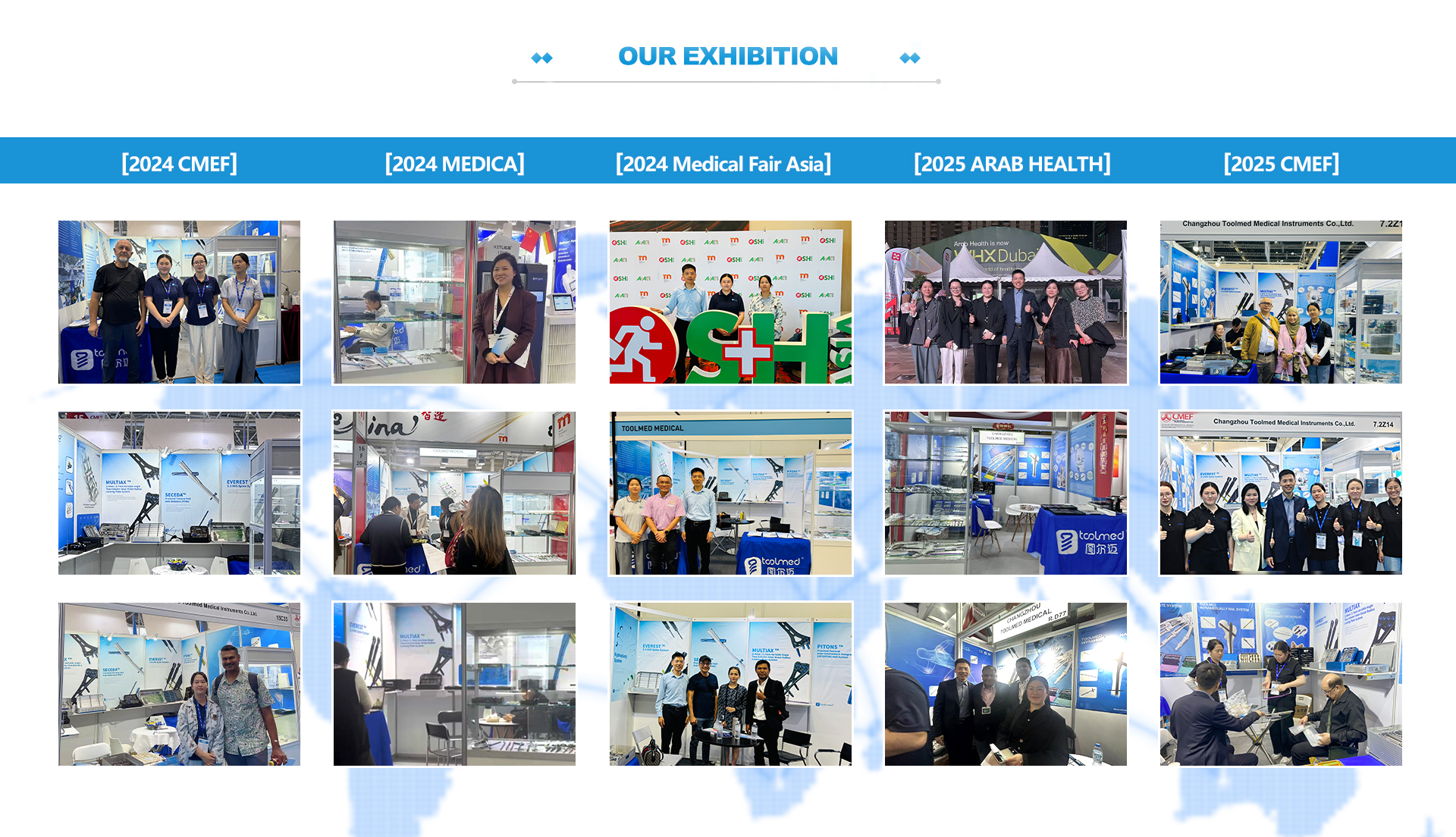
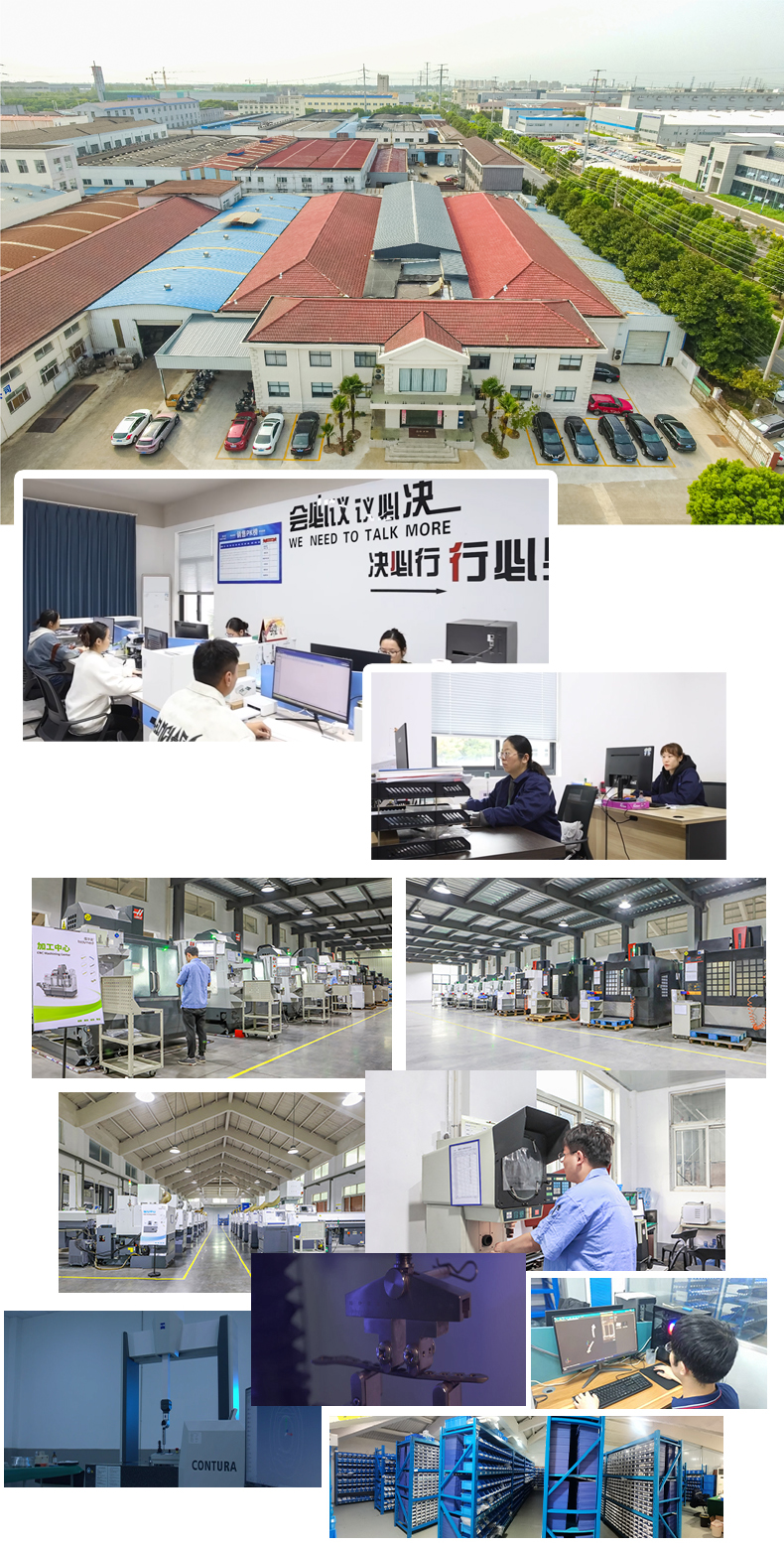
Our factory is equipped with over 60 advanced CNC machines operated by 100+ skilled technicians, a 300 m² GMP-compliant clean room, and a 10,000 m² production facility. We maintain a CNAS and ISO 17025 certified testing center, invest heavily in CNC turning technology, and utilize high-precision inspection systems including CMM, PP, and QV to ensure product quality and consistency.
We offer fast and reliable global shipping. Standard lead times range from 7 to 15 working days, depending on order quantity and customization requirements. Express delivery options are also available upon request.
Yes, we ship to most countries worldwide. We work with trusted logistics partners to ensure timely and secure delivery.
We accept a variety of payment options, including T/T (bank transfer), L/C, and PayPal for smaller orders. Payment terms can be discussed based on order volume and partnership agreements.
Yes, samples are available for evaluation. Please contact our sales team to request product samples and shipping arrangements.
Absolutely. We offer OEM/ODM services including custom packaging, branding, and product development tailored to your specifications.


