
 |
3308-0101
TOOLMED
TA3
1 Pcs
5-15 Days
/
Product Description
Plates are pre-contoured to match the lateral surface of the distal fibula (lateral malleolus), allowing for precise placement that restores the bone's exact length and rotation, critical for ankle stability.
Designed to be exceptionally thin and smooth to reduce the risk of irritation to the overlying skin and tendons, a common issue in this subcutaneous location.
Combination holes allow the surgeon to use lag screws for interfragmentary compression (to close the fracture gap) and locking screws for stable, fixed-angle neutralization and buttressing.
Locking screw trajectories are optimized for the small distal fragment, providing excellent purchase in the metaphyseal bone, resisting pull-out and maintaining the reduction.
Primary indication for AO/OTA Type 44-B and 44-C ankle fractures that involve the lateral malleolus.
Used as the foundational fixation for the fibula in fractures involving both the lateral and medial malleoli (bimalleolar fractures).
Used in conjunction with syndesmotic screws (if needed) to stabilize the distal fibula, restoring the relationship between the tibia and fibula.

| Product Name | Distal Fibular Locking Plate |
| Material | TA3 |
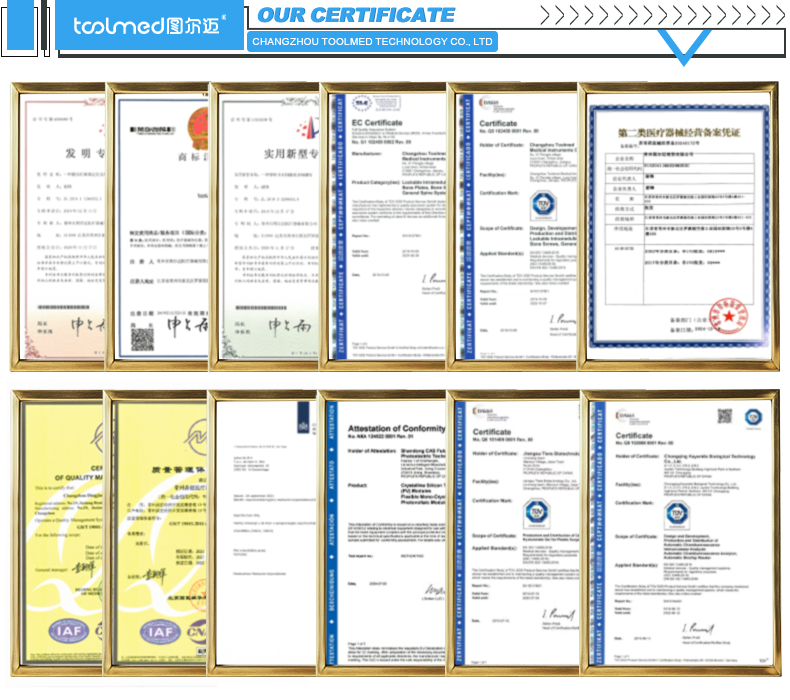
| Certificate | CE Certificate |
| Brand | TOOLMED |
| MOQ | 1 Pcs |
| OEM | Avaliable |
| Package | PE Inner Bag+Carton |
| Payment Method | T/T,Bank transfer, Western Union |
| Delivery Time | 5-15 Days |
| Shipping | DHL EMS UPS TNT FEDEX |


The Distal Fibular Locking Plate is a titanium plate used to fix breaks in the outer ankle bone (lateral malleolus). The fibula is crucial for the stability of the entire ankle joint. This plate is contoured to precisely match the fibula's shape. It uses locking screws to ensure the bone heals at the correct length and rotation, which is the most critical factor in preventing long-term ankle instability and arthritis.
This plate is the standard choice for stabilizing unstable or displaced fractures of the lateral malleolus. It is always used when the fracture destabilizes the main ankle joint, regardless of whether the medial side is also broken (bimalleolar) or the syndesmosis is torn.
The primary advantage is fixed-angle stability and precise contouring. The locking screws provide superior hold, especially in the flared end of the bone where the bone quality can be poor. Furthermore, the low-profile design minimizes the risk of painful hardware irritation under the skin, a common complaint after ankle surgery.
Biomechanically, the plate acts as a neutralization plate over a lag screw (interfragmentary compression) or as a buttress plate against short oblique or transverse fractures. The fixed-angle construct strongly resists the torsional (twisting) and bending forces that constantly act on the ankle during walking, protecting the fracture site until healing occurs.
The fracture is accessed through an incision over the lateral malleolus. The surgeon first achieves anatomical reduction, restoring the length and rotation of the fibula (this is usually the most important step). Compression is often achieved with a lag screw placed through a combi-hole, followed by the insertion of locking screws into the plate head and shaft to neutralize forces.
Due to the rigid stability provided by the locking construct, patients can usually begin early protected weight-bearing (in a boot) sooner than with non-locking plates, depending on the severity of the fracture. The focus is on early ankle range of motion to prevent joint stiffness.
The Distal Fibular Locking Plate is a highly effective, anatomically designed implant that provides the necessary rigid fixation for lateral malleolus fractures. By ensuring the correct length and rotational alignment, it is essential for restoring the stability and function of the ankle joint.
The plate is designed to be permanent. However, due to its subcutaneous location (just under the skin), it is one of the most commonly removed plates if the patient experiences pain, rubbing, or skin irritation from the hardware after the bone has healed.
Restoring the anatomical length and rotation of the fibula is the most critical step. If the fibula heals short, the ankle joint will be unstable, leading to early arthritis.
Yes, the locking plate is highly advantageous in osteoporotic (poor quality) bone because the fixed-angle screws lock into the plate, providing stability that is independent of the density of the bone, resisting pull-out.
The hole at the most distal tip of the plate is often a non-locking hole used for placing a neutral or compression screw to hold the plate tightly against the bone or for passing a small wire (K-wire) during surgery for temporary fixation.
Yes, due to the anatomical contour of the fibula, these plates are typically side-specific (left and right) to ensure the plate sits flush on the bone and restores the natural curve.
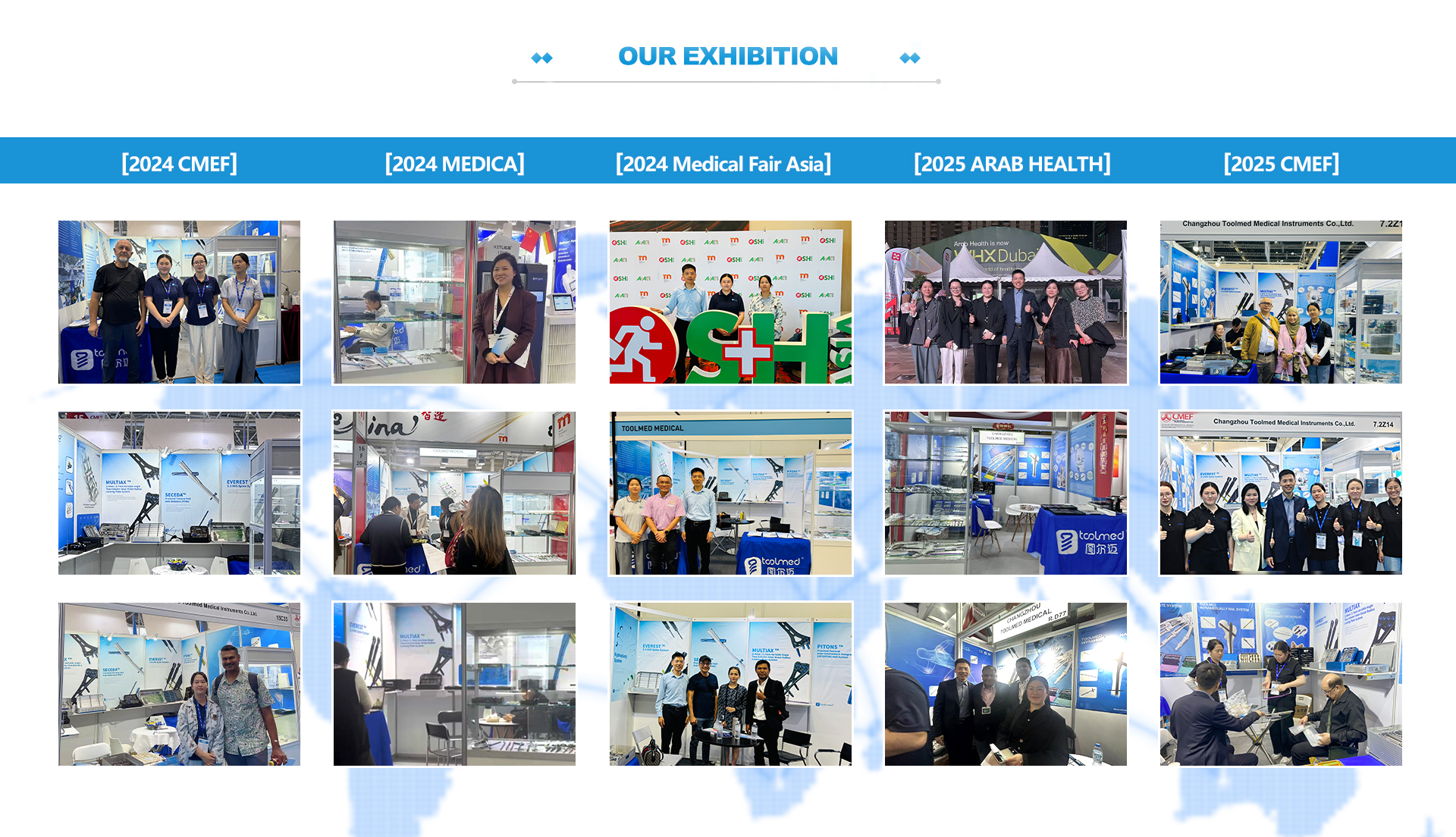
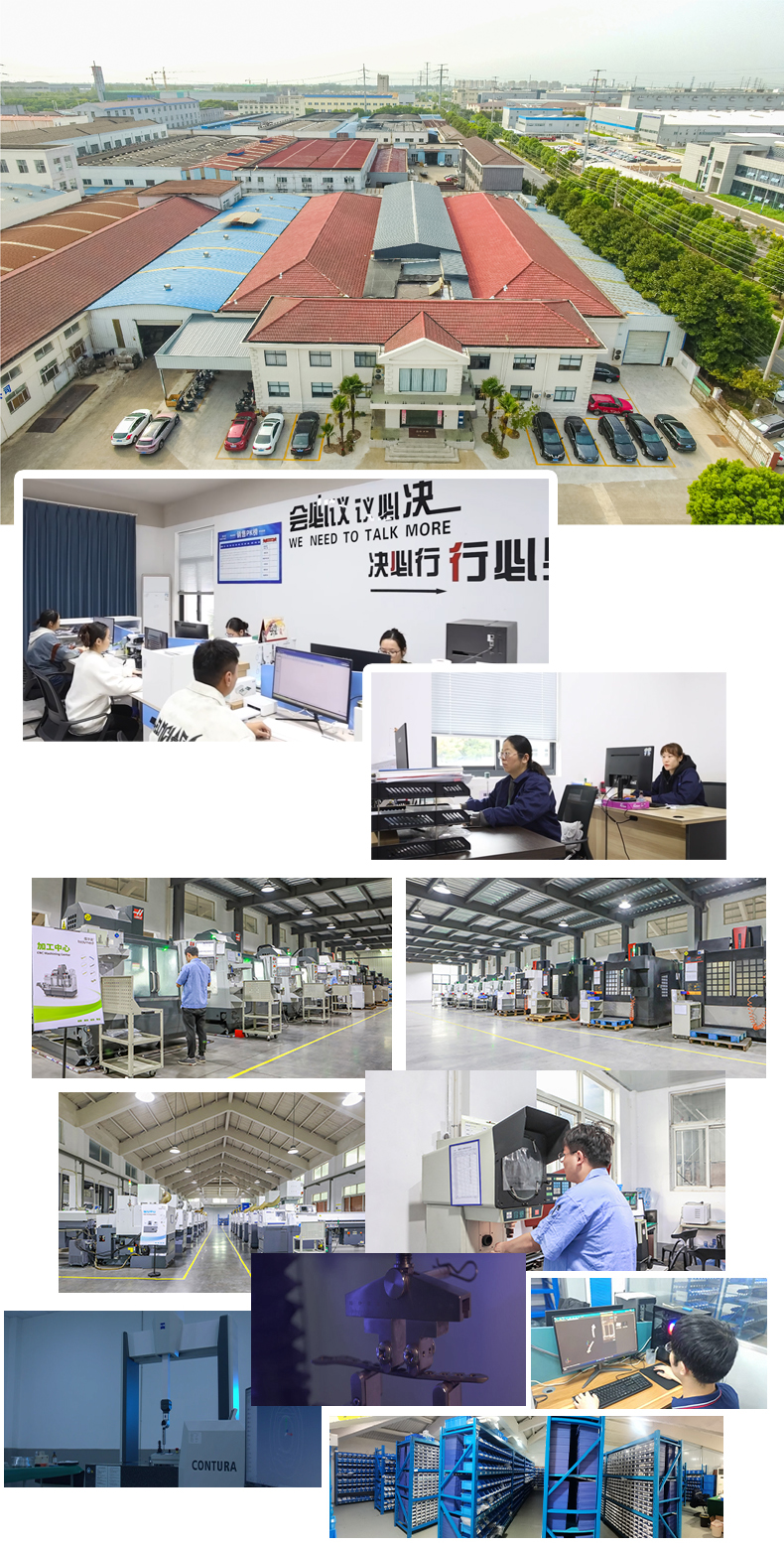
Our factory is equipped with over 60 advanced CNC machines operated by 100+ skilled technicians, a 300 m² GMP-compliant clean room, and a 10,000 m² production facility. We maintain a CNAS and ISO 17025 certified testing center, invest heavily in CNC turning technology, and utilize high-precision inspection systems including CMM, PP, and QV to ensure product quality and consistency.
We offer fast and reliable global shipping. Standard lead times range from 7 to 15 working days, depending on order quantity and customization requirements. Express delivery options are also available upon request.
Yes, we ship to most countries worldwide. We work with trusted logistics partners to ensure timely and secure delivery.
We accept a variety of payment options, including T/T (bank transfer), L/C, and PayPal for smaller orders. Payment terms can be discussed based on order volume and partnership agreements.
Yes, samples are available for evaluation. Please contact our sales team to request product samples and shipping arrangements.
Absolutely. We offer OEM/ODM services including custom packaging, branding, and product development tailored to your specifications.


