
 |
3309-0501
TOOLMED
TA3
1 Pcs
5-15 Days
/
Product Description
Precisely pre-shaped to match the lateral flare of the proximal tibia, ensuring the plate sits flush against the bone to provide maximum buttress support while minimizing soft tissue bulk.
The distal head contains multiple locking screw trajectories designed to sit just below the joint surface. These screws provide a fixed-angle scaffold that "rafts" the articular fragments, preventing secondary depression.
Engineered with thin edges and a smooth surface to reduce irritation of the iliotibial (IT) band and the lateral collateral ligament (LCL) structures, which are located directly over the plate.
The plate shaft utilizes combination holes, allowing for initial compression of the fracture using cortical screws followed by permanent fixed-angle stabilization with locking screws.
Primary indication for split-type, depression-type, or combined split-depression fractures (Schatzker I, II, and III).
Used to stabilize fractures where the break extends from the joint surface down into the proximal shaft of the tibia.
Indicated for corrective procedures of the proximal tibia where high-strength buttressing is required to restore anatomical alignment.
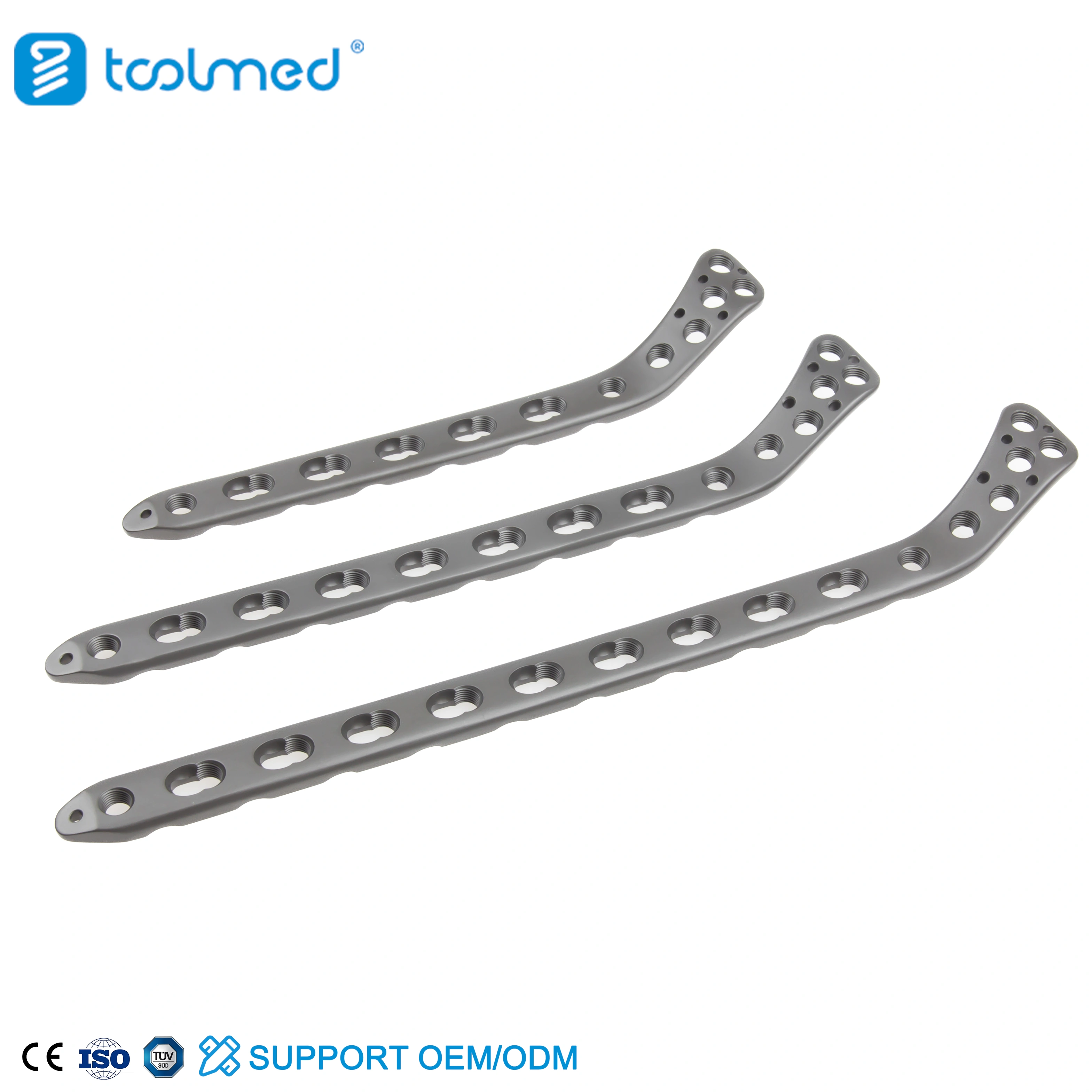
| Product Name | Lateral Tibial Head Buttress Locking Plate |
| Material | TA3 |
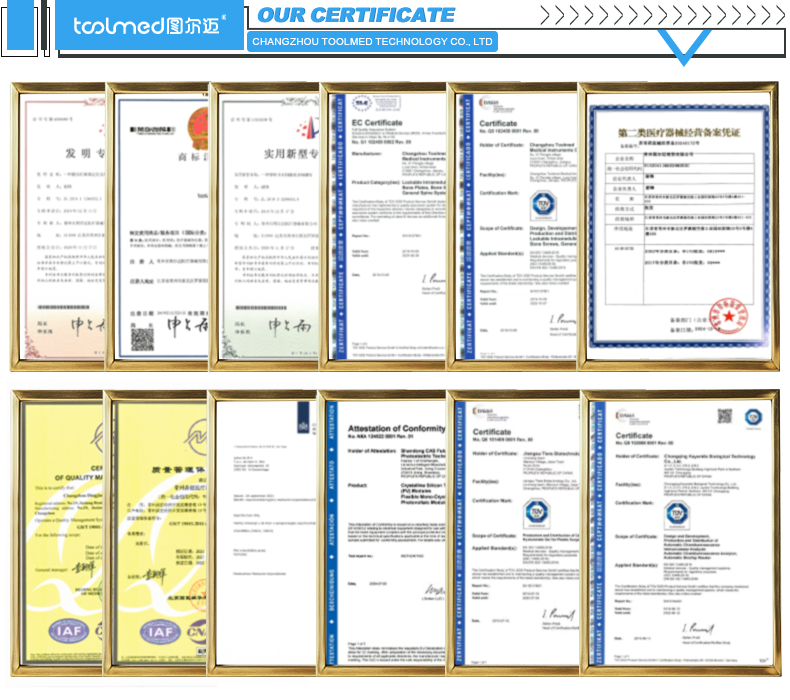
| Certificate | CE Certificate |
| Brand | TOOLMED |
| MOQ | 1 Pcs |
| OEM | Avaliable |
| Package | PE Inner Bag+Carton |
| Payment Method | T/T,Bank transfer, Western Union |
| Delivery Time | 5-15 Days |
| Shipping | DHL EMS UPS TNT FEDEX |

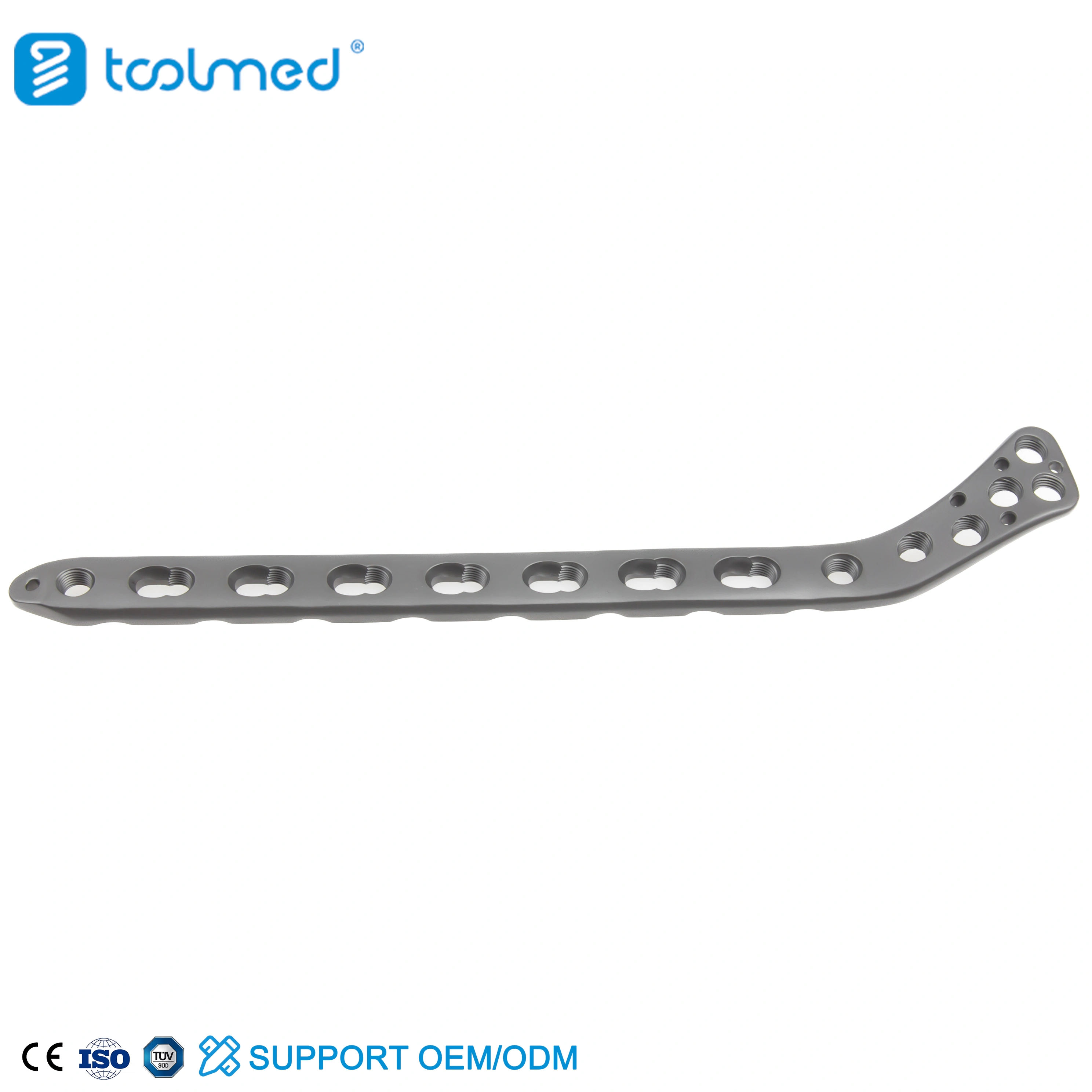
This is a titanium plate used to fix severe breaks at the top of the shinbone (tibia) where it meets the knee. This area is called the tibial plateau. Because the knee carries the full weight of the body, a fracture here can cause the joint surface to "sink" or collapse. This plate acts like a supportive shelf (buttress) on the outside of the bone, using "rafting" screws to hold the joint surface up and in place while it heals.
This plate is the "workhorse" for lateral plateau fractures. In many cases, the surgeon must first lift the depressed joint surface and fill the void with a bone graft. The plate is then applied to lock everything in place. It is essential for ensuring that the knee joint remains smooth and aligned, which is the only way to prevent rapid joint wear and arthritis after the injury.
The Locking technology is superior to traditional plates because it creates a "fixed-angle" construct. In traditional plating, if the bone is soft (osteoporotic), the screws might pull out. With a locking plate, the screws lock into the plate itself, making the whole system act as one solid unit that resists the heavy axial forces of the leg much more effectively.
Biomechanically, the plate functions through the buttress principle. When you stand, the femur pushes down on the tibia. The plate, positioned on the lateral wall, prevents the lateral fragment from sliding down or tilting outward. The rafting screws provide a horizontal support layer that keeps the articular cartilage at the correct height.
The surgery involves a lateral incision. The surgeon often has to "peek" into the joint to ensure the bone is perfectly smooth. Once the joint is reduced, the plate is slipped under the muscle and onto the bone. K-wires are used for temporary hold, followed by the insertion of the subchondral locking screws to secure the "raft," and finally, the shaft screws are placed.
Because the tibial plateau is a primary weight-bearing surface, patients are usually strictly "non-weight bearing" for 6 to 10 weeks. However, the rigid stability of the locking plate allows the patient to begin bending and straightening the knee almost immediately after surgery, which is vital for preventing permanent stiffness.
The Lateral Tibial Head Buttress Locking Plate is an essential implant for preserving the knee joint after a plateau fracture. Its anatomical fit and rafting screw technology provide the necessary stability to maintain joint congruity, allowing for a successful return to function and reducing the risk of long-term joint complications.
Rafting screws are a row of parallel locking screws placed directly beneath the joint surface. They act like the floorboards of a raft, providing a solid platform that prevents the joint fragments from sinking down into the bone.
No. The medial side of the tibia has a different shape. A specific Medial Tibial Plateau Plate is required for fractures on the inner side of the knee. Using a lateral plate on the medial side would result in a poor fit and potential soft tissue damage.
Not always, but it is very common. If the fracture caused the joint surface to "depress" or sink, lifting it back up leaves a hole (void) in the bone. Surgeons often fill this hole with a bone graft or bone substitute to provide extra support alongside the plate.
The lateral side of the knee has relatively thin skin and muscle. While the plate is designed to be low-profile, some patients may feel the edge of the plate or the screw heads, especially if they are very lean. It is only removed if it causes significant irritation after the bone has healed.
It is a system surgeons use to describe tibial plateau fractures. Schatzker types I, II, and III are all lateral-side fractures where this buttress plate is most commonly applied.
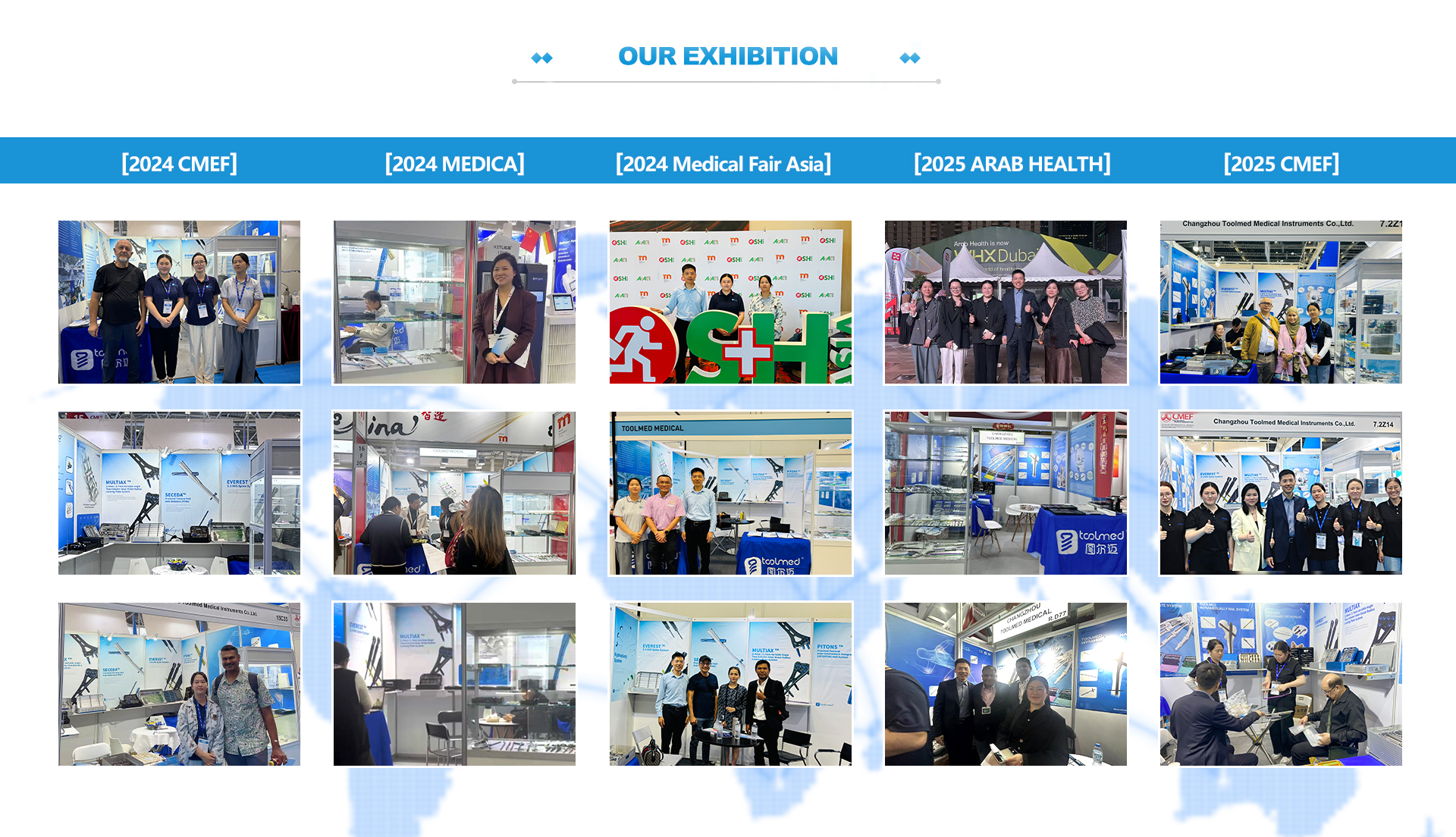
Our factory is equipped with over 60 advanced CNC machines operated by 100+ skilled technicians, a 300 m² GMP-compliant clean room, and a 10,000 m² production facility. We maintain a CNAS and ISO 17025 certified testing center, invest heavily in CNC turning technology, and utilize high-precision inspection systems including CMM, PP, and QV to ensure product quality and consistency.
We offer fast and reliable global shipping. Standard lead times range from 7 to 15 working days, depending on order quantity and customization requirements. Express delivery options are also available upon request.
Yes, we ship to most countries worldwide. We work with trusted logistics partners to ensure timely and secure delivery.
We accept a variety of payment options, including T/T (bank transfer), L/C, and PayPal for smaller orders. Payment terms can be discussed based on order volume and partnership agreements.
Yes, samples are available for evaluation. Please contact our sales team to request product samples and shipping arrangements.
Absolutely. We offer OEM/ODM services including custom packaging, branding, and product development tailored to your specifications.


