
 |
3302-0302
TOOLMED
TA3
1 Pcs
5-15 Days
/
Product Description
Specifically contoured to match the small, curved surface of the greater tuberosity, ensuring a flush fit that avoids prominent edges that could cause subacromial impingement.
Features multiple small-diameter locking screw holes that create a fixed-angle "basket" to securely capture the small, mobile GT fragment against the humeral head.
Strategically placed suture holes allow the surgeon to pass strong sutures around the fragment and secure the rotator cuff tendons, augmenting the fixation strength against muscle pull-out forces.
The entire plate design is ultra-low profile to ensure smooth gliding of the overlying rotator cuff and deltoid tendons, preventing common post-operative pain and stiffness.
Primary indication for fractures where the GT fragment is displaced more than 5mm or is rotated, compromising rotator cuff function.
Used after the joint is reduced, to stabilize the GT fragment that often tears off during the dislocation event.
Indicated to enhance fixation stability in cases where suture-based techniques alone are deemed insufficient, particularly in osteoporotic bone.
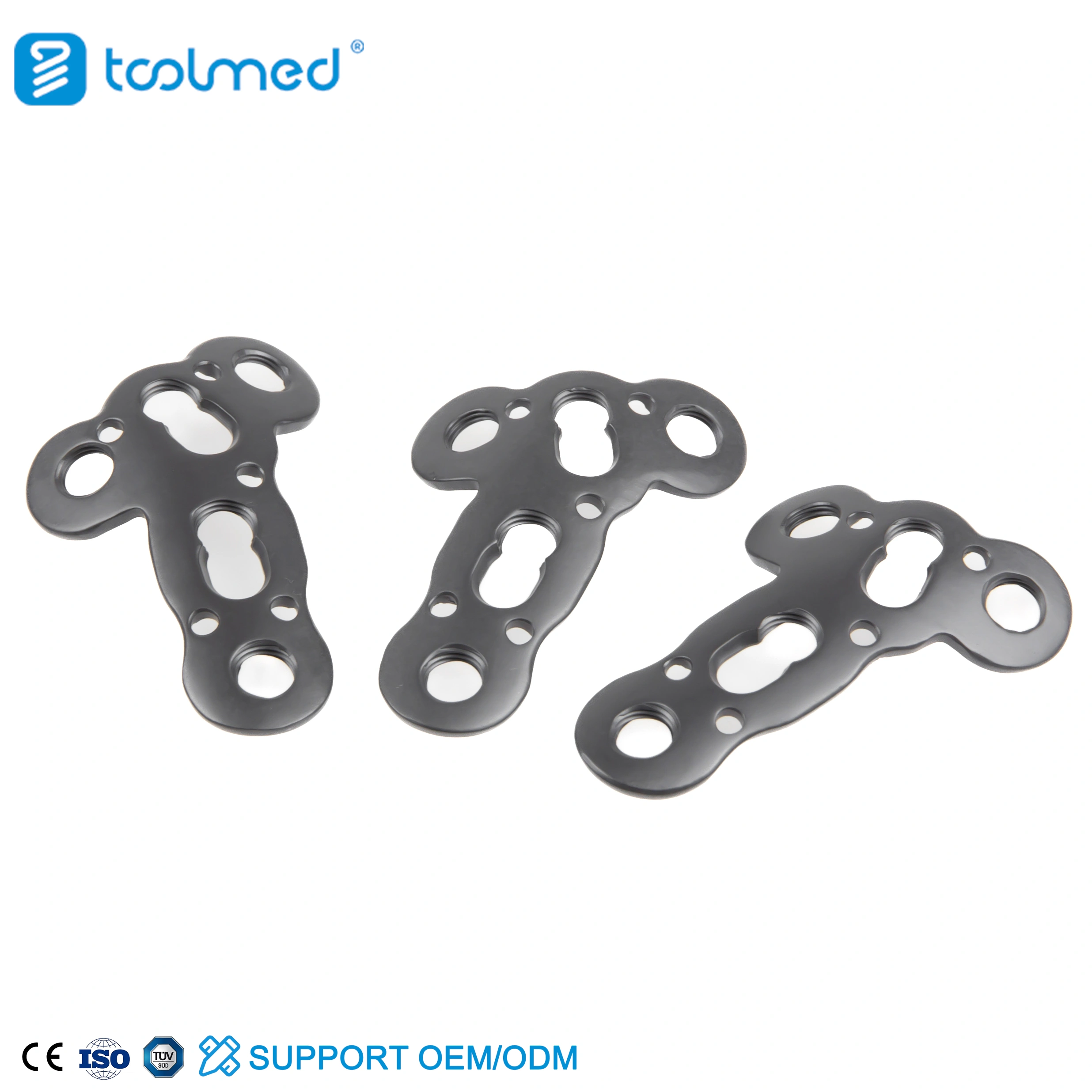
| Product Name | Proximal Humeral Greater Tuberosity Locking Plate |
| Material | TA3 |
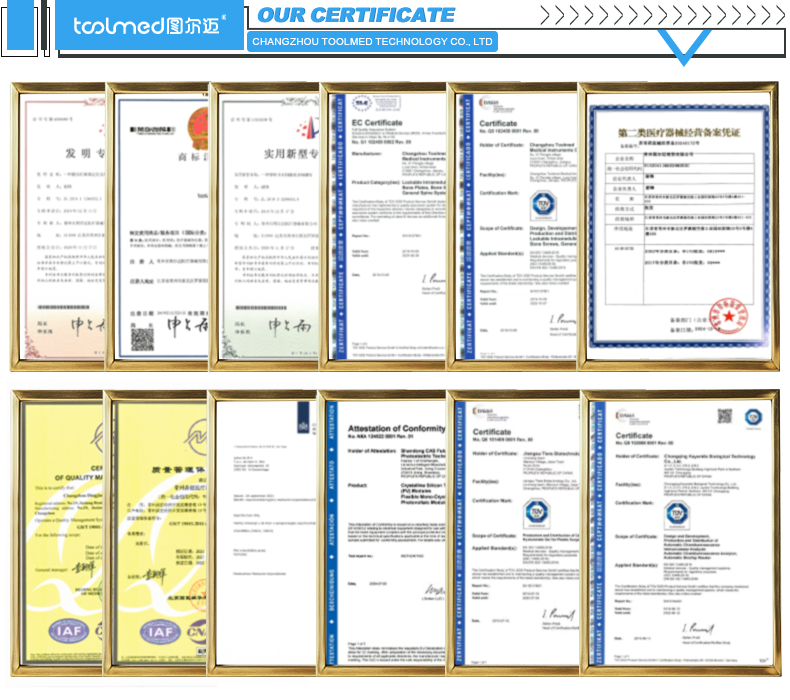
| Certificate | CE Certificate |
| Brand | TOOLMED |
| MOQ | 1 Pcs |
| OEM | Avaliable |
| Package | PE Inner Bag+Carton |
| Payment Method | T/T,Bank transfer, Western Union |
| Delivery Time | 5-15 Days |
| Shipping | DHL EMS UPS TNT FEDEX |

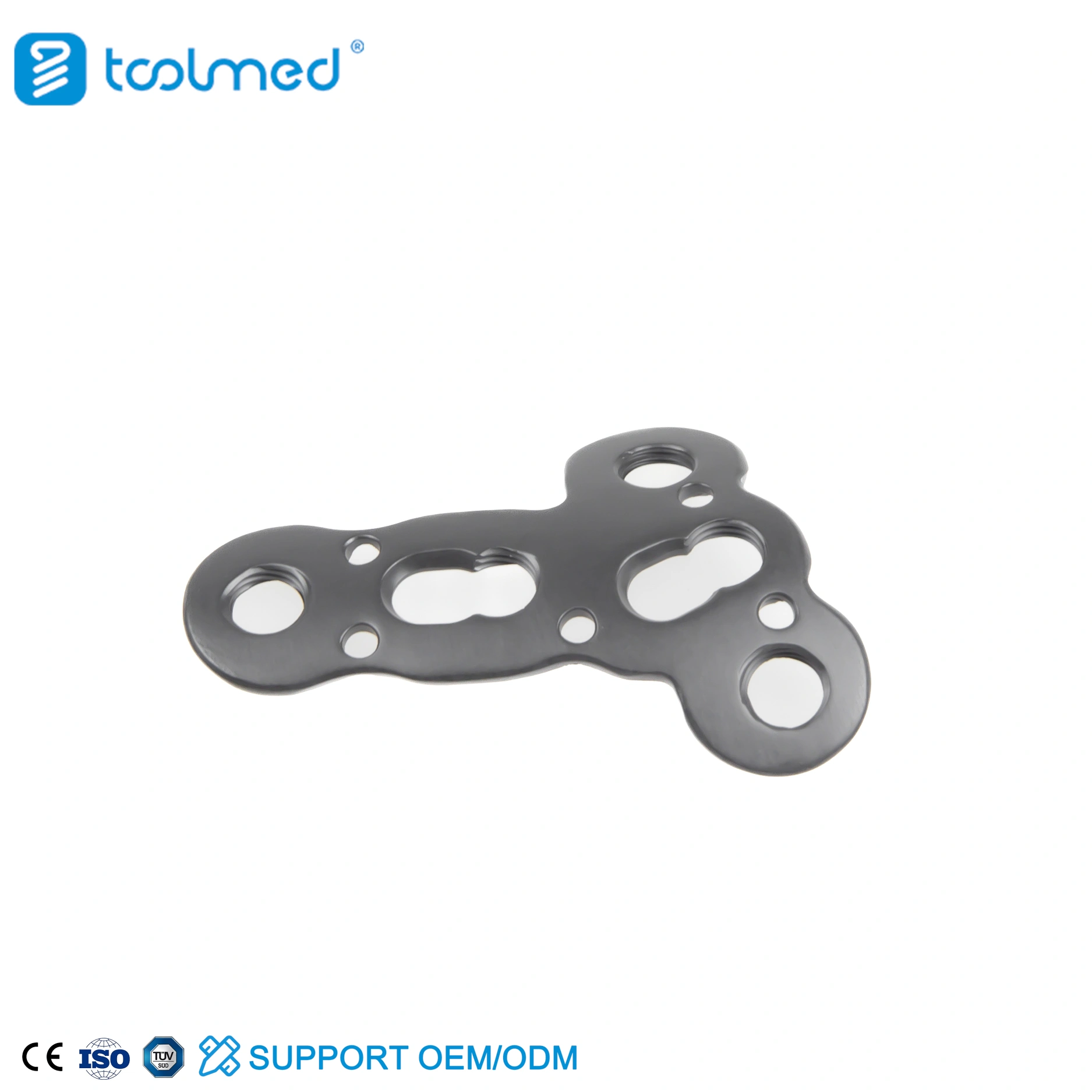
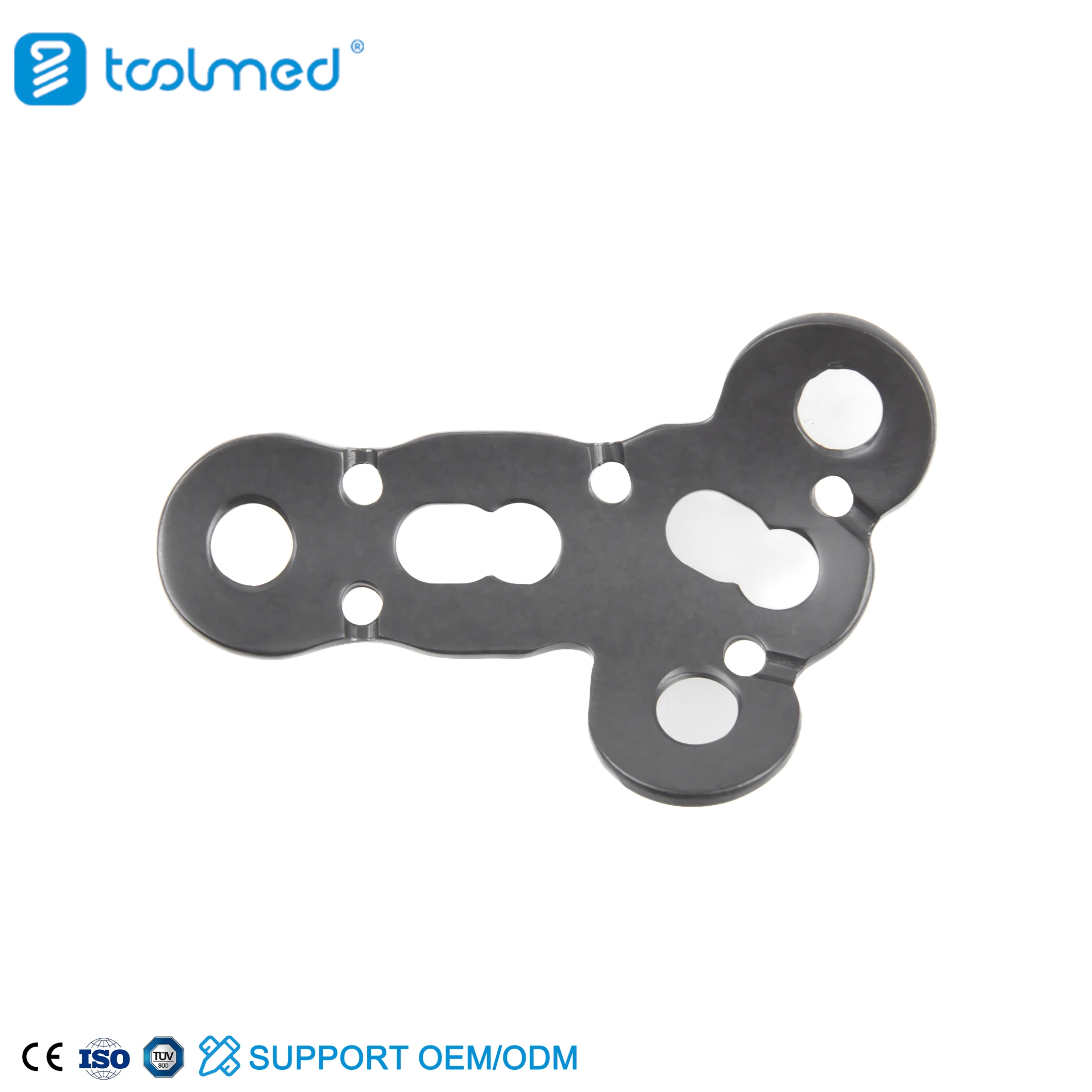
This is a small, precision titanium plate designed exclusively to fix breaks in the Greater Tuberosity (GT), a small bump on the top of your arm bone where the main shoulder movement muscles (rotator cuff) attach. When this piece breaks off, the muscles pull it away, compromising shoulder function. This dedicated plate provides a rigid, fixed-angle lock on that small piece, counteracting the muscle pull and allowing the rotator cuff to heal in its correct place.
It is used for fractures where only the GT is broken and displaced. Because the fragment is small and under high tension from the rotator cuff, simply using screws or sutures alone can lead to failure. This plate is used to ensure the fragment is rigidly held against the main bone mass, restoring the mechanical attachment site.
The main advantage is optimized tension resistance. The fixed-angle locking screws securely grasp the fragment, preventing it from being pulled away by the powerful rotator cuff. Additionally, its compact size and low profile ensure the hardware does not impinge on the acromion (the top bone of the shoulder) during arm elevation, a critical concern in this anatomical area.
Biomechanically, the plate acts as a tension neutralizer and a buttress. It resists the eccentric pull of the rotator cuff while providing a rigid fixation for the fragment. This stability is key for allowing immediate passive range of motion, which is crucial for preventing the rapid development of shoulder stiffness.
The fracture is accessed through a small lateral incision. The GT fragment is reduced (put back in place). The plate is carefully positioned to ensure it is below the acromion. Locking screws are inserted for rigid fixation, and sutures are passed through the plate holes and around the tendons to augment the repair.
The rigid fixation allows for a more aggressive, yet controlled, early rehabilitation protocol. The focus is on early passive motion to prevent stiffness while gradually introducing active motion to allow the rotator cuff to heal onto the restored tuberosity site.
The Proximal Humeral Greater Tuberosity Locking Plate provides a dedicated, high-stability solution for isolated GT fractures. Its specialized design ensures anatomical restoration of the rotator cuff attachment, rigid fixation against muscular forces, and a low profile essential for maintaining pain-free shoulder function.
The standard Proximal Humeral Plate is larger and fixes the entire head and neck. This GT plate is smaller, designed specifically for the small, isolated fragment of the greater tuberosity, and is generally used when the main humeral head is intact.
The plate is designed to be extremely low-profile to minimize the risk of shoulder impingement (rubbing against the acromion). Correct placement by the surgeon is crucial to avoid this complication.
Yes. The plate holds the bone fragment, but the sutures are often necessary to secure the soft tissue (rotator cuff tendon) attachment to the fragment, resisting the high muscle tension and completing the repair.
A similar, but usually different, low-profile plate may be used for the lesser tuberosity, though lesser tuberosity fractures are less common and usually smaller.
This is one of the smallest trauma plates, often featuring only 3 to 4 distal screw holes and 2 to 3 proximal shaft holes, reflecting the small size of the fragment it fixes.
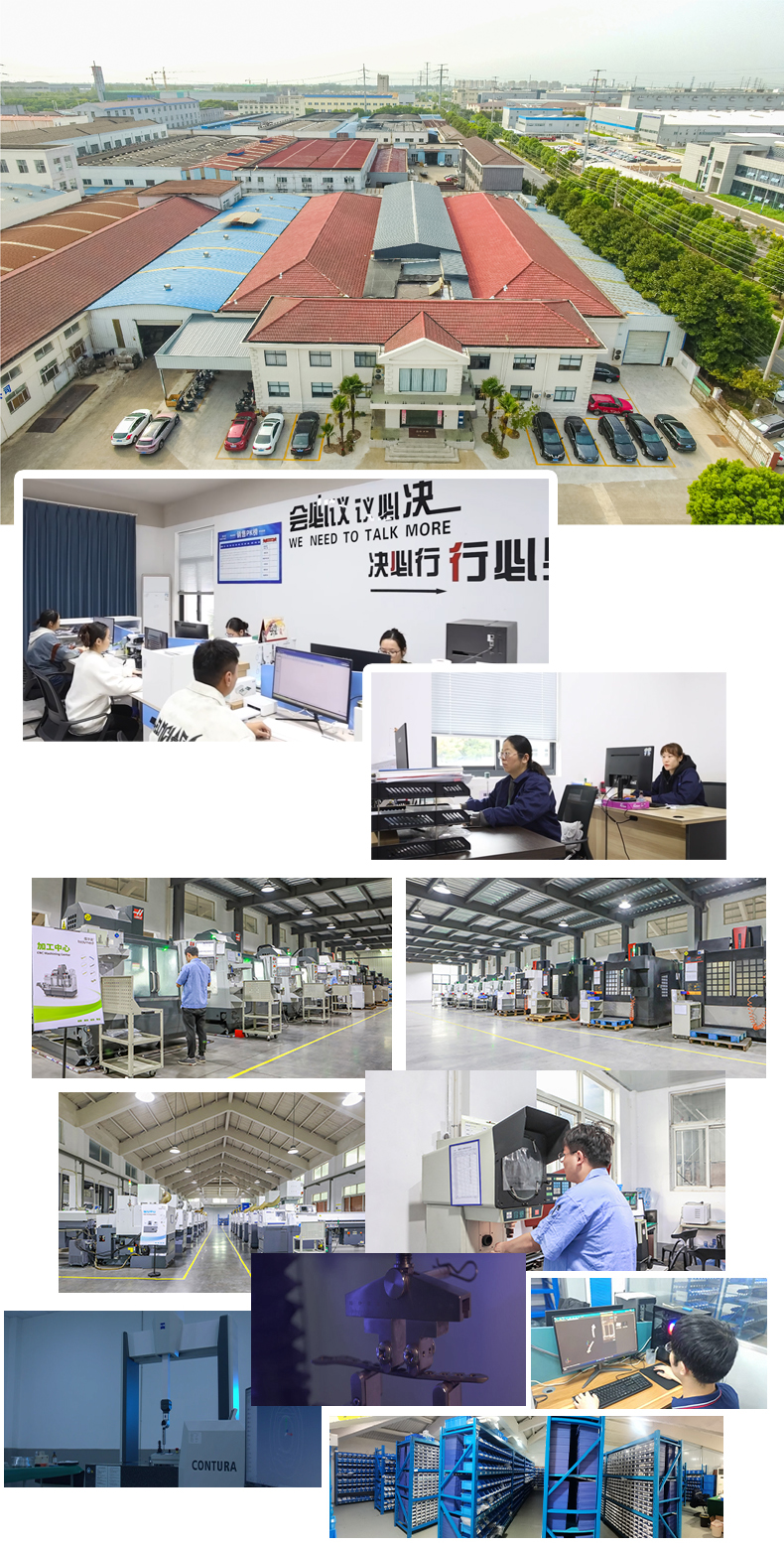
Our factory is equipped with over 60 advanced CNC machines operated by 100+ skilled technicians, a 300 m² GMP-compliant clean room, and a 10,000 m² production facility. We maintain a CNAS and ISO 17025 certified testing center, invest heavily in CNC turning technology, and utilize high-precision inspection systems including CMM, PP, and QV to ensure product quality and consistency.
We offer fast and reliable global shipping. Standard lead times range from 7 to 15 working days, depending on order quantity and customization requirements. Express delivery options are also available upon request.
Yes, we ship to most countries worldwide. We work with trusted logistics partners to ensure timely and secure delivery.
We accept a variety of payment options, including T/T (bank transfer), L/C, and PayPal for smaller orders. Payment terms can be discussed based on order volume and partnership agreements.
Yes, samples are available for evaluation. Please contact our sales team to request product samples and shipping arrangements.
Absolutely. We offer OEM/ODM services including custom packaging, branding, and product development tailored to your specifications.


