
 |
3302-0207
TOOLMED
TA3
1 Pcs
5-15 Days
/
Product Description
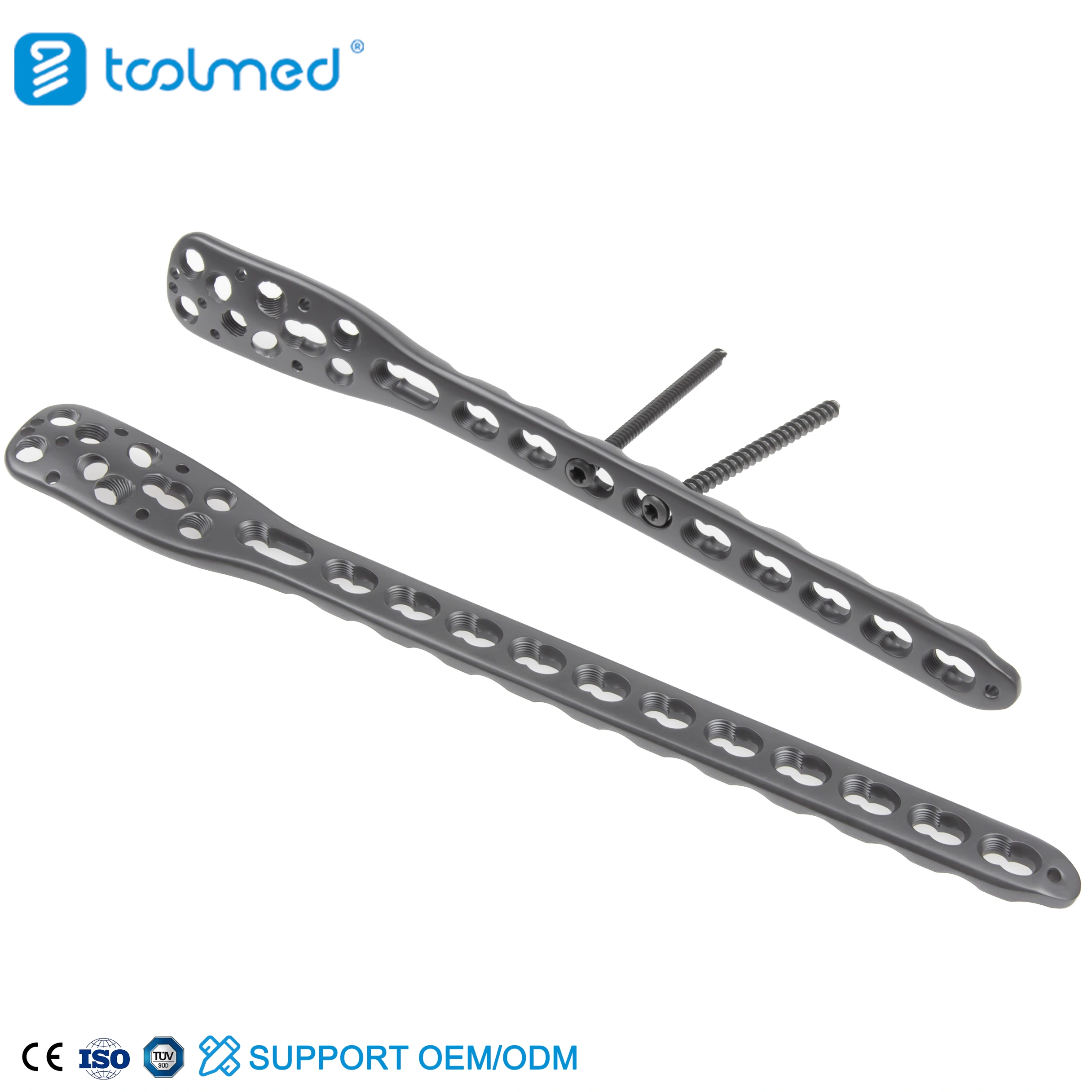
Designed to precisely fit the lateral aspect of the proximal humerus, minimizing plate prominence and the risk of impingement on the subacromial space during shoulder movement.
A dense cluster of locking screws creates a stable subchondral "raft" to support the articular fragments of the humeral head, crucial for preventing collapse and restoring the joint surface.
Incorporates specialized holes on the plate head to allow the surgeon to pass sutures for secure reattachment of the torn rotator cuff tuberosities (greater and lesser tubercles), which is vital for functional recovery.
Screw trajectories are carefully engineered to maximize bone purchase while minimizing the risk of screws extending through the joint surface (intra-articular penetration).
Primary indication for displaced and unstable fractures of the humeral head and neck (e.g., Neer classifications).
Recommended for geriatric patients with poor bone quality, as the locking technology provides superior resistance to screw pull-out.
Used to achieve stable reduction of fragments and maintain the relationship between the humeral head and the glenoid (shoulder socket).
| Product Name | Proximal Humeral Locking Plate |
| Material | TA3 |
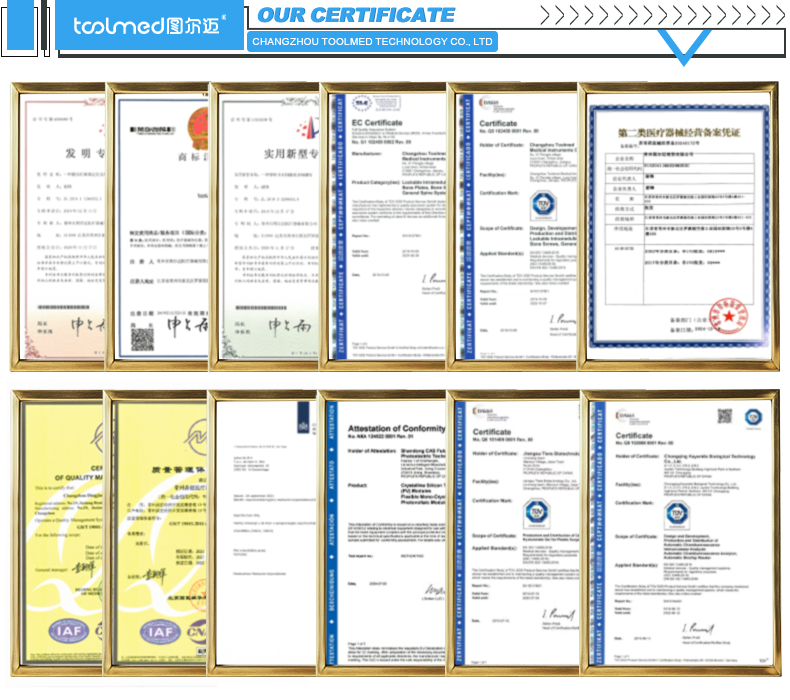
| Certificate | CE Certificate |
| Brand | TOOLMED |
| MOQ | 1 Pcs |
| OEM | Avaliable |
| Package | PE Inner Bag+Carton |
| Payment Method | T/T,Bank transfer, Western Union |
| Delivery Time | 5-15 Days |
| Shipping | DHL EMS UPS TNT FEDEX |

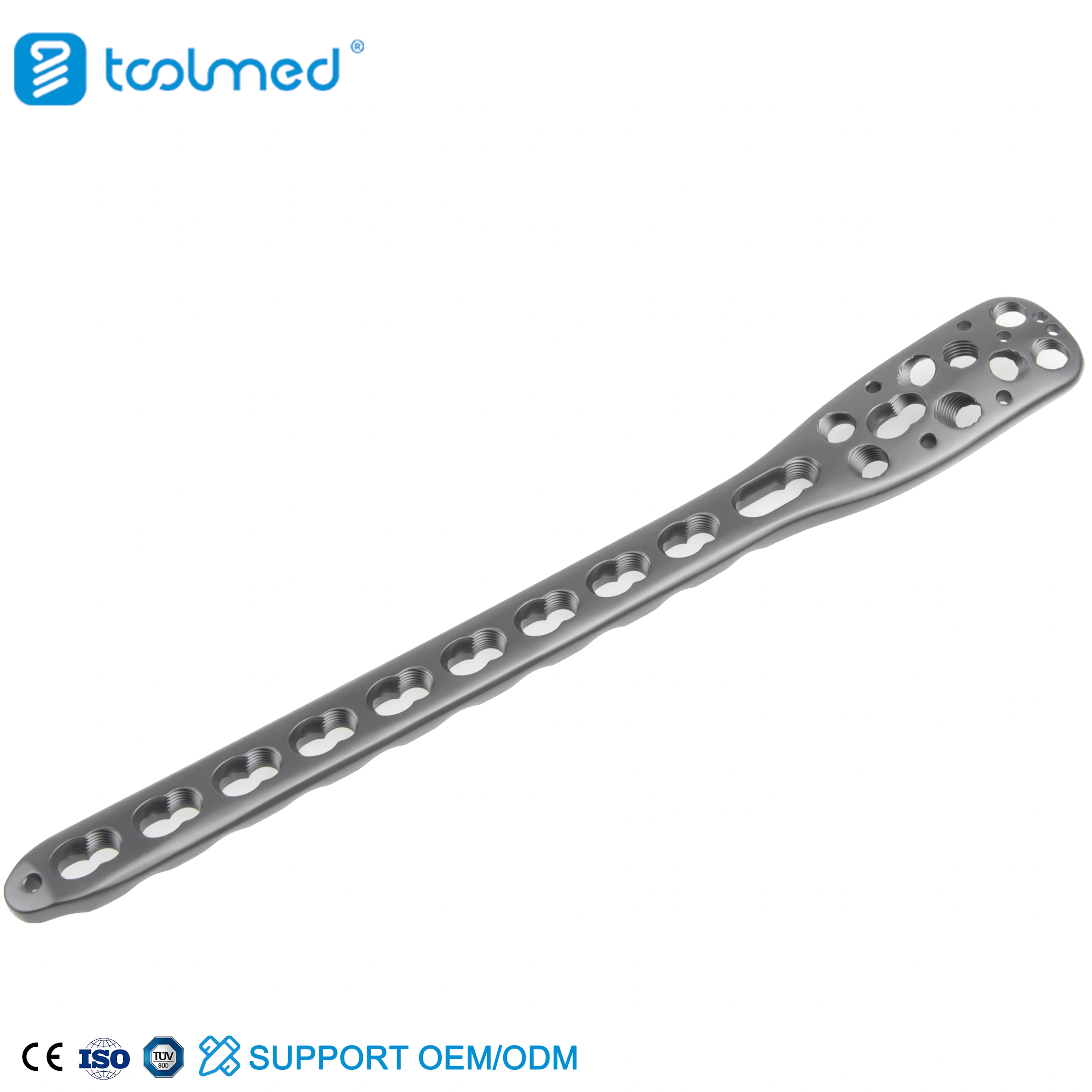
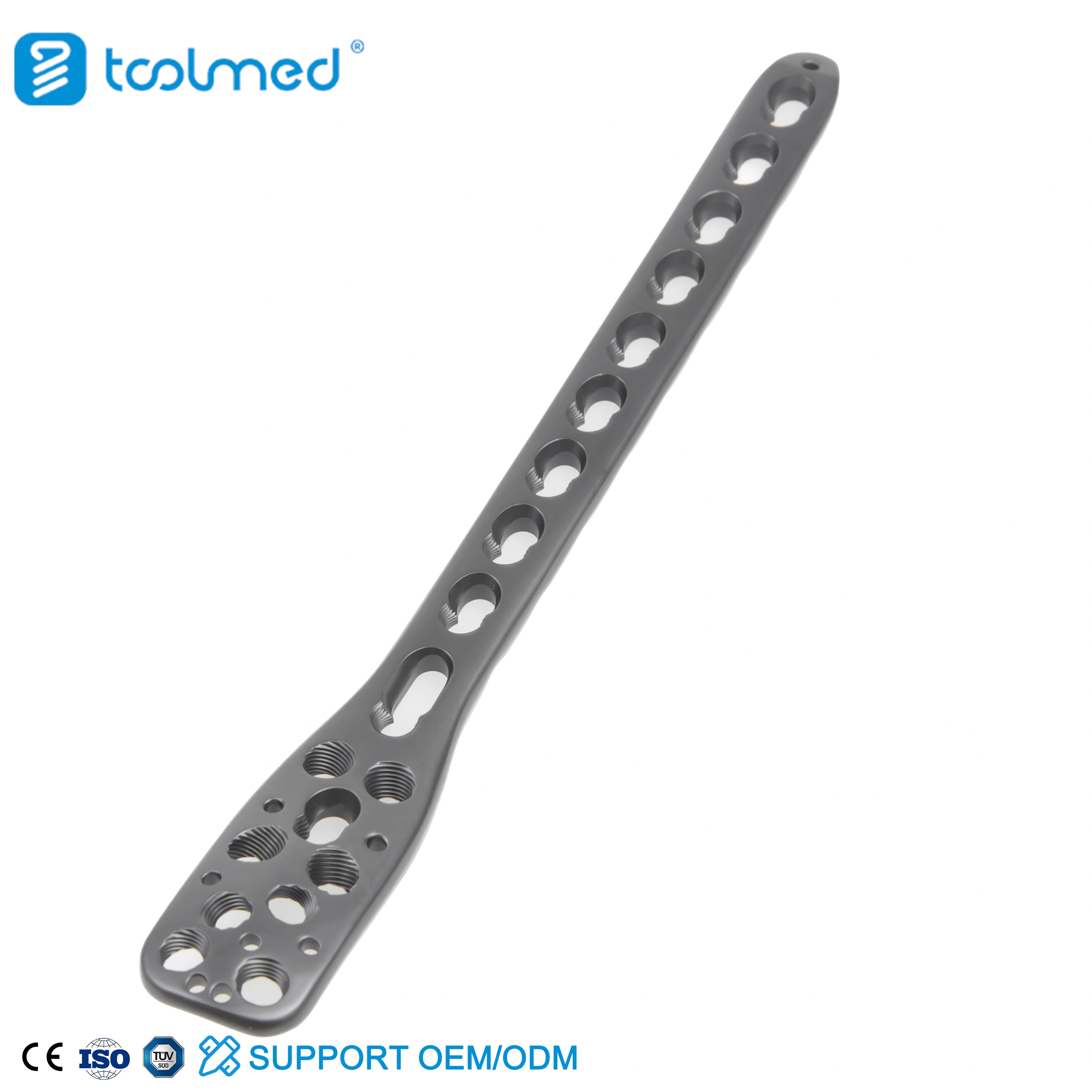
The Proximal Humeral Locking Plate is a specialized titanium plate used to stabilize complex fractures at the top of the arm bone, near the shoulder joint. This plate has a distinct T or Y shape and features a dense cluster of locking screws that act like a "raft" under the fragile humeral head. It is vital because the shoulder head is pulled apart by the powerful rotator cuff muscles, and this plate is designed to rigidly hold the fragments together, preventing collapse and allowing the bone to heal.
This plate is the standard treatment for displaced fractures of the humeral head in patients who have a good chance of bone healing (salvage). It is used to hold the main head fragment, the greater tuberosity (rotator cuff attachment), and the lesser tuberosity in their correct anatomical positions.
The primary advantage is fixed-angle stability in poor bone. Given that many of these fractures occur in older patients with osteoporosis, the locking screws bypass the need for good bone purchase and lock directly into the plate, providing a stable fixed-angle structure that resists the severe pull-out forces exerted by the rotator cuff.
Biomechanically, the plate acts as a tension-side buttress, resisting the deforming forces of the rotator cuff muscles. The rafting screws beneath the articular surface prevent the humeral head from collapsing (varus collapse), which is the most common reason for fixation failure. The plate also helps maintain the critical height and rotation of the humeral head.
The surgery is typically performed via a deltopectoral or lateral approach. The surgeon reduces the bone fragments, temporarily fixes them with wires, and then applies the plate to the lateral aspect of the humerus. The locking screws are inserted, followed by the insertion of strong sutures through the plate's suture holes to tie the rotator cuff tendons securely to the plate.
Due to the rigid fixation, patients can typically begin gentle, passive shoulder motion early (within 2-3 weeks). Early mobilization is crucial to prevent the shoulder joint from becoming stiff (adhesive capsulitis), a common complication after shoulder trauma.
The Proximal Humeral Locking Plate is the benchmark for treating complex shoulder fractures. Its anatomically precise design, superior fixed-angle locking stability, and specialized features for soft tissue management ensure the best chance for successful joint preservation and a return to functional shoulder movement.
Varus collapse is when the humeral head sinks inward, leading to fixation failure and a shortened, painful arm. The plate prevents this by using locking screws to create a rigid, stable 'raft' of support directly under the weakest part of the bone, strongly resisting collapse forces.
It is designed to be permanent. However, due to the high risk of hardware irritation (impingement) under the acromion, the plate may be removed 12–18 months later if the patient is symptomatic.
The suture holes allow the surgeon to pass high-strength sutures through the plate and tie down the torn rotator cuff tendon attachments (the tuberosities). This combined fixation is critical for initiating shoulder motion.
Yes, screw penetration into the joint is a risk. The plate's design and specialized drill guides help the surgeon select screw lengths that maximize bone hold while staying safely away from the articular cartilage.
Alternatives include non-surgical treatment (for minimally displaced fractures) or primary shoulder replacement (hemiarthroplasty) for highly comminuted, unsalvageable fractures, especially in the elderly.
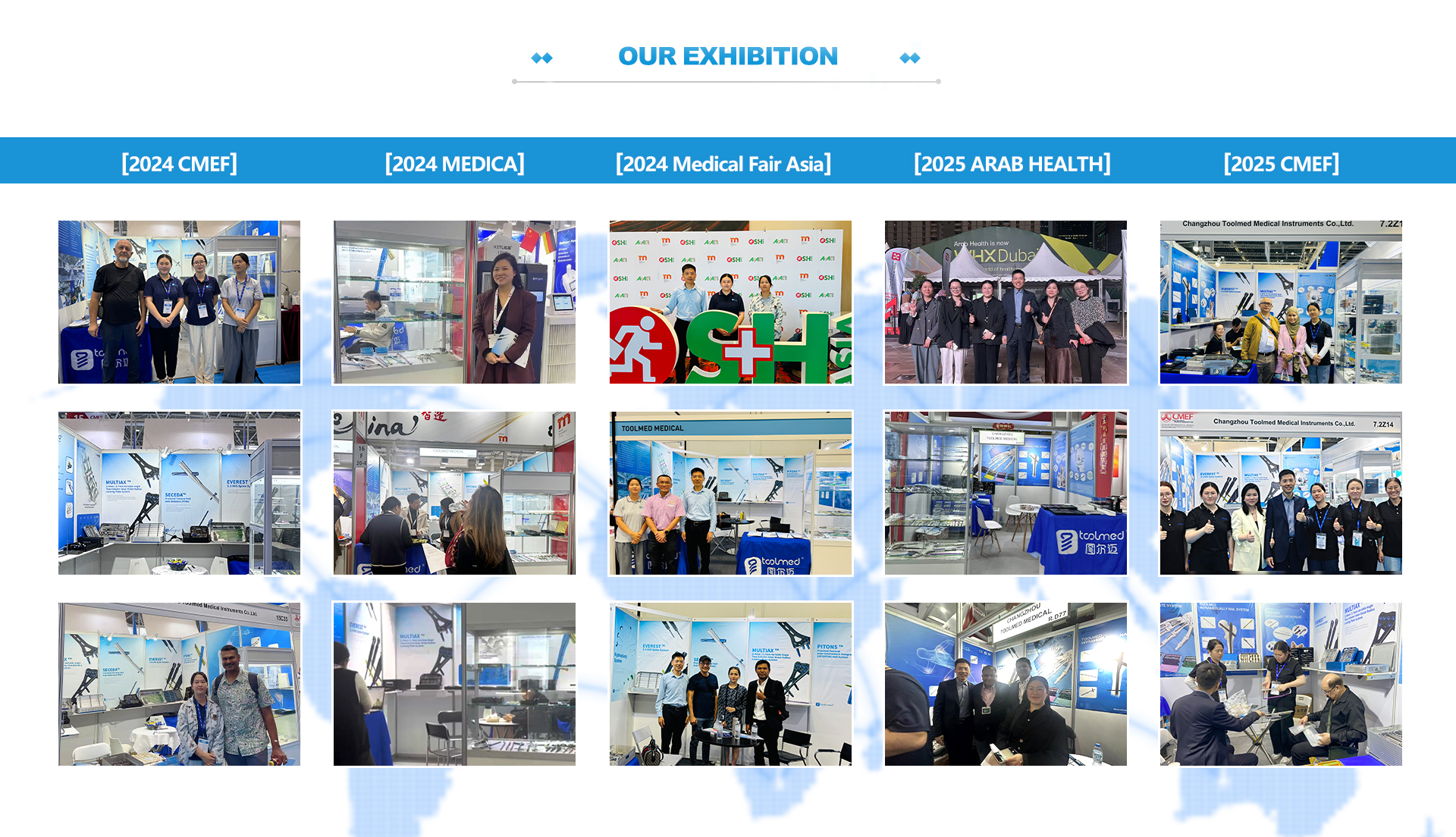
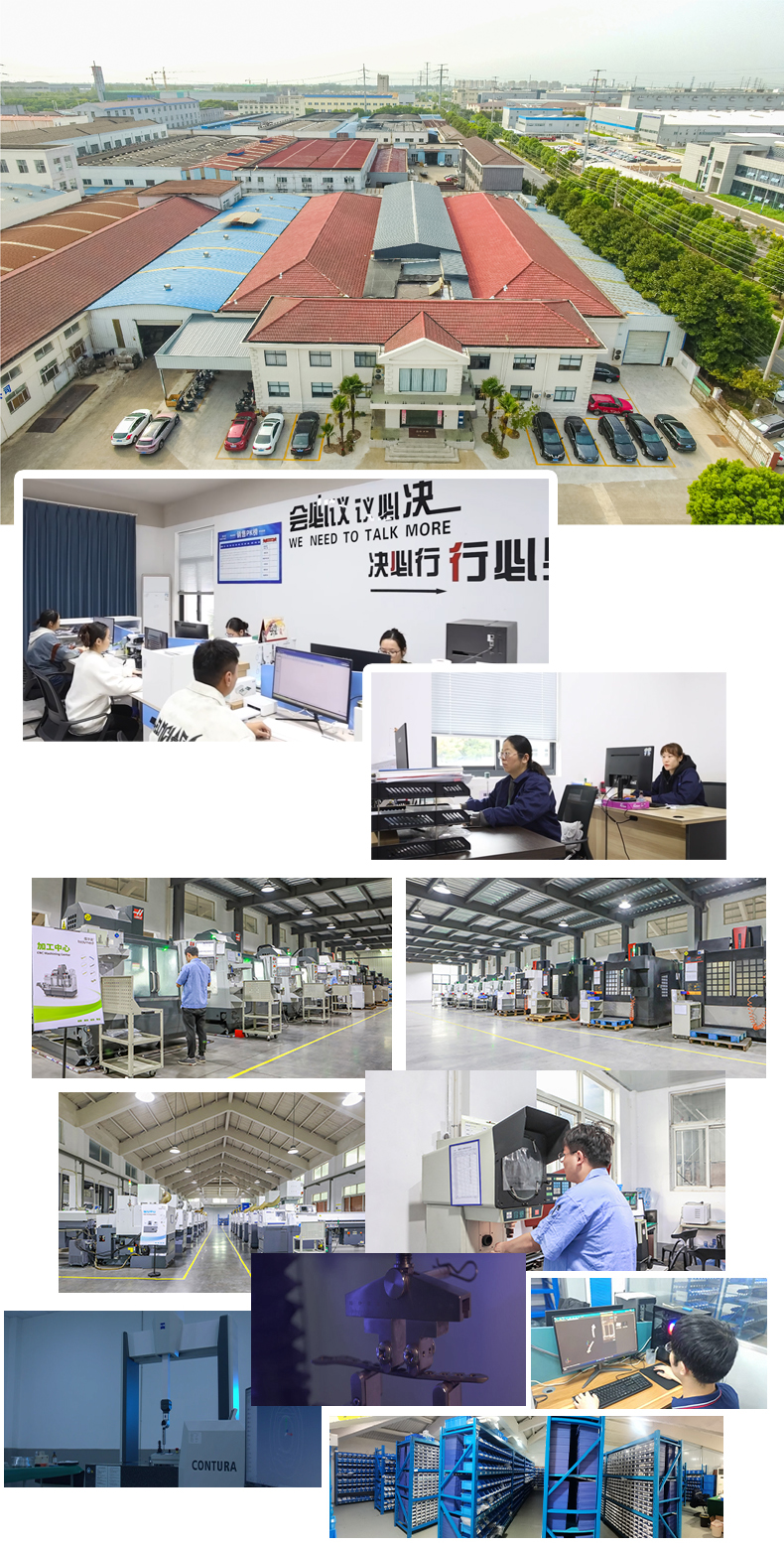
Our factory is equipped with over 60 advanced CNC machines operated by 100+ skilled technicians, a 300 m² GMP-compliant clean room, and a 10,000 m² production facility. We maintain a CNAS and ISO 17025 certified testing center, invest heavily in CNC turning technology, and utilize high-precision inspection systems including CMM, PP, and QV to ensure product quality and consistency.
We offer fast and reliable global shipping. Standard lead times range from 7 to 15 working days, depending on order quantity and customization requirements. Express delivery options are also available upon request.
Yes, we ship to most countries worldwide. We work with trusted logistics partners to ensure timely and secure delivery.
We accept a variety of payment options, including T/T (bank transfer), L/C, and PayPal for smaller orders. Payment terms can be discussed based on order volume and partnership agreements.
Yes, samples are available for evaluation. Please contact our sales team to request product samples and shipping arrangements.
Absolutely. We offer OEM/ODM services including custom packaging, branding, and product development tailored to your specifications.


