
 |
3303-0901
TOOLMED
TA3
1 Pcs
5-15 Days
/
Product Description
The plate is uniquely curved to conform to the radial neck, ensuring optimal placement that avoids rubbing against the capitellum (humerus) or the ulna, which would restrict elbow or forearm rotation.
The plate head contains multiple locking screw holes with specific trajectories, designed to capture and secure the small, fragmented pieces of the radial head for anatomical joint surface reconstruction.
The implant is exceptionally thin and smooth to reduce the risk of irritation to the surrounding ligaments (LCL complex) and muscle attachments, promoting pain-free forearm rotation.
The shaft features combination holes, allowing for the use of standard cortical screws for fragment compression or locking screws for a fixed-angle construct.
Primary indication for complex fractures (Mason Type III/IV) that are amenable to internal fixation (salvage) rather than radial head replacement.
Used as a key component in stabilizing the entire elbow ring (terrible triad injuries), restoring the radial column for overall joint stability.
Indicated for revision surgery to achieve stable, compressive fixation of symptomatic non-unions or malunions of the proximal radius.

| Product Name | Proximal Radius Locking Plate |
| Material | TA3 |
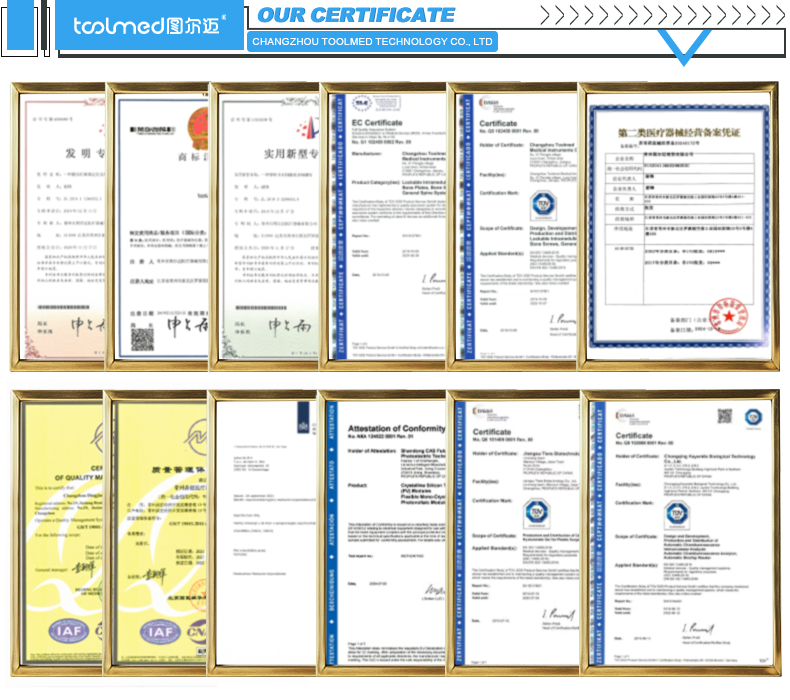
| Certificate | CE Certificate |
| Brand | TOOLMED |
| MOQ | 1 Pcs |
| OEM | Avaliable |
| Package | PE Inner Bag+Carton |
| Payment Method | T/T,Bank transfer, Western Union |
| Delivery Time | 5-15 Days |
| Shipping | DHL EMS UPS TNT FEDEX |


The Proximal Radius Locking Plate is a specialized titanium plate used to repair breaks in the radial head and neck—the part of the forearm bone closest to the elbow. This area is responsible for both elbow flexion and the crucial ability to twist the forearm (pronation/supination). This plate's design is exceptionally low-profile and precisely contoured to fit this area while avoiding interference with the elbow's complex movements.
This plate is chosen when the radial head is broken into several pieces (comminuted) but the fragments are still large enough to be put back together, a procedure known as joint salvage. Fixing the radial head is vital because it stabilizes the entire elbow joint, preventing displacement of the ulna and humerus.
The primary advantage is preserving the native joint. If the bone can be put back together, it is almost always better than a replacement. The low-profile design and fixed-angle locking screws allow the surgeon to achieve a rigid, stable reconstruction that resists the forces of early motion, minimizing the risk of permanent elbow stiffness.
Biomechanically, the plate functions as a tension band and a support scaffold. Because the radial head rotates, any prominent hardware will cause mechanical blocking and pain. This plate is positioned in the radial safe zone—the 110-degree arc of bone that does not contact the ulna—and the fixed-angle screws maintain the small articular fragments, enabling the radial head to rotate smoothly.
The fracture is accessed through a lateral (side) approach to the elbow. The bone fragments are reduced, and the plate is meticulously placed in the safe zone. Screws are inserted to capture the fragments, and the arm is moved through its range of motion before closure to ensure the plate is not impinging on the joint or causing mechanical blockage.
Early range of motion is paramount for elbow function. The rigid fixation provided by the locking plate allows physical therapy to begin quickly, typically within the first week, focusing on regaining full extension, flexion, and, most importantly, forearm rotation.
The Proximal Radius Locking Plate is an advanced, anatomically designed solution for complex radial head and neck fractures. Its fixed-angle stability and ultra-low profile are essential for successful joint salvage, ensuring robust fixation that enables early mobilization and preserves crucial elbow and forearm function.
If the plate extends outside the safe zone ($\sim 110^\circ$ non-articular arc), the hardware will bump into the ulna or humerus during forearm rotation, causing pain, joint wear, and severely limited range of motion. Correct placement is vital.
Yes, it is designed to be permanent. However, due to the high risk of irritation in this area, it has a moderate rate of removal if the patient develops symptomatic hardware (pain during rotation).
This plate is used for fixation (salvage), meaning the surgeon attempts to save the patient's own radial head. Replacement is used when the radial head is too fragmented or crushed to be rebuilt, and a metal prosthesis is required.
The locking screws act as fixed-angle support beams, holding the small bone fragments together rigidly. This is crucial because standard screws often fail to hold in the small, thin fragments of the radial head.
Due to the small size of the proximal radius, small-diameter screws (usually 2.0mm or 2.4mm) are used with this plate to prevent fracturing the bone during insertion.
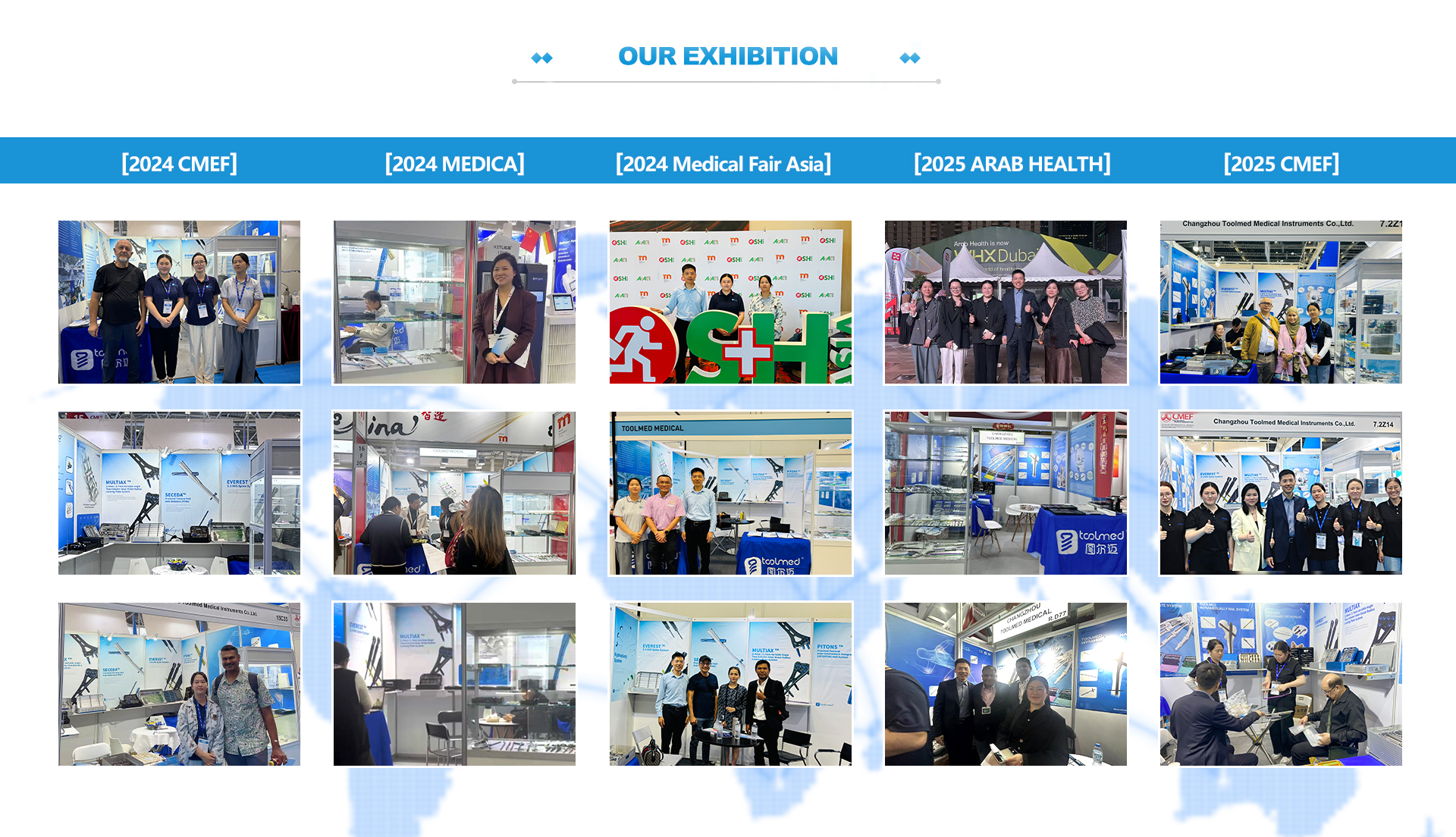
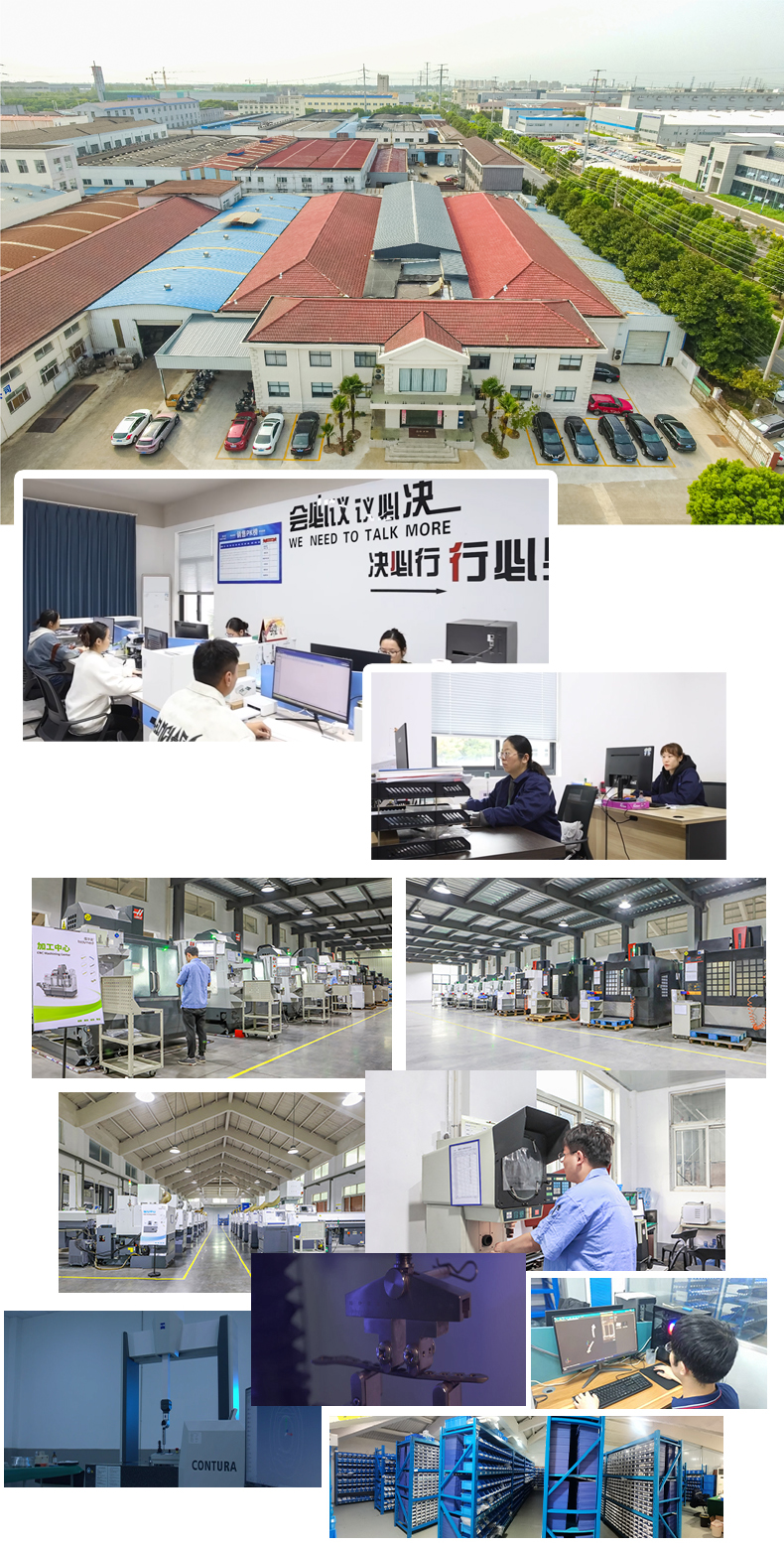
Our factory is equipped with over 60 advanced CNC machines operated by 100+ skilled technicians, a 300 m² GMP-compliant clean room, and a 10,000 m² production facility. We maintain a CNAS and ISO 17025 certified testing center, invest heavily in CNC turning technology, and utilize high-precision inspection systems including CMM, PP, and QV to ensure product quality and consistency.
We offer fast and reliable global shipping. Standard lead times range from 7 to 15 working days, depending on order quantity and customization requirements. Express delivery options are also available upon request.
Yes, we ship to most countries worldwide. We work with trusted logistics partners to ensure timely and secure delivery.
We accept a variety of payment options, including T/T (bank transfer), L/C, and PayPal for smaller orders. Payment terms can be discussed based on order volume and partnership agreements.
Yes, samples are available for evaluation. Please contact our sales team to request product samples and shipping arrangements.
Absolutely. We offer OEM/ODM services including custom packaging, branding, and product development tailored to your specifications.


