
 |
3302-0101
TOOLMED
TA3
1 Pcs
5-15 Days
/
Product Description
The system features combination holes along the shaft, allowing the surgeon to use standard cortical screws to achieve compression across simple fracture lines or fixed-angle locking screws for rigid stability in comminuted areas.
The plate maintains an extremely low profile to reduce the risk of soft tissue irritation, which is particularly important given the close proximity of the radial nerve to the humerus shaft.
Locking technology creates a strong, internal fixator effect, crucial for maintaining bone length and alignment, especially in poor bone quality or highly unstable fractures.
A comprehensive range of plate lengths ensures that the fracture can be spanned appropriately, meeting the biomechanical requirement of adequate plate working length.
Primary indication for fractures of the humeral diaphysis (AO/OTA Type A or B) that require rigid stabilization and anatomical reduction.
Used to stabilize fractures resulting from tumors or metastatic disease, where the locking mechanism provides superior hold in compromised bone.
Indicated when stable fixation is required to protect adjacent soft tissues, such as during repair of an injured radial nerve or artery.
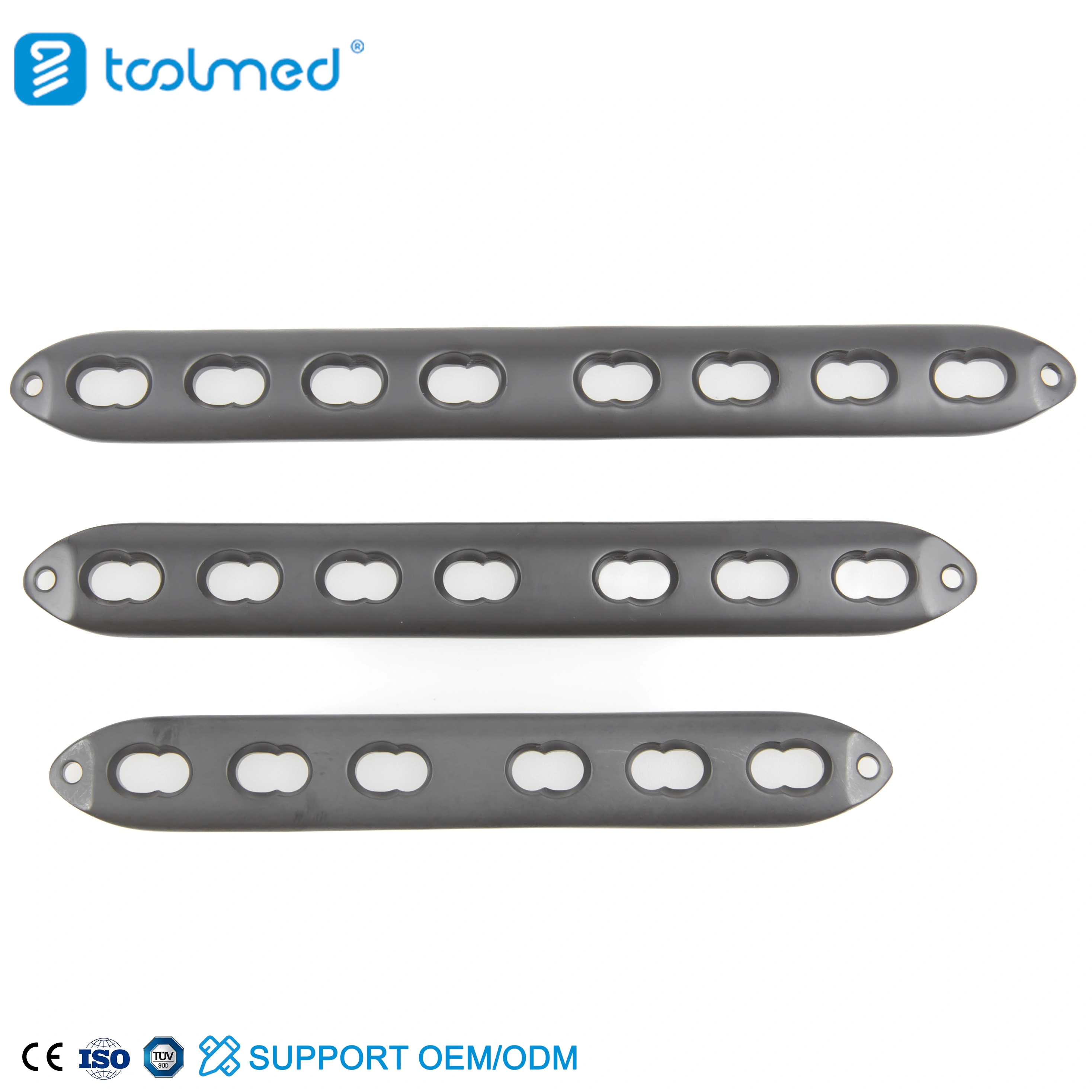
| Product Name | Humeral Shaft Locking Plate |
| Material | TA3 |
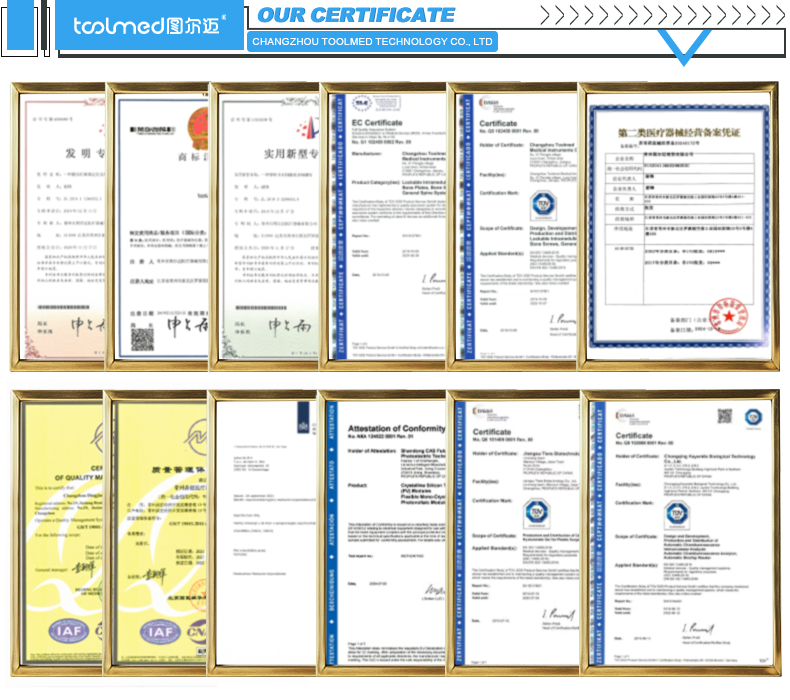
| Certificate | CE Certificate |
| Brand | TOOLMED |
| MOQ | 1 Pcs |
| OEM | Avaliable |
| Package | PE Inner Bag+Carton |
| Payment Method | T/T,Bank transfer, Western Union |
| Delivery Time | 5-15 Days |
| Shipping | DHL EMS UPS TNT FEDEX |

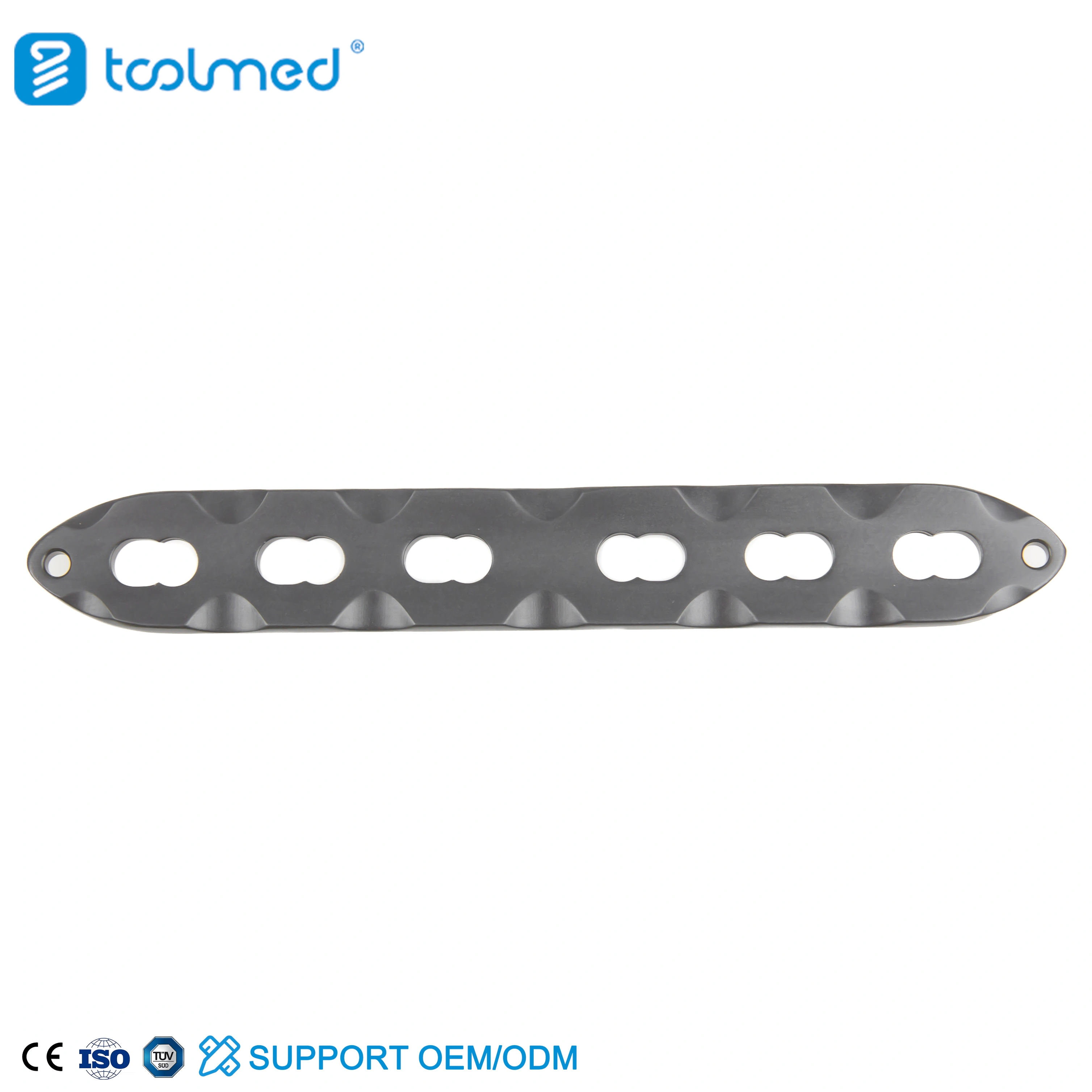
The Humeral Shaft Locking Plate is a straight, sturdy titanium plate used to fix severe breaks in the middle of the upper arm bone (humerus). Since the humerus is surrounded by strong muscles, these fractures are highly unstable. The locking plate is essential for creating a rigid internal splint, ensuring the bone heals at its correct length and rotation, which is vital for proper shoulder and elbow function.
This plate is the primary method for treating midshaft humerus fractures when non-surgical treatments fail, or when the fracture is open, highly comminuted, or associated with nerve or vessel damage. The plate's strength allows it to neutralize the powerful muscle forces that try to displace the fragments.
The main advantages are rigid stability and low profile. The locking feature provides a high degree of pull-out resistance, making it ideal for compromised bone or complex patterns. Furthermore, the low-profile design minimizes the risk of irritating the sensitive tissues, especially the radial nerve, which spirals closely around the humerus shaft.
Biomechanically, the plate acts as a bridging or neutralization plate. In a comminuted fracture, the plate bridges the gap, resisting bending and torsional (twisting) loads, allowing the biological healing process to occur without mechanical interference. The fixed-angle construct maintains the reduction, acting like a scaffold until the bone fully consolidates.
The plate is typically applied through an anterolateral or posterior approach. The key surgical step is careful identification and protection of the radial nerve. After reducing the fracture, the plate is positioned, and combi-holes are used to apply compression or insert locking screws, depending on the fracture pattern.
Due to the rigid fixation, patients can typically begin gentle, passive range of motion exercises for the elbow and shoulder early in the post-operative period. Early movement is key to preventing joint stiffness, relying on the stability provided by the locking plate.
The Humeral Shaft Locking Plate provides robust, anatomically appropriate internal fixation for fractures of the midshaft humerus. Its combination of low-profile design and fixed-angle stability ensures high mechanical integrity, paving the way for reliable bone healing and excellent functional outcomes.
The greatest risk is injury to the Radial Nerve, which wraps around the middle of the humerus. Surgeons must use specialized techniques and anatomical knowledge to identify and protect the nerve during plate application.
This plate is primarily for midshaft (diaphyseal) fractures. Specialized Distal Humeral Locking Plates are used for fractures closer to the elbow joint.
A cortical screw (non-locking) is used to draw the bone fragments together (compression). A locking screw is used to lock the bone to the plate at a fixed angle, functioning like an internal splint (bridging/buttressing).
No, the titanium plate is usually permanent. Removal is generally reserved for cases of plate-related pain, infection, or if the plate interferes with future procedures, though this is less common in the humerus than in the forearm.
The majority of screws used in the humerus shaft are either 3.5mm or 4.5mm in diameter, chosen based on the size of the bone and the specific plate being used.
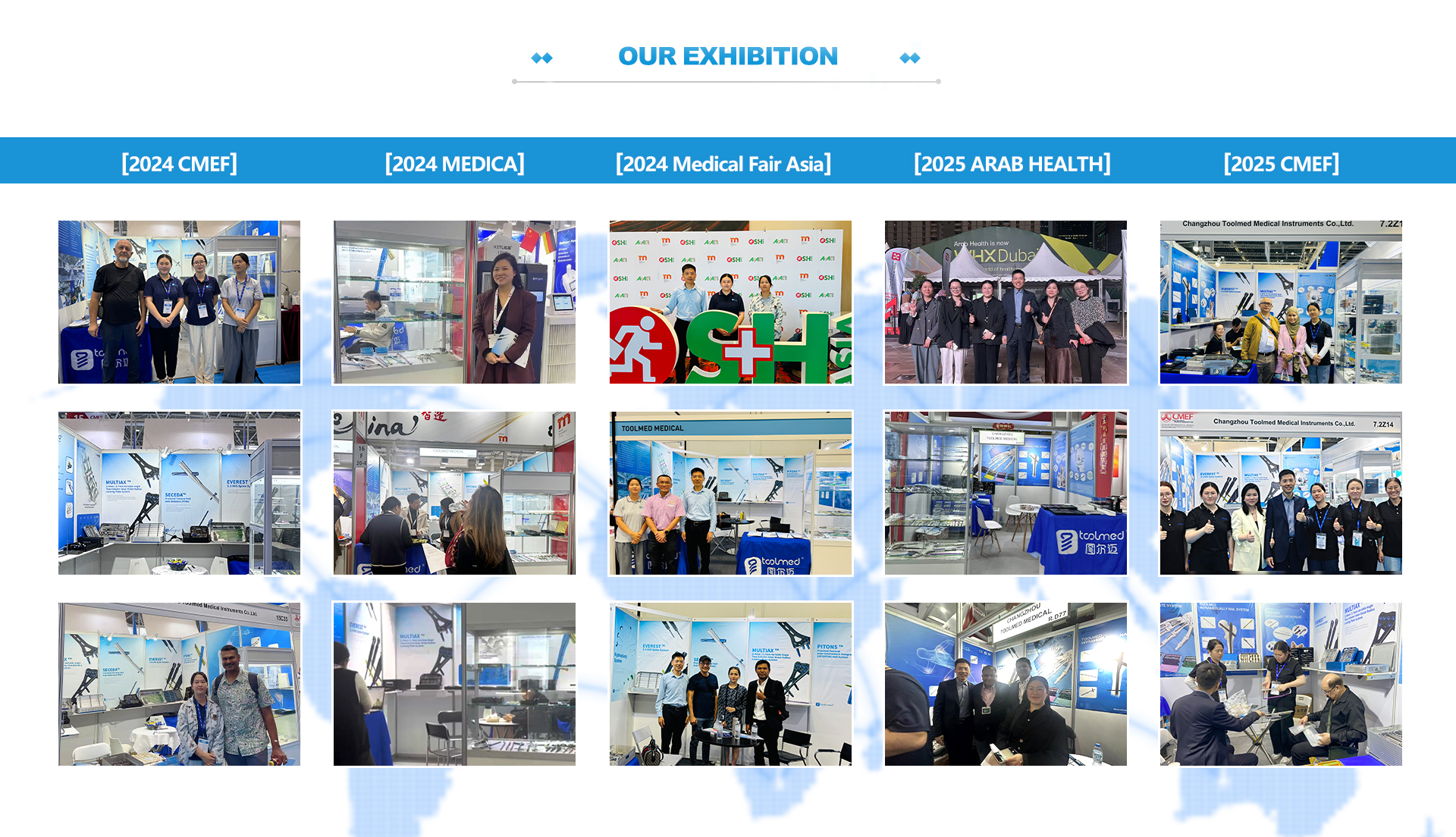
Our factory is equipped with over 60 advanced CNC machines operated by 100+ skilled technicians, a 300 m² GMP-compliant clean room, and a 10,000 m² production facility. We maintain a CNAS and ISO 17025 certified testing center, invest heavily in CNC turning technology, and utilize high-precision inspection systems including CMM, PP, and QV to ensure product quality and consistency.
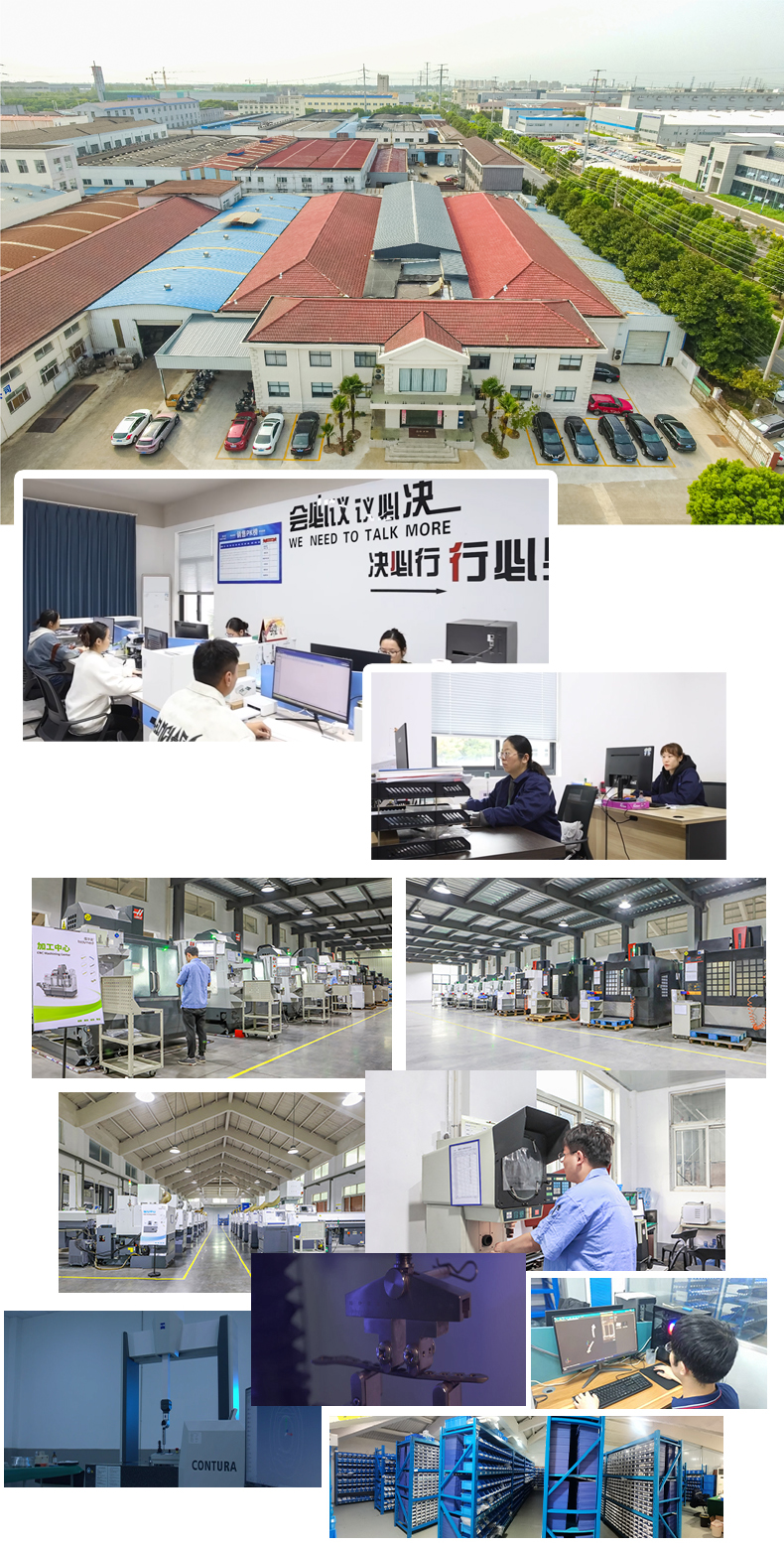
We offer fast and reliable global shipping. Standard lead times range from 7 to 15 working days, depending on order quantity and customization requirements. Express delivery options are also available upon request.
Yes, we ship to most countries worldwide. We work with trusted logistics partners to ensure timely and secure delivery.
We accept a variety of payment options, including T/T (bank transfer), L/C, and PayPal for smaller orders. Payment terms can be discussed based on order volume and partnership agreements.
Yes, samples are available for evaluation. Please contact our sales team to request product samples and shipping arrangements.
Absolutely. We offer OEM/ODM services including custom packaging, branding, and product development tailored to your specifications.


