
 |
3302-0401
TOOLMED
TA3
1 Pcs
5-15 Days
/
Product Description
The plate is pre-contoured to accommodate the natural shape of the distal humerus and often features an offset to enhance screw divergence in the distal fragment while ensuring a low profile.
The locking holes at the plate's end provide a dense cluster of fixed-angle screws that securely grasp the small, metaphyseal bone fragment above the joint, crucial for stability in osteoporotic bone.
Designed with smooth edges and a thin profile to minimize soft tissue and muscle irritation, which is particularly important in the elbow region.
The shaft incorporates combination holes, allowing the surgeon to use conventional compression screws for simple fracture patterns or locking screws for bridging comminution.
Primary indication for displaced, unstable extra-articular fractures (AO/OTA Type 13-A) of the distal humerus, where the joint surface is intact.
Used when the fracture line is above the level of the olecranon fossa, requiring a stable buttress to prevent displacement.
Indicated for fractures around existing elbow implants, where the locking screws provide necessary fixed-angle support in compromised bone.
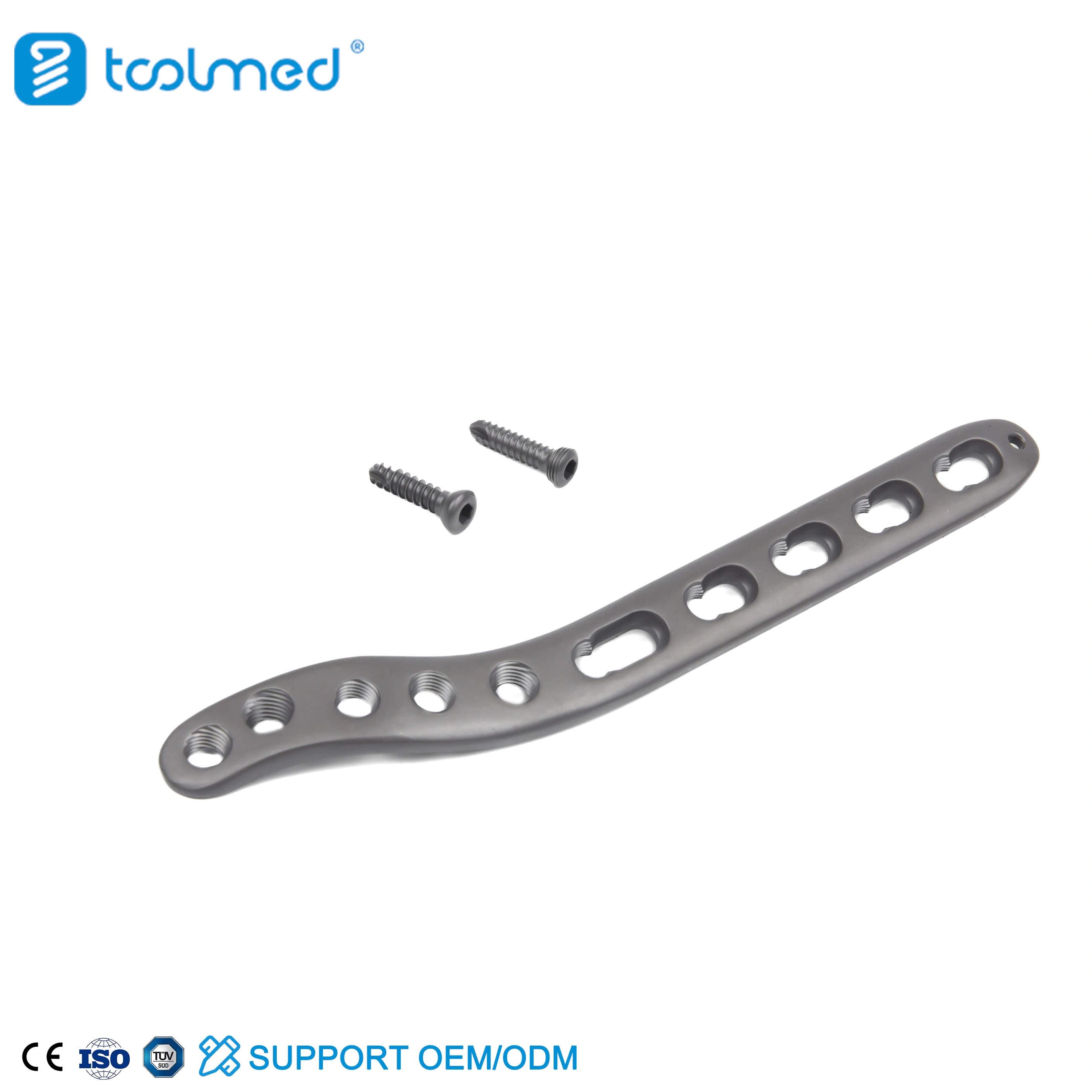
| Product Name | Distal Humeral Extra-articilar Locking Plate |
| Material | TA3 |
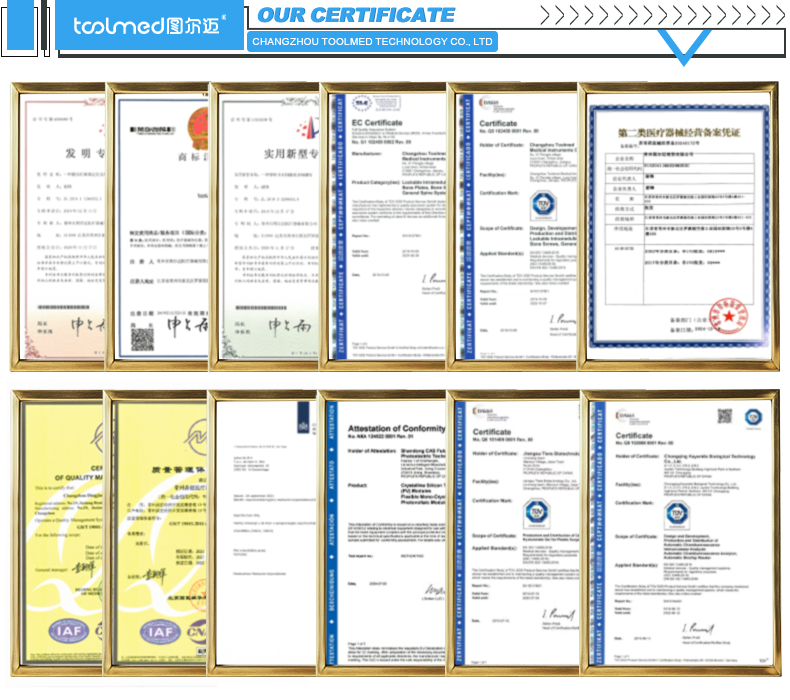
| Certificate | CE Certificate |
| Brand | TOOLMED |
| MOQ | 1 Pcs |
| OEM | Avaliable |
| Package | PE Inner Bag+Carton |
| Payment Method | T/T,Bank transfer, Western Union |
| Delivery Time | 5-15 Days |
| Shipping | DHL EMS UPS TNT FEDEX |

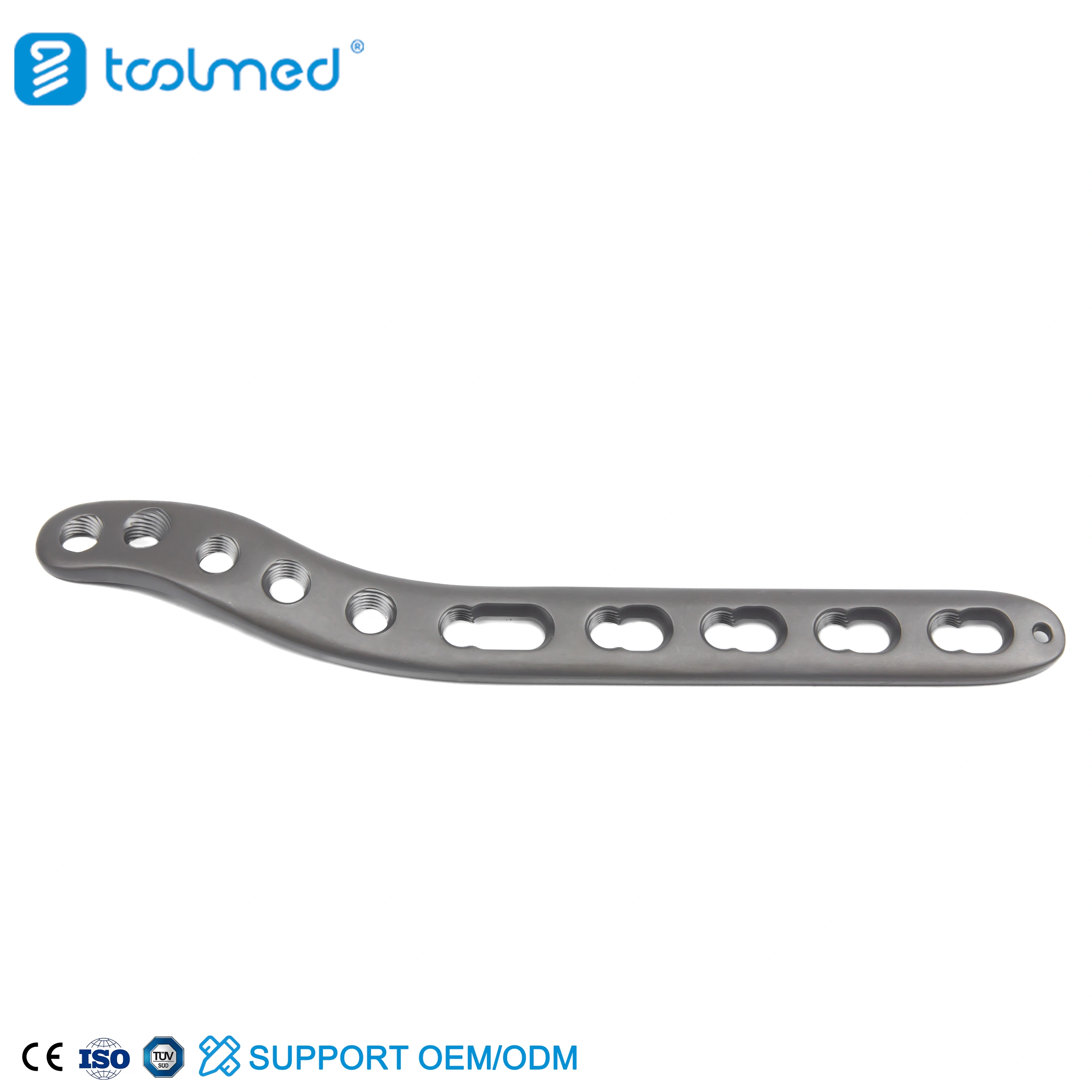
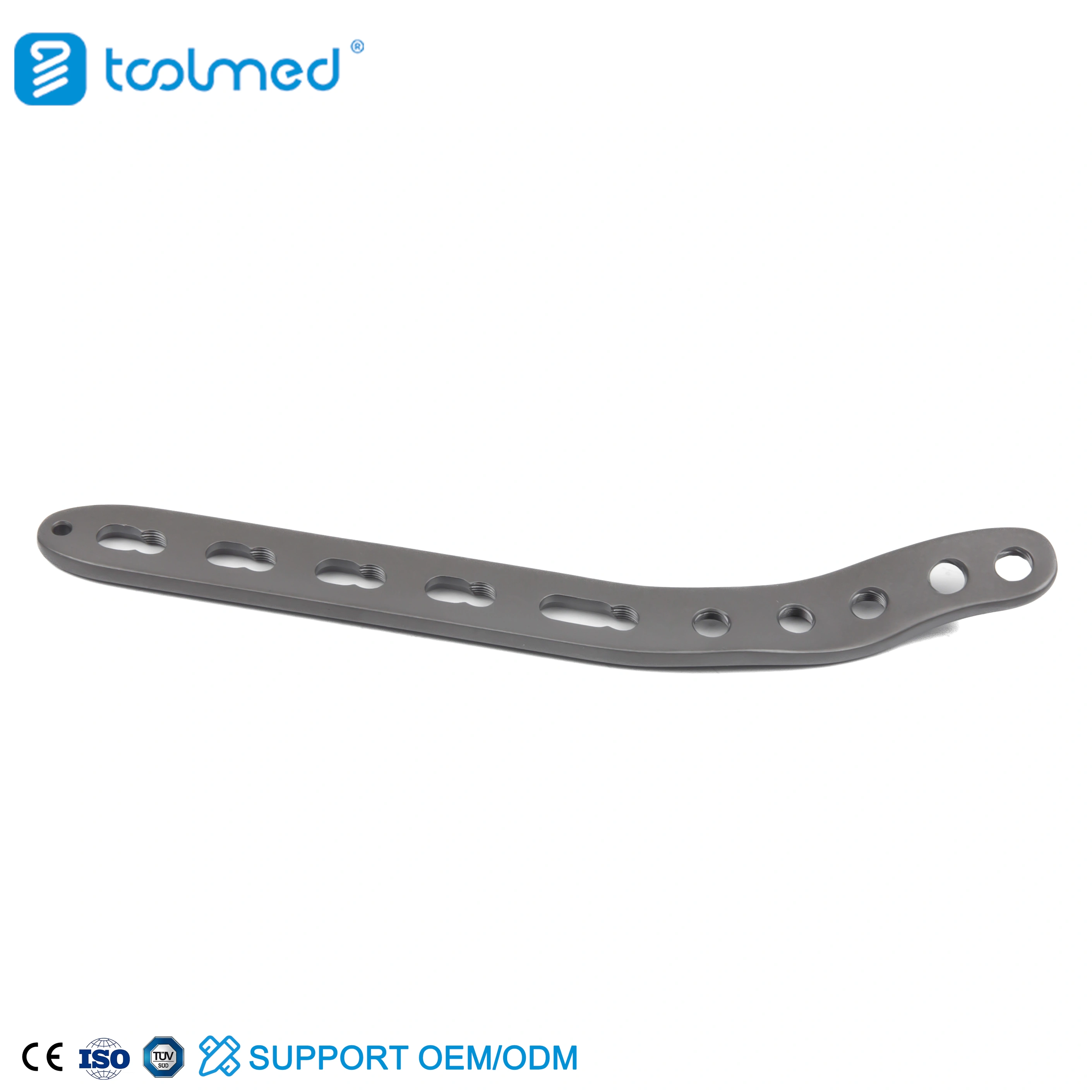
This is a specialized titanium plate used to fix breaks in the upper arm bone (humerus) that occur just above the elbow joint but do not break into the joint surface (extra-articular). These are often called supra-condylar fractures. The plate's job is to rigidly hold the main shaft of the bone to the small fragment above the elbow, restoring the arm's length and alignment while providing fixed-angle support to the fragile, flared bone end.
It is the treatment of choice for unstable supra-condylar fractures. Due to the high forces involved in this type of fracture and the risk of malunion, a rigid locking construct is necessary. Unlike plates for intra-articular fractures, this design focuses solely on securing the metaphyseal bone without interfering with the joint line.
The primary advantage is strong fixed-angle stability in the metaphysis. The flared end of the humerus often has poor bone quality, particularly in older patients. The locking screws bypass this issue, creating a stable buttress that resists the strong deforming forces of the triceps muscle, allowing for early, gentle elbow motion without loss of reduction.
Biomechanically, the plate acts as a bridging plate over the comminuted fracture zone. By locking the shaft to the distal fragment, the plate neutralizes all bending and torsional forces, preventing the bone from shortening or tilting (which would lead to loss of carrying angle and elbow stiffness).
The plate is typically applied via a posterior or lateral approach to the humerus. The surgeon meticulously reduces the fracture, ensuring the distal fragment is correctly aligned. The plate is then applied, and both cortical screws (for length/compression) and locking screws (for fixed stability) are inserted. Great care is taken to avoid injury to the ulnar nerve behind the elbow.
The rigid fixation achieved with the locking plate is designed to withstand early controlled motion. Rehabilitation focuses on immediately restoring the full range of elbow motion (flexion and extension) to prevent the debilitating stiffness that often follows distal humeral fractures.
The Distal Humeral Extra-articular Locking Plate provides the specialized fixed-angle rigidity necessary to manage challenging supra-condylar fractures. By ensuring anatomical alignment and stability above the joint, it maximizes the potential for early function and excellent long-term elbow outcomes.
Extra-articular fractures are above the joint line and do not involve the cartilage. Intra-articular fractures break into the joint surface, requiring complex fixation to restore the smooth cartilage surface (and usually need different plates).
The elbow is one of the joints most prone to developing severe, permanent stiffness (contracture) after injury or surgery. Rigid fixation allows doctors to start motion exercises much sooner, preventing this complication.
This plate is generally used alone for extra-articular fractures. Intra-articular fractures often require two plates (medial and lateral) for full support.
The Ulnar Nerve is highly susceptible to injury or irritation, as it runs directly behind the elbow joint. Surgeons must carefully isolate and protect this nerve during the entire procedure.
While the plate is pre-contoured, minor adjustments can be made by the surgeon. However, excessive bending is discouraged, as it can compromise the integrity of the locking screw threads.
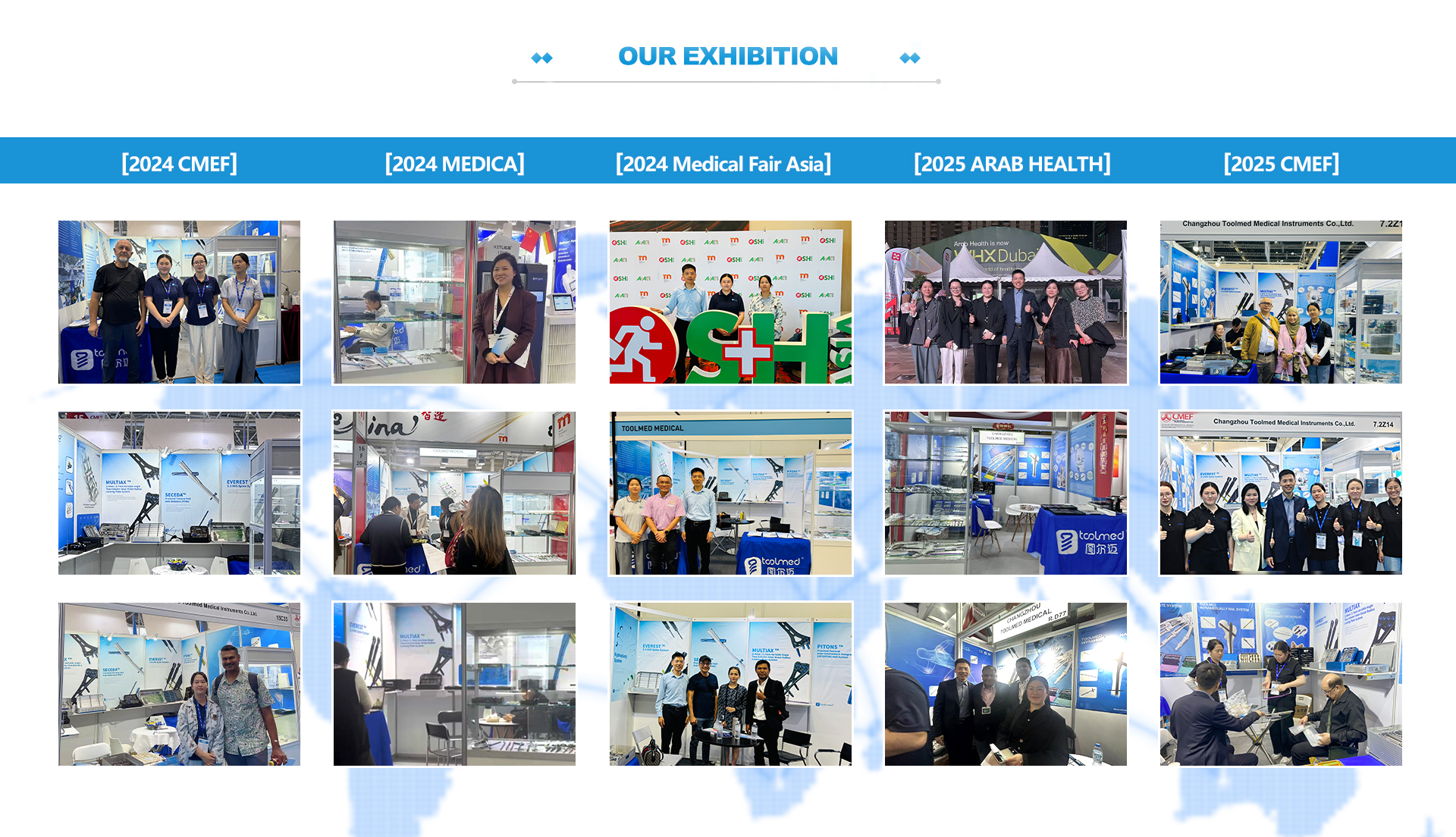
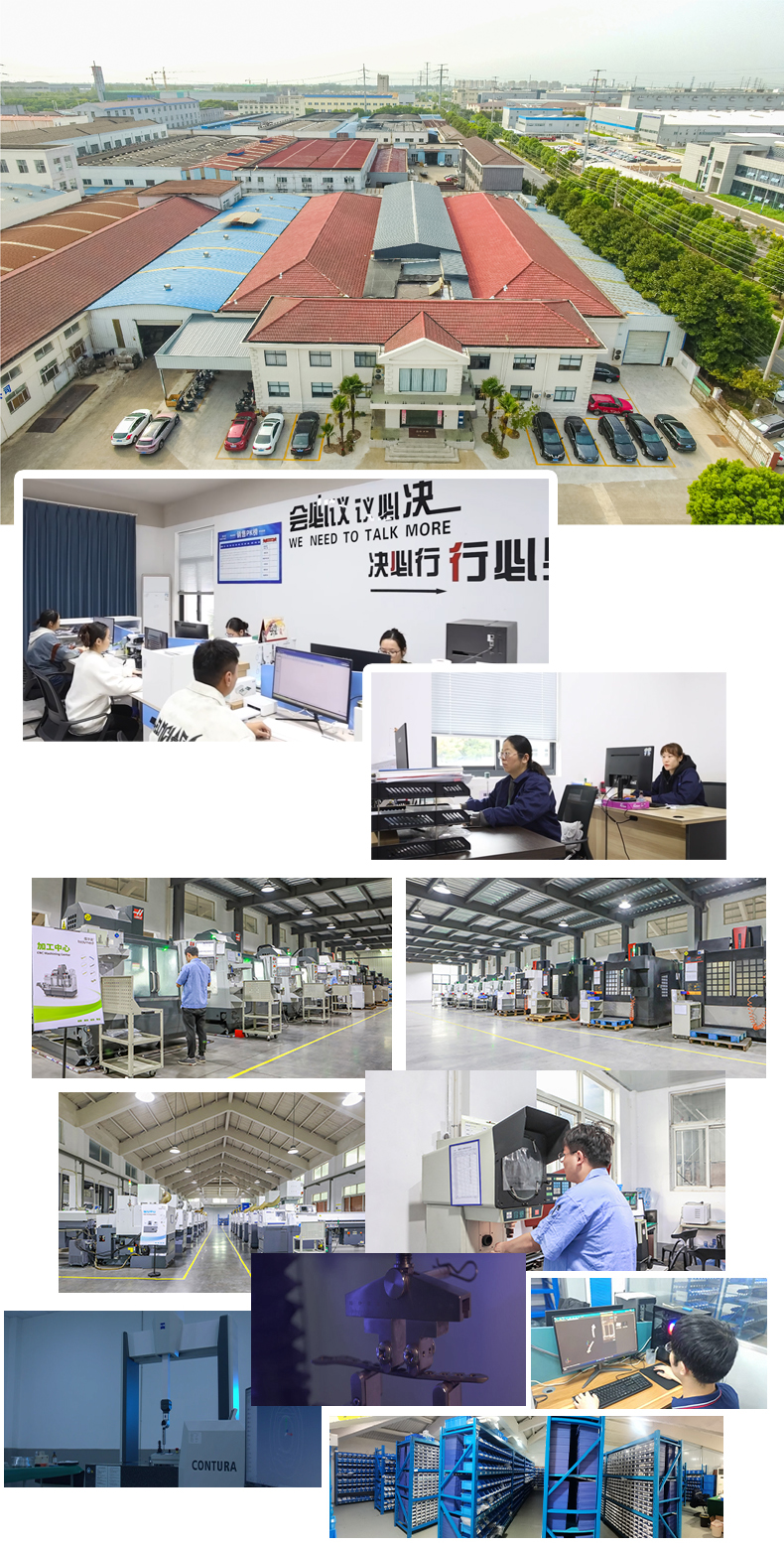
Our factory is equipped with over 60 advanced CNC machines operated by 100+ skilled technicians, a 300 m² GMP-compliant clean room, and a 10,000 m² production facility. We maintain a CNAS and ISO 17025 certified testing center, invest heavily in CNC turning technology, and utilize high-precision inspection systems including CMM, PP, and QV to ensure product quality and consistency.
We offer fast and reliable global shipping. Standard lead times range from 7 to 15 working days, depending on order quantity and customization requirements. Express delivery options are also available upon request.
Yes, we ship to most countries worldwide. We work with trusted logistics partners to ensure timely and secure delivery.
We accept a variety of payment options, including T/T (bank transfer), L/C, and PayPal for smaller orders. Payment terms can be discussed based on order volume and partnership agreements.
Yes, samples are available for evaluation. Please contact our sales team to request product samples and shipping arrangements.
Absolutely. We offer OEM/ODM services including custom packaging, branding, and product development tailored to your specifications.


