
 |
Arthroscopy System
TOOLMED
/
1 Pcs
5-15 Days
/
Product Description
Precision-sharpened tooth-to-tooth window designs allow for aggressive and efficient resection of both soft tissue and bone, reducing the need for multiple instrument changes.
The internal suction channel is optimized to prevent clogging, ensuring a clear field of view for the surgeon and minimizing the risk of intra-articular debris retention.
Utilizing heat-treated 630 stainless steel tips ensures the blade remains sharp even when encountering calcified tissue or bone, maintaining consistent performance from start to finish.
Ideal for rotator cuff debridement, subacromial decompression (bursectomy), and removal of inflamed synovium to improve visualization and access.
Used in deep-portal access for labral debridement, pincer lesion management, and femoroacetabular impingement (FAI) procedures.
Essential for meniscectomy, ACL graft site preparation, and debriding loose cartilage in the ankle or wrist using specialized small-diameter (2.0mm - 3.5mm) blades.


| Product Name | Shaver Blades |
| Material | / |
| Certificate | CE Certificate |
| Brand | TOOLMED |
| MOQ | 1 Pcs |
| OEM | Avaliable |
| Package | PE Inner Bag+Carton |
| Payment Method | T/T,Bank transfer, Western Union |
| Delivery Time | 5-15 Days |
| Shipping | DHL EMS UPS TNT FEDEX |


An arthroscopic shaver blade is a motorized surgical tool used to remove tissue during minimally invasive joint surgery. It consists of an inner tube that spins or oscillates inside an outer tube. As tissue is drawn into the window by suction, the rotating edge shears it off, and the debris is immediately vacuumed out through the center of the device.
These blades are used across all major orthopedic subspecialties, particularly in Sports Medicine. They are the primary tool for "cleaning up" a joint—removing shredded meniscus pieces, clearing out inflamed bursa in the shoulder, or preparing the bone surfaces for a ligament graft in the knee.
Compared to manual biters or punches, motorized shaver blades are significantly faster and more precise. They allow for "smooth" debridement, which leaves behind healthier tissue margins. Because they include integrated suction, they provide the surgeon with a "red-free" field of view by constantly removing blood and loose fragments.
The biomechanics of shaving involve the interaction between cutting speed (RPM) and suction force. To maximize the Resection Rate, the blade must capture tissue in the window before the inner tube completes its rotation. A tooth angle of 55° to 62° is optimized to reduce stress on the blade while maximizing the "bite" into soft tissue, ensuring clean cuts rather than tearing.
The surgeon introduces the blade through a standard arthroscopic portal. While viewing through the endoscope, the blade is brought into contact with the target tissue. The surgeon activates the motor—usually in Oscillation Mode for soft tissue—and applies gentle contact force. The suction draws the tissue into the "cutting window" for precise removal.
Since the shaver blade is used for debridement, postoperative care typically focuses on managing joint swelling and inflammation. Patients are advised to keep the small portal incisions dry for 48 hours. Depending on the extent of the shaving, early range-of-motion exercises are encouraged to prevent joint stiffness and promote healthy synovial fluid circulation.
The Arthroscopic Shaver Blade is an indispensable instrument that combines mechanical cutting with fluid management. By offering specialized tooth designs and high-precision manufacturing, TOOLMED ensures that surgeons can perform debridement with the highest levels of speed, safety, and accuracy.
TOOLMED Shaver Blades are primarily designed as Single-Use (Disposable) items. This guarantees maximum sharpness for every procedure and eliminates the risk of cross-contamination or cleaning difficulties inherent in complex "tube-within-a-tube" designs.
Smooth blades are ideal for trimming delicate cartilage or smoothing out edges. Serrated blades are more "aggressive" and are used for bulkier soft tissue removal, such as a synovectomy or removing thick bursa.
Standard shaver blades are for soft tissue. For bone removal (like an acromioplasty), a Shaver Burr (which has a solid, fluted head) is typically used. However, some "Bone Cutter" hybrid blades can handle light bony debridement.
We offer different hub configurations compatible with the major motorized handpiece systems used globally. Please specify your system (e.g., Arthrex, Smith & Nephew, Stryker) when ordering.
Oscillation (spinning back and forth) is generally more efficient for soft tissue because it prevents the tissue from wrapping around the blade, which can happen in high-speed forward rotation.
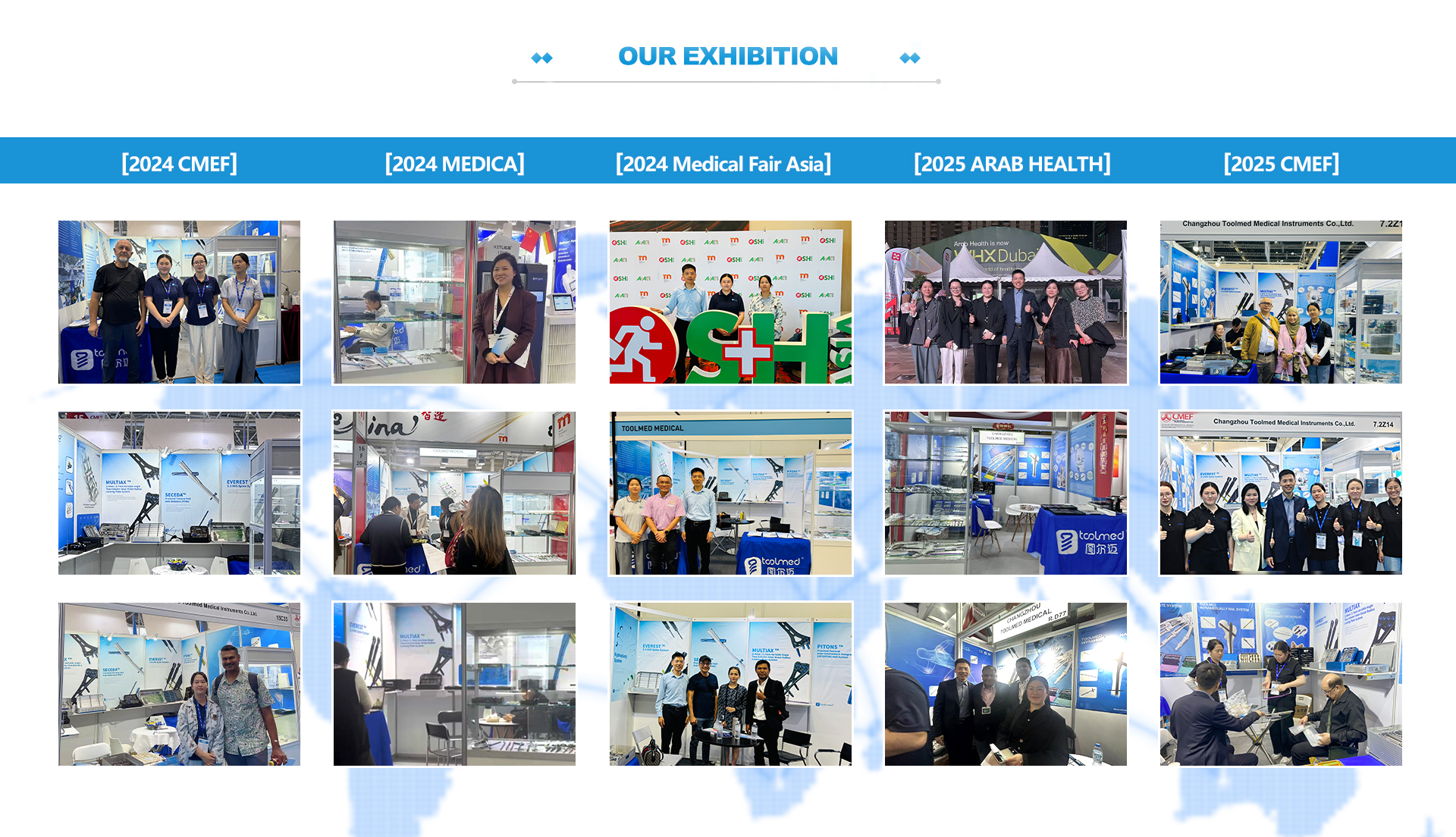
Our factory is equipped with over 60 advanced CNC machines operated by 100+ skilled technicians, a 300 m² GMP-compliant clean room, and a 10,000 m² production facility. We maintain a CNAS and ISO 17025 certified testing center, invest heavily in CNC turning technology, and utilize high-precision inspection systems including CMM, PP, and QV to ensure product quality and consistency.


We offer fast and reliable global shipping. Standard lead times range from 7 to 15 working days, depending on order quantity and customization requirements. Express delivery options are also available upon request.
Yes, we ship to most countries worldwide. We work with trusted logistics partners to ensure timely and secure delivery.
We accept a variety of payment options, including T/T (bank transfer), L/C, and PayPal for smaller orders. Payment terms can be discussed based on order volume and partnership agreements.
Yes, samples are available for evaluation. Please contact our sales team to request product samples and shipping arrangements.
Absolutely. We offer OEM/ODM services including custom packaging, branding, and product development tailored to your specifications.


