
 |
3303-0501
TOOLMED
TA3
1 Pcs
5-15 Days
/
Product Description
Specifically designed to buttress the bone fragments of the ulnar column, preventing collapse and ensuring the integrity of the critical DRUJ (Distal Radioulnar Joint) articulation.
Provides the flexibility to adjust the angle of the locking screws (up to $\pm 15^\circ$), allowing optimal engagement of small, displaced joint fragments on the medial side.
The plate is designed to be extremely thin and smooth, minimizing the risk of irritation, impingement, or rupture of the adjacent flexor tendons and the median nerve.
Distal holes are specifically oriented to provide a rigid scaffold of fixed-angle support directly beneath the articular surface, counteracting compressive forces.
Primary indication for fractures involving the medial aspect of the distal radius, particularly where stability of the DRUJ is compromised (e.g., Die-punch fragments).
Used in complex trauma (AO/OTA Type C) requiring dual plating (ventral and dorsal) or specialized volar buttressing of the medial corner.
Indicated for displaced volar shearing fractures, where the plate acts as a rigid buttress to hold the articular fragment against the ulna.
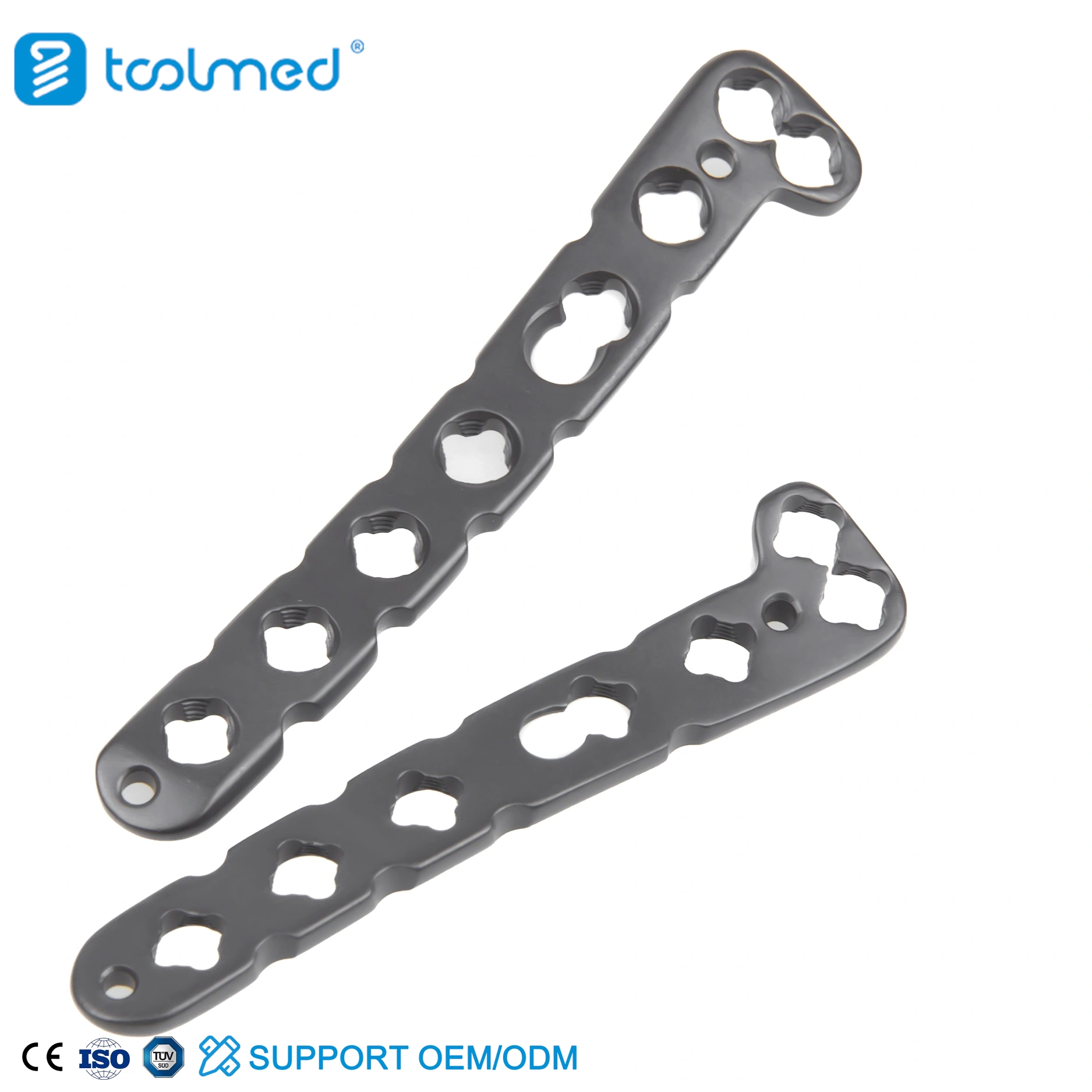
| Product Name | VA Distal Medial Radius Locking Plate |
| Material | TA3 |
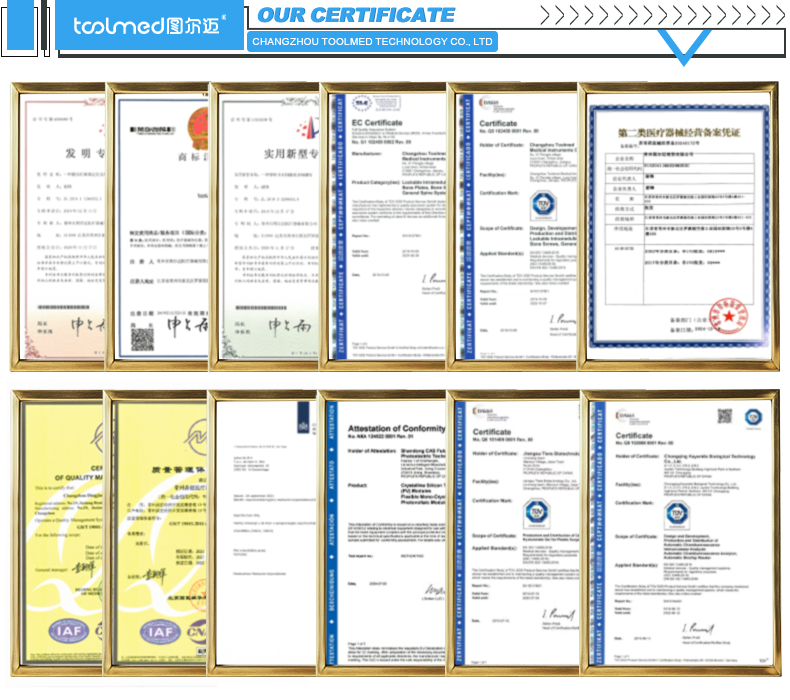
| Certificate | CE Certificate |
| Brand | TOOLMED |
| MOQ | 1 Pcs |
| OEM | Avaliable |
| Package | PE Inner Bag+Carton |
| Payment Method | T/T,Bank transfer, Western Union |
| Delivery Time | 5-15 Days |
| Shipping | DHL EMS UPS TNT FEDEX |

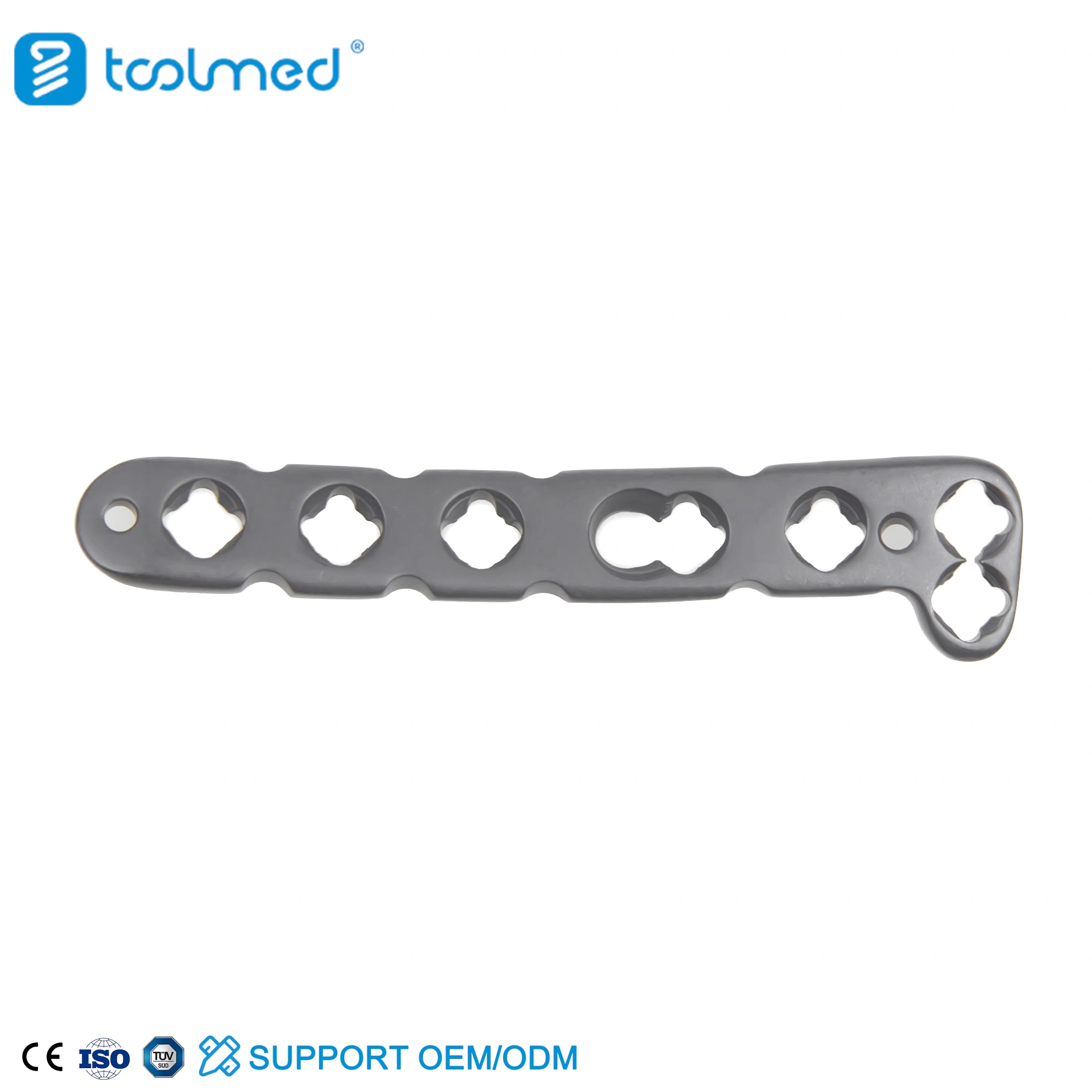
The VA Distal Medial Radius Locking Plate is a highly specialized titanium plate for the inner (ulnar) side of your wrist bone. It is installed on the front (volar) side of the radius. This plate is chosen when the fracture involves the crucial corner of the bone that connects to the smaller forearm bone (ulna), where standard plates might not provide enough support. The Variable Angle (VA) feature lets the surgeon customize the screw angles to precisely support this critical joint corner.
This plate is used for severe wrist fractures where the inner corner of the joint, often called the ulnar column, is unstable or fragmented. Failure to fix this corner can lead to chronic pain and instability when rotating the forearm, making this plate vital for restoring the full range of motion.
The main advantage is the precise support of the ulnar column. The combination of anatomical contouring for the volar surface and the VA locking ability means the surgeon can create a customized, rigid buttress precisely where the bone is most crushed. This minimizes the risk of the DRUJ collapsing, a complication that severely restricts forearm rotation.
Biomechanically, the plate acts as a volar buttress. When the wrist is loaded, the force is distributed across the joint. If the medial column is fractured, the joint collapses. This plate, with its fixed-angle, customized screw support, prevents the collapse, keeping the distance between the radius and ulna correct, which is essential for stable forearm rotation.
The plate is typically applied through the standard volar approach (Modified Henry approach). The surgeon aligns the fragments, then positions the plate medially to the watershed line to support the ulnar column. The VA guide is used to select optimal screw trajectories, often aiming across the joint fragments to maximize stabilization before the locking screws are fixed.
The high stability achieved by the VA locking system permits the early initiation of wrist and forearm rotational exercises. Preventing stiffness, especially loss of rotation (pronation/supination), is paramount for the long-term success of medial column fixation. Physical therapy focuses on regaining strength and mobility starting soon after the operation.
The VA Distal Medial Radius Locking Plate is a critical advancement for treating complex wrist trauma. By offering specialized Variable Angle fixation for the challenging medial column, it ensures anatomical restoration and stable support, paving the way for optimal joint function and accelerated patient recovery.
The ulnar column is the inner, or medial, supporting structure of the distal radius. It is where the radius articulates with the ulna (Distal Radioulnar Joint, DRUJ) and is vital for forearm rotation.
The volar (palm) side of the wrist contains the median nerve and all the flexor tendons. A low-profile plate is essential to prevent the implant from rubbing against these sensitive structures, which can cause pain, irritation, or tendon rupture.
Yes. For extremely comminuted fractures, the surgeon may use both a VA Distal Medial Plate and a VA Distal Lateral Plate to create a strong, dual-buttress fixation for the entire distal radius.
The medial column fragments are often small and difficult to reach. The VA feature allows the surgeon to angle the screws around critical structures and into the densest remaining bone, achieving a strong hold that a fixed-angle plate could miss.
Like most trauma implants, it is designed to be permanent. Removal is generally only required if the patient experiences pain or tendon irritation related to the hardware.
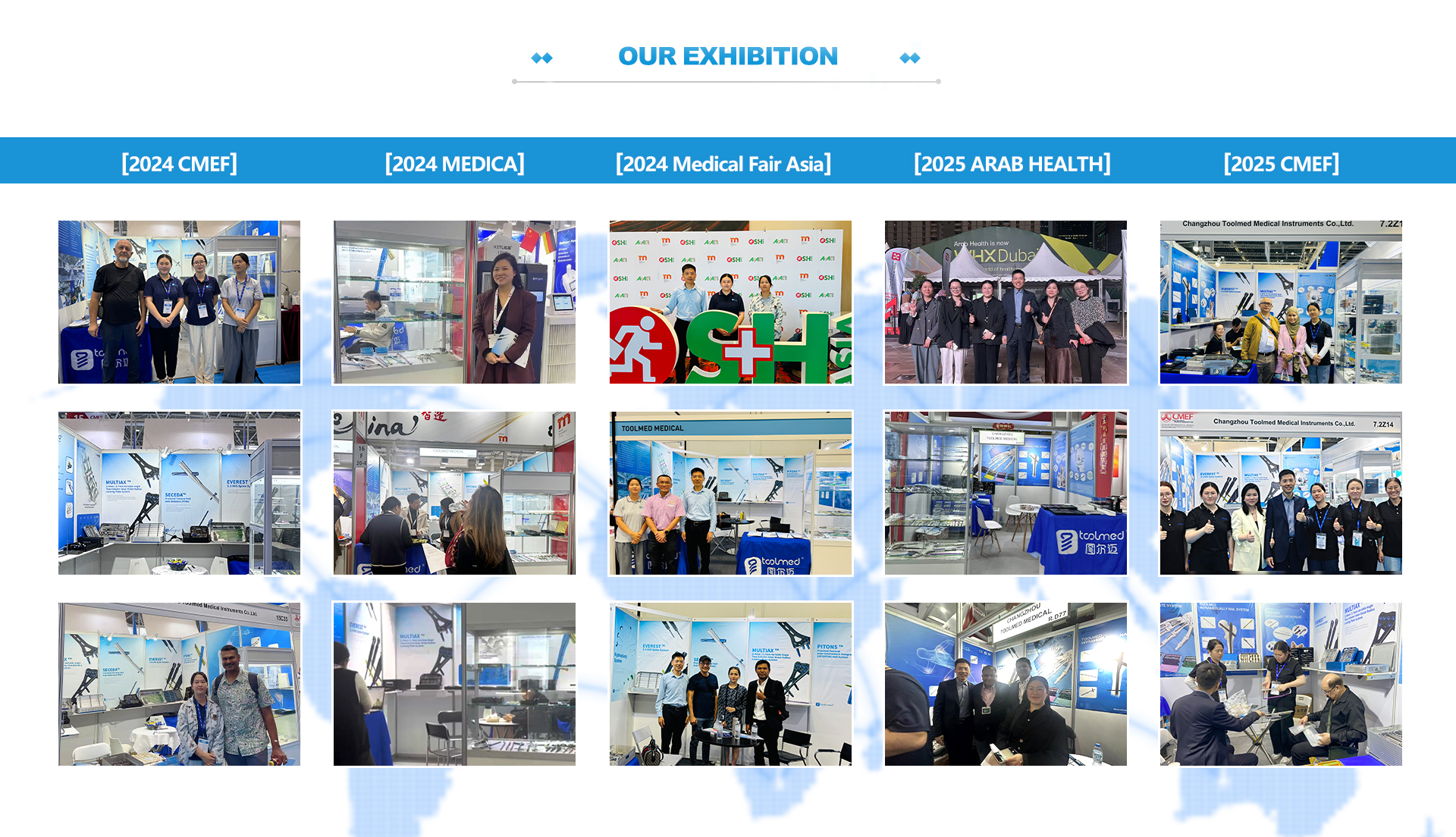
Our factory is equipped with over 60 advanced CNC machines operated by 100+ skilled technicians, a 300 m² GMP-compliant clean room, and a 10,000 m² production facility. We maintain a CNAS and ISO 17025 certified testing center, invest heavily in CNC turning technology, and utilize high-precision inspection systems including CMM, PP, and QV to ensure product quality and consistency.
We offer fast and reliable global shipping. Standard lead times range from 7 to 15 working days, depending on order quantity and customization requirements. Express delivery options are also available upon request.
Yes, we ship to most countries worldwide. We work with trusted logistics partners to ensure timely and secure delivery.
We accept a variety of payment options, including T/T (bank transfer), L/C, and PayPal for smaller orders. Payment terms can be discussed based on order volume and partnership agreements.
Yes, samples are available for evaluation. Please contact our sales team to request product samples and shipping arrangements.
Absolutely. We offer OEM/ODM services including custom packaging, branding, and product development tailored to your specifications.


