
 |
The TOOLMED Reconstruction Compression Plate (Titanium) is an essential orthopedic implant engineered for the stabilization of fractures in anatomically complex regions. This plate is distinguished by its unique notched design between screw holes, which allows it to be bent, twisted, and contoured in three dimensions to match the specific curvature of bones such as the clavicle, pelvis, or distal humerus. Manufactured from medical-grade Ti-6Al-4V Titanium alloy, it provides an optimal combination of high fatigue strength and the malleability required for intraoperative shaping. The plate incorporates dynamic compression holes that allow surgeons to achieve interfragmentary compression, promoting primary bone healing. Its low-profile design and rounded edges minimize soft tissue irritation, making it ideal for subcutaneous applications. Whether treating comminuted fractures or performing complex reconstructive osteotomies, the TOOLMED Reconstruction Compression Plate offers the flexibility and mechanical reliability necessary to restore anatomical alignment and stability.
1.5/2.0/2.4/2.7/3.5mm
TOOLMED
TA3
1 Pcs
5-15 Days
/
Product Description
The deep notches between holes allow the plate to be contoured in multiple planes—bending, twisting, and side-bending—to fit the most irregular anatomical profiles.
Engineered with elongated holes that allow for eccentric screw placement, facilitating active compression across the fracture line to accelerate bone union.
Offers high biocompatibility and a modulus of elasticity closer to bone, reducing the risk of stress shielding and improving long-term implant integration.
Features a slim thickness and highly polished, rounded edges to protect overlying soft tissues and minimize the risk of hardware prominence.
The primary choice for clavicular fixation. The plate can be twisted into an "S-shape" to perfectly match the bone's natural curvature while providing stable compression.
Indicated for stabilizing the pelvic ring and acetabular walls, where the implant must follow the complex 3D geometry of the pelvic anatomy to restore joint congruency.
Utilized in comminuted fibular fractures where a low-profile plate is needed to wrap around the lateral malleolus without causing skin breakdown or irritation.
Used in maxillofacial surgery for bridging large defects or stabilizing multi-fragmentary fractures that require extensive multi-planar plate shaping.

| Product | REF | Specification | T/W/L(mm) | Matched Parts |
| 1.5 Reconstruction Compression plate | 030211292021 | 20 hole | 1.3/4/100 | 1.5 Drill guide |
| 2.0 Reconstruction Compression plate | 030211302021 | 20 hole | 1.5/5/100 | 2.0 cone guide |
| 2.4 Reconstruction Compression plate | 030211312521 | 25 hole | 1.8/6.5/162.5 | 2.4 cone guide |
| 2.7 Reconstruction Compression plate | 030211322021 | 20 hole | 2.5/8/160 | 2.7 cone guide |
| 3.5 Reconstruction Compression plate | 030211331221 | 12 hole | 3/10/145 | 3.5 cone guide |


The Reconstruction Compression Plate (Titanium) is a specialized orthopedic implant designed for fractures and reconstructive surgeries where standard straight plates cannot accommodate the bone's shape. Its defining characteristic is the series of deep notches located between each screw hole, which reduces the stiffness of the plate in specific directions, allowing it to be contoured extensively in three dimensions. Manufactured from high-strength Titanium alloy, this plate functions as a dynamic compression device. When screws are placed eccentrically in the holes, they shift the bone fragments toward each other as they are tightened, creating the interfragmentary compression necessary for stable, primary bone union in complex anatomical regions.
This plate is widely applied in trauma surgeries involving "curved" bones where anatomical restoration is critical for function. It is most commonly used for midshaft clavicle fractures, fractures of the pelvic ring and acetabulum, and comminuted distal humerus or fibula fractures. Beyond acute trauma, it is a vital tool in reconstructive procedures, such as corrective osteotomies for mal-unions or the stabilization of bone grafts following tumor resection. The ability to "side-bend" the plate makes it uniquely suited for the pelvic rim, where the implant must bridge the gap between the ilium and the pubic symphysis while following the internal pelvic curvature.
The primary advantage of the TOOLMED Reconstruction Compression Plate is its exceptional intraoperative flexibility. Unlike traditional plates that are difficult to shape without distorting the screw holes, this notched design ensures the holes remain functional even after significant contouring. The use of Titanium Ti-6Al-4V provides a major benefit over stainless steel by offering better biocompatibility, lighter weight, and a modulus of elasticity that minimizes bone resorption. Additionally, the low-profile design is particularly advantageous in areas with minimal muscle coverage, reducing the incidence of post-operative pain caused by hardware prominence and decreasing the need for secondary implant removal.
Biomechanically, the reconstruction plate acts as a tension-band or neutralization construct. By contouring the plate to the bone's surface, the implant shares the physiological load with the bone, preventing the fracture from displacing under tension or torsion. The compression holes utilize a "ramp" principle; as the screw head descends into the hole, it exerts a horizontal force that pulls the bone segments together. This compression significantly increases the stability of the construct and reduces the strain on the screws. However, because the plate is more malleable than a standard DCP, it is essential that the surgeon achieves excellent bone contact to maximize the mechanical integrity of the reconstruction.
The surgical technique involves initial fracture reduction followed by the use of a flexible aluminum template to determine the required plate shape. Using specialized reconstruction bending irons or pliers, the Titanium plate is contoured to match the template. The plate is then applied to the bone, and screws are inserted. For compression, screws are placed in the "load" position of the hole; for simple neutralization, they are placed in the center. In pelvic surgery, specific "out-of-plane" bending is often required, and the surgeon must ensure the plate sits flush against the cortical bone to avoid soft tissue impingement. Proper screw length and position are verified using intraoperative fluoroscopy.
Postoperative care includes protected weight-bearing and early mobilization to prevent joint stiffness, especially in pelvic and elbow reconstructions. For the maintenance of the surgical set, all bending instruments and templates must be cleaned and sterilized after every use. Titanium plates must be handled with care; excessive "re-bending" or creating sharp kinks in the plate can lead to work-hardening and premature fatigue failure. The plate is a single-use device and must never be recycled. All components should be sterilized using a standard steam autoclave at 134°C. Regular follow-up radiographs are required to monitor for bone healing and to ensure the contoured plate maintains the corrected alignment.
The TOOLMED Reconstruction Compression Plate (Titanium) provides the perfect synergy of malleability and mechanical stability. Its 3D contouring capability and Titanium biocompatibility make it an indispensable tool for surgeons performing complex anatomical reconstructions and treating challenging fractures in irregular bone structures.
Yes, the notched design is specifically intended for this purpose. It allows for "side-bending," which is necessary to follow the natural S-curve of the clavicle while maintaining the integrity of the screw holes.
The elongated holes allow for approximately 1.0mm to 2.0mm of horizontal travel per screw, providing significant interfragmentary compression when used with a proper eccentric drilling technique.
We highly recommend using an aluminum template. This prevents "over-bending" and "re-bending" of the Titanium plate, which helps preserve the material's fatigue strength and ensures a more accurate anatomical fit.
This specific compression reconstruction plate is designed for use with standard cortical screws. If your case requires fixed-angle locking, we recommend using our "Head Locking" version of the reconstruction plate.
Pelvic surgery often requires long-term implantation. Titanium is superior because it is more biocompatible, creates fewer artifacts on follow-up MRI/CT scans, and its lower stiffness helps prevent bone resorption around the screws.
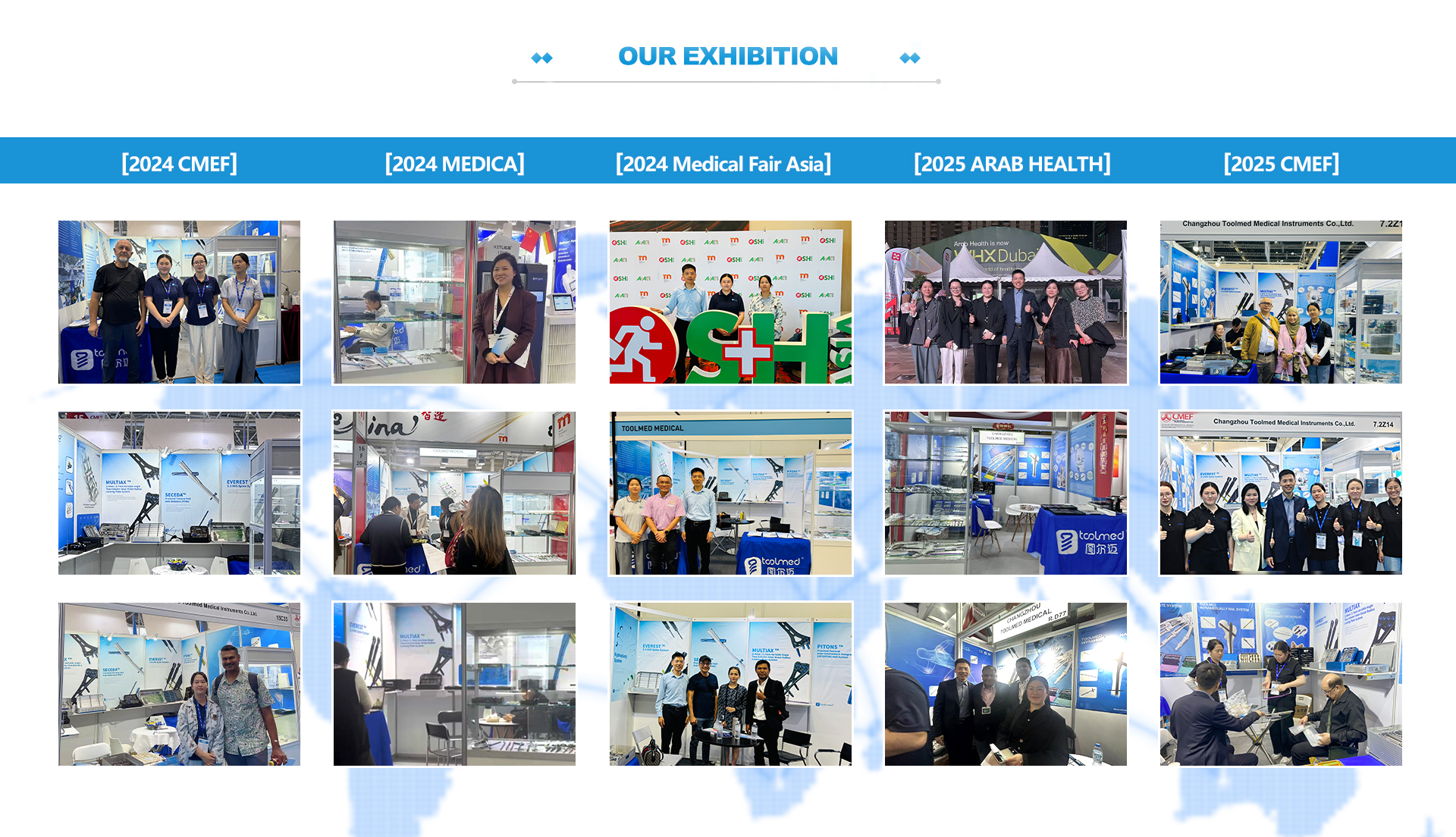
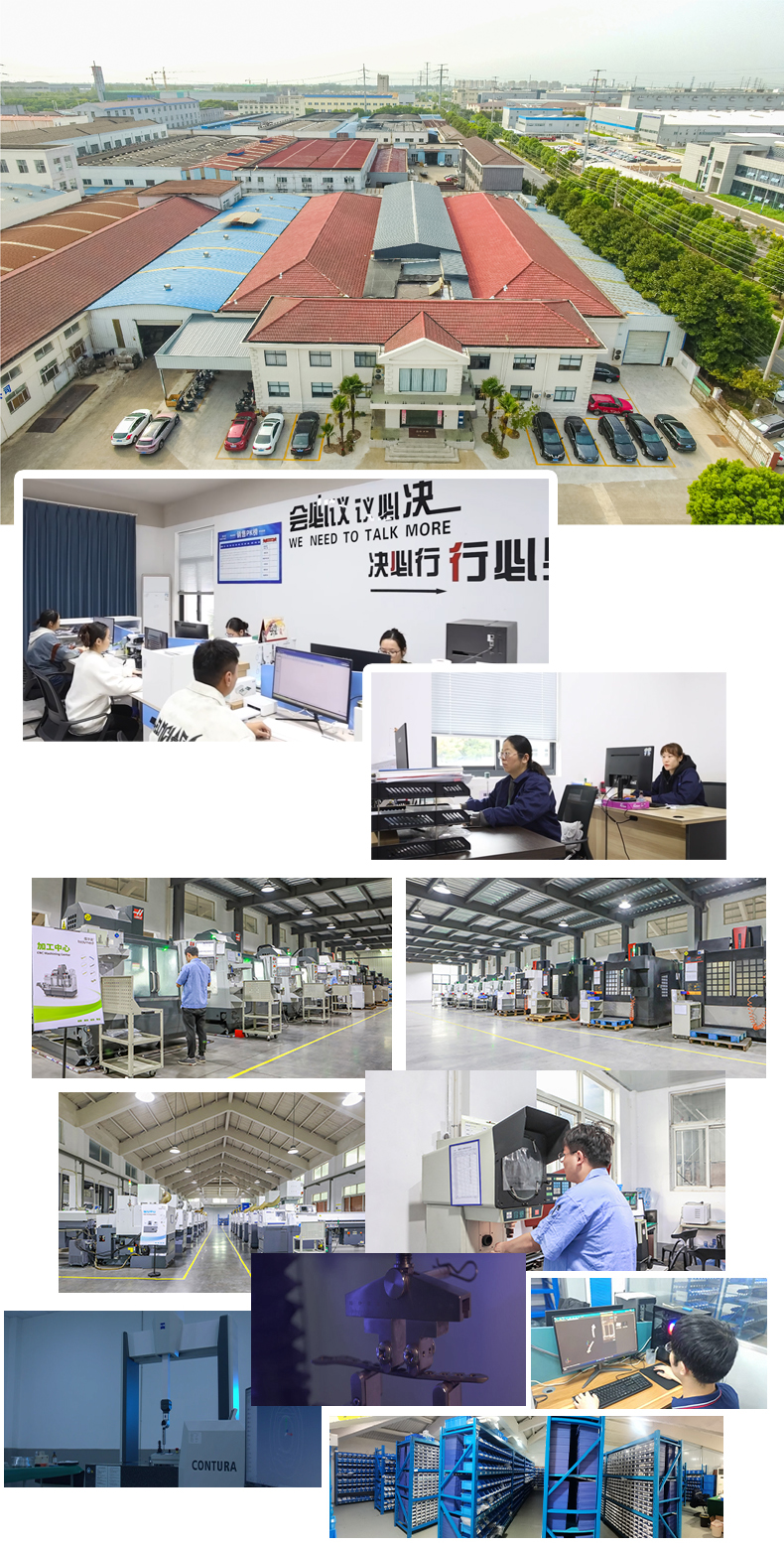
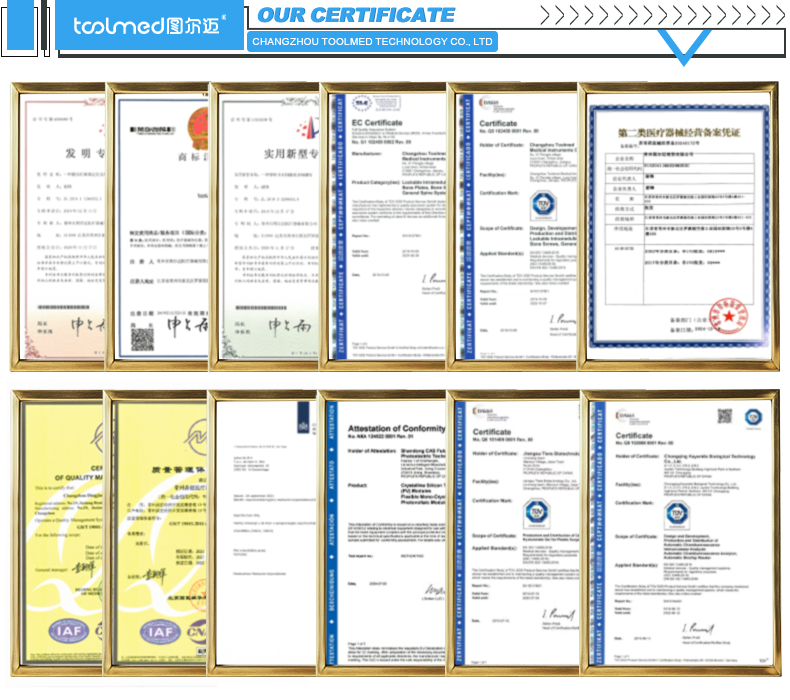
Our factory is equipped with over 60 advanced CNC machines operated by 100+ skilled technicians, a 300 m² GMP-compliant clean room, and a 10,000 m² production facility. We maintain a CNAS and ISO 17025 certified testing center, invest heavily in CNC turning technology, and utilize high-precision inspection systems including CMM, PP, and QV to ensure product quality and consistency.
We offer fast and reliable global shipping. Standard lead times range from 7 to 15 working days, depending on order quantity and customization requirements. Express delivery options are also available upon request.
Yes, we ship to most countries worldwide. We work with trusted logistics partners to ensure timely and secure delivery.
We accept a variety of payment options, including T/T (bank transfer), L/C, and PayPal for smaller orders. Payment terms can be discussed based on order volume and partnership agreements.
Yes, samples are available for evaluation. Please contact our sales team to request product samples and shipping arrangements.
Absolutely. We offer OEM/ODM services including custom packaging, branding, and product development tailored to your specifications.


