
 |
The TOOLMED Arthrodesis of Tarsal Joint Locking Plate (L Type) is a specialized Titanium implant engineered for the permanent fusion of the complex joints within the foot. The unique "L" geometry is specifically designed to provide multi-directional stability, allowing surgeons to secure bone fragments across perpendicular joint planes, such as those found in the calcaneocuboid or talonavicular junctions. Manufactured from medical-grade Ti-6Al-4V Titanium alloy, this plate offers the high fatigue strength required to withstand the significant weight-bearing forces of the hindfoot while maintaining a low profile to minimize soft tissue irritation. The system utilizes fixed-angle locking technology, creating a rigid internal fixator construct that ensures bone-to-bone contact is maintained throughout the fusion process. Whether treating end-stage osteoarthritis, severe flatfoot deformities, or post-traumatic instability, the TOOLMED L-Type Tarsal Arthrodesis Plate provides the mechanical reliability and biological compatibility necessary for successful foot reconstruction.
Veterinary Orthopedic
TOOLMED
TA3
1 Pcs
5-15 Days
/
Product Description
The L-configuration allows for screw placement in two different planes, providing superior resistance against rotational and shear forces in the midfoot bones.
Threaded locking holes ensure that the screws remain securely anchored in the plate, preventing screw back-out and maintaining the fusion alignment during early weight-bearing phases.
The 1.5mm to 2.0mm thickness minimizes the palpable presence of the implant under the thin skin of the foot, reducing the risk of wound complications or shoe-wear irritation.
The plate is designed to follow the natural curvature of the tarsal bones, significantly reducing the need for intraoperative bending and preserving the structural strength of the Titanium alloy.
Specifically designed for triple arthrodesis or isolated fusion of the hindfoot joints. The L-type configuration spans perpendicular joint lines, providing the angular stability required to prevent pseudoarthrosis at the mid-tarsal level.
Indicated for severe Lisfranc ligamentous injuries or tarsometatarsal fracture-dislocations. The L-head captures the base of the first or second metatarsal, resisting rotational forces and restoring the longitudinal and transverse arches.
Acts as an internal scaffold for the diabetic foot where bone quality is compromised. The locking mechanism provides rigid fixation even in osteopenic bone, preventing midfoot collapse and recurrent deformity.
Utilized in the correction of progressive collapsing foot deformity (flatfoot) or pes cavus. The plate maintains the alignment of the medial column following lengthening or cotton osteotomies, ensuring stability during weight-bearing.
| Product | REF | Specification | T/W/L(mm) | Matched Parts |
| Arthrodesis Of tarsal Joint Locking Plate(L Type) | 030211220011 | 2.0-2.4/2.7 Left | 3*11*146 | 2.0/2.4/2.7cone guide |
| 030211220021 | 2.0-2.4/2.7 Right | 3*11*146 | 2.0/2.4/2.7cone guide | |
| 030212614702 | 2.7-2.4/2.7 Left | 2.2*8*98 | 2.4/2.7cone guide | |
| 030212614712 | 2.7-2.4/2.7 Right | 2.2*8*98 | 2.4/2.7cone guide | |
| 030211230011 | 2.0/2.7 Large Left | 2.2*8*98 | 2.0/2.7cone guide | |
| 030211230021 | 2.0/2.7 Large Right | 2.2*8*98 | 2.0/2.7cone guide | |
| 030211240011 | 2.0/2.7 Small Left | 2.2*6.5*68.4 | 2.0/2.7cone guide | |
| 030211240021 | 2.0/2.7 Small Right | 2.2*6.5*68.4 | 2.0/2.7cone guide |

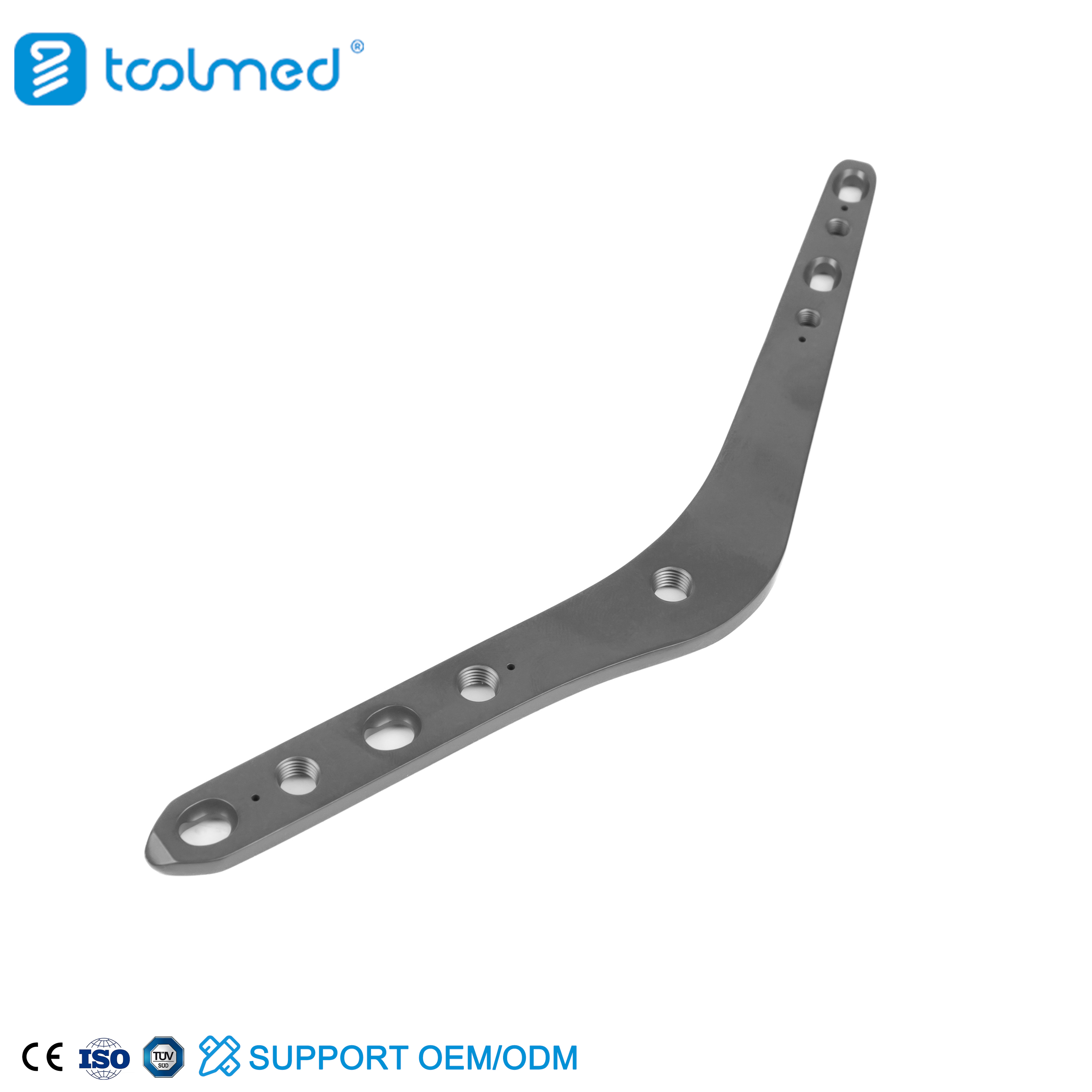
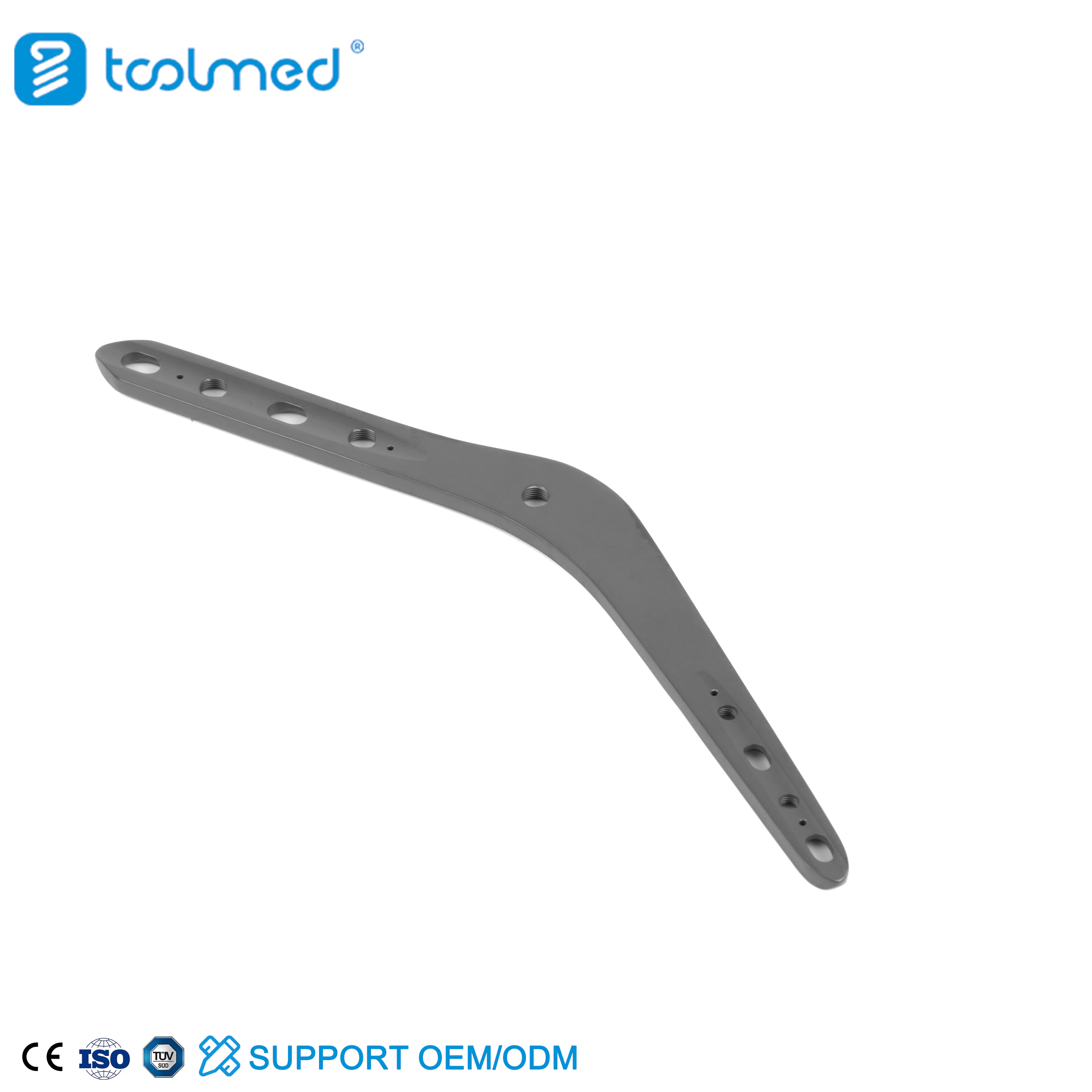
The Arthrodesis of Tarsal Joint Locking Plate (L Type) is a specialized orthopedic reconstruction implant designed for the permanent fusion of joints in the midfoot and hindfoot. The "L Type" designation describes its 90-degree anatomical head configuration, which allows for screw fixation across two planes of a joint. Manufactured from high-strength medical Titanium alloy, the plate incorporates threaded locking holes that convert the implant into a rigid internal fixator. This technology is critical in foot surgery because it maintains a stable fusion environment even when the bone is subjected to the complex multi-axial forces of standing and walking, ensuring a successful bony union where non-locking plates might fail.
This system is primarily used for the surgical treatment of end-stage tarsal arthritis, where joint motion has become extremely painful or the foot has developed a severe deformity. Its most frequent applications include talonavicular fusion, calcaneocuboid fusion (part of a Triple Arthrodesis), and midfoot fusions for the correction of flatfoot or high-arch (cavus) deformities. It is also an essential tool for stabilizing the foot in cases of Charcot neuroarthropathy, where bone density is often compromised and rigid, multi-planar locking fixation is required to prevent the total collapse of the foot's arch.
The primary advantage of the TOOLMED L-Type Tarsal Plate is its specialized geometry, which allows for stable "cross-joint" fixation that a straight plate cannot provide. By anchoring screws into two different axes, the plate effectively resists rotational instability. The Titanium (Ti-6Al-4V) construction provides a modulus of elasticity closer to bone than stainless steel, reducing the risk of "stress shielding" and post-operative bone resorption. Furthermore, the low-profile design is a major benefit in the foot, where there is very little soft tissue covering the bone, as it minimizes skin irritation and the need for future implant removal.
Biomechanically, the L-Type plate acts as a tension-band construct that bridges the joint space. During the stance phase of walking, the plate resists the tensile forces on the dorsal aspect of the foot, converting them into compressive forces at the joint interface. This compression is the biological trigger for bone cells to bridge the gap and create a solid fusion. The fixed-angle locking screws prevent "toggling," which is critical in the tarsal bones where the small size of the bone fragments makes standard screw purchase unreliable. This mechanical rigidity allows for a more predictable healing process in high-stress areas.
The surgical procedure begins with the exposure of the target tarsal joint and the complete removal of the articular cartilage. The bone surfaces are prepared (fenestrated) to encourage blood flow, and bone graft is often inserted. The L-Type plate is positioned so that the head captures the distal bone and the shaft captures the proximal bone. A threaded drill guide is used for the locking holes to ensure the screws are perfectly aligned with the plate's threads. The surgeon typically places a non-locking compression screw first to pull the joint surfaces together, followed by locking screws to finalize the fixed-angle stability. Proper placement is confirmed via intraoperative X-ray.
Postoperative care involves a period of non-weight-bearing in a cast or boot for 6-12 weeks to allow the fusion mass to mature. For the surgical team, the maintenance of the Tarsal Arthrodesis set is vital. All threaded drill guides and depth gauges must be cleaned of bone debris using enzymatic cleaners and ultrasonic baths to prevent cross-contamination. Titanium plates are single-use only; they must never be re-bent or used in a second patient once implanted. The entire instrument tray should be sterilized using a standard steam autoclave at 134°C. Screwdriver tips should be checked regularly for wear to prevent stripping of the Titanium screw heads.
The TOOLMED Arthrodesis of Tarsal Joint Locking Plate (L Type) offers a high-performance solution for complex foot reconstruction. Its combination of anatomical L-geometry, Titanium biocompatibility, and fixed-angle locking technology ensures that surgeons can achieve stable, permanent, and functional fusions in the most demanding tarsal joint surgeries.
Yes, the L-Type plate is excellent for stabilizing Lisfranc joint complexes, especially when a fusion is required due to severe ligamentous instability or chronic pain.
The L-shape provides a wider base of support and allows screws to be placed in a divergent pattern, which provides much better resistance to the twisting forces inherent in the midfoot.
Arthrodesis is designed to stop motion in a specific, painful joint. While that specific joint will no longer move, the overall function and comfort of the foot usually improve significantly once the pain is eliminated.
Yes, because it is made from high-grade Titanium (Ti-6Al-4V), it is non-magnetic and safe for MRI scans, producing significantly fewer artifacts than traditional stainless steel implants.
Yes, to ensure the locking screws thread correctly into the plate, the use of the TOOLMED threaded drill guide is mandatory for all locking holes in the head and shaft.
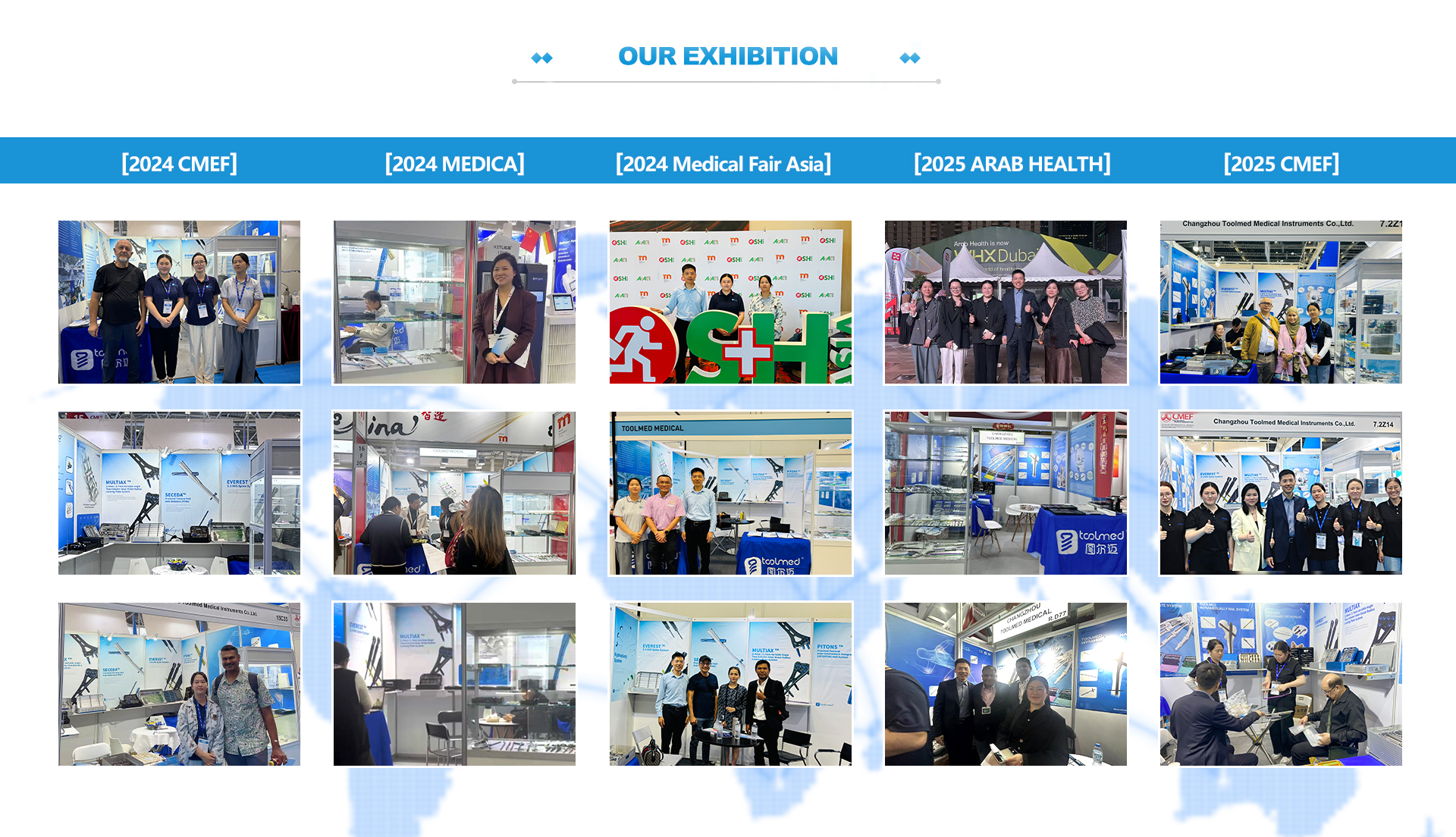
Our factory is equipped with over 60 advanced CNC machines operated by 100+ skilled technicians, a 300 m² GMP-compliant clean room, and a 10,000 m² production facility. We maintain a CNAS and ISO 17025 certified testing center, invest heavily in CNC turning technology, and utilize high-precision inspection systems including CMM, PP, and QV to ensure product quality and consistency.
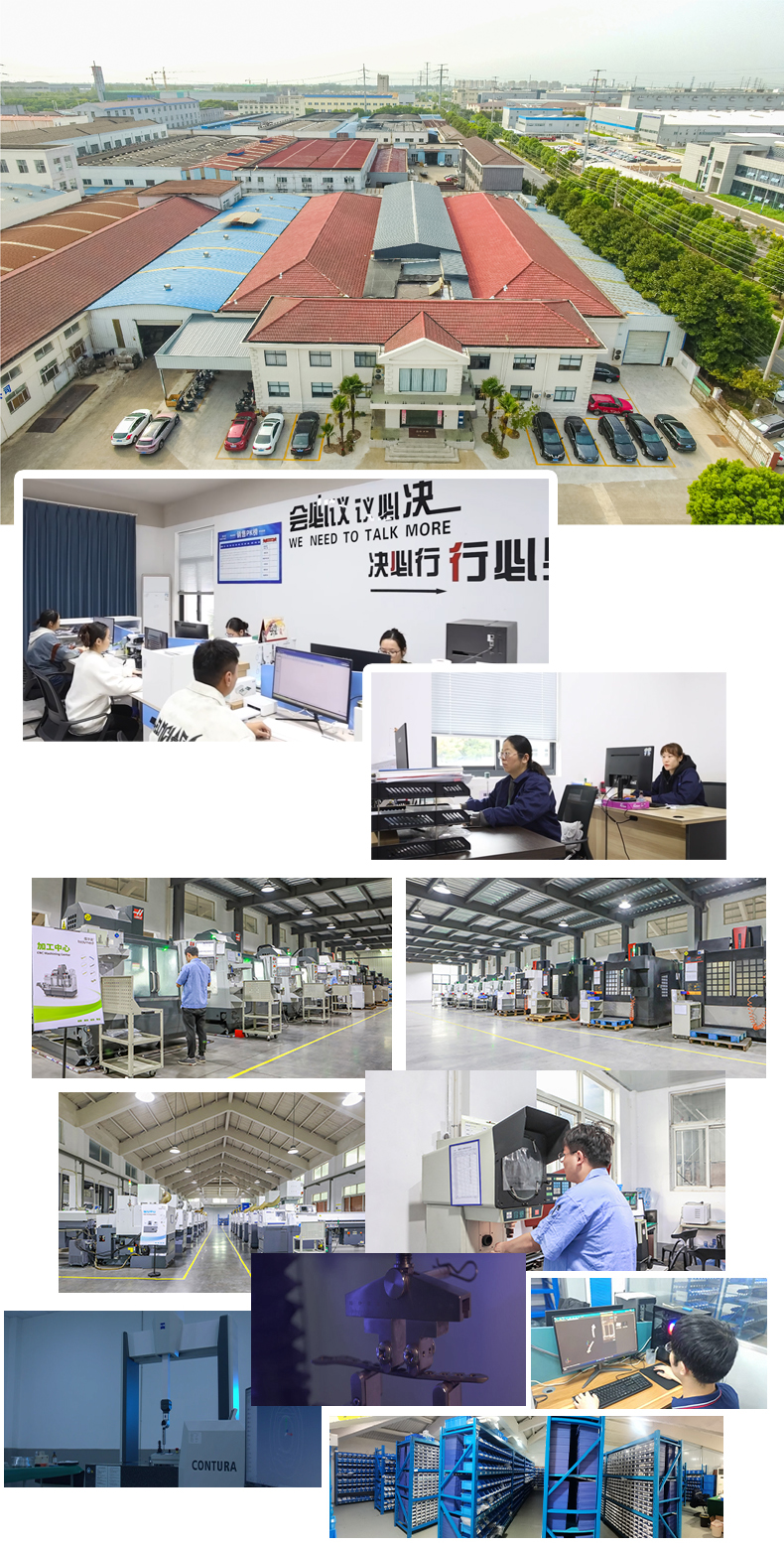
We offer fast and reliable global shipping. Standard lead times range from 7 to 15 working days, depending on order quantity and customization requirements. Express delivery options are also available upon request.
Yes, we ship to most countries worldwide. We work with trusted logistics partners to ensure timely and secure delivery.
We accept a variety of payment options, including T/T (bank transfer), L/C, and PayPal for smaller orders. Payment terms can be discussed based on order volume and partnership agreements.
Yes, samples are available for evaluation. Please contact our sales team to request product samples and shipping arrangements.
Absolutely. We offer OEM/ODM services including custom packaging, branding, and product development tailored to your specifications.


