
 |
The TOOLMED Acetabular Compression Plate (Titanium) is a precision-engineered implant designed specifically for the complex biomechanical demands of pelvic surgery. Fractures of the acetabulum require anatomical reduction to restore the smooth articular surface of the hip joint and prevent secondary osteoarthritis. This plate is manufactured from high-strength medical-grade Ti-6Al-4V Titanium alloy, providing the necessary rigidity to maintain the alignment of the anterior and posterior pelvic columns while remaining malleable enough for anatomical contouring. Featuring a series of dynamic compression holes, the plate allows surgeons to apply active interfragmentary compression, effectively "closing" the fracture gaps in the deep pelvic vault. Its low-profile design is essential for minimizing interference with the delicate neurovascular structures and musculature surrounding the hip joint. The TOOLMED Acetabular Compression Plate is the professional choice for surgeons performing ORIF (Open Reduction Internal Fixation) of the pelvis, offering superior biocompatibility and mechanical reliability for life-changing reconstructive procedures.
Veterinary Orthopedic
TOOLMED
TA3
1 Pcs
5-15 Days
/
Product Description
The plate is designed with specific metallurgical properties that allow it to be shaped to the unique 3D curvature of the acetabular rim and iliac wing.
The elongated hole design facilitates eccentric screw placement, generating powerful compressive forces to bridge articular gaps and ensure primary bone union.
Utilizes Ti-6Al-4V for maximum biocompatibility, high fatigue resistance, and reduced MRI signal interference compared to traditional stainless steel implants.
The ultra-low profile and rounded edges protect the gluteal vessels and sciatic nerve, reducing the risk of post-operative soft tissue complications.
The primary indication for stabilizing fractures of the posterior acetabular column. The plate provides the rigid support needed to prevent hip joint subluxation following high-energy trauma.
Used to bridge fractures of the anterior column, extending from the iliac crest to the pubic symphysis, ensuring the anatomical restoration of the pelvic ring.
Indicated for transverse fracture patterns where the plate acts as a tension-band construct, compressing the superior and inferior segments to restore articular congruency.
Applied in revision cases to stabilize bone grafts and realign the acetabulum in patients who have failed primary conservative treatment or prior surgeries.

| Product | REF | Specification | T/W/L(mm) | Matched Parts |
| 1.5mm Acetabular Compression Plate | 030211080421 | 4 hole | 19*4.4*1.2 | 1.5 Ti Cortex Screw |
| 2.0mm Acetabular Compression Plate | 030211084621 | 4 hole | 27*5*1.2 | 2.0 Ti Cortex Screw |
| 2.4mm Acetabular Compression Plate | 030211085421 | 6 hole | 33.4*6.5*1.5 | 2.4 Ti Cortex Screw |
| 2.7mm Acetabular Compression Plate | 030211085621 | 6 hole | 40*7*2 | 2.7 Ti Cortex Screw |
| 3.5mm Acetabular Compression Plate | 030211087621 | 6 hole | 48*8*2.5 | 3.5 Ti Cortex Screw |
| 2.0mm Acetabular Locking Plate | 030211090421 | 4 hole | 27*5*1.2 | 2.0 Head Lock Screw |
| 2.4mm Acetabular Locking Plate | 030211094621 | 6 hole | 33.4*6.5*1.5 | 2.4 Head Lock Screw |
| 2.7mm Acetabular Locking Plate | 030211095621 | 6 hole | 40*7*2 | 2.7 Head Lock Screw |
| 3.5mm Acetabular Locking Plate | 030211097621 | 6 hole | 48*8*2.5 | 3.5 Head Lock Screw |


The Acetabular Compression Plate (Titanium) is a heavy-duty orthopedic implant designed for the internal fixation of fractures involving the hip socket (acetabulum). It differs from standard compression plates by having a specific metallurgical profile that facilitates the extensive 3D contouring required to follow the complex "inner" and "outer" curves of the pelvis. Manufactured from high-grade Titanium alloy, this plate utilizes the dynamic compression principle. The screw holes are engineered with an internal incline that, when used with eccentric drilling, translates the vertical force of screw tightening into horizontal compression across the fracture gap. This is vital in the acetabulum, where even a 1mm step-off in the joint surface can lead to catastrophic joint failure and early arthritis.
This system is the primary choice for the surgical stabilization of AO/OTA Type 62 fractures, including both simple and associated acetabular fracture patterns. Its applications extend to the reconstruction of the anterior and posterior columns, the stabilization of posterior wall fragments, and the fixation of transverse acetabular fractures. It is also used in complex pelvic ring injuries (Tile C) where the sacroiliac joint or the iliac wing requires high-strength stabilization. In elective orthopedic cases, the plate is used for stabilizing pelvic osteotomies performed to correct developmental hip dysplasia or following major bone tumor resections where the pelvic ring must be reconstructed.
The primary advantage of the TOOLMED Acetabular Plate is its specialized combination of rigidity and malleable properties. Pelvic surgery often requires the plate to be twisted and bent in multiple planes; our Titanium alloy maintains its structural integrity without work-hardening or cracking during this process. The use of Titanium is a significant benefit for patients, as it is non-magnetic, allowing for safe follow-up MRI imaging, and its lower modulus of elasticity reduces the risk of stress shielding in the pelvic bone. Furthermore, the extremely low profile of the plate is crucial in the pelvic region to avoid impingement on the femoral nerve, external iliac vessels, and the gluteal muscles.
Biomechanically, the acetabular compression plate serves as a neutralization and tension-band device. In a posterior column fracture, the plate is applied to the dorsal surface of the ilium, converting the tensile forces of weight-bearing into compressive forces across the fracture line. The biomechanical goal is to create a "stable construct" that allows the femoral head to act as a mold for the healing acetabulum. By providing rigid fixation of the columns, the plate prevents the articular fragments from shifting under the multi-axial loads of the hip joint. This mechanical stability is the prerequisite for the biological process of primary bone healing without the formation of an unstable callus.
The surgical procedure involves either a Kocher-Langenbeck (posterior) or Ilioinguinal (anterior) approach. Once the fracture is reduced using specialized pelvic reduction forceps, a malleable aluminum template is used to determine the exact curvature of the bone. The Titanium plate is then contoured using reconstruction bending irons or a table-top bender. The plate is positioned so that it bridges the fracture site, and cortical screws are inserted. If compression is required, the surgeon drills the hole eccentrically away from the fracture. For neutralization, the screws are placed in the center of the holes. Intraoperative fluoroscopy and "Judet views" are essential to ensure no screws have penetrated the hip joint space.
Postoperative care typically involves a period of "toe-touch" weight-bearing for 6-12 weeks to protect the reconstruction while the bone heals. For hospital staff, the maintenance of the pelvic instrument set is vital. All pelvic reduction forceps, bending irons, and templates must be cleaned of biological material using enzymatic cleaners and ultrasonic baths. Titanium plates are single-use only and must be handled carefully to avoid surface scratches, which can become points of fatigue failure. The entire instrument tray should be sterilized using a standard steam autoclave at 134°C. Radiographic follow-up at regular intervals is necessary to confirm that the articular reduction is maintained and that there is no hardware failure.
The TOOLMED Acetabular Compression Plate (Titanium) offers the precision and strength required for the most challenging pelvic surgeries. Its advanced compression technology and anatomical adaptability ensure that surgeons can restore the complex geometry of the acetabulum, providing patients with the best chance for a full recovery of hip function.
Yes, the plate is highly effective for stabilizing iliac wing fractures and sacroiliac joint disruptions, where high-strength compression is needed to restore the stability of the posterior pelvic ring.
While the plates are designed for significant contouring, we recommend avoiding sharp 90-degree bends in a single location. It is better to distribute the bend over a wider area to preserve the fatigue strength of the Titanium.
Yes, we offer 3.5mm systems for standard acetabular work and 4.5mm systems for large-frame patients or high-stress pelvic ring reconstructions where additional rigidity is required.
Yes, for all our Titanium plating systems, we provide matching medical-grade Titanium cortical screws to prevent galvanic corrosion and ensure a uniform modulus of elasticity across the construct.
This is managed through precise surgical technique, the use of intraoperative fluoroscopy (Judet views), and by following the "safe zones" of the pelvis where bone volume is greatest away from the articular surface.
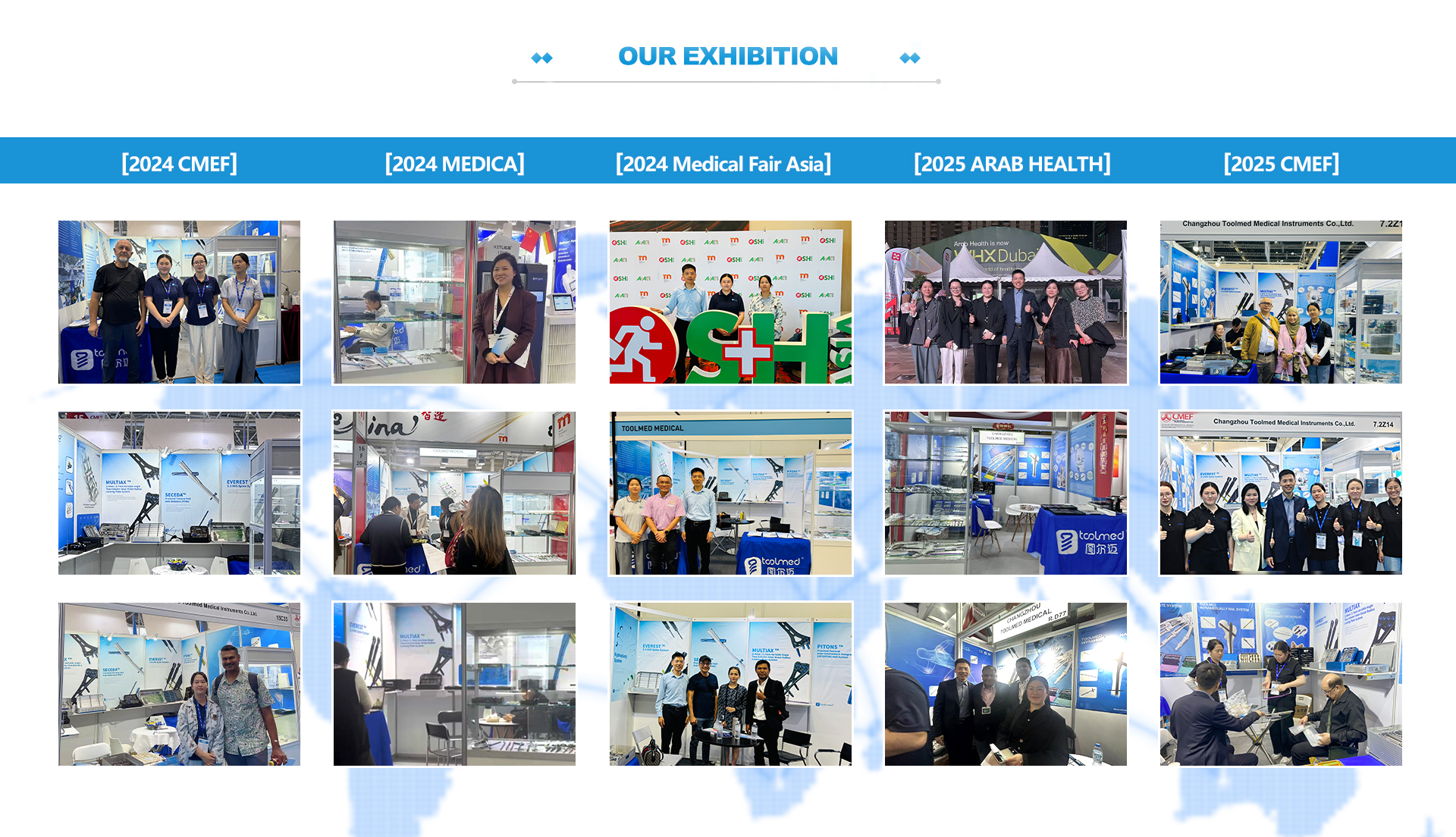
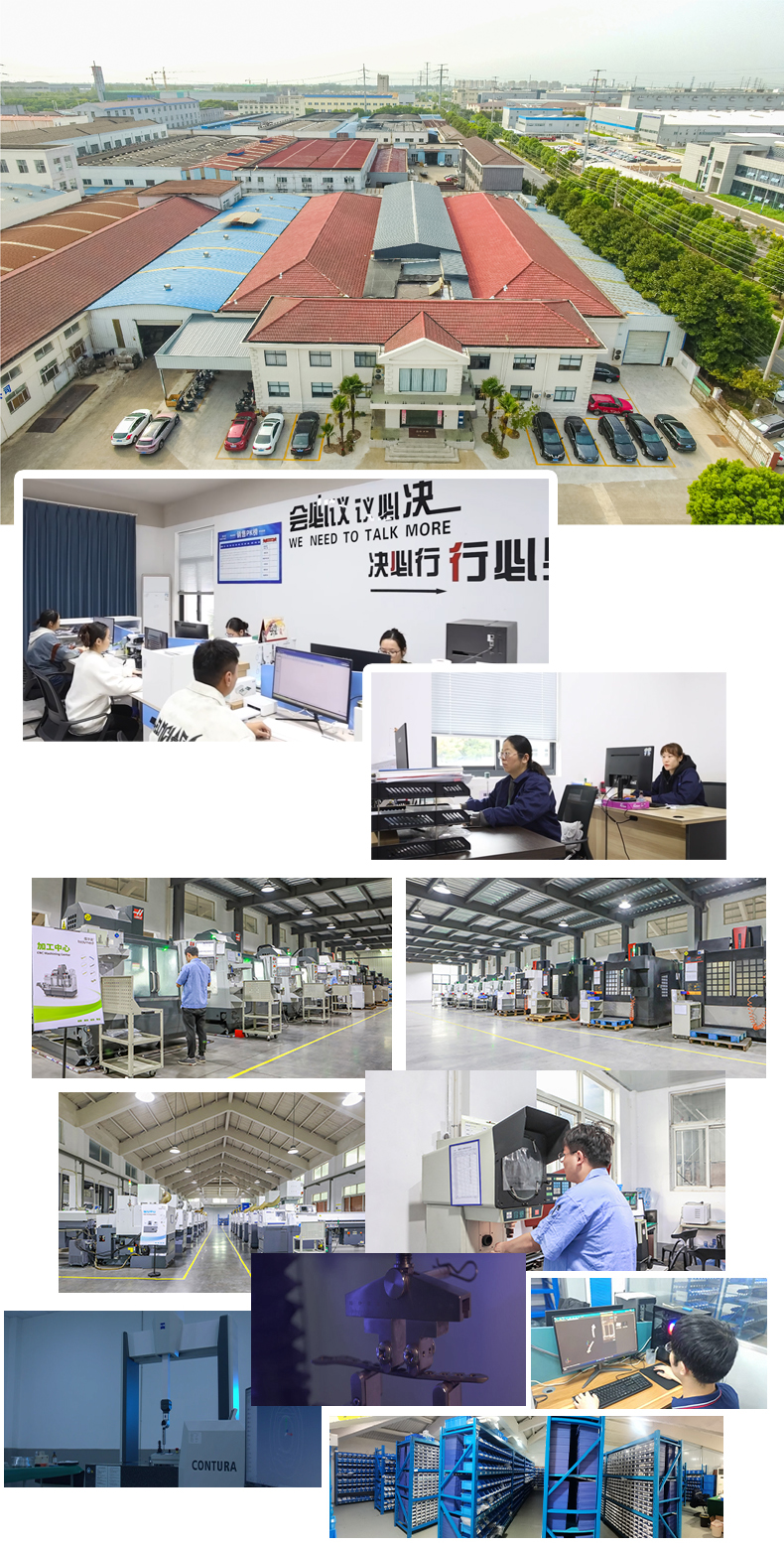
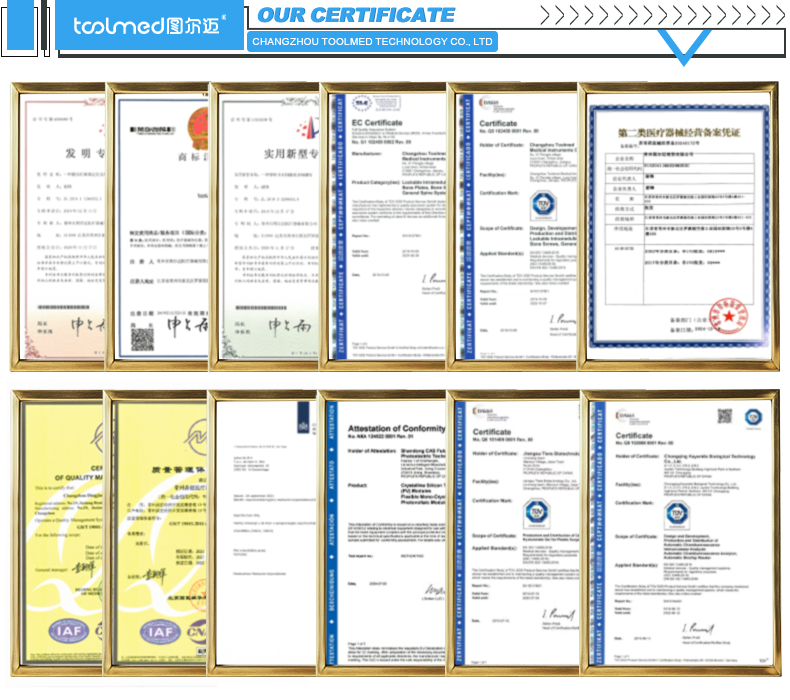
Our factory is equipped with over 60 advanced CNC machines operated by 100+ skilled technicians, a 300 m² GMP-compliant clean room, and a 10,000 m² production facility. We maintain a CNAS and ISO 17025 certified testing center, invest heavily in CNC turning technology, and utilize high-precision inspection systems including CMM, PP, and QV to ensure product quality and consistency.
We offer fast and reliable global shipping. Standard lead times range from 7 to 15 working days, depending on order quantity and customization requirements. Express delivery options are also available upon request.
Yes, we ship to most countries worldwide. We work with trusted logistics partners to ensure timely and secure delivery.
We accept a variety of payment options, including T/T (bank transfer), L/C, and PayPal for smaller orders. Payment terms can be discussed based on order volume and partnership agreements.
Yes, samples are available for evaluation. Please contact our sales team to request product samples and shipping arrangements.
Absolutely. We offer OEM/ODM services including custom packaging, branding, and product development tailored to your specifications.


