
 |
The TOOLMED Double L Reconstruction Compression Plate (Titanium) is a specialized orthopedic implant designed for the stabilization of complex fractures requiring a dual-column or "box" construct. The unique "Double L" geometry consists of two mirrored L-shaped segments that can be used in tandem to provide rigid stabilization across multi-axial joint planes. This system is particularly effective for distal humerus fractures (AO Type C), where the medial and lateral columns must be reconstructed simultaneously to restore joint function. Manufactured from high-strength medical-grade Ti-6Al-4V Titanium alloy, the plate features a notched reconstruction design that allows for precise 3D contouring to match the patient's specific anatomy. By combining compression technology with a low-profile anatomical fit, this plate ensures maximum interfragmentary stability while minimizing soft tissue interference. The TOOLMED Double L system represents an advanced solution for surgeons dealing with articular comminution and osteoporotic bone in reconstructive surgery.
Veterinary Orthopedic
TOOLMED
/
1 Pcs
5-7 days
/
Product Description
The mirrored L-configuration allows for simultaneous medial and lateral column fixation, creating a rigid frame that resists complex bending and torsional loads.
Deep notches between screw holes facilitate intraoperative contouring in three planes, allowing the plate to wrap around the epicondyles or pelvic rim with precision.
Fabricated from Ti-6Al-4V alloy, providing a modulus of elasticity closer to bone and excellent long-term tolerance in reconstructive cases.
The plate edges are rounded and the profile is minimized to prevent "palpable hardware" issues in areas with thin soft tissue coverage, such as the elbow.
The primary indication for the Double L system. Used for stabilizing both the medial and lateral columns in comminuted distal humerus fractures to restore the "elbow triangle."
Indicated for large-scale pelvic reconstructions where a dual-arm plate is required to bridge complex fractures of the anterior and posterior acetabular walls.
Utilized in cases of failed primary fixation where a more robust, multi-axial construct is needed to provide the stability required for successful bone grafting.
Used to stabilize bone fragments following complex corrective osteotomies around the joint, ensuring the re-aligned segments remain fixed during the healing phase.
| Product | REF | Specification | T/W/L(mm) | Matched Parts |
| 1.5 Double L Locking Plate | 030212533011 | 30 hole | 1.5*4.2*157 | 1.5 Drill guide |
| 2.0 Double L Locking Plate | 030212533311 | 33 hole | 2*5*189 | 2.0 cone guide |
| 2.4 Double L Locking Plate | 030212532511 | 25 hole | 2.2*6.5*189 | 2.4 cone guide |
| 2.7 Double L Locking Plate | 030212532311 | 23 hole | 2.5*7.5*219 | 2.7 cone guide |
| 3.5 Double L Locking Plate | 030212532011 | 20 hole | 3*10*255 | 3.5 cone guide |

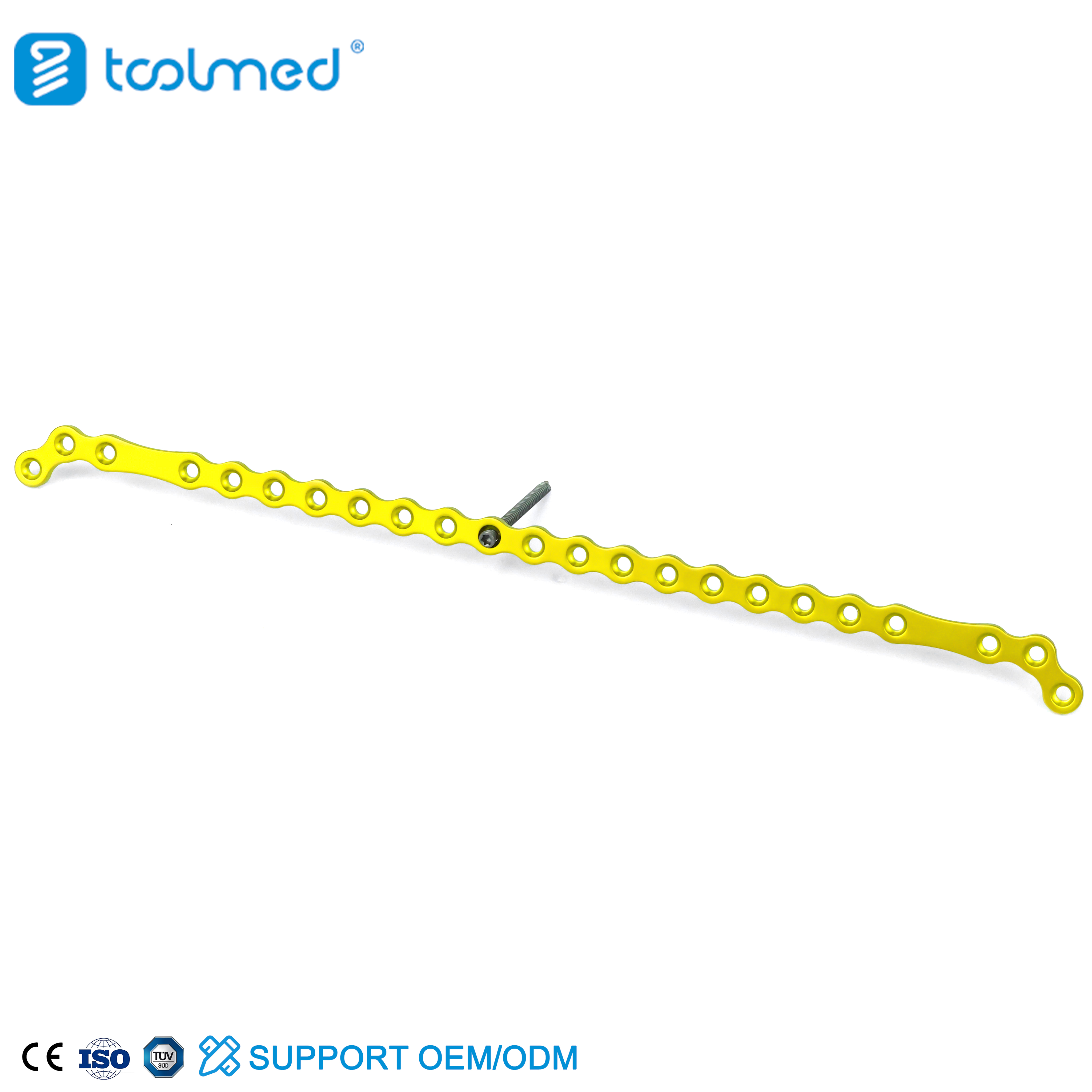
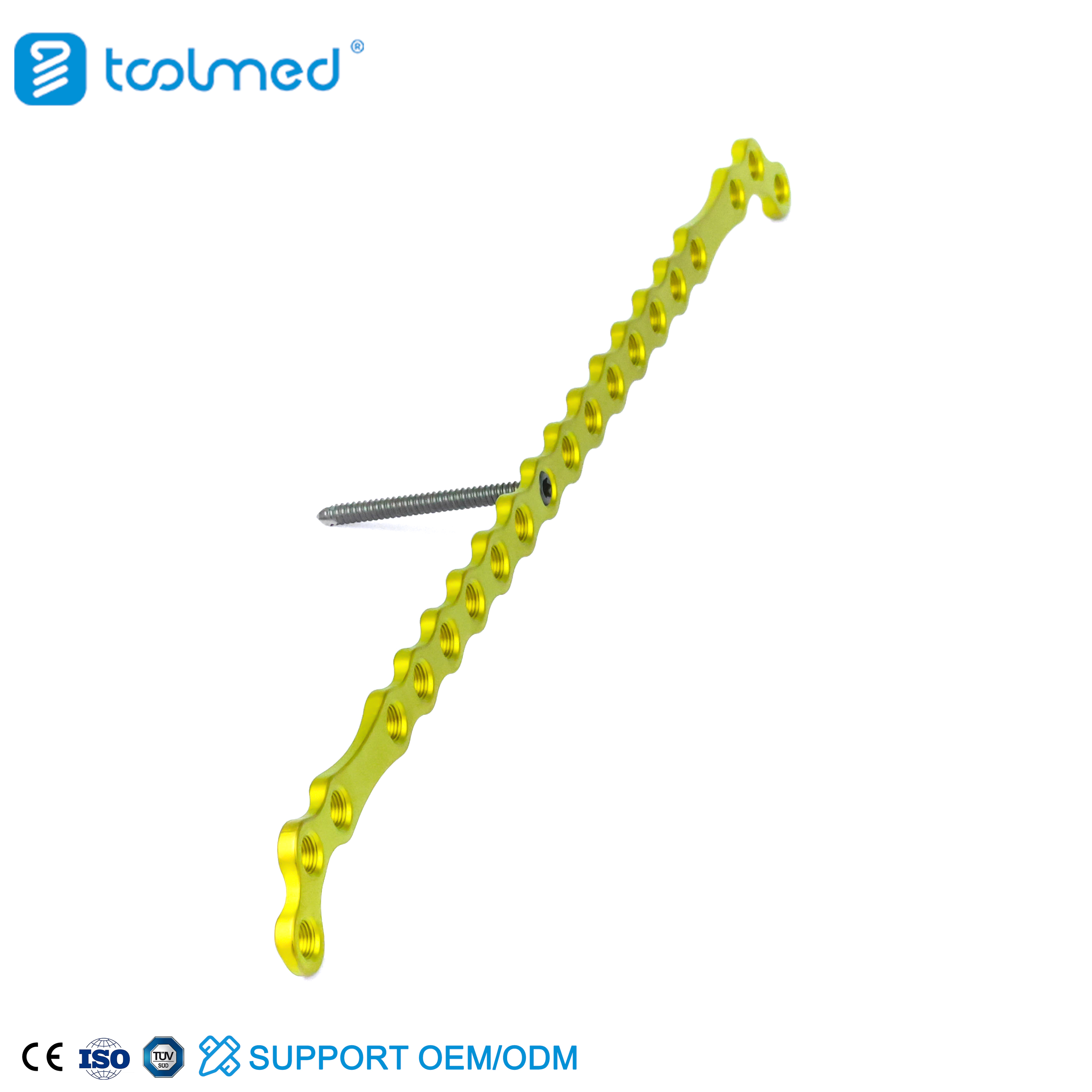
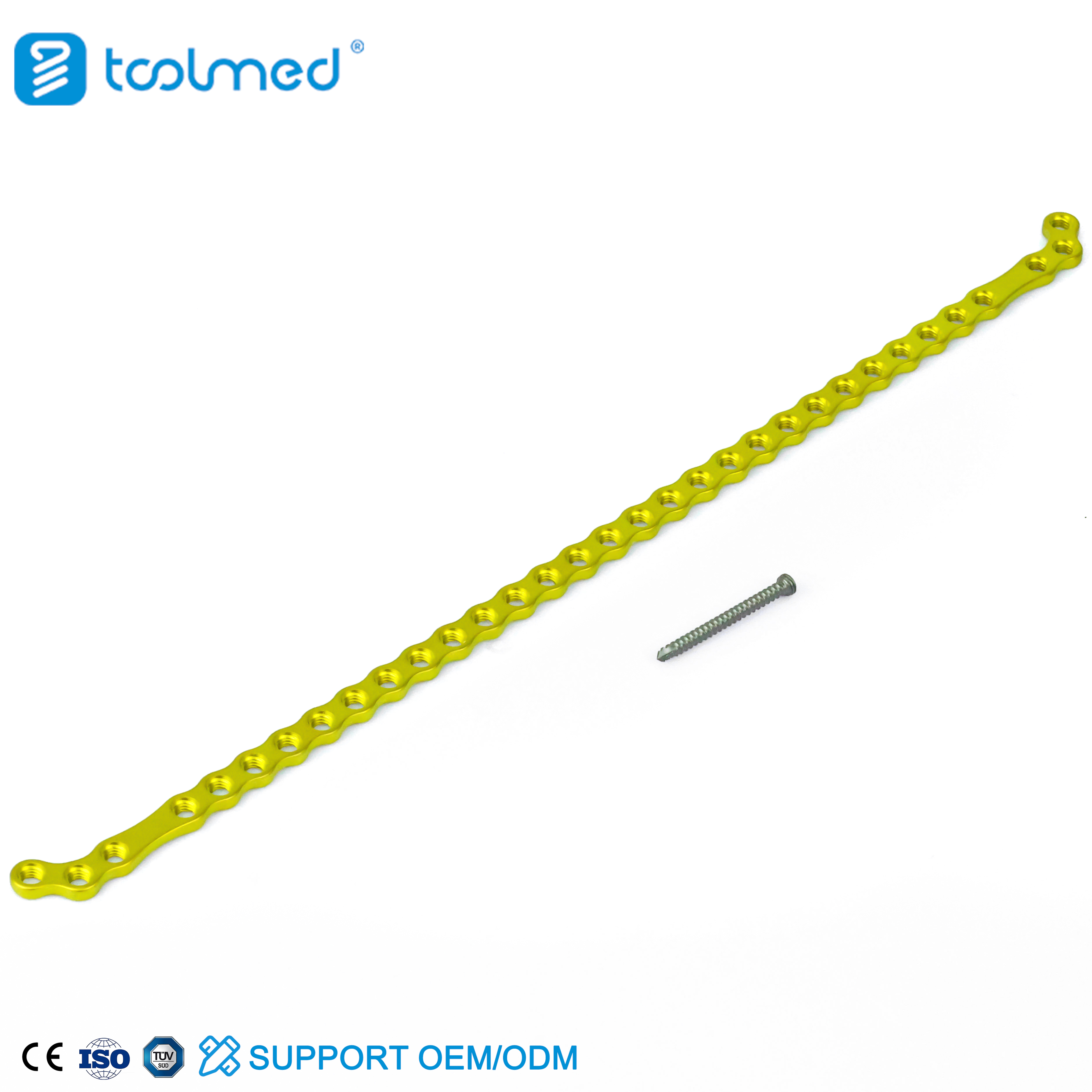
The Double L Reconstruction Compression Plate (Titanium) is a dual-component internal fixation system designed for complex joint reconstructions. It consists of two anatomically shaped L-plates—one for the medial aspect and one for the lateral aspect—which together form a powerful stabilization frame. This "Double L" approach is the preferred method for treating comminuted intra-articular fractures where a single straight plate cannot provide enough surface area or mechanical leverage. Manufactured from medical-grade Titanium, the plates feature a reconstruction-style notched design, allowing them to be shaped precisely to the distal humerus or irregular pelvic bones while maintaining the ability to provide interfragmentary compression through dynamic screw holes.
The primary application of this system is in distal humerus fracture management, specifically for AO Type C fractures where the articular surface is separated from the shaft and both columns are fractured. By applying the mirrored L-plates, surgeons can reconstruct the distal articular block and then secure it to the humeral shaft. It is also an essential tool for complex pelvic reconstruction following high-energy trauma or tumor resection, where the "Double L" shape allows for the bridging of the sciatic notch or stabilization of the acetabular roof. In orthopedic revision surgery, these plates provide the multi-planar stability required to manage non-unions where bone loss has made standard plating ineffective.
The key advantage of the TOOLMED Double L system is its ability to create a "box-frame" construct, which is biomechanically superior to single-plate fixation for resisting rotational and shear forces. The Titanium construction offers a lower risk of allergic reactions and better MRI compatibility compared to stainless steel. Furthermore, the reconstruction notches allow for "cold bending" without distorting the screw holes, ensuring that the surgeon can achieve a perfect anatomical fit every time. This precision reduces the surgical time and minimizes the risk of post-operative hardware prominence or soft tissue irritation, which is common in the elbow and pelvic regions.
Biomechanically, the Double L plates function as a load-sharing construct. By placing plates on two separate columns (medial and lateral), the system creates two parallel pillars of support that distribute the physiological loads of the joint more evenly. This reduces the stress on each individual plate and screw, lowering the risk of hardware fatigue and failure. The compression holes allow for active compression across fracture lines, which promotes primary bone healing. In highly comminuted cases, the system can also act as a bridging fixator, maintaining length and alignment while the internal "box" structure protects the small articular fragments from displacement.
The surgical procedure typically involves an olecranon osteotomy or a triceps-reflecting approach to expose the distal humerus. The articular surface is reduced and temporarily fixed with K-wires. The medial and lateral L-plates are then contoured using specific bending templates to match the humeral columns. Once the plates are positioned, the distal screws are inserted into the articular block first to create a solid foundation. Finally, the plates are secured to the humeral shaft using compression or locking screws. Intraoperative fluoroscopy is used to ensure that the screws do not enter the joint space and that the anatomical "elbow triangle" has been correctly restored.
Postoperative care includes early controlled range-of-motion exercises to prevent elbow stiffness, provided the dual-plate construct is stable. For the clinical staff, the maintenance of the Double L instrument set is critical. All bending irons and templates must be cleaned and inspected for calibration. Titanium plates are strictly for single-use; any plate that has been shaped but not implanted must be discarded to prevent material fatigue. The entire instrument tray, including the mirrored plate pairs, should be sterilized using a standard steam autoclave at 134°C. Regular clinical and radiological follow-ups are necessary to confirm that the dual-column stability is maintained throughout the bone healing process.
The TOOLMED Double L Reconstruction Compression Plate (Titanium) is the definitive solution for multi-column joint stabilization. Its unique mirrored design, combined with Titanium's biological benefits and the reconstruction plate's flexibility, allows surgeons to achieve rigid, anatomical fixation in even the most complex fracture patterns.
The distal humerus and pelvic walls have distinct medial and lateral geometries. Mirrored pairs ensure that each plate is pre-contoured for its specific side, reducing the amount of manual bending required during surgery.
Yes, the dual-column approach is particularly effective in osteoporotic bone as it increases the number of screw purchase points, distributing the load across more bone volume to prevent hardware pull-out.
The Double L is a specific geometric configuration of two reconstruction plates designed to work together to stabilize perpendicular or parallel bone columns, whereas a standard recon plate is a single straight strip.
For distal humerus Type C fractures, using both plates is the clinical standard to ensure enough stability for early mobilization. Using only one plate often leads to hardware failure or non-union.
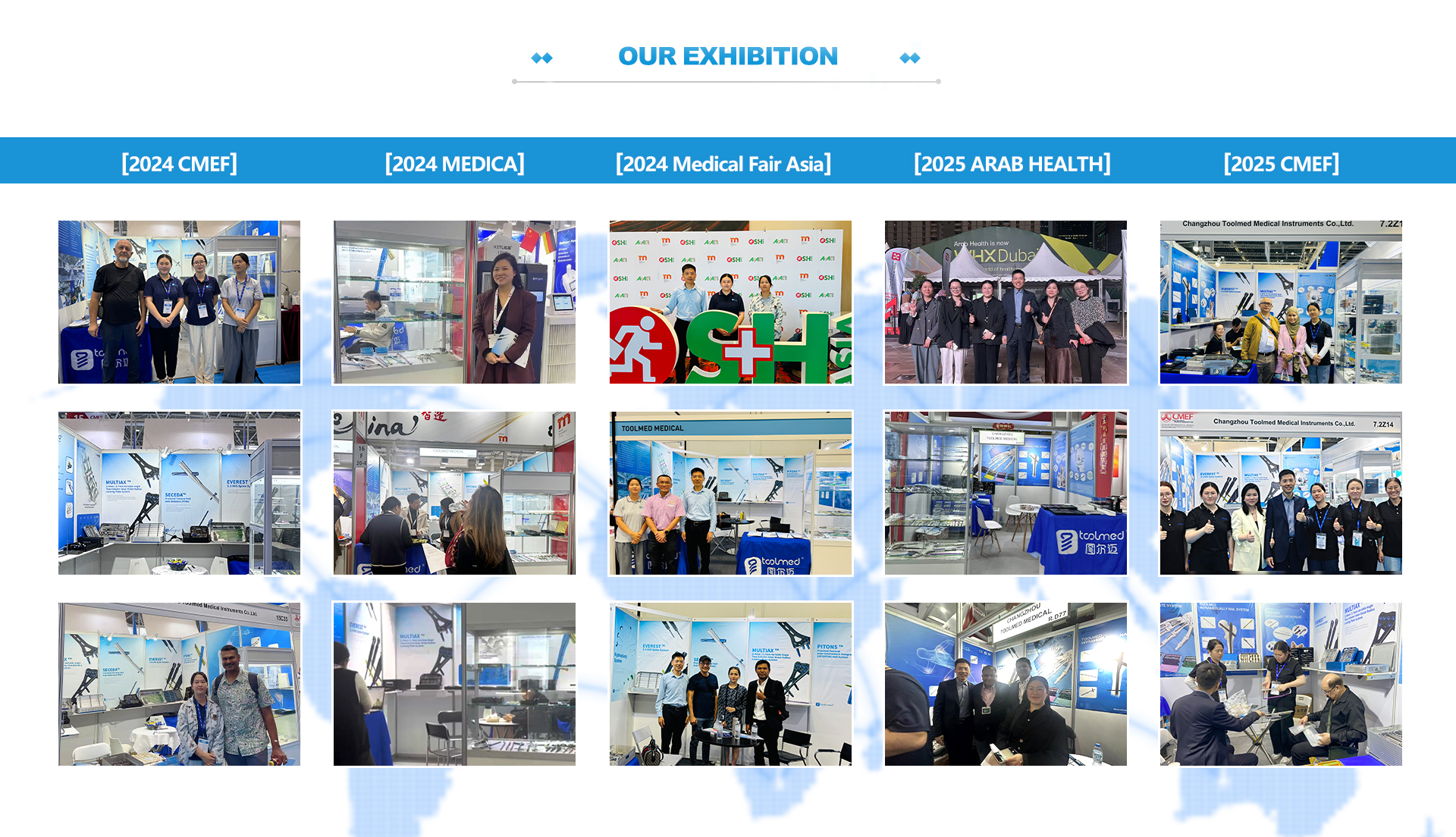
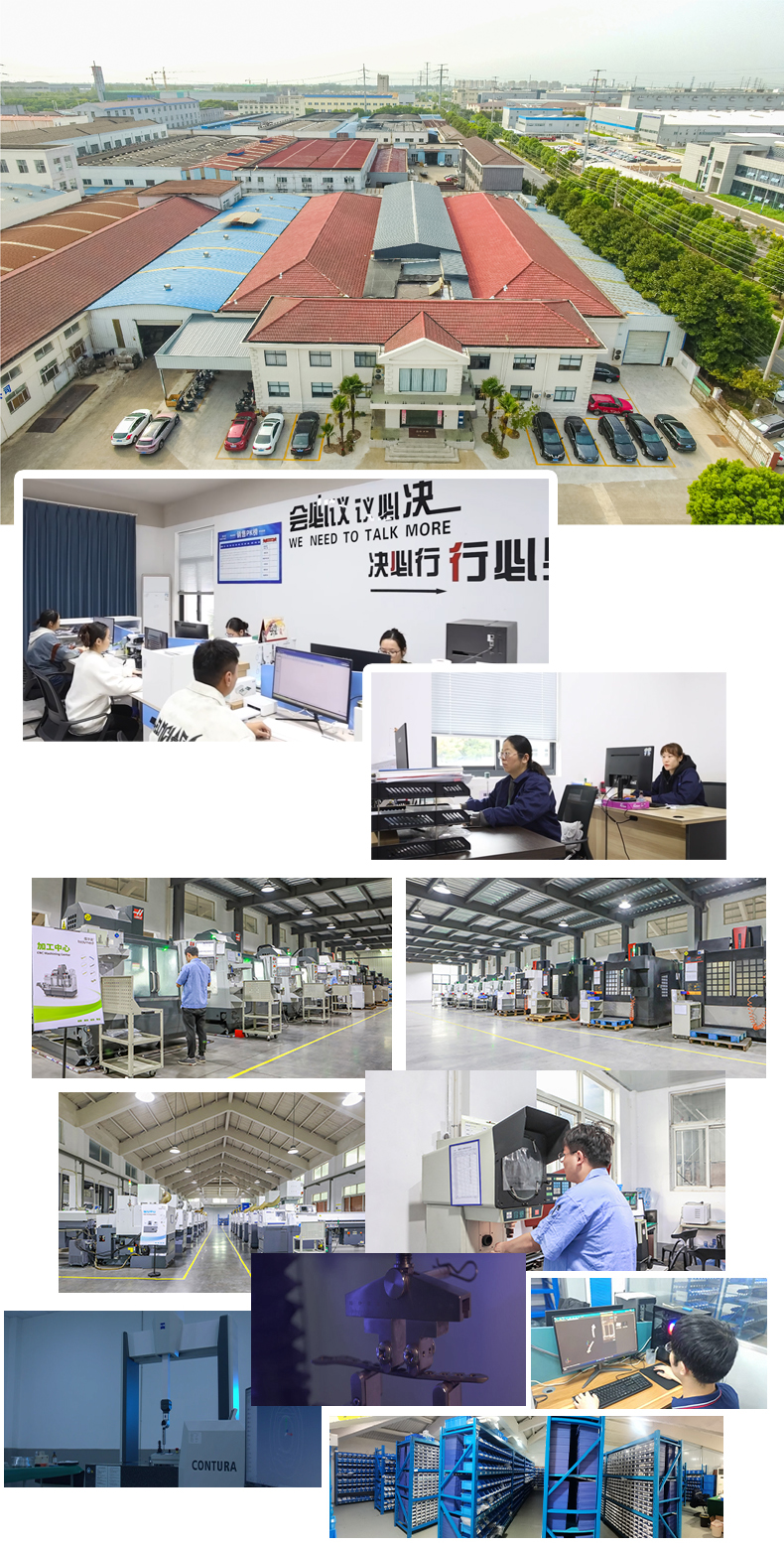
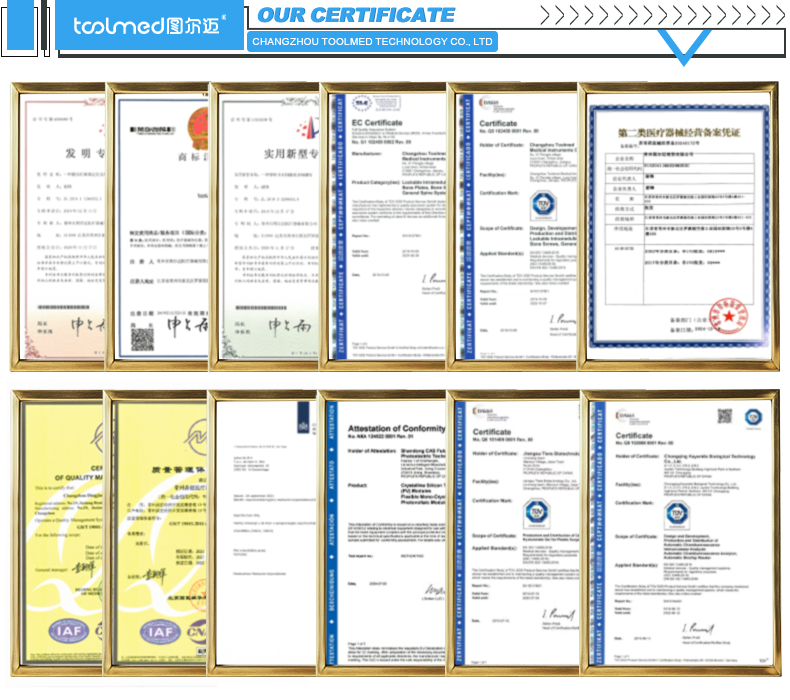
Our factory is equipped with over 60 advanced CNC machines operated by 100+ skilled technicians, a 300 m² GMP-compliant clean room, and a 10,000 m² production facility. We maintain a CNAS and ISO 17025 certified testing center, invest heavily in CNC turning technology, and utilize high-precision inspection systems including CMM, PP, and QV to ensure product quality and consistency.
We offer fast and reliable global shipping. Standard lead times range from 7 to 15 working days, depending on order quantity and customization requirements. Express delivery options are also available upon request.
Yes, we ship to most countries worldwide. We work with trusted logistics partners to ensure timely and secure delivery.
We accept a variety of payment options, including T/T (bank transfer), L/C, and PayPal for smaller orders. Payment terms can be discussed based on order volume and partnership agreements.
Yes, samples are available for evaluation. Please contact our sales team to request product samples and shipping arrangements.
Absolutely. We offer OEM/ODM services including custom packaging, branding, and product development tailored to your specifications.


