
Views: 0 Author: Site Editor Publish Time: 2026-02-05 Origin: Site
Fractures of the acromion of the scapula represent a small but clinically significant subset of shoulder injuries. Although they are less frequent than clavicle or proximal humerus fractures, their impact on shoulder biomechanics and postoperative function is often underestimated. The acromion plays a crucial role in maintaining the subacromial space, transmitting deltoid forces, and stabilizing scapulothoracic motion. Even minimal displacement can compromise shoulder elevation, cause chronic pain, or lead to impingement and rotator cuff dysfunction.
Historically, acromion fractures were treated conservatively or fixed using generic plates adapted intraoperatively. However, as surgical expectations have shifted toward earlier mobilization, predictable union, and restoration of functional anatomy, the limitations of non-specific implants have become increasingly apparent. This clinical reality has driven the development of dedicated solutions such as the Acromion of Scapula Locking Plate, which is designed specifically for the anatomical constraints and biomechanical demands of the acromial region.
This article explores the rationale behind this implant, its design features, surgical considerations, biomechanical behavior, and long-term clinical value from both a surgeon’s and manufacturer’s perspective.
The acromion is not merely a passive bony extension of the scapula. It forms the superior arch over the glenohumeral joint and serves as a critical attachment point for the deltoid muscle. Its position directly influences deltoid tension, arm elevation efficiency, and the integrity of the subacromial space.
From a fixation standpoint, the acromion presents several inherent challenges:
These factors make secure fixation difficult, particularly when conventional compression-based implants are used. Failure to account for these biomechanical realities often results in loss of fixation, delayed union, or persistent postoperative discomfort.
While non-displaced fractures may still be managed conservatively, surgical intervention is generally recommended in cases where anatomical restoration is essential for shoulder function. Indications commonly include:
In these scenarios, stable fixation is not merely about bone healing—it is about restoring the mechanical environment necessary for pain-free shoulder motion.
One of the defining characteristics of the Acromion of Scapula Locking Plate is its anatomical contouring. Unlike straight or mildly curved plates intended for intraoperative bending, this implant is pre-shaped to follow the natural curvature of the acromion and lateral scapular spine.
This contouring serves several purposes:
By aligning closely with native anatomy, the plate integrates more naturally with surrounding structures, improving both surgical handling and patient comfort.
The acromial region is covered by relatively thin soft tissue, making implant prominence a common cause of postoperative irritation. The low-profile design of the plate body addresses this concern by reducing thickness without compromising structural strength.
This balance is particularly important in lean or active patients, where implant tolerance directly influences long-term satisfaction and the likelihood of secondary implant removal.
Conventional screw-plate constructs rely on friction between the plate and bone surface to maintain stability. In acromion fractures, where bone quality and thickness are limited, this principle often fails.
Locking technology fundamentally changes the mechanics of fixation. By creating a fixed-angle construct between the screw and plate, stability is achieved independently of bone compression.
Key advantages include:
This internal fixator concept is particularly well-suited to the biomechanical environment of the acromion.
Precise screw angulation is critical in avoiding subacromial penetration and maximizing cortical engagement. The Acromion of Scapula Locking Plate incorporates predefined screw trajectories that are optimized for the available bone stock while maintaining safe distances from surrounding structures.
Medical-grade titanium alloy is commonly used for acromion locking plates due to its favorable combination of strength, corrosion resistance, and biocompatibility. Its elastic modulus, closer to that of cortical bone than stainless steel, helps reduce stress shielding—an important consideration in small scapular fragments.
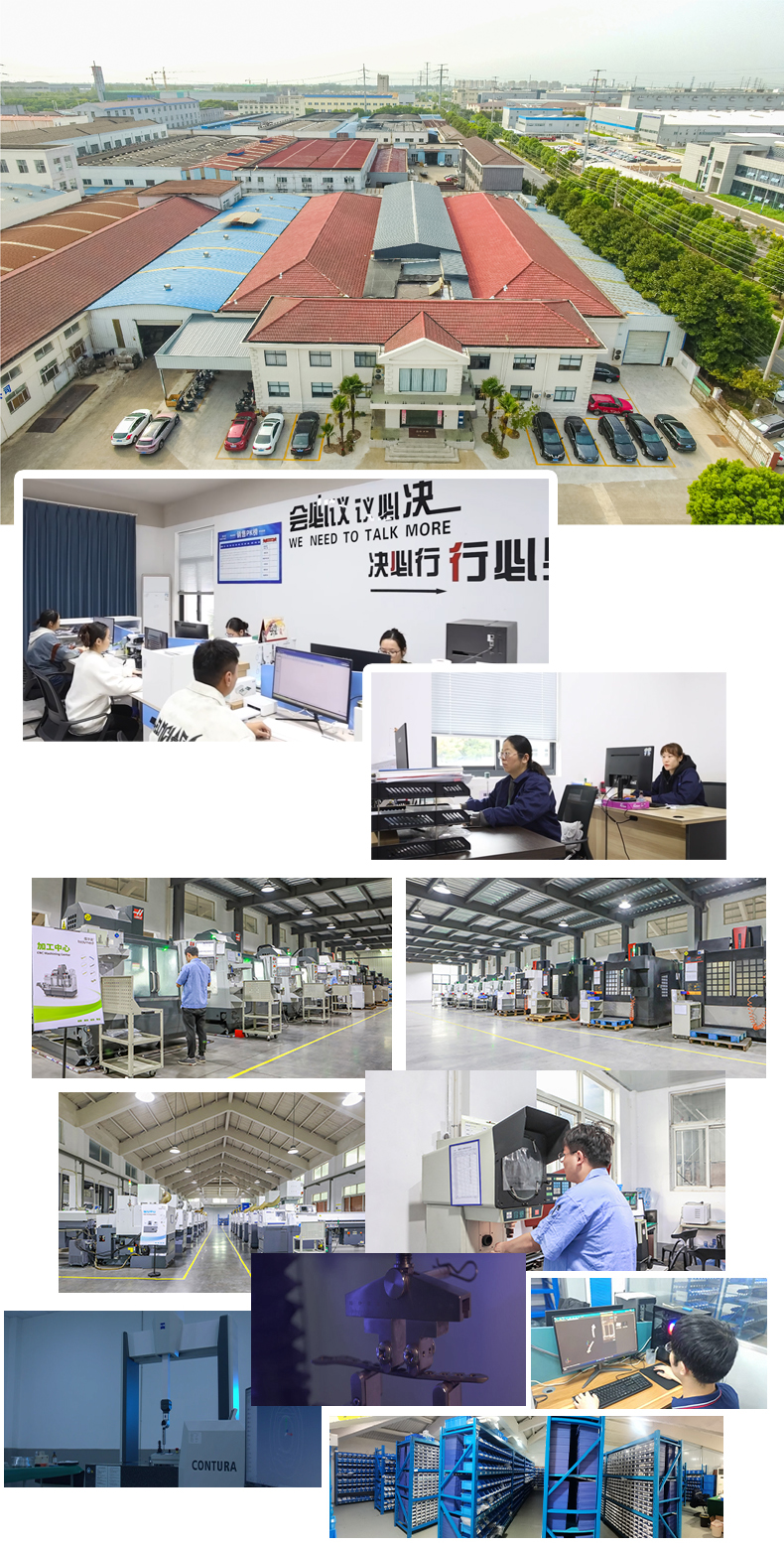
At TOOLMED, manufacturing precision is treated as a functional requirement rather than a marketing feature. CNC machining ensures that plate thickness, hole geometry, and thread tolerances remain consistent across production batches.
This consistency translates directly into:
For distributors and OEM partners, such repeatability simplifies training, instrumentation planning, and inventory control.
The plate is typically applied via a posterior or superior approach, depending on fracture pattern and surgeon preference. Careful exposure allows direct visualization of the fracture while minimizing soft tissue disruption.
Accurate plate positioning is essential to maintain subacromial clearance and avoid postoperative impingement.
Although fixation strategies may vary, certain principles consistently apply:
The design of the Acromion of Scapula Locking Plate supports these principles without requiring excessive intraoperative adjustments.
During shoulder elevation, the deltoid generates significant tensile forces across the acromion. A successful fixation construct must withstand repetitive loading without loss of alignment.
Biomechanical evaluations have shown that anatomically contoured locking plates provide superior resistance to cyclic displacement compared with non-locking alternatives, particularly in thin bone environments.
Stable fixation allows surgeons to initiate controlled early motion protocols, reducing the risk of shoulder stiffness while protecting the fracture site. This balance is critical for achieving favorable long-term outcomes.
Postoperative protocols typically involve:
The reliability of the locking construct supports this phased approach without compromising fracture stability.
Clinical experience indicates that anatomically designed locking plates demonstrate high union rates when applied appropriately. Restoration of acromial alignment correlates strongly with improved shoulder function and reduced long-term pain.
For surgeons, the Acromion of Scapula Locking Plate offers:
From a distributor or OEM standpoint, the value lies in:
TOOLMED’s approach emphasizes controlled consistency rather than exaggerated claims, aligning manufacturing reliability with real-world clinical expectations.
The TOOLMED's Acromion of Scapula Locking Plate addresses a specific but important gap in shoulder trauma fixation. By integrating anatomical contouring, locking technology, and precision manufacturing, it provides a solution tailored to the unique challenges of acromion fractures.
When used within a well-considered surgical and rehabilitation strategy, this implant supports stable fracture healing, preservation of shoulder biomechanics, and long-term functional outcomes. Its value is not defined by novelty, but by its ability to solve a clearly defined clinical problem with consistency and reliability.


