
Views: 0 Author: Site Editor Publish Time: 2026-02-14 Origin: Site
Craniomaxillofacial (CMF) surgery demands a level of precision and anatomical sensitivity that exceeds most orthopedic applications. The facial skeleton is not only structurally complex but also functionally and aesthetically critical. Even minor deviations in alignment, fixation stability, or implant profile can lead to visible deformity, impaired mastication, or long-term discomfort.
Within this context, the 2.0mm Locking Maxillofacial Plate System has become a cornerstone solution for a wide range of CMF indications. Positioned between microplate systems and heavier load-bearing constructs, the 2.0mm platform offers a balance of mechanical stability, surgical flexibility, and soft tissue compatibility. As part of a comprehensive CMF system, it supports predictable outcomes in trauma, reconstructive, and corrective facial procedures.
This article examines the clinical rationale, design philosophy, biomechanical behavior, and manufacturing considerations behind the 2.0mm Locking Maxillofacial Plate System, with particular attention to how it integrates into modern CMF surgical workflows.
The 2.0mm locking system is widely used due to its adaptability across multiple facial regions. Typical applications include:
Its versatility allows surgeons to standardize instrumentation while addressing diverse fracture patterns and osteotomy designs.
Unlike long bones, facial bones often provide limited screw purchase due to thin cortices and complex curvature. Traditional non-locking systems rely on plate-to-bone compression, which can be unreliable in areas with variable bone quality.
Locking technology changes the fixation paradigm by creating a fixed-angle construct, reducing dependence on friction alone and preserving periosteal blood supply—an important factor in facial bone healing.
CMF surgeons routinely encounter extreme variability in bone thickness, even within the same operative field. The infraorbital rim, anterior maxilla, and zygomatic buttress each present different structural characteristics, requiring implants that accommodate these differences without compromising fixation integrity.
Facial soft tissues are unforgiving. Implant prominence, sharp plate edges, or excessive thickness can result in patient dissatisfaction, palpability, or the need for secondary removal. This reality drives the demand for low-profile, anatomically adaptable implants.
The defining design challenge of a 2.0mm CMF system is achieving sufficient rigidity while maintaining a thin implant profile. Plate thickness, width, and hole geometry must be carefully balanced to provide strength without excessive bulk.
The 2.0mm Locking Maxillofacial Plate System is engineered to:
This balance is achieved through controlled plate geometry rather than material overcompensation.
Rather than relying solely on straight plates, modern CMF systems include a variety of pre-contoured shapes designed to match common facial anatomies. These shapes reduce intraoperative manipulation and help maintain plate integrity.
At the same time, controlled malleability remains essential, allowing surgeons to fine-tune plate adaptation without risking fatigue or deformation.
In locking constructs, stability is derived from the mechanical coupling between the screw head and plate hole. This is particularly advantageous in CMF surgery, where screws are often short and inserted into thin bone.
Key functional benefits include:
Screw thread geometry is optimized to engage both cortical and cancellous bone where available. Self-tapping or self-drilling options further streamline the surgical workflow, reducing operative time without sacrificing control.
Titanium alloy remains the material of choice for CMF implants due to its biocompatibility, corrosion resistance, and favorable mechanical properties. Its non-magnetic nature and compatibility with postoperative imaging are additional advantages in craniofacial applications.
Surface finish plays a subtle but important role in tissue interaction. Smooth yet controlled surface treatments help reduce bacterial adhesion while maintaining favorable integration with surrounding soft tissue.
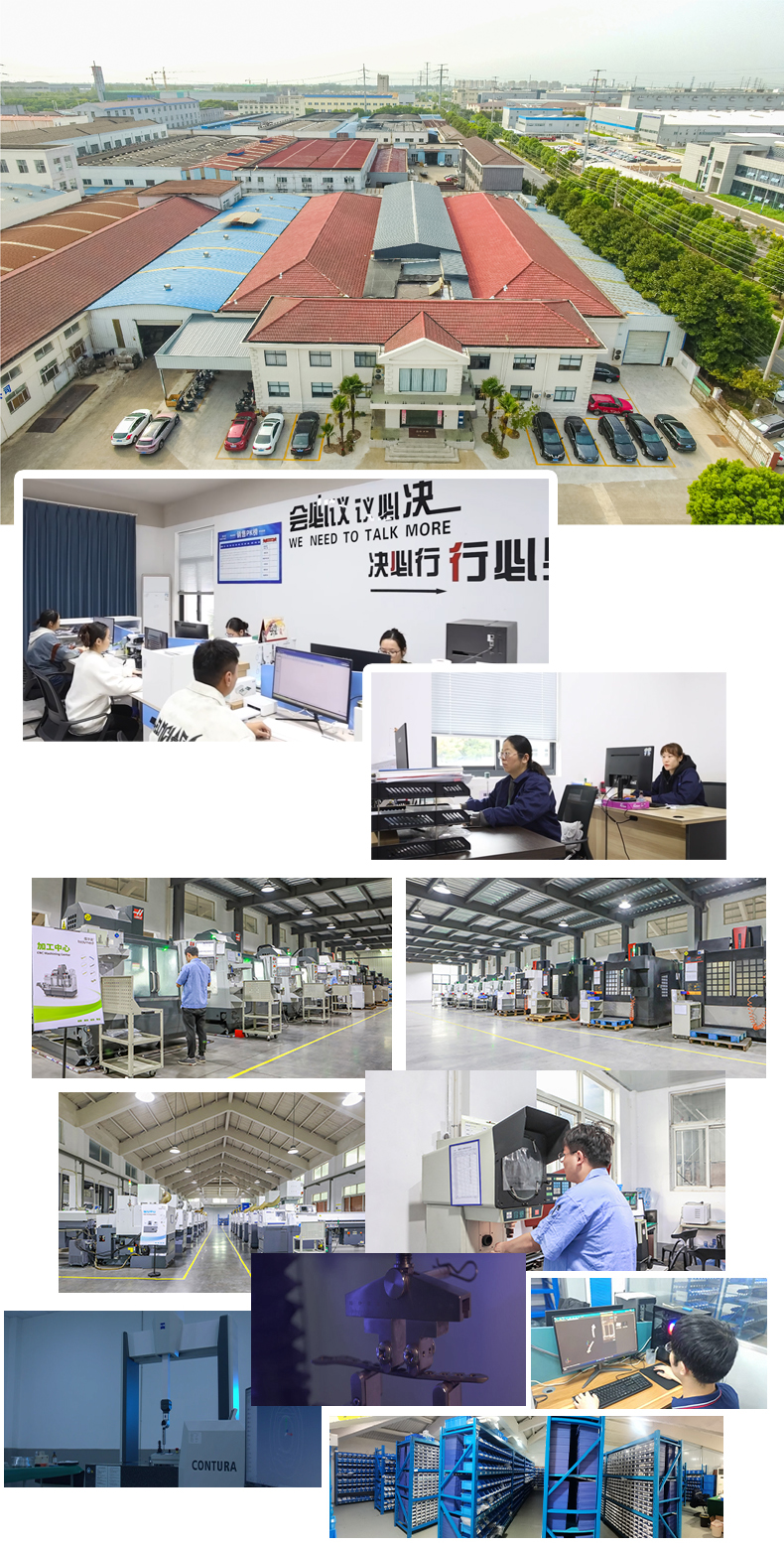
CMF implants demand tighter tolerances than many larger orthopedic components. Hole alignment, thread accuracy, and plate thickness consistency directly affect locking performance.
Precision CNC machining ensures:
This level of consistency is essential for surgeons who rely on predictable implant behavior across different cases and facilities.
For distributors and OEM partners, traceability and process transparency are not optional. Standardized inspection protocols and material documentation support regulatory compliance and long-term market confidence.

The 2.0mm Locking Maxillofacial Plate System is designed to accommodate controlled bending without compromising hole geometry or locking function. This allows surgeons to adapt plates to patient-specific anatomy while maintaining fixation reliability.
A well-designed CMF system emphasizes simplicity and compatibility. Standardized screwdrivers, plate benders, and drill guides reduce complexity and support efficient operating room workflows.
Facial bones experience complex loading patterns driven by mastication, speech, and facial expression. Locking plate constructs distribute these forces more evenly across the fixation system, reducing localized stress concentrations.
Stable fixation supports primary bone healing and reduces the risk of malunion or nonunion. In aesthetic regions, this stability directly correlates with improved functional and cosmetic outcomes.
In many CMF cases, implants are intended to remain in situ unless symptomatic. Low-profile design and biocompatible materials reduce the likelihood of implant-related complications over time.
Successful CMF fixation is measured not only by radiographic union but also by:
The 2.0mm Locking Maxillofacial Plate System supports these goals through its balanced design and predictable performance.
For surgeons, the system offers:
For OEM partners and distributors, value is defined by:
As part of a complete CMF system, the 2.0mm platform plays a foundational role rather than functioning as a standalone solution.
The TOOLMED's 2.0mm Locking Maxillofacial Plate System represents a carefully engineered balance between mechanical stability, anatomical sensitivity, and surgical practicality. Within the CMF system, it serves as a versatile and reliable solution for a wide spectrum of facial fixation challenges.
Its effectiveness lies not in exaggerated features, but in controlled design, precision manufacturing, and alignment with real clinical demands. For surgeons, distributors, and OEM partners alike, it offers predictable performance where precision matters most—on the human face.


