
 |
2100-37
TOOLMED
Aluminium Alloy
1 Pcs
5-15 Days
/
Product Description
Specifically designed for posterior cervical spinal fixation procedures, the instrument system supports screw preparation, insertion, positioning, and rod assembly for cervical stabilization.
Specialized screwdrivers and insertion instruments help surgeons achieve controlled screw handling and placement during posterior cervical fixation procedures.
Dedicated probes, drills, and related preparation instruments, according to the system configuration, assist with preparing screw pathways and evaluating bone depth before screw insertion.
The instruments feature functional handle designs to facilitate comfortable gripping, controlled manipulation, and convenient operation during complex cervical spine procedures.
The organized instrument configuration helps surgical teams identify and access the required instruments throughout the fixation procedure, supporting a more efficient operating room workflow.
Manufactured using durable medical-grade materials, the instruments are designed for repeated use when applicable, subject to proper cleaning, inspection, maintenance, and validated sterilization procedures.
Designed to support posterior lateral mass screw fixation, particularly in the subaxial cervical spine (C3–C7). The instruments assist with screw pathway preparation, depth measurement, and controlled screw insertion.
Used to support posterior cervical pedicle screw fixation in selected patients requiring segmental stabilization. Specialized preparation and insertion instruments facilitate the surgical workflow.
Applied in posterior decompression and fusion procedures for selected patients with cervical spinal stenosis. The instrumentation assists with posterior fixation following decompression when stabilization is indicated.
Used in posterior cervical stabilization procedures for patients with cervical spondylotic myelopathy when posterior decompression and instrumented fusion are selected as the surgical treatment.
Suitable for posterior fixation procedures involving selected cervical fractures, dislocations, and traumatic instability requiring internal stabilization.
Designed to support posterior cervical fixation and reconstruction procedures involving selected cervical deformities and alignment abnormalities.
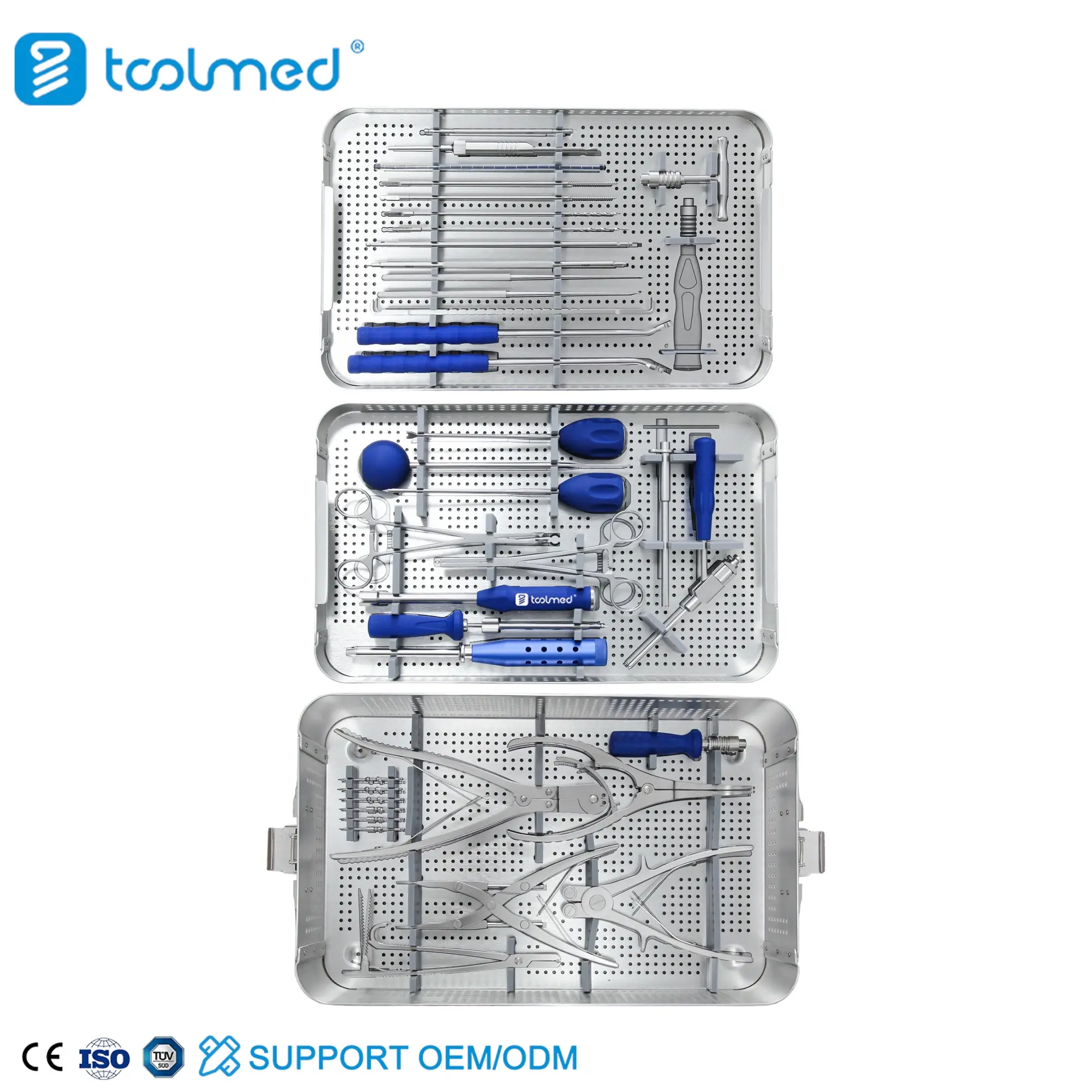
| Product Name | Posterior Cervical Screw Instrument Set-Ⅱ |
| Material | Aluminium Alloy |
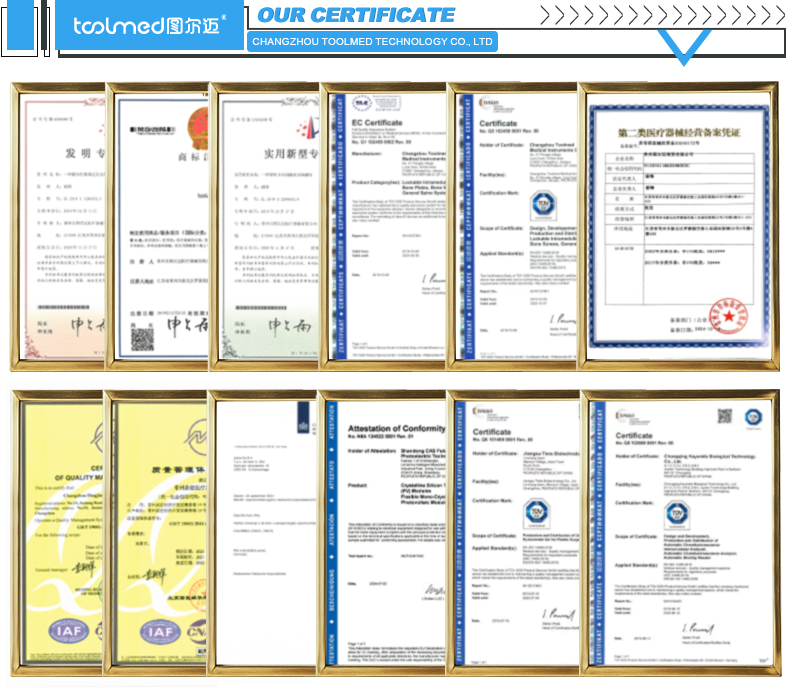
| Certificate | CE Certificate |
| Brand | TOOLMED |
| MOQ | 1 Pcs |
| OEM | Avaliable |
| Package | PE Inner Bag+Carton |
| Payment Method | T/T,Bank transfer, Western Union |
| Delivery Time | 5-15 Days |
| Shipping | DHL EMS UPS TNT FEDEX |
The Posterior Cervical Screw Instrument Set-II is a specialized orthopedic surgical instrument system used for posterior cervical spinal fixation and fusion procedures.
The posterior cervical spine requires precise instrumentation because of its complex anatomical structures, including the spinal cord, nerve roots, vertebral arteries, and surrounding bony structures.
The instrument system is designed to assist surgeons with several essential stages of posterior cervical fixation, including screw pathway preparation, bone depth measurement, screw insertion, and connecting rod placement.
Depending on the compatible fixation system, the instruments can support lateral mass screw fixation and cervical pedicle screw fixation.
By providing coordinated surgical instruments for these procedures, the Posterior Cervical Screw Instrument Set-II helps facilitate controlled implant handling and systematic surgical workflow.
The Posterior Cervical Screw Instrument Set-II is primarily applied in posterior cervical stabilization and fusion procedures.
Common clinical applications include:
1. Posterior Cervical Decompression and Fusion (PCDF)
The instrument system assists with posterior screw and rod fixation following cervical decompression procedures. It is used to stabilize the affected spinal segments and support postoperative spinal fusion.
2. Cervical Lateral Mass Screw Fixation
Lateral mass screw fixation is a commonly used posterior fixation technique for the subaxial cervical spine. The instruments assist with preparing the screw pathways, measuring insertion depth, and placing the screws.
3. Cervical Pedicle Screw Fixation
Cervical pedicle screw fixation provides another posterior stabilization option for selected cervical spinal conditions. The instrument system supports the preparation and insertion process when used with compatible implants.
4. Cervical Trauma Stabilization
The system can be used in posterior fixation procedures for selected cervical fractures and unstable spinal injuries requiring internal stabilization.
5. Cervical Deformity Reconstruction
Posterior screw and rod fixation can be used in selected cervical deformity correction procedures to support spinal alignment and segmental stabilization.
The TOOLMED Posterior Cervical Screw Instrument Set-II provides a practical instrumentation solution for posterior cervical spine surgery.
Its main advantages include:
Procedure-Specific Instrumentation: Designed for posterior cervical screw fixation and spinal stabilization procedures.
Controlled Screw Placement: Dedicated insertion instruments facilitate controlled handling of cervical fixation screws.
Comprehensive Surgical Workflow: Supports important stages including bone preparation, depth measurement, screw insertion, and rod assembly.
Ergonomic Instrument Design: Practical handles facilitate comfortable gripping and precise surgical manipulation.
Organized Instrument Configuration: Helps surgical teams identify and access the required instruments efficiently.
Durable Construction: Manufactured using durable materials suitable for repeated clinical use when applicable and properly reprocessed.
OEM Customization: Supports customized instrument configurations according to compatible implant systems and customer requirements.
Posterior cervical fixation plays an important role in restoring spinal stability in patients with cervical instability, deformity, trauma, and degenerative spinal conditions.
The Posterior Cervical Screw Instrument Set-II is designed to facilitate the placement of posterior fixation screws and connecting rods, which work together to create a stable spinal construct.
Lateral Mass Screw Fixation
Lateral mass screws are commonly used for posterior stabilization of the subaxial cervical spine. They provide fixation points within the lateral masses of the cervical vertebrae and are connected using longitudinal rods.
Cervical Pedicle Screw Fixation
Cervical pedicle screws provide an alternative fixation strategy by engaging the vertebral pedicles. This technique requires careful consideration of individual anatomy because of the proximity of important neural and vascular structures.
Rod Connection and Spinal Alignment
After screw placement, connecting rods are positioned and secured to link the fixation points. Rod contouring and alignment help support the intended cervical spinal alignment and stabilization.
The overall biomechanical performance depends on implant design, screw positioning, bone quality, surgical technique, and the patient's anatomical characteristics.
The Posterior Cervical Screw Instrument Set-II is used in posterior cervical fixation procedures. The general surgical workflow includes the following stages:
Step 1: Patient Positioning and Posterior Exposure
The patient is positioned appropriately for posterior cervical surgery. After the surgical approach, the affected cervical vertebrae and relevant anatomical landmarks are exposed.
Step 2: Identification of Screw Entry Points
The surgeon identifies the appropriate screw entry points according to the selected fixation technique, such as lateral mass screw fixation or cervical pedicle screw fixation.
Step 3: Screw Pathway Preparation
Appropriate preparation instruments, including awls, probes, and drill guides where included in the set, are used to prepare the screw pathways. Anatomical orientation and imaging guidance are essential throughout this stage.
Step 4: Measurement and Screw Selection
A depth gauge is used to assess the prepared screw pathway. The appropriate screw dimensions are selected according to the patient's anatomy and the compatible fixation system.
Step 5: Cervical Screw Insertion
The selected cervical fixation screws are inserted using the corresponding screwdrivers. Controlled instrument handling helps facilitate accurate screw placement.
Step 6: Rod Contouring and Connection
The connecting rods are selected and contoured according to the surgical requirements. Rod holders and reduction instruments, when included in the configuration, assist with positioning the rods into the screw heads.
Step 7: Final Fixation and Verification
The locking components are tightened according to the implant manufacturer's specifications. The final fixation construct is assessed using appropriate intraoperative imaging to verify implant positioning and spinal alignment.
Proper cleaning, inspection, maintenance, and sterilization are essential for maintaining the performance and service life of the Posterior Cervical Screw Instrument Set-II.
After each surgical procedure, all instruments should undergo appropriate pre-cleaning and thorough cleaning to remove blood, tissue residues, and other contaminants.
Particular attention should be given to instrument tips, grooves, threaded components, and connecting mechanisms where biological residues may accumulate.
After cleaning, the instruments should be inspected for wear, deformation, corrosion, or damage. Functional components such as screwdrivers, probes, and drill guides should be checked to ensure they remain suitable for their intended use.
The instruments should then be dried, organized in the designated sterilization tray, and sterilized according to the manufacturer's validated reprocessing instructions and applicable hospital protocols.
Proper maintenance and storage help preserve instrument functionality and ensure readiness for subsequent cervical spine procedures.
The TOOLMED Posterior Cervical Screw Instrument Set-II is a specialized surgical instrumentation solution developed for posterior cervical spine fixation and reconstruction procedures.
Designed to support screw pathway preparation, depth measurement, screw insertion, and rod assembly, the system provides practical instrumentation for cervical lateral mass fixation, cervical pedicle screw fixation, and posterior cervical decompression and fusion.
With its functional design, ergonomic handling, and durable construction, TOOLMED offers a professional posterior cervical instrumentation solution for hospitals, spine surgery centers, orthopedic distributors, and medical device companies worldwide.
The instrument set is designed for posterior cervical spine fixation and stabilization procedures, including lateral mass screw fixation, cervical pedicle screw fixation, and posterior cervical decompression and fusion.
Lateral mass screws are inserted into the lateral masses of the cervical vertebrae, while cervical pedicle screws pass through the vertebral pedicles. Both techniques can be used for posterior cervical stabilization, depending on the patient's anatomy and surgical requirements.
Yes. The instrument system can support selected posterior cervical fixation procedures for traumatic fractures, dislocations, and cervical instability when posterior internal fixation is indicated.
Compatibility depends on the implant specifications, screw dimensions, driver interfaces, and instrument configuration. We recommend confirming the compatible implant system before placing an order.
The instruments are designed for repeated use when applicable, subject to proper cleaning, inspection, maintenance, and sterilization according to the manufacturer's validated
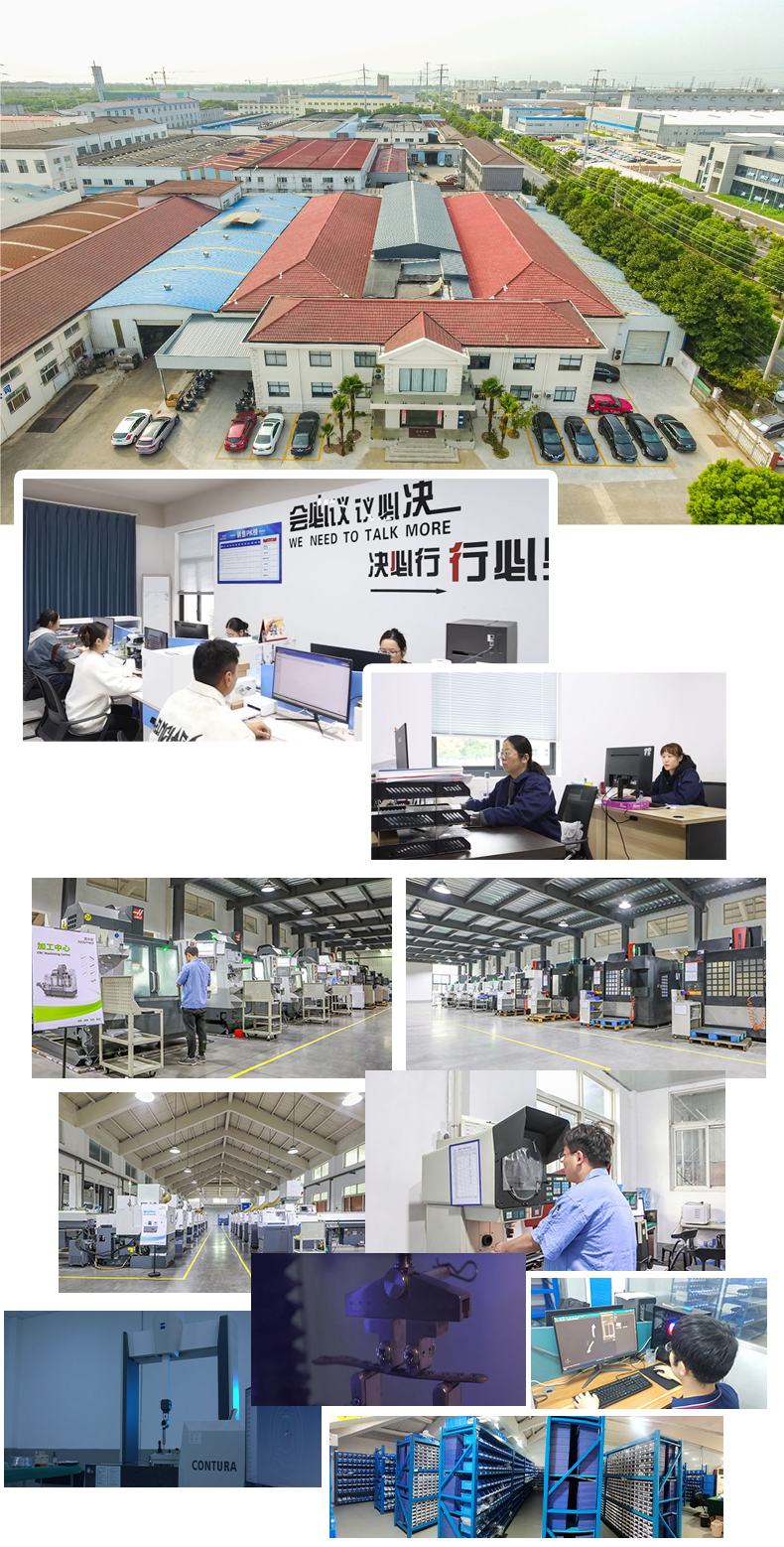
Our factory is equipped with over 60 advanced CNC machines operated by 100+ skilled technicians, a 300 m² GMP-compliant clean room, and a 10,000 m² production facility. We maintain a CNAS and ISO 17025 certified testing center, invest heavily in CNC turning technology, and utilize high-precision inspection systems including CMM, PP, and QV to ensure product quality and consistency.
We offer fast and reliable global shipping. Standard lead times range from 7 to 15 working days, depending on order quantity and customization requirements. Express delivery options are also available upon request.
Yes, we ship to most countries worldwide. We work with trusted logistics partners to ensure timely and secure delivery.
We accept a variety of payment options, including T/T (bank transfer), L/C, and PayPal for smaller orders. Payment terms can be discussed based on order volume and partnership agreements.
Yes, samples are available for evaluation. Please contact our sales team to request product samples and shipping arrangements.
Absolutely. We offer OEM/ODM services including custom packaging, branding, and product development tailored to your specifications.


