
 |
Crafted from high-strength titanium or cobalt-chrome alloy, the 6.0 Crosslink-Ⅰ integrates seamlessly with 6.0 mm rod systems. Its low-profile clamp design ensures minimal tissue irritation while enabling strong tension coupling between paired rods. Adjustable length and secure locking screws facilitate intraoperative adaptability. Biomechanical augmentation via this crosslink significantly improves axial rotational resistance and construct stability. CE and ISO-certified, it supports long-segment reconstructions, deformity correction, trauma stabilization, and complex fusion scenarios.
2218-0101
TOOLMED
TC4
1 Pcs
5-15 Days
Product Description
Compatible with standard 6.0 mm titanium or CoCr rods
Low-profile design minimizes soft tissue irritation and hardware prominence
Adjustable length options (e.g. 50, 60, 70, 80, 90 mm) to match inter-rod spacing
Secure clamp locking ensures stable rod engagement and prevents micromotion
Precise torque-controlled fixation maintains construct integrity under load
Enhances torsional and axial stiffness in multi-rod systems
The 6.0 Crosslink -Ⅰ is indicated for use in adult and adolescent spinal instrumentation requiring enhanced stability, such as:
Long-segment posterior thoracolumbar fusion
Deformity correction (scoliosis, kyphosis)
Trauma with multi-level constructs or rotational instability
Tumor or infection stabilization involving multiple vertebral levels
Revision instrumentation scenarios needing construct reinforcement
| P/N | Product Name | Size | Material | Sterile | Unit |
| 2218-0101 | 6.0 Crosslink-I | 60MM | TC4 | N | EA |
| 2218-0102 | 70MM | TC4 | N | EA | |
| 2218-0103 | 80MM | TC4 | N | EA |
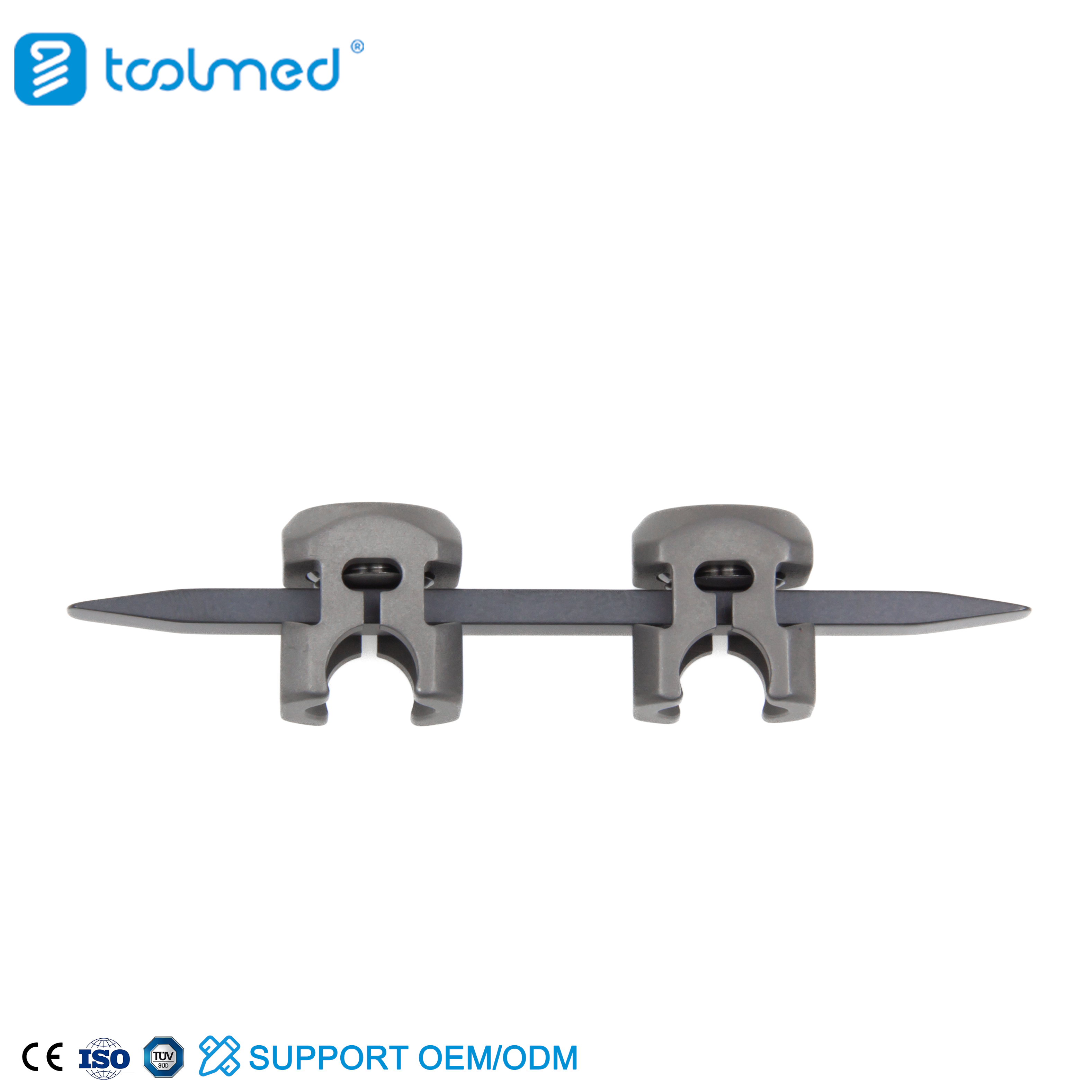
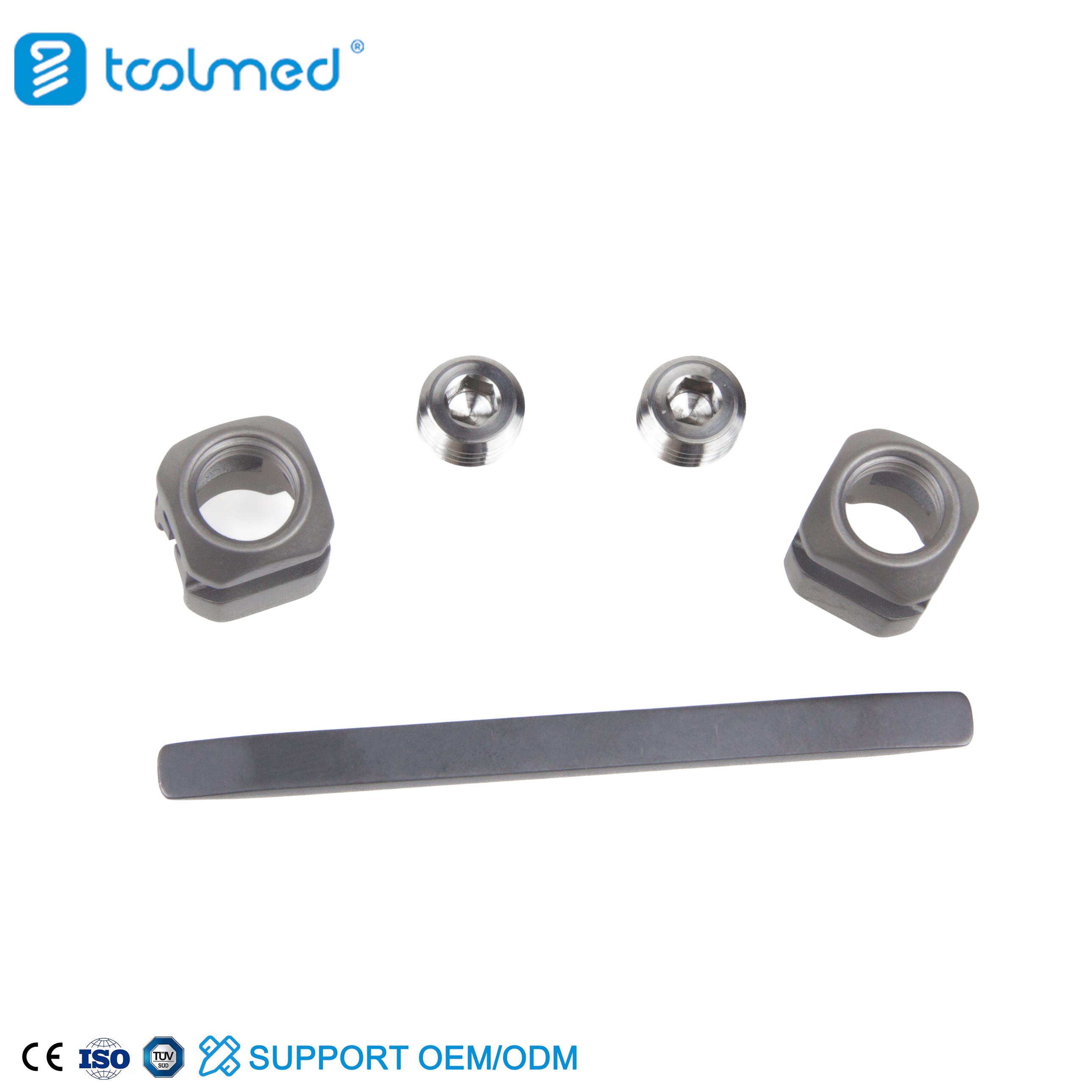
The 6.0 Crosslink -Ⅰ is a transverse connector that rigidly couples two parallel 6.0 mm rods, converting them into a unified quadrilateral construct. This significantly reduces axial rotation “parallelogram” deformation and screw rotation under torsional load. Crosslinks create a more rigid system, especially important in long and multilevel constructs.
The 6.0 Crosslink -Ⅰ is indicated for use in:
Used at proximal and distal levels in long thoracolumbar constructs to enhance torsional rigidity
Recommended in scoliosis or kyphosis corrections to maintain alignment under multi-axis loading
Employed in constructs where rotational stability is critical—such as trauma or revision surgery
Supports tumor or infection fusion procedures where rods span multiple levels
Provides improved rotational stiffness—studies show up to 60% reduction in parallelogram deformation under axial rotation when crosslinks are used
Enhances screw-rod stability by substantially lowering screw rotation under torsional load
Minimizes soft tissue irritation due to low-profile geometry
Offers length adjustability to fit anatomical variability, streamlining surgical workflow
Helps reduce long-term failure rates by reinforcing hardware at vulnerable junctions
In axial rotation testing under controlled torque, crosslink augmentation reduced parallelogram deformation by ~60% and screw head rotation by ~48%. However, during lateral bending and flexion-extension, where parallelogram deformation is minimal, crosslinks had negligible effect. This highlights its selective biomechanical advantage: torsional control rather than flexural stiffness.
Measure rod-to-rod distance using calipers and select suitable crosslink length
Position the crosslink to capture both rods using alignment guide or slot insertion tools.
Secure clamp screws sequentially with torque-limited driver to lock each rod.
Confirm rod and crosslink alignment under fluoroscopy before final closure.
In long constructs, consider placement both proximally and distally for maximal effect
Following implantation, proper postoperative care is essential to ensure healing and prevent complications:
Radiographic follow-up recommended to confirm hardware placement and alignment integrity.
Standard activity restrictions during early fusion phase (6–12 weeks), avoiding rotational load.
Begin progressive rehabilitation after initial stability is achieved.
Monitor for micro-motion or loosening, particularly in long-segment or osteoporotic constructs.
The 6.0 Crosslink -Ⅰ is a key reinforcement accessory in posterior spinal fusion systems using 6.0 mm rods. By linking bilateral rods, it substantially enhances construct rigidity under axial rotation and improves fixation stability. Its low-profile structure, adjustable length, and secure locking mechanism make it ideal for high-demand spinal procedures—providing biomechanical strength and surgical versatility where needed most.
Even well-placed rod constructs exhibit screw rotation and parallelogram deformation, especially under torsional stress. Crosslink coupling greatly reduces this motion and reinforces construct integrity.
Optimal stability is achieved when crosslinks are positioned in the upper and lower thirds of long constructs. Two well-spaced crosslinks are more effective than a single central one.
Yes—typically ranging between ~50 mm and 90 mm to match surgical spacing needs. Slotted or modular designs support intraoperative adjustment.
No—the mechanical studies show crosslinks make little difference in lateral bending or flexion-extension, as those motions are mainly influenced by screw-rod connection rigidity.
Yes—a low-profile design and modular clamp allow insertion via standard MIS approaches.
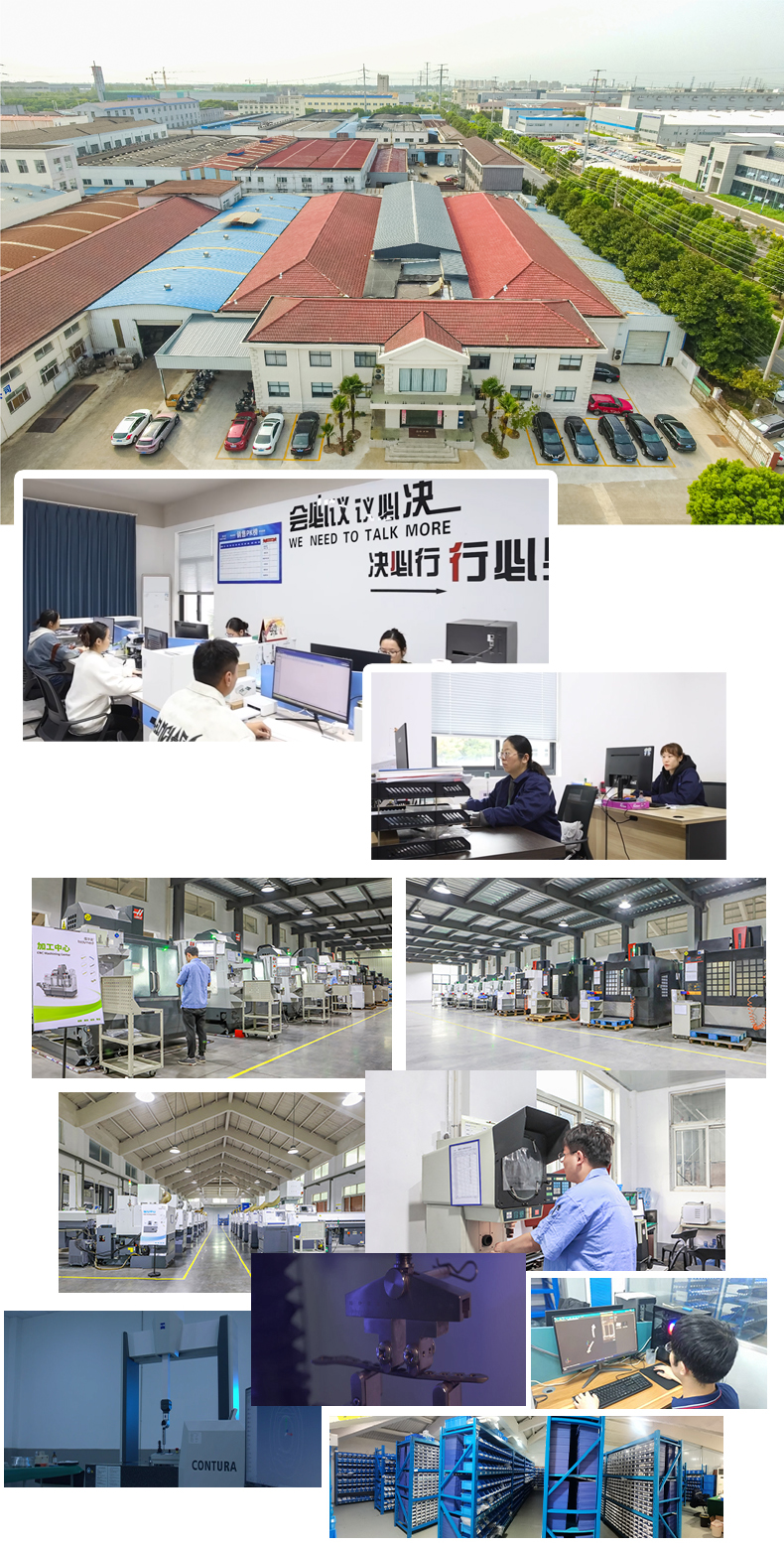
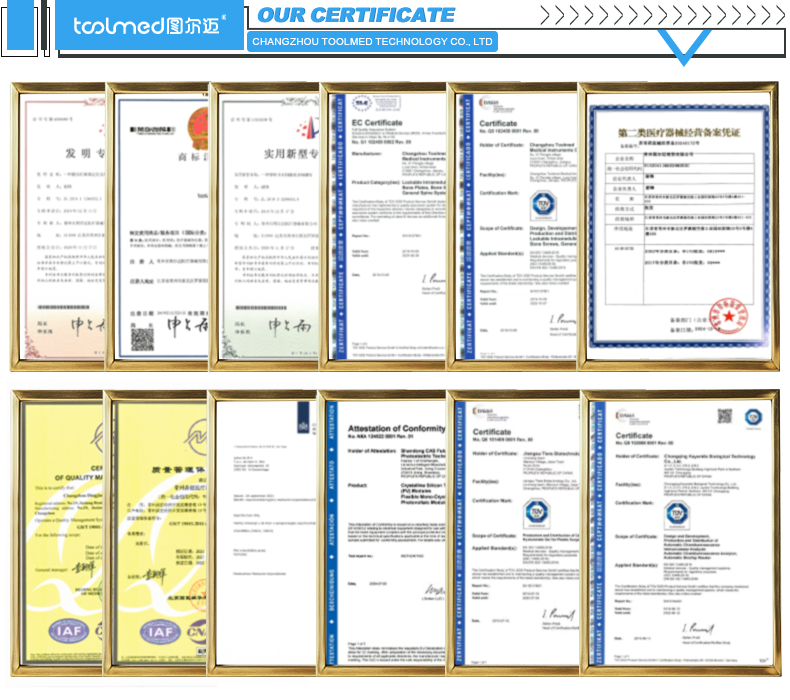
Our factory is equipped with over 60 advanced CNC machines operated by 100+ skilled technicians, a 300 m² GMP-compliant clean room, and a 10,000 m² production facility. We maintain a CNAS and ISO 17025 certified testing center, invest heavily in CNC turning technology, and utilize high-precision inspection systems including CMM, PP, and QV to ensure product quality and consistency.
We offer fast and reliable global shipping. Standard lead times range from 7 to 15 working days, depending on order quantity and customization requirements. Express delivery options are also available upon request.
Yes, we ship to most countries worldwide. We work with trusted logistics partners to ensure timely and secure delivery.
We accept a variety of payment options, including T/T (bank transfer), L/C, and PayPal for smaller orders. Payment terms can be discussed based on order volume and partnership agreements.
Yes, samples are available for evaluation. Please contact our sales team to request product samples and shipping arrangements.
Absolutely. We offer OEM/ODM services including custom packaging, branding, and product development tailored to your specifications.


