
 |
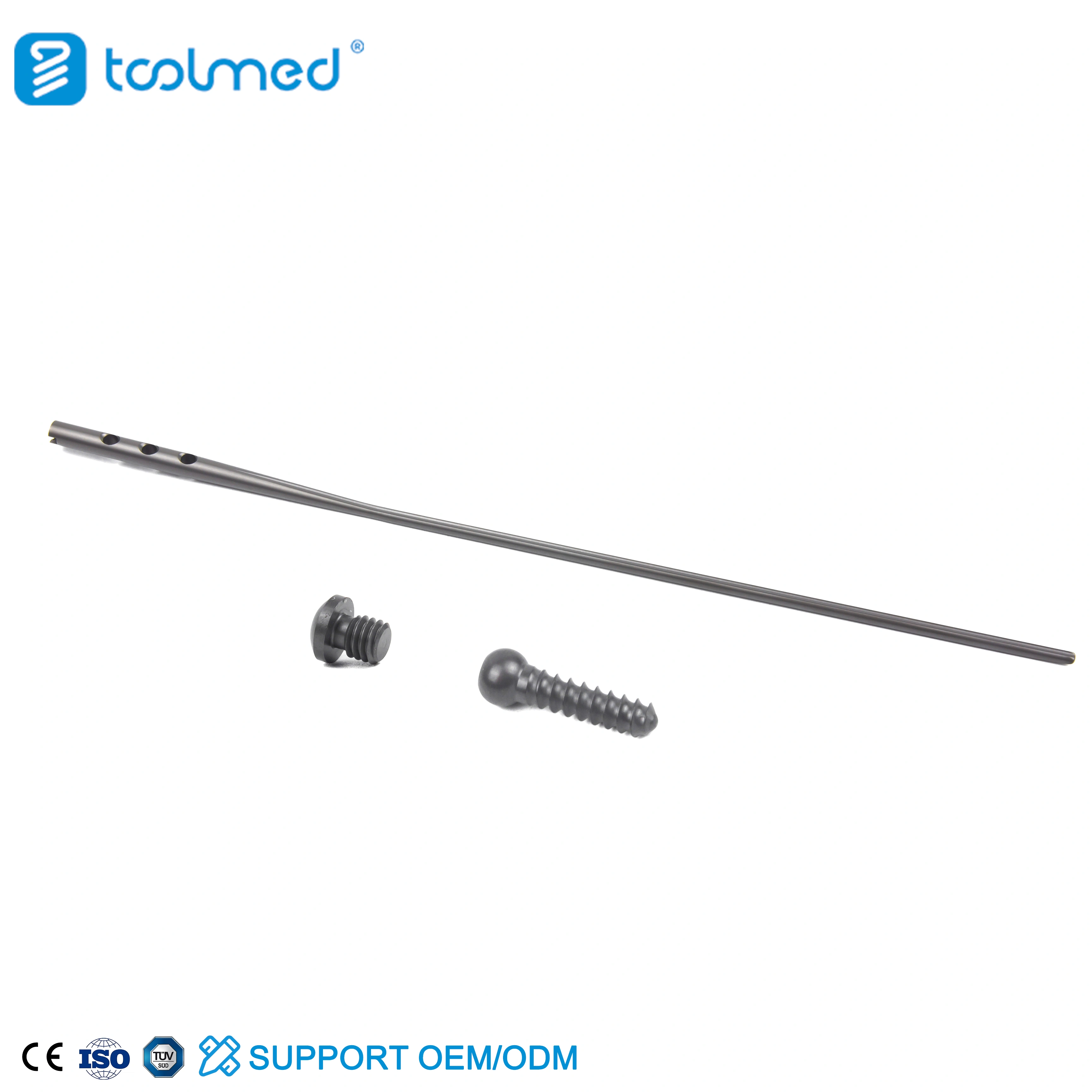
The TOOLMED Ulna Intramedullary Nail is a specialized orthopedic solution for the internal fixation of ulnar shaft fractures. Unlike the radius, the ulna acts as the stable hinge of the forearm; therefore, this nail is engineered to provide rigid longitudinal and rotational support. Manufactured from high-strength Ti-6Al-4V Titanium alloy, the nail features an anatomical straight design with a slight proximal taper to accommodate the olecranon entry point. The system is designed for a minimally invasive approach, inserted through the proximal ulna to minimize disruption to the soft tissue and the critical interosseous membrane. Equipped with precise proximal and distal locking options, the TOOLMED Ulna Nail ensures that length and alignment are maintained, even in comminuted or segmental fractures. This system is a vital component for surgeons treating complex forearm trauma, offering superior biocompatibility and a streamlined surgical technique compared to traditional compression plating.
Ulna Intramedullary Nail
TOOLMED
TC4
1 Pcs
5-15 Days
/
Product Description
The nail is designed for a proximal entry point through the olecranon, with a low-profile head that prevents irritation to the triceps tendon and the elbow joint capsule.
Utilizes medical-grade Ti-6Al-4V Titanium, providing high fatigue resistance and a modulus of elasticity that supports natural bone healing while reducing stress shielding.
Features multi-planar locking holes at both ends to securely fix the bone fragments, preventing the rotational displacement common in forearm spiral fractures.
Acts as a central load-sharing device within the medullary canal, preserving the periosteal blood supply and promoting faster callus formation compared to ORIF.
While the ulna nail is specific to the forearm, the proximal entry technique requires careful positioning of the limb to ensure the elbow and shoulder remain in a neutral alignment.
The Ulna nail is dedicated to the upper extremity; however, it utilizes the same high-purity Titanium materials found in our larger femoral and hip systems.
Indicated for fractures extending into the proximal olecranon or the distal ulnar metaphysis, where locking screws provide stable anchorage near the elbow and wrist joints.
The primary indication. Used for midshaft transverse, oblique, and comminuted fractures of the ulna, as well as for stabilizing non-unions and managing Monteggia fracture-dislocations.
| Product Name | Ulna Intramedullary Nail |
| Material | TC4 |
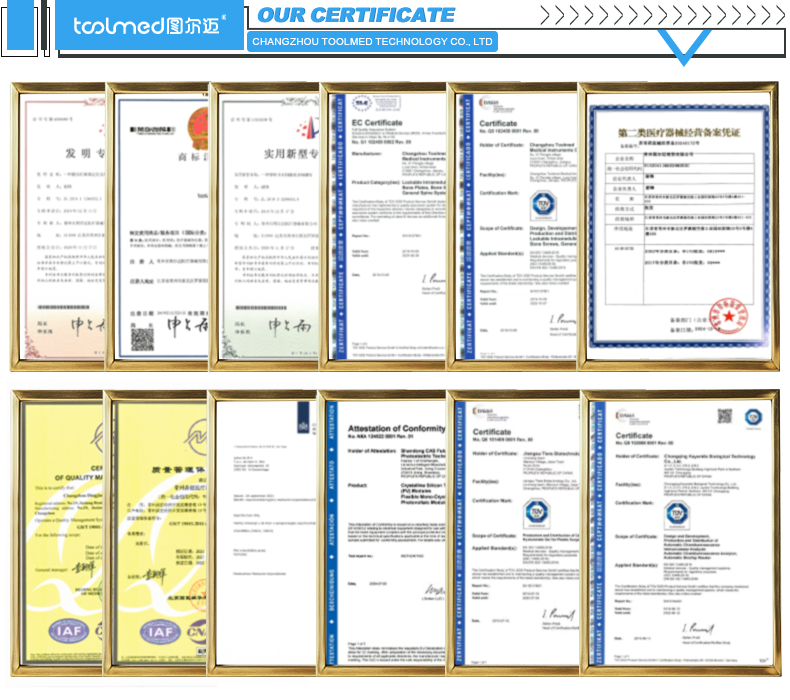
| Certificate | CE Certificate |
| Brand | TOOLMED |
| MOQ | 1 Pcs |
| OEM | Avaliable |
| Package | PE Inner Bag+Carton |
| Payment Method | T/T,Bank transfer, Western Union |
| Delivery Time | 5-15 Days |
| Shipping | DHL EMS UPS TNT FEDEX |

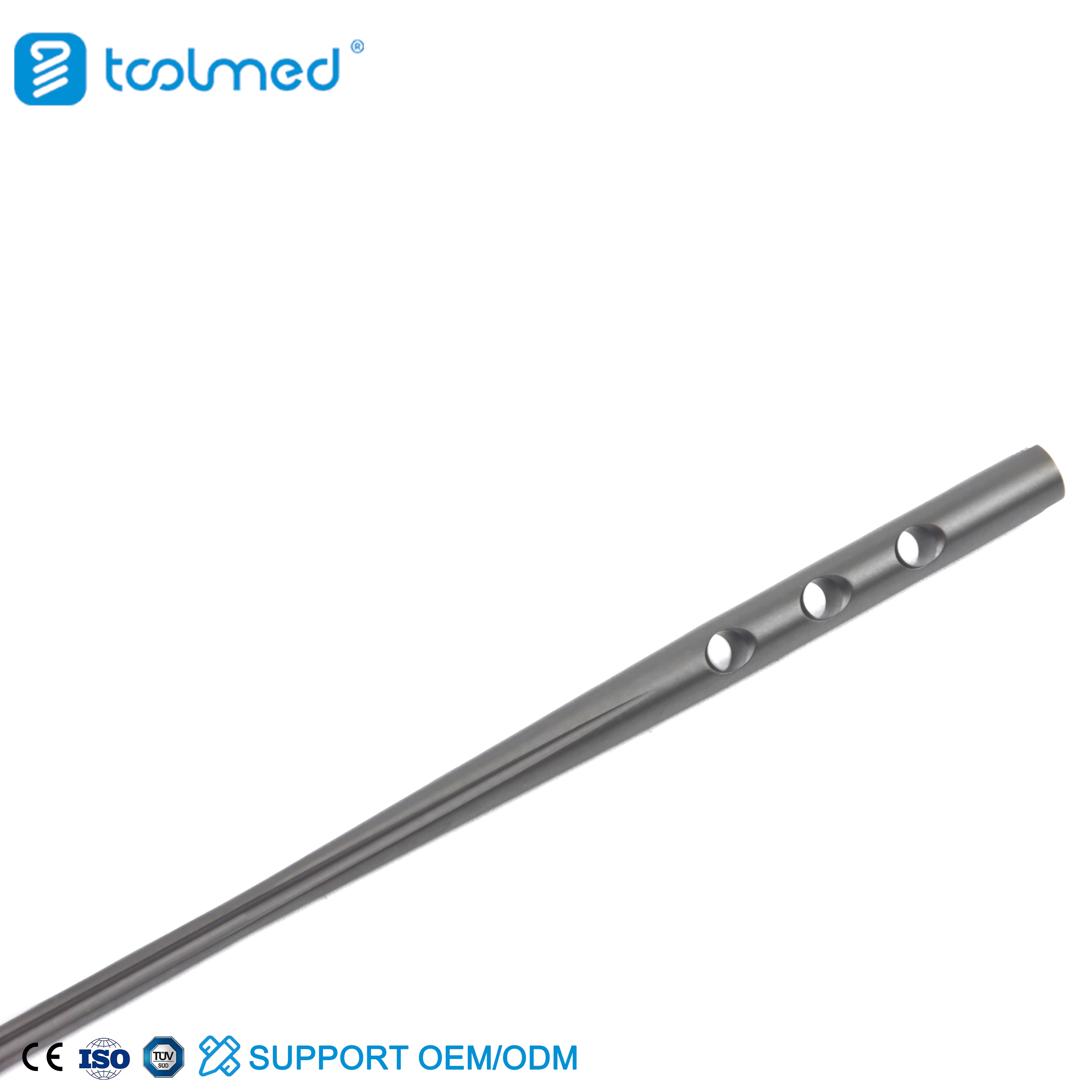
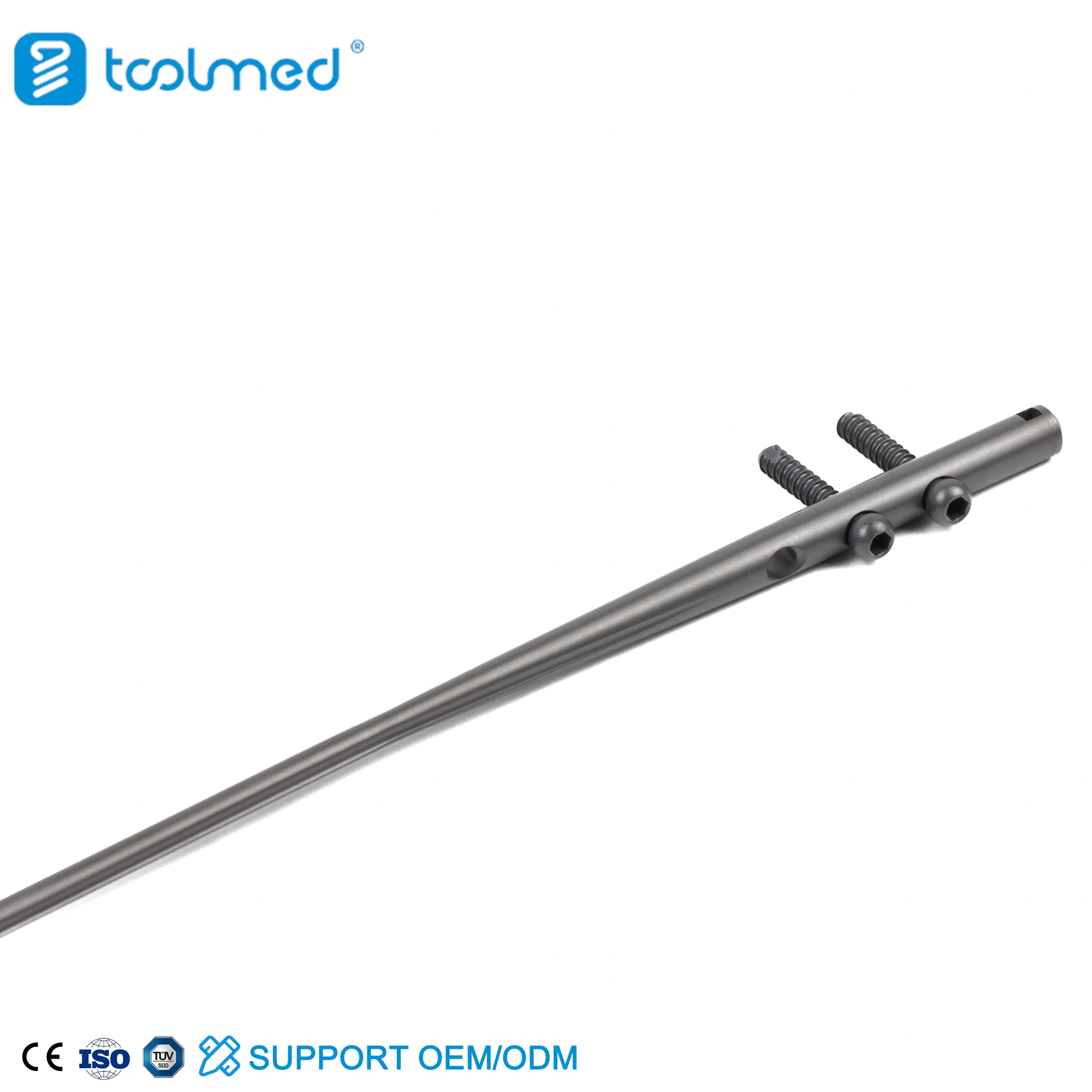
The Ulna Intramedullary Nail (Titanium) is a precision-machined internal fixation device used for the surgical stabilization of fractures of the ulnar bone. Located within the central medullary canal, it serves as an internal splint that supports the bone's anatomical alignment from within. Because the ulna is the primary axis of forearm rotation, the nail is designed to resist both bending and torsional forces. Manufactured from medical-grade Titanium alloy, the system consists of the nail body and specialized locking screws that pass through the nail at the proximal (elbow) and distal (wrist) ends. This configuration creates a rigid load-sharing construct that maintains bone length and prevents rotation, allowing for early functional recovery without the extensive soft tissue damage associated with bone plates.
The system is primarily applied in the treatment of diaphyseal ulnar fractures, including transverse, short oblique, and comminuted patterns. It is frequently used in "both-bone" forearm fractures in combination with a radial nail. The nail is also highly effective for Monteggia fractures (ulnar shaft fracture with radial head dislocation), where restoring ulnar length is critical to joint stability. Because the surgical approach is minimally invasive, the Ulna nail is an ideal choice for patients with compromised skin or open fractures where preserving the local blood supply is essential. Additionally, it is used for the stabilization of pathological fractures and as a salvage tool for failed primary fixation or non-unions.
The primary advantage of the TOOLMED Ulna Nail is the preservation of the periosteum and the interosseous membrane, both of which are critical for rapid bone healing and maintaining the stability of the radioulnar joints. The Titanium construction offers superior fatigue strength and is more biocompatible than stainless steel, reducing the risk of implant-related complications. Our nail features a tapered proximal end that facilitates easier insertion through the olecranon while minimizing the risk of iatrogenic fractures. Furthermore, the system is accompanied by high-precision targeting instruments that allow for accurate locking screw placement, reducing operative time and radiation exposure during the procedure.
Biomechanically, the ulna nail functions as a load-sharing implant. By occupying the central medullary canal, it is positioned along the neutral axis of the bone, which reduces the mechanical stress on the implant compared to an eccentric side plate. The system provides static locking to resist the powerful rotational forces of the forearm muscles during pronation and supination. This stability allows for secondary bone healing through the formation of a natural bridging callus. By sharing the load with the bone, the nail minimizes "stress shielding," ensuring that the healing bone remains strong and dense throughout the remodeling phase.
The surgical procedure begins with an antegrade approach through the olecranon. A small incision is made at the elbow, and a guide wire is passed into the ulnar canal under fluoroscopic guidance. The canal is reamed as needed to ensure a snug fit for the nail. The Titanium nail is then advanced over the guide wire until it reaches the distal ulna. Using a dedicated proximal targeting jig, the proximal locking screws are inserted to secure the nail to the olecranon. Distal locking is then performed using a "free-hand" technique under X-ray guidance to ensure rotational stability. The final position is verified via radiographs to confirm the restoration of the anatomical ulnar axis.
Postoperative care focuses on early active range-of-motion exercises for the elbow and wrist to prevent joint stiffness and ensure full forearm rotation. For the surgical facility, the maintenance of the Ulna instrument set is critical. All targeting jigs, guide wires, and reamers must be cleaned and inspected for wear and alignment after every case. Titanium nails are single-use devices and should never be re-used or re-sterilized if they have been previously shaped or inserted. The instrument tray should be sterilized using a standard steam autoclave at 134°C. Regular radiographic follow-ups are scheduled at 4, 8, and 12 weeks to monitor the progress of bone union and ensure no hardware migration has occurred.
The TOOLMED Ulna Intramedullary Nail (Titanium) offers a biomechanically superior and minimally invasive alternative to traditional plating. Its anatomical design and high-strength Titanium construction make it the premier choice for surgeons treating complex ulnar trauma while prioritizing the restoration of forearm rotation and patient quality of life.
The proximal end of our nail is designed with a low-profile head that is intended to be seated slightly below the bone surface of the olecranon. This minimizes the risk of hardware prominence and irritation to the skin or triceps tendon.
Yes, we offer smaller diameters (e.g., 3.0mm) that are suitable for pediatric and adolescent patients whose medullary canals are narrower than those of adults.
Our long ulnar nails feature distal locking holes positioned close to the nail tip, allowing for stable fixation in fractures located in the distal third of the ulnar shaft.
Titanium is lighter and offers better biocompatibility. More importantly, its modulus of elasticity is closer to that of bone, which helps maintain bone health during the healing process and is less likely to cause the bone to thin out (stress shielding).
Removal is usually not required unless the hardware causes local discomfort. If removal is desired, it is typically performed at least 18-24 months post-surgery after full cortical remodeling is confirmed on X-ray.
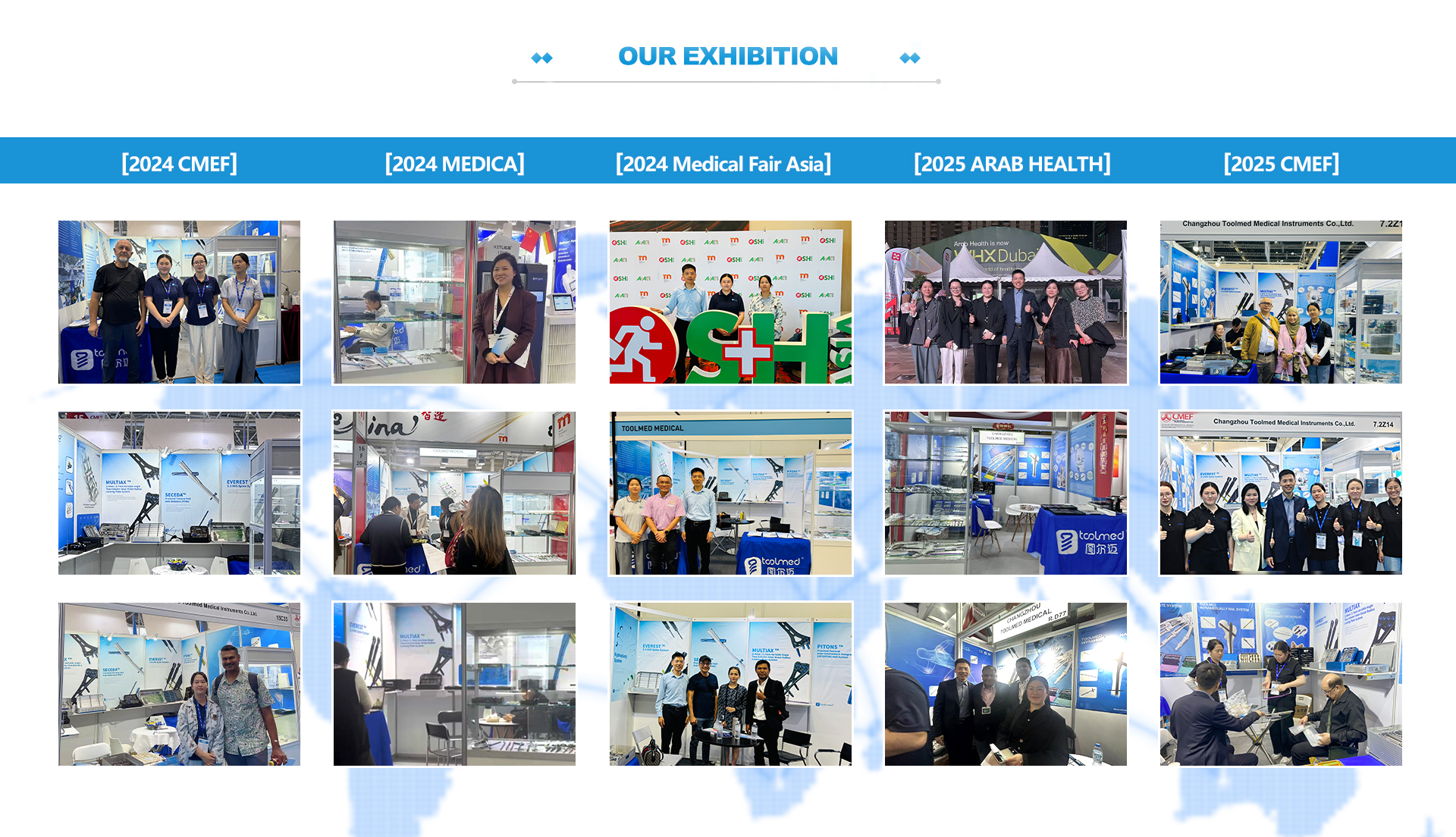
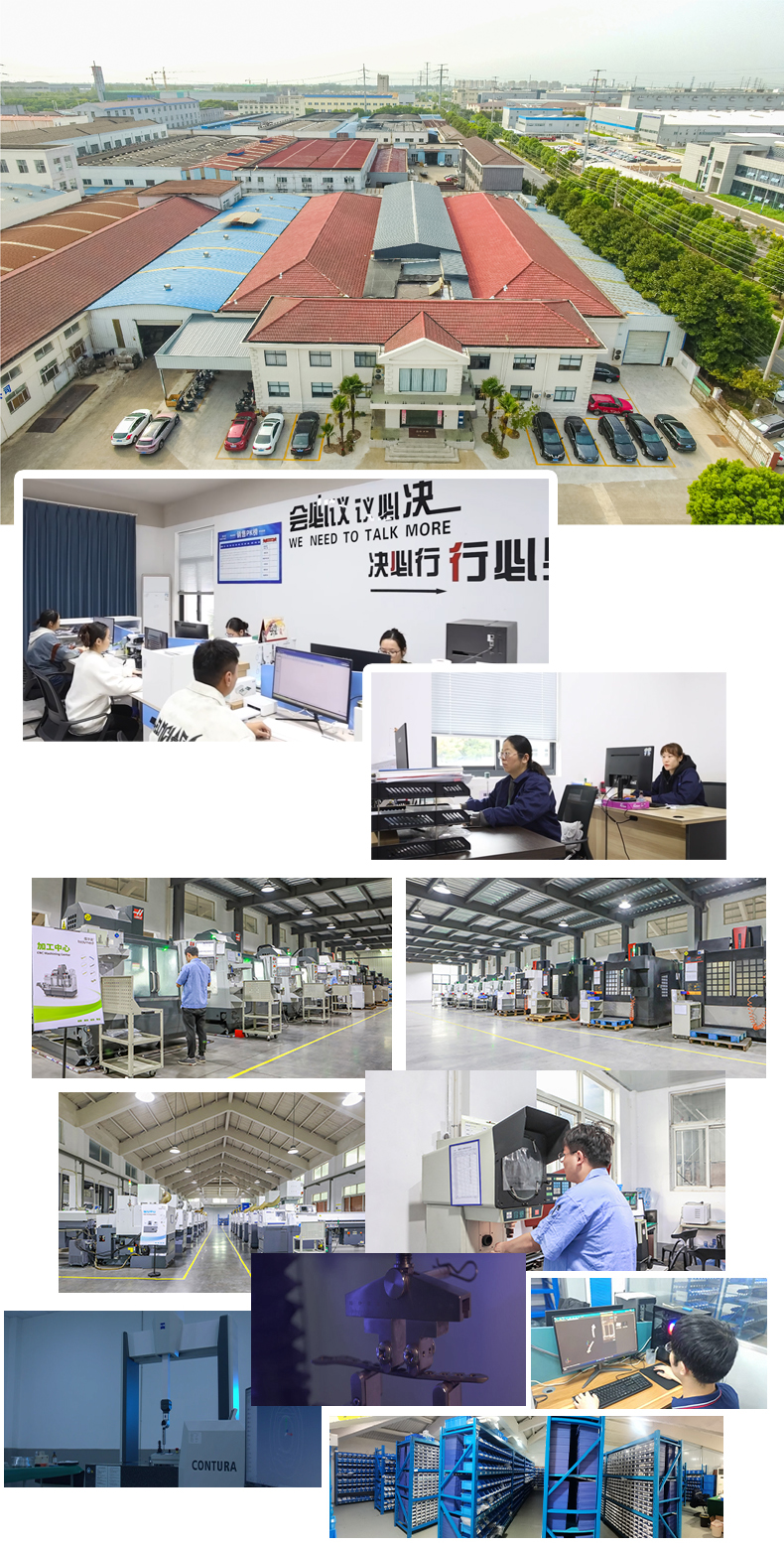
Our factory is equipped with over 60 advanced CNC machines operated by 100+ skilled technicians, a 300 m² GMP-compliant clean room, and a 10,000 m² production facility. We maintain a CNAS and ISO 17025 certified testing center, invest heavily in CNC turning technology, and utilize high-precision inspection systems including CMM, PP, and QV to ensure product quality and consistency.
We offer fast and reliable global shipping. Standard lead times range from 7 to 15 working days, depending on order quantity and customization requirements. Express delivery options are also available upon request.
Yes, we ship to most countries worldwide. We work with trusted logistics partners to ensure timely and secure delivery.
We accept a variety of payment options, including T/T (bank transfer), L/C, and PayPal for smaller orders. Payment terms can be discussed based on order volume and partnership agreements.
Yes, samples are available for evaluation. Please contact our sales team to request product samples and shipping arrangements.
Absolutely. We offer OEM/ODM services including custom packaging, branding, and product development tailored to your specifications.


