
 |
T1011-0001(black)
TOOLMED
TC4
1 Pcs
5-15 Days
/
Product Description
The Nail-II features additional distal locking holes in a specialized "Expert" configuration, allowing for maximum stability in comminuted distal metaphyseal fragments.
Utilizes advanced materials for the targeting system to ensure the surgeon has a clear fluoroscopic view for precise multi-planar screw placement without hardware interference.
The nail is contoured to match the flared anatomy of the distal femoral metaphysis, ensuring a snug fit and optimal distribution of mechanical forces within the canal.
High-performance medical titanium provides excellent fatigue resistance and a modulus of elasticity that promotes physiological bone loading and callus formation.
Specifically indicated for AO/OTA Type 33 fractures where the distal fragment is severely fragmented, requiring multiple points of multi-planar fixation to maintain anatomical alignment.
An ideal solution for fractures occurring above a stable total knee replacement (TKR). The retrograde approach allows the nail to pass through the femoral component's box to stabilize the fracture.
Indicated for fractures that extend into the knee joint (intercondylar). The Expert Nail-II allows for "cross-locking" screws that compress and stabilize the condyles while securing them to the shaft.
A reliable choice for revision cases or non-unions where previous plating or standard nailing has failed, providing the extra stability needed in the distal third metaphyseal zone.
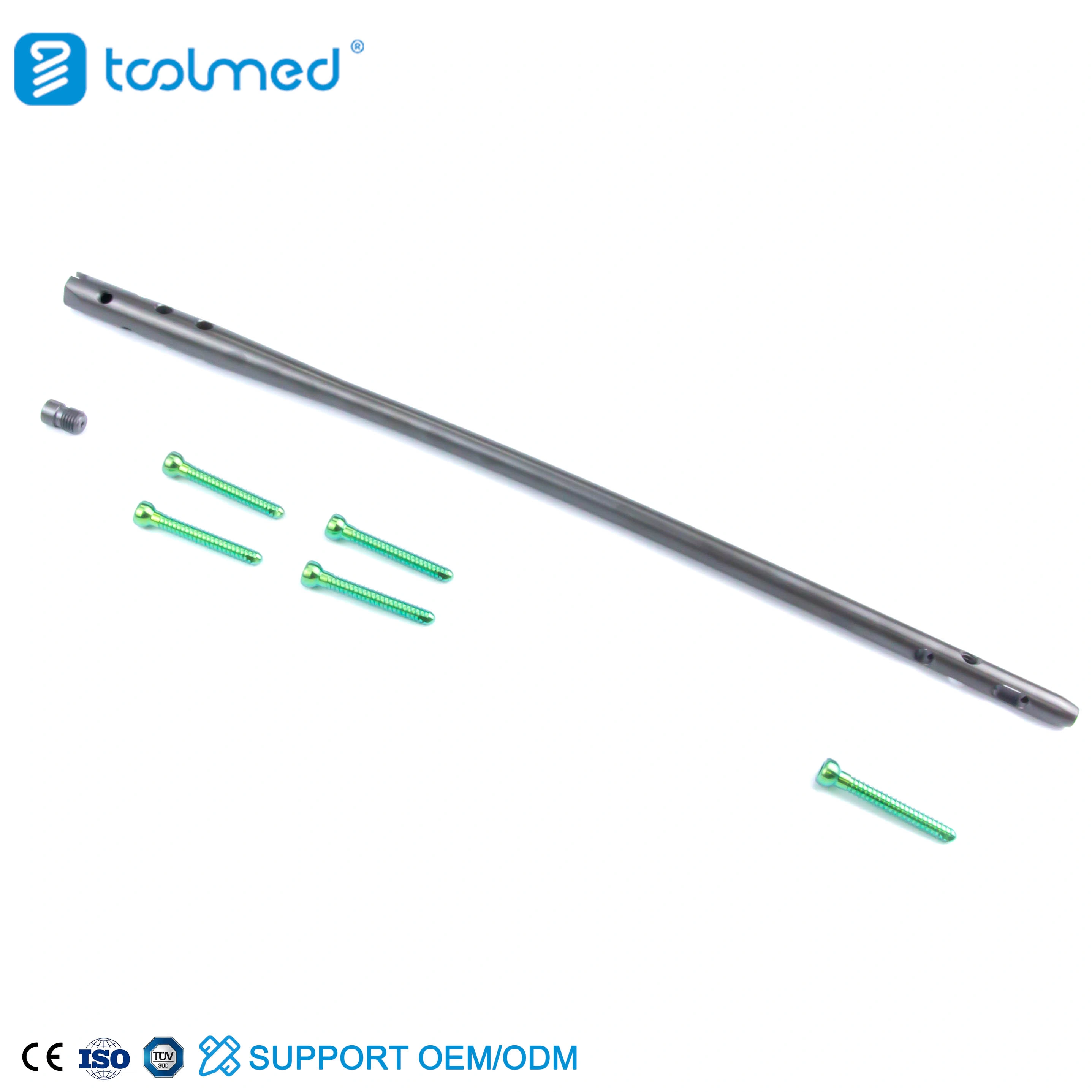
| Product Name | Expert Reversed Femoral Intranedullary Nail-II |
| Material | TC4 |
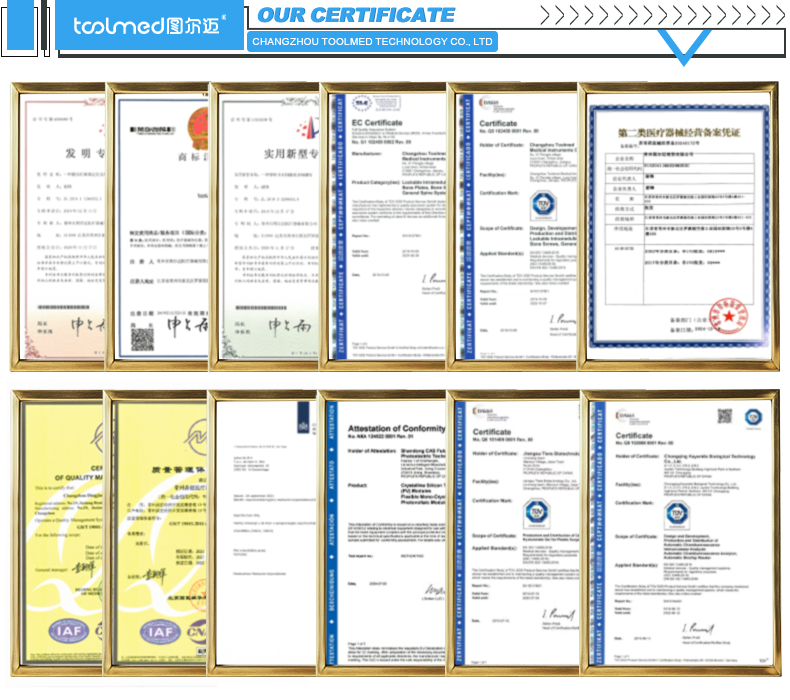
| Certificate | CE Certificate |
| Brand | TOOLMED |
| MOQ | 1 Pcs |
| OEM | Avaliable |
| Package | PE Inner Bag+Carton |
| Payment Method | T/T,Bank transfer, Western Union |
| Delivery Time | 5-15 Days |
| Shipping | DHL EMS UPS TNT FEDEX |

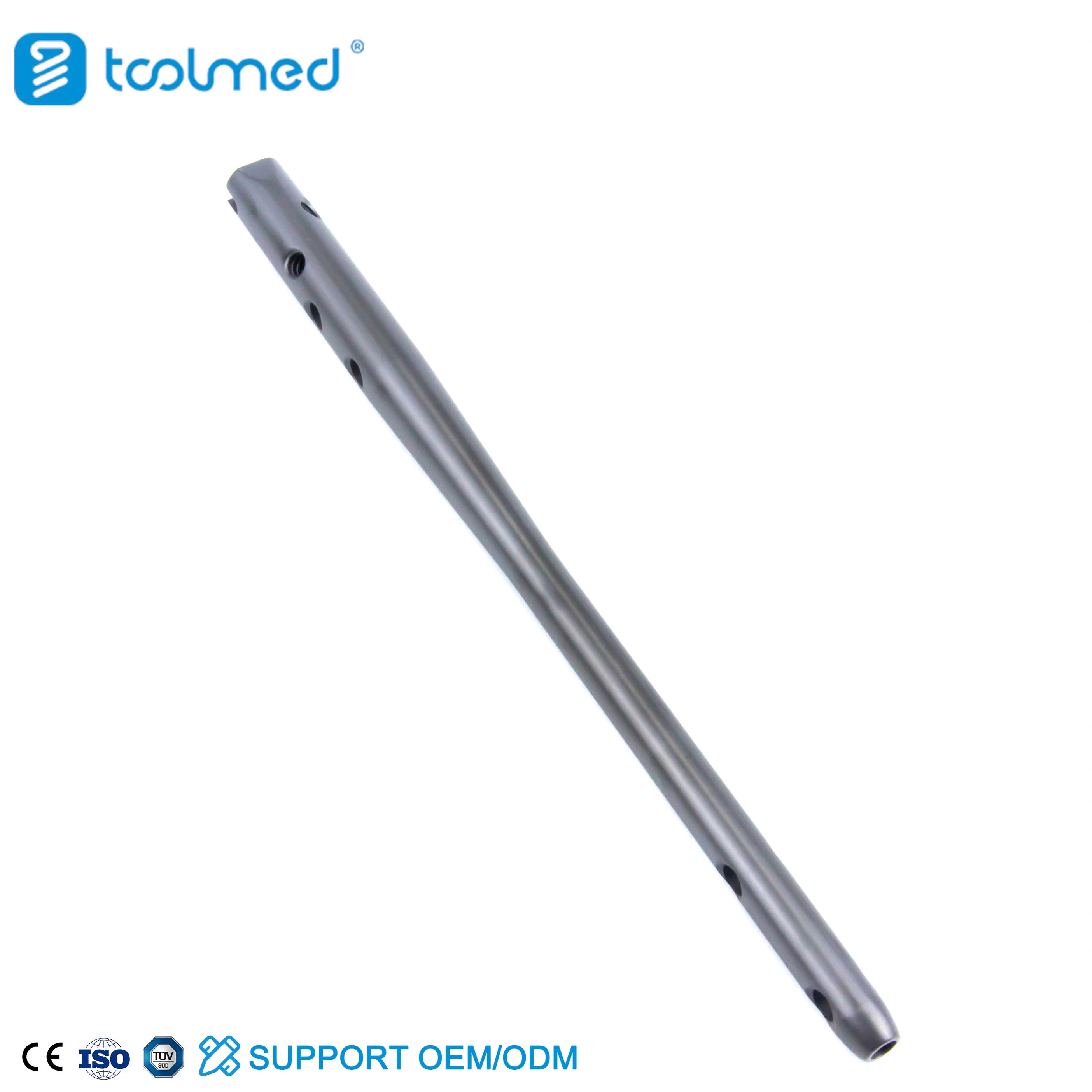
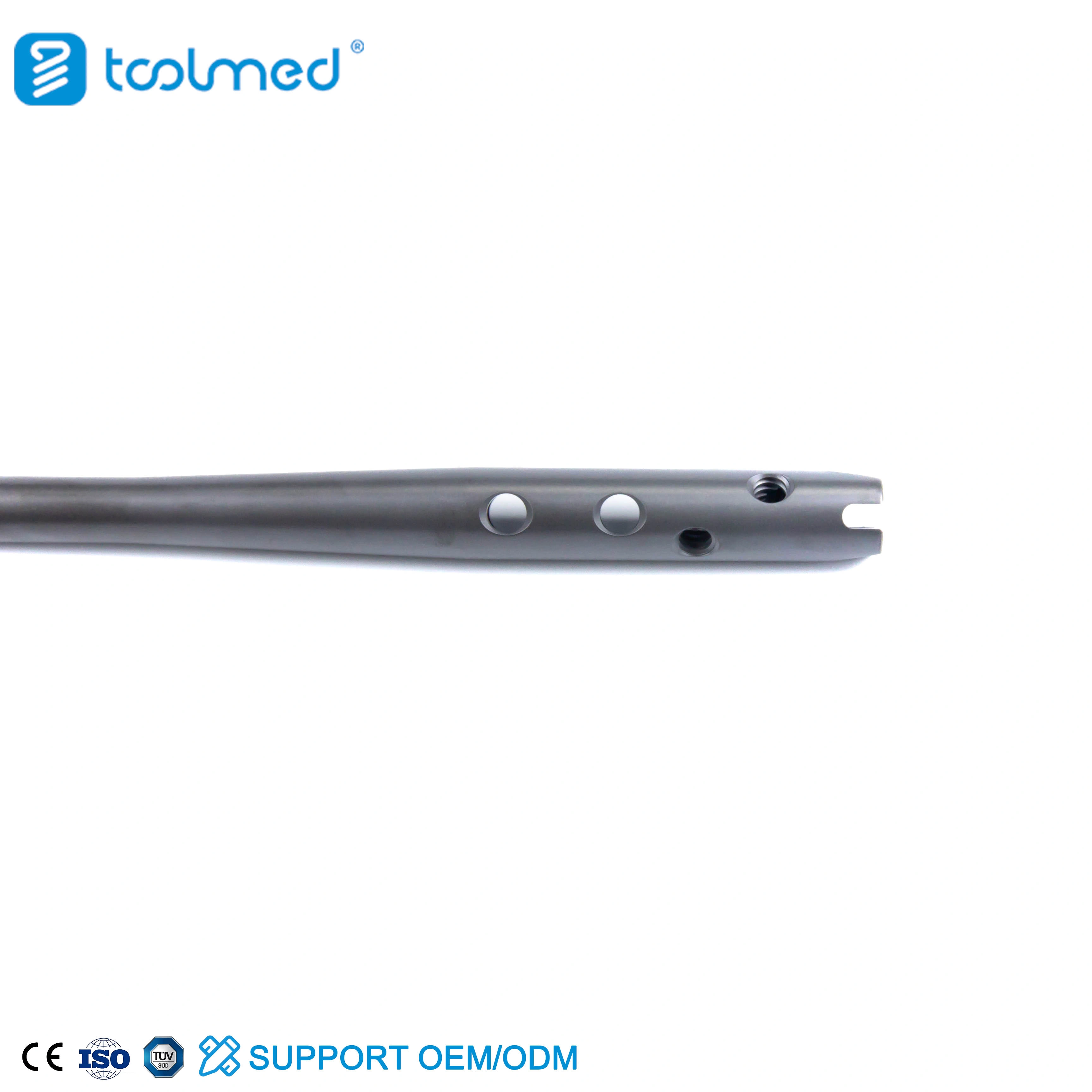
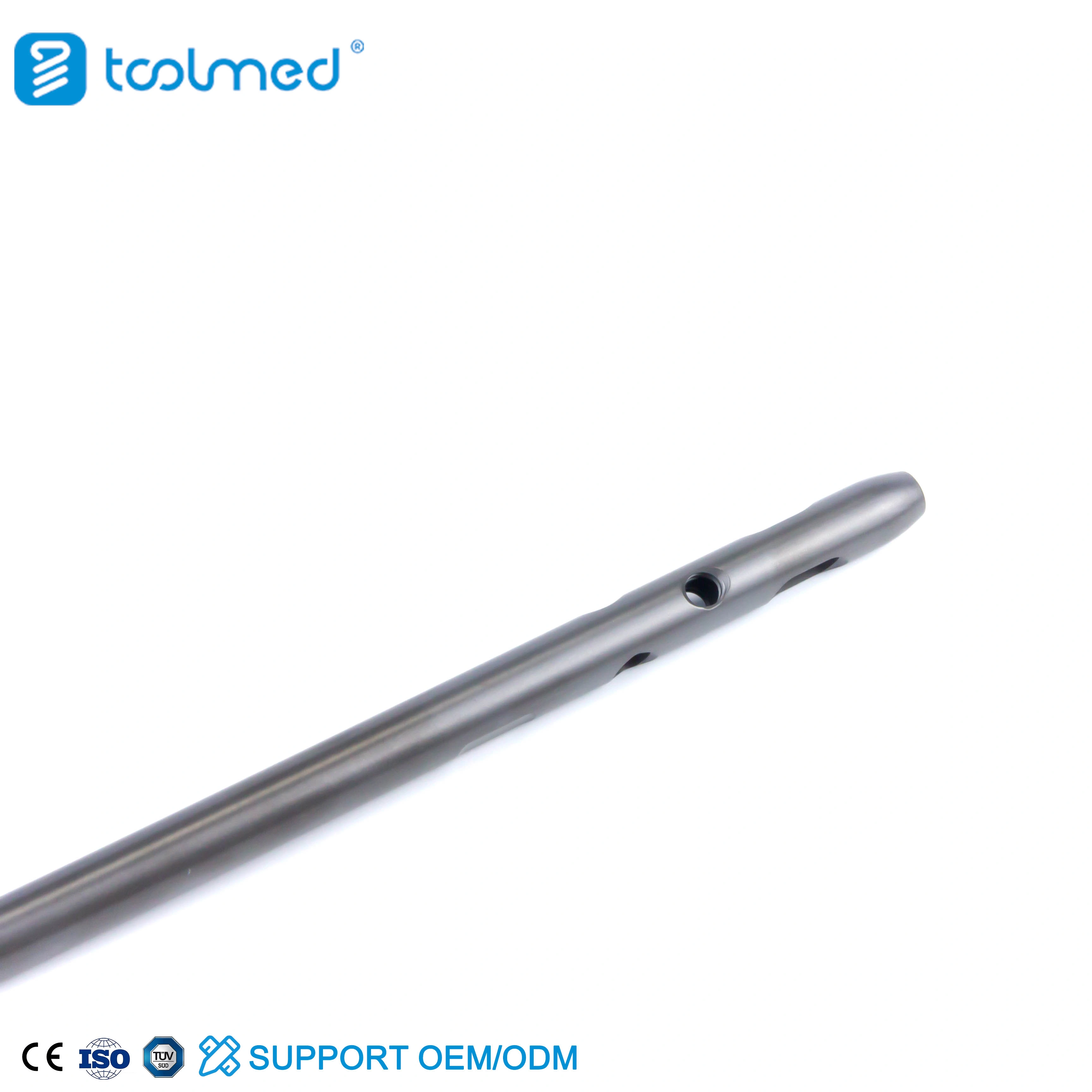
The Expert Reversed Femoral Intramedullary Nail-II (Titanium) is a state-of-the-art retrograde nail designed specifically for the complex fixation of the distal femur. As the second generation of the Expert system, it features an even more advanced distal locking configuration. The nail is inserted in a retrograde fashion through the knee joint and advanced into the femoral shaft. Manufactured from medical-grade Ti-6Al-4V Titanium alloy, the system acts as a central internal splint that shares weight-bearing loads with the bone. The Nail-II is characterized by its high-density locking hole matrix in the distal portion, which allows for multiple fixed-angle screws to be placed in various orientations. This provides unparalleled stability for fractures located very close to the articular surface of the knee.
This system is primarily applied in high-energy trauma cases involving supracondylar and intercondylar femoral fractures (AO/OTA Type 33). It is particularly effective for fractures where the distal bone quality is poor or where significant comminution is present. The system is also a critical application for periprosthetic fractures—those occurring above an existing total knee replacement—where the retrograde entry through the intercondylar notch is the only viable intramedullary path. Furthermore, the Nail-II is used to manage femoral shaft fractures in patients who have existing hip implants, avoiding any conflict with proximal hardware. Its multi-planar locking makes it suitable for complex reconstructive procedures where rotational and axial stability are paramount.
The primary advantage of the TOOLMED Expert Reversed Nail-II is the density and diversity of its locking options. By allowing for more screws in a shorter distal fragment, the system achieves a degree of stability previously only possible with large plates, while maintaining the benefits of minimally invasive surgery. The Titanium alloy construction provides high fatigue strength and a modulus of elasticity that minimizes stress shielding. The system also includes a high-precision carbon-fiber targeting jig, which is radiolucent and does not obscure the surgeon’s view during X-ray checks. This leads to more accurate screw placement and shorter operative times. Additionally, the nail’s smooth surface treatment facilitates easier insertion and potential long-term removal if required.
Biomechanically, the Nail-II functions as a rigid central scaffold within the distal femur. Because it is positioned within the neutral axis of the bone, it is subject to lower bending stresses than eccentric side plates, making it extremely durable for load-sharing. The multi-planar locking construct at the distal end creates a stable "fixed-angle" environment that resists the strong torsional forces of the lower limb. This stability is essential for maintaining the knee joint's alignment throughout the healing process. The Titanium material allows for micro-motion at the fracture site under physiological load, which stimulates osteoblast activity and encourages the formation of a robust, bridging callus, accelerating the time to clinical union.
The surgical technique begins with the patient supine and the knee slightly flexed. A small incision is made through the patellar tendon. Under fluoroscopy, an entry point is created in the intercondylar notch. A guide wire is passed into the femoral canal, and the bone is reamed to the appropriate size. The Titanium Nail-II is then advanced over the guide wire until it is seated 2-5mm below the articular cartilage. Using the carbon-fiber distal targeting jig, multiple locking screws are inserted in the mediolateral and anteroposterior planes. Proximal locking is then completed using a free-hand technique. Final radiographs are taken to verify anatomical reduction and the correct positioning of the proximal and distal hardware before wound closure.
Postoperative care emphasizes early knee joint range-of-motion to prevent arthrofibrosis and maintain ligament health. For the hospital, the maintenance of the Nail-II instrument set—particularly the radiolucent targeting jigs—is critical for surgical success. Reamers and guide wires must be checked for sharpness and calibration. Titanium nails are strictly single-use devices. All instruments must be sterilized using a standard steam autoclave at 134°C. Radiographic follow-up at 4, 8, and 12 weeks is mandatory to track bone healing and ensure that no secondary displacement has occurred. Once bridging callus is visible on X-rays, the patient can gradually progress from partial to full weight-bearing activities.
The TOOLMED Expert Reversed Femoral Intramedullary Nail-II (Titanium) offers an advanced, biomechanically superior solution for the most complex distal femoral injuries. Its high-density locking options and precision instrumentation ensure that surgeons can achieve stable, anatomical results even in the most challenging trauma and periprosthetic scenarios.
The Nail-II features an expanded locking hole matrix in the distal portion, allowing for even more screws to be placed in a single distal fragment. It also comes with an upgraded carbon-fiber radiolucent targeting jig for better intraoperative visualization.
Yes, the retrograde nail can be used; however, the surgeon must be careful not to damage the existing articular surfaces further. In many cases, if the patient eventually needs a total knee replacement, the nail can be removed at that time.
Standard metal jigs can block the surgeon's view on X-ray (fluoroscopy). Carbon-fiber jigs are "invisible" on X-ray, allowing the surgeon to see exactly where the locking holes and the bone fragments are located for perfect screw placement.
Yes, the Nail-II is compatible with the use of "Poller" or blocking screws. These are often used to guide the nail during insertion in wide distal fragments to ensure a perfect anatomical reduction.
In most trauma cases, the Titanium nail is intended for long-term implantation and is left in place permanently. It is only removed if it causes symptoms such as hardware irritation or in the event of a deep infection.
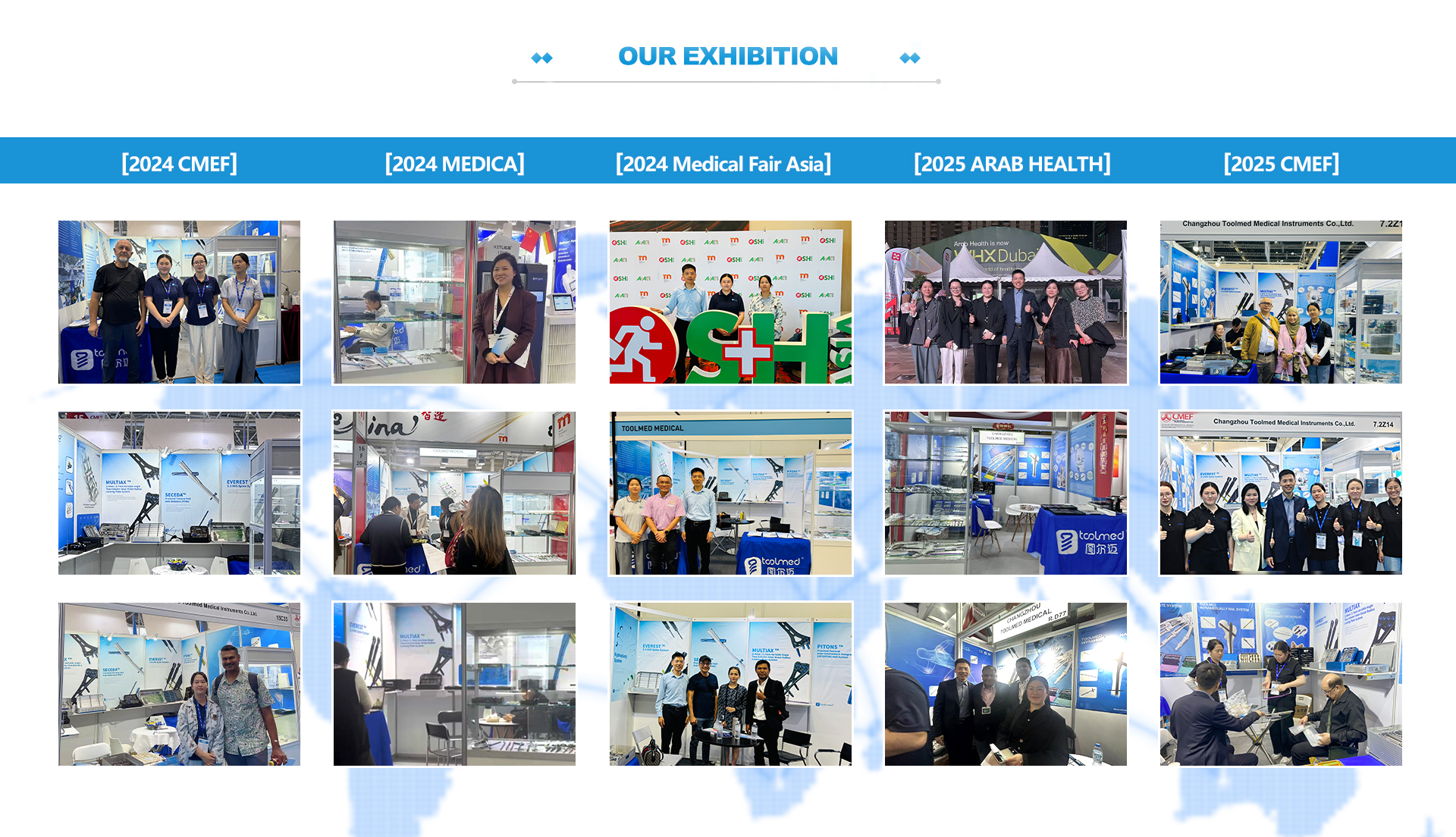
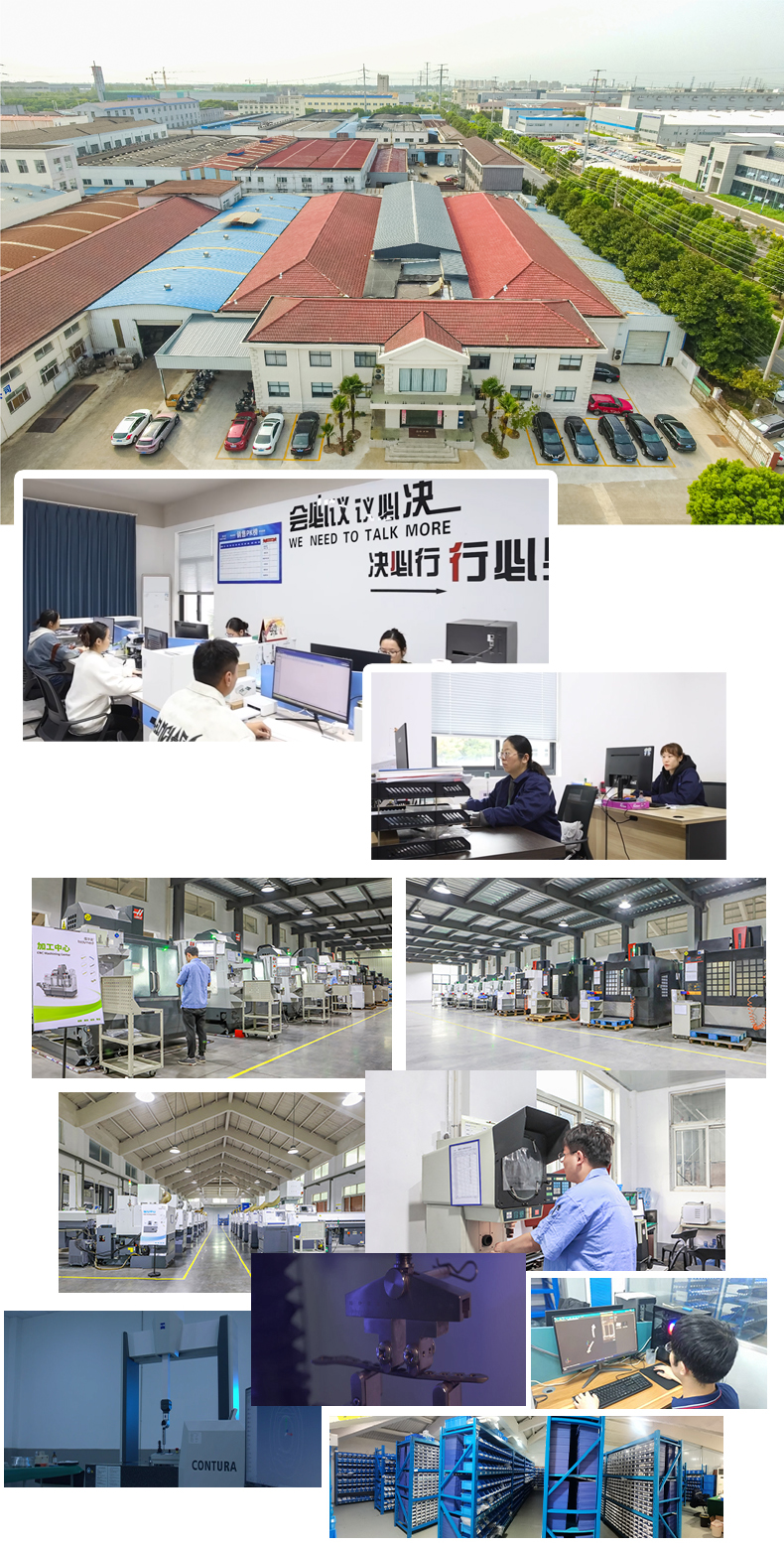
Our factory is equipped with over 60 advanced CNC machines operated by 100+ skilled technicians, a 300 m² GMP-compliant clean room, and a 10,000 m² production facility. We maintain a CNAS and ISO 17025 certified testing center, invest heavily in CNC turning technology, and utilize high-precision inspection systems including CMM, PP, and QV to ensure product quality and consistency.
We offer fast and reliable global shipping. Standard lead times range from 7 to 15 working days, depending on order quantity and customization requirements. Express delivery options are also available upon request.
Yes, we ship to most countries worldwide. We work with trusted logistics partners to ensure timely and secure delivery.
We accept a variety of payment options, including T/T (bank transfer), L/C, and PayPal for smaller orders. Payment terms can be discussed based on order volume and partnership agreements.
Yes, samples are available for evaluation. Please contact our sales team to request product samples and shipping arrangements.
Absolutely. We offer OEM/ODM services including custom packaging, branding, and product development tailored to your specifications.


