
 |
T1003
TOOLMED
TC4
1 Pcs
5-15 Days
/
Product Description
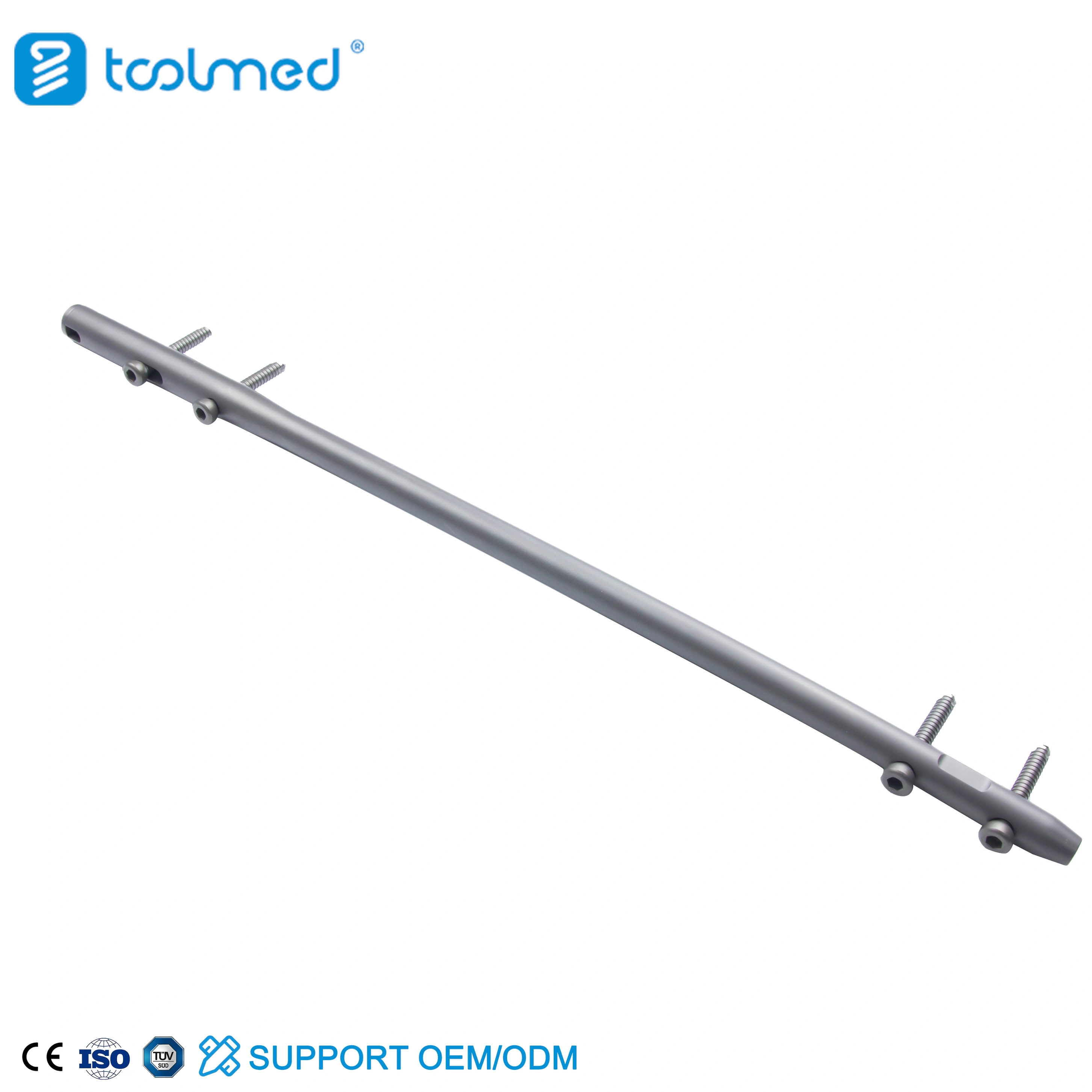
The nail features a specific radius of curvature to match the natural anterior bow of the femur, preventing distal cortical penetration and ensuring a seamless fit.
Constructed from high-strength Ti-6Al-4V, providing an ideal modulus of elasticity that reduces stress shielding and promotes rapid callus formation.
Equipped with proximal and distal locking holes that support both static fixation for comminuted fractures and dynamic fixation to encourage bone healing through controlled axial loading.
The nail is cannulated to allow for insertion over a guide wire, facilitating easier alignment and enabling the use of reamed techniques for increased stability.
While the nail is specific to the femur, the principles of intramedullary nailing are consistent with those used in humeral nailing for upper extremity reconstruction.
Indicated for antegrade nailing of subtrochanteric fractures and proximal third fractures where the nail provides a stable internal bridge across the high-stress hip region.
Specifically indicated for retrograde nailing of distal femoral fractures, providing rigid stabilization of the articular block while maintaining knee joint alignment.
The primary indication. Used for midshaft transverse, oblique, and comminuted fractures, where the nail restores length, alignment, and rotational stability.
Product Name | Femoral Intramedullary Nail |
| Material | TC4 |
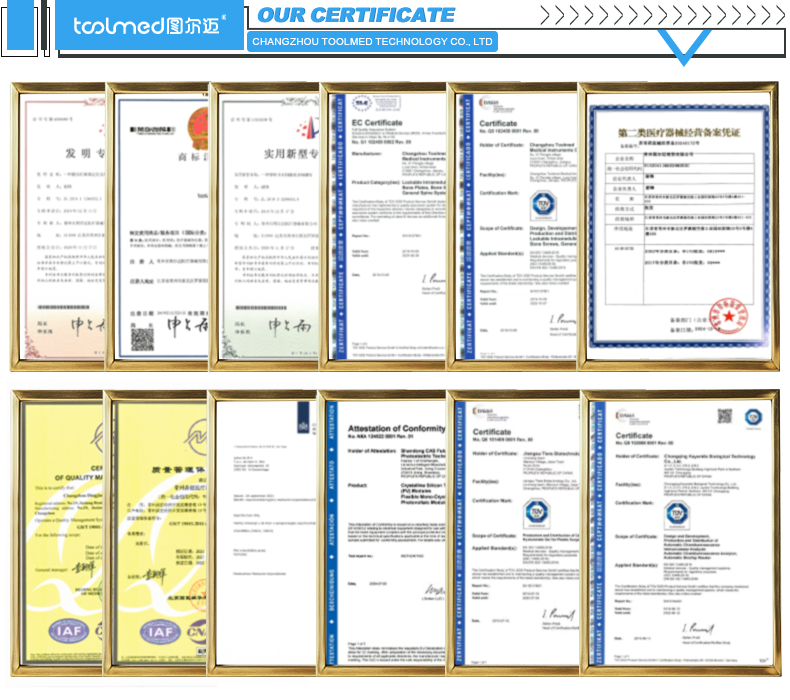
| Certificate | CE Certificate |
| Brand | TOOLMED |
| MOQ | 1 Pcs |
| OEM | Avaliable |
| Package | PE Inner Bag+Carton |
| Payment Method | T/T,Bank transfer, Western Union |
| Delivery Time | 5-15 Days |
| Shipping | DHL EMS UPS TNT FEDEX |

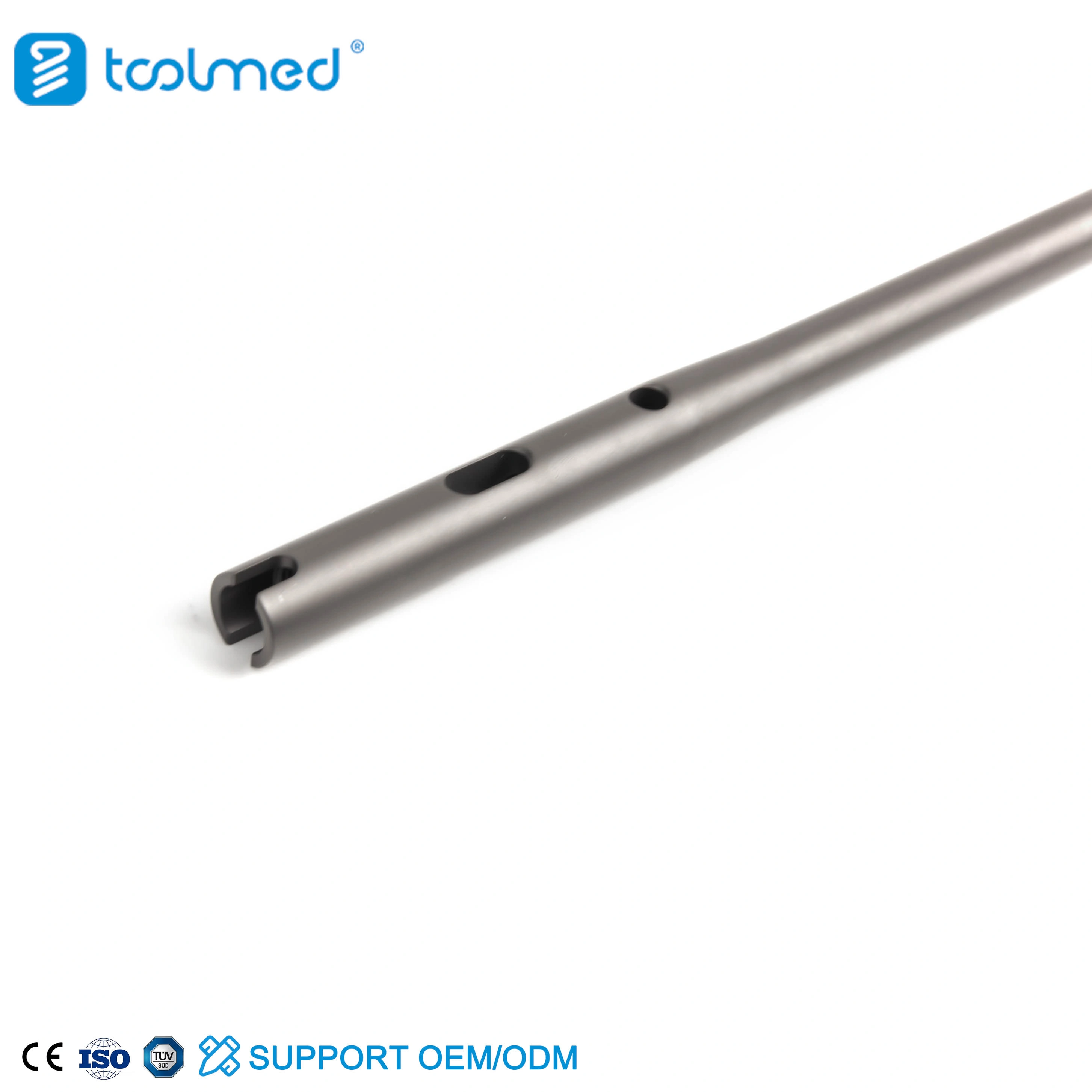
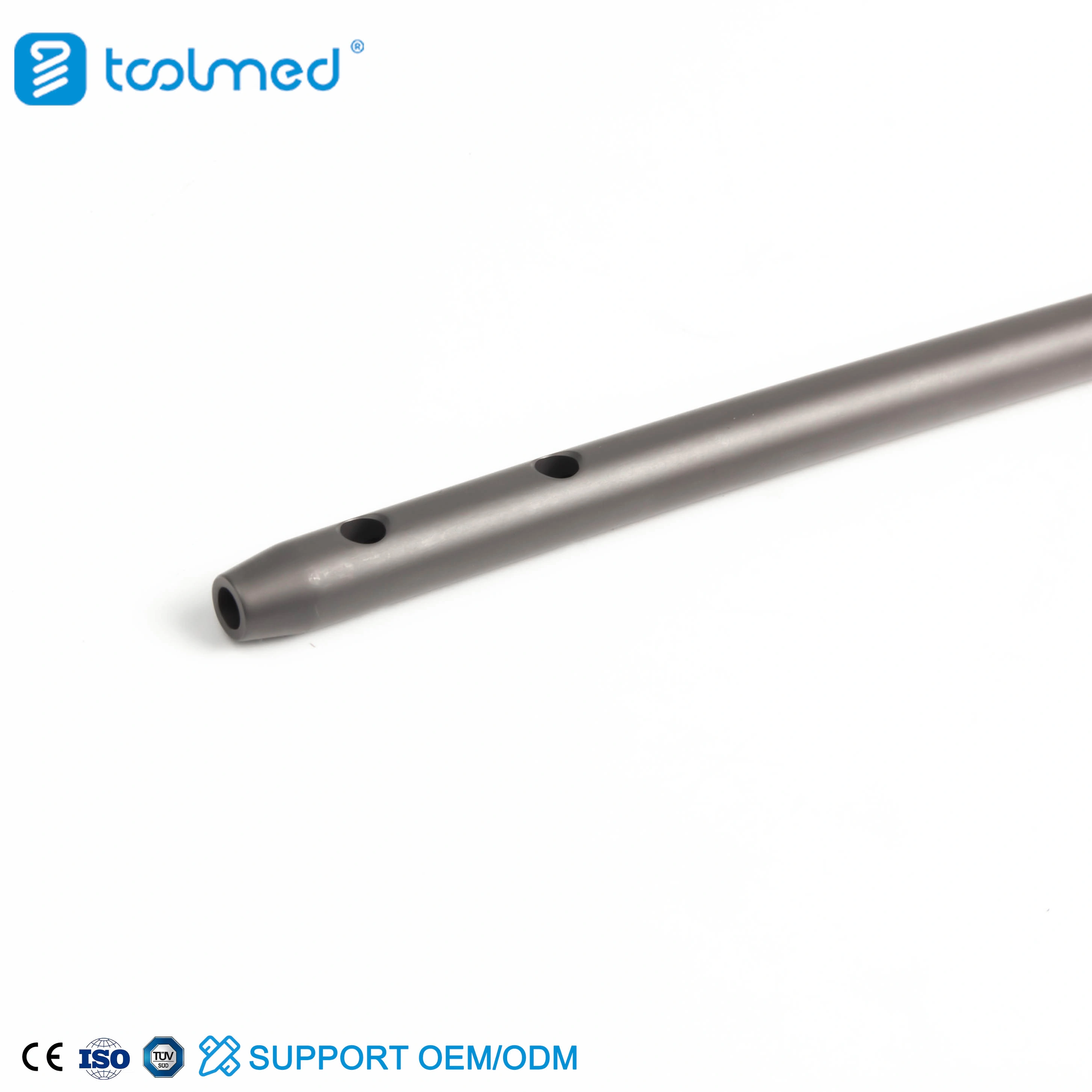
The Femoral Intramedullary Nail (Titanium) is a high-performance orthopedic implant used for the internal fixation of femoral shaft fractures. Unlike plating, which is applied to the surface of the bone, the intramedullary nail is inserted directly into the medullary canal. This central positioning makes it a load-sharing device, meaning it shares the physiological forces of weight-bearing with the bone rather than carrying the entire load. Manufactured from Ti-6Al-4V Titanium alloy, the nail is designed with a specific anatomical bow to facilitate insertion and fit. The nail is secured at both ends with locking screws, creating a construct that resists axial shortening and rotation, providing the stability necessary for secondary bone healing via callus formation.
This system is the gold standard for treating femoral shaft fractures, ranging from simple transverse fractures to complex comminuted and segmental injuries. It is also highly effective for subtrochanteric fractures (using antegrade insertion) and supracondylar distal femoral fractures (using retrograde insertion). Beyond acute trauma, the nail is used in reconstructive surgery for the management of non-unions, mal-unions, and pathological fractures caused by metastatic bone disease. The intramedullary approach is minimally invasive, preserving the soft tissue envelope and periosteal blood supply, which is critical for patients with multiple traumas or compromised vascularity.
The primary advantage of the TOOLMED Femoral Nail is its biomechanical superiority as a load-sharing implant, which allows patients to begin early toe-touch or partial weight-bearing. The Titanium construction offers a lower modulus of elasticity than stainless steel, reducing the risk of stress shielding and promoting faster bone union. Our design features an optimized proximal diameter for easier insertion and a variety of locking configurations that can be tailored to the fracture's stability. Furthermore, the use of a cannulated design and specialized targeting instruments ensures high surgical precision, reducing fluoroscopy time and improving overall patient outcomes.
Biomechanically, the nail acts as an internal splint that aligns with the mechanical axis of the femur. Because it is positioned in the center of the bone, it is subjected to lower bending moments than a lateral plate. This makes the nail exceptionally resistant to fatigue failure. The static locking mode prevents all movement at the fracture site, which is essential for unstable comminuted fractures. The dynamic locking mode, however, allows for a few millimeters of axial movement; this "dynamization" stimulates the fracture site under physiological load, triggering the release of osteoblasts and accelerating the formation of a robust bridging callus.
The surgical technique begins with the patient in a supine or lateral position on a traction table. For antegrade nailing, an entry point is made at the piriformis fossa or the greater trochanter. A guide wire is passed across the fracture site into the distal femur. The medullary canal is then reamed to the appropriate diameter. The Titanium nail is inserted over the guide wire and advanced into position. Using the TOOLMED proximal and distal targeting jigs, locking screws are inserted to secure the construct. In retrograde nailing, the entry point is through the intercondylar notch of the knee. Intraoperative fluoroscopy is used throughout the procedure to confirm the reduction and screw placement.
Postoperative care emphasizes early mobilization and physical therapy to prevent joint stiffness and muscle atrophy. For the surgical team, the maintenance of the intramedullary instrument set is critical. All reamers, guide wires, and targeting jigs must be thoroughly cleaned and inspected for alignment. The Titanium nails are single-use devices and should not be re-inserted or altered. The instrument tray should be sterilized using a standard steam autoclave at 134°C. Regular clinical follow-up with X-rays is required at 6 weeks, 3 months, and 6 months to monitor the progress of the bony callus and ensure that no hardware migration or locking screw failure has occurred.
The TOOLMED Femoral Intramedullary Nail (Titanium) provides the ultimate combination of anatomical fit and mechanical stability. Its advanced load-sharing design and Titanium biocompatibility make it the premier choice for surgeons treating complex femoral trauma and seeking to return patients to active mobility as quickly as possible.
Antegrade nailing is typically used for proximal and midshaft fractures. Retrograde nailing is often preferred for distal third fractures, supracondylar fractures, or in patients with existing hip hardware or morbid obesity where antegrade access is difficult.
Reaming allows for the insertion of a larger, stronger nail and provides bone graft (endosteal reamings) at the fracture site, which can improve healing rates. However, unreamed nailing may be preferred in certain polytrauma patients to avoid pulmonary complications.
In most stable midshaft fractures, partial weight-bearing can begin immediately. For highly comminuted or subtrochanteric fractures, weight-bearing may be restricted until early callus formation is visible on X-ray.
The anatomical bow prevents the nail from "straightening" the femur, which would cause the distal tip to hit the anterior cortex. This bow ensures the nail sits naturally within the medullary canal, reducing pain and the risk of secondary fractures.
In most adults, the nail is left in place permanently unless it causes discomfort or requires removal for a secondary procedure. If removal is desired, it is usually done at least 18-24 months post-surgery after full cortical remodeling.
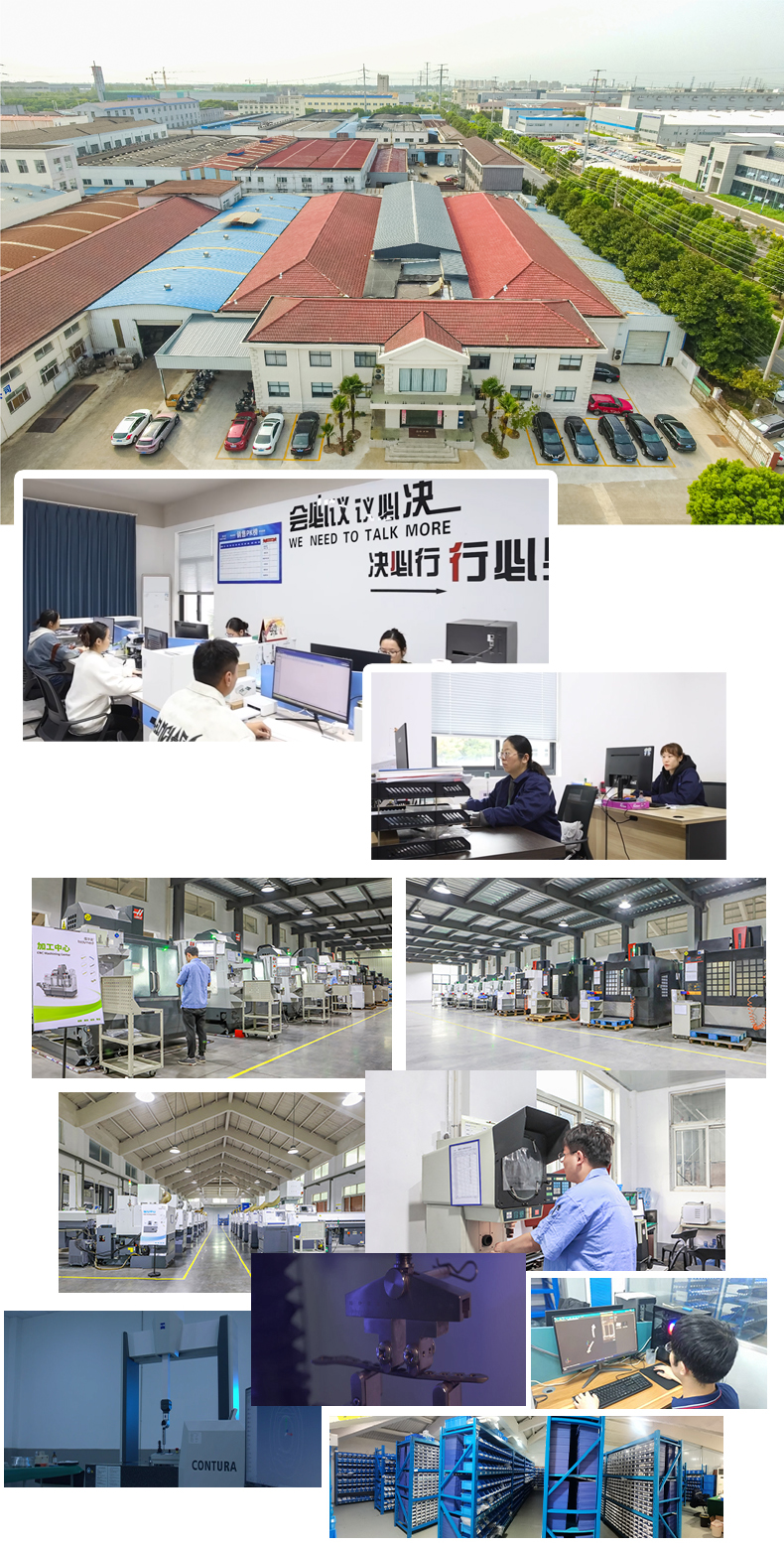
Our factory is equipped with over 60 advanced CNC machines operated by 100+ skilled technicians, a 300 m² GMP-compliant clean room, and a 10,000 m² production facility. We maintain a CNAS and ISO 17025 certified testing center, invest heavily in CNC turning technology, and utilize high-precision inspection systems including CMM, PP, and QV to ensure product quality and consistency.
We offer fast and reliable global shipping. Standard lead times range from 7 to 15 working days, depending on order quantity and customization requirements. Express delivery options are also available upon request.
Yes, we ship to most countries worldwide. We work with trusted logistics partners to ensure timely and secure delivery.
We accept a variety of payment options, including T/T (bank transfer), L/C, and PayPal for smaller orders. Payment terms can be discussed based on order volume and partnership agreements.
Yes, samples are available for evaluation. Please contact our sales team to request product samples and shipping arrangements.
Absolutely. We offer OEM/ODM services including custom packaging, branding, and product development tailored to your specifications.


