
 |
Intramedullary Nail
TOOLMED
/
1 Pcs
5-7 days
/
Product Description
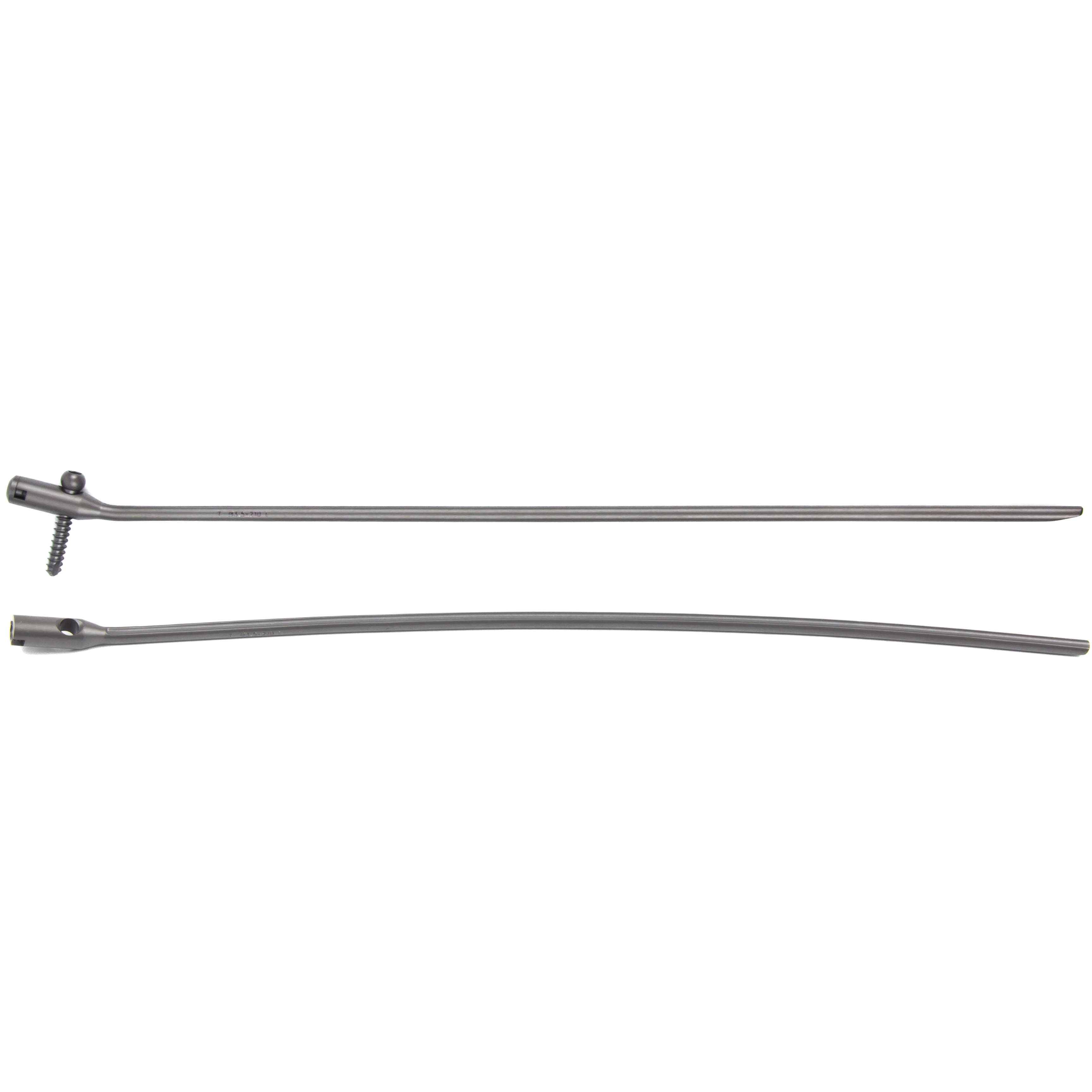
The nail is pre-contoured with a radial curve that mimics the natural anatomy of the radius, ensuring the restoration of the interosseous space and forearm rotation.
Constructed from Ti-6Al-4V, which provides a modulus of elasticity closer to cortical bone than stainless steel, reducing stress shielding and promoting secondary healing.
The system uses specialized small-diameter locking screws that sit flush with the nail, minimizing soft tissue irritation in the thin-skinned areas of the forearm.
Designed for insertion through a small entry point at the distal radius, protecting the periosteal blood supply and reducing the risk of post-operative infection.
While the nail is for the radius, it is often used in "both-bone" forearm fractures that impact the overall kinetic chain from the wrist to the shoulder joint.
The Radius nail is specific to the forearm; however, it utilizes the same medical-grade Titanium found in our large-fragment hip and femoral systems.
Indicated for fractures extending into the distal radial metaphysis where the locking screws provide stable anchorage near the wrist joint complex.
The primary indication. Used for transverse, short oblique, and comminuted fractures of the radial shaft, as well as for the treatment of mal-unions and non-unions.
| Product Name | Radius Intramedullary Nail |
| Material | TA3 |
| Certificate | CE Certificate |
| Brand | TOOLMED |
| MOQ | 1 Pcs |
| OEM | Avaliable |
| Package | PE Inner Bag+Carton |
| Payment Method | T/T,Bank transfer, Western Union |
| Delivery Time | 5-15 Days |
| Shipping | DHL EMS UPS TNT FEDEX |

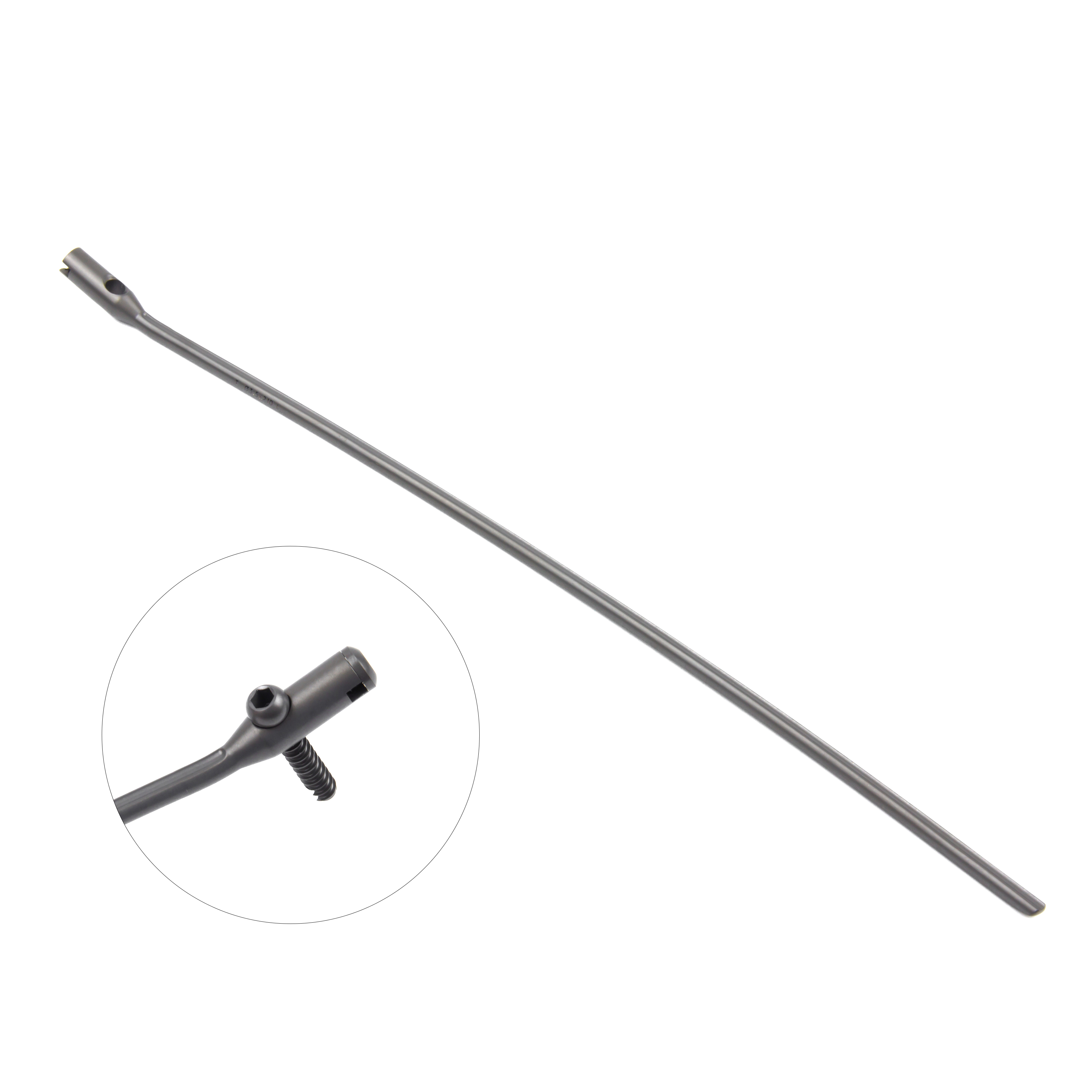
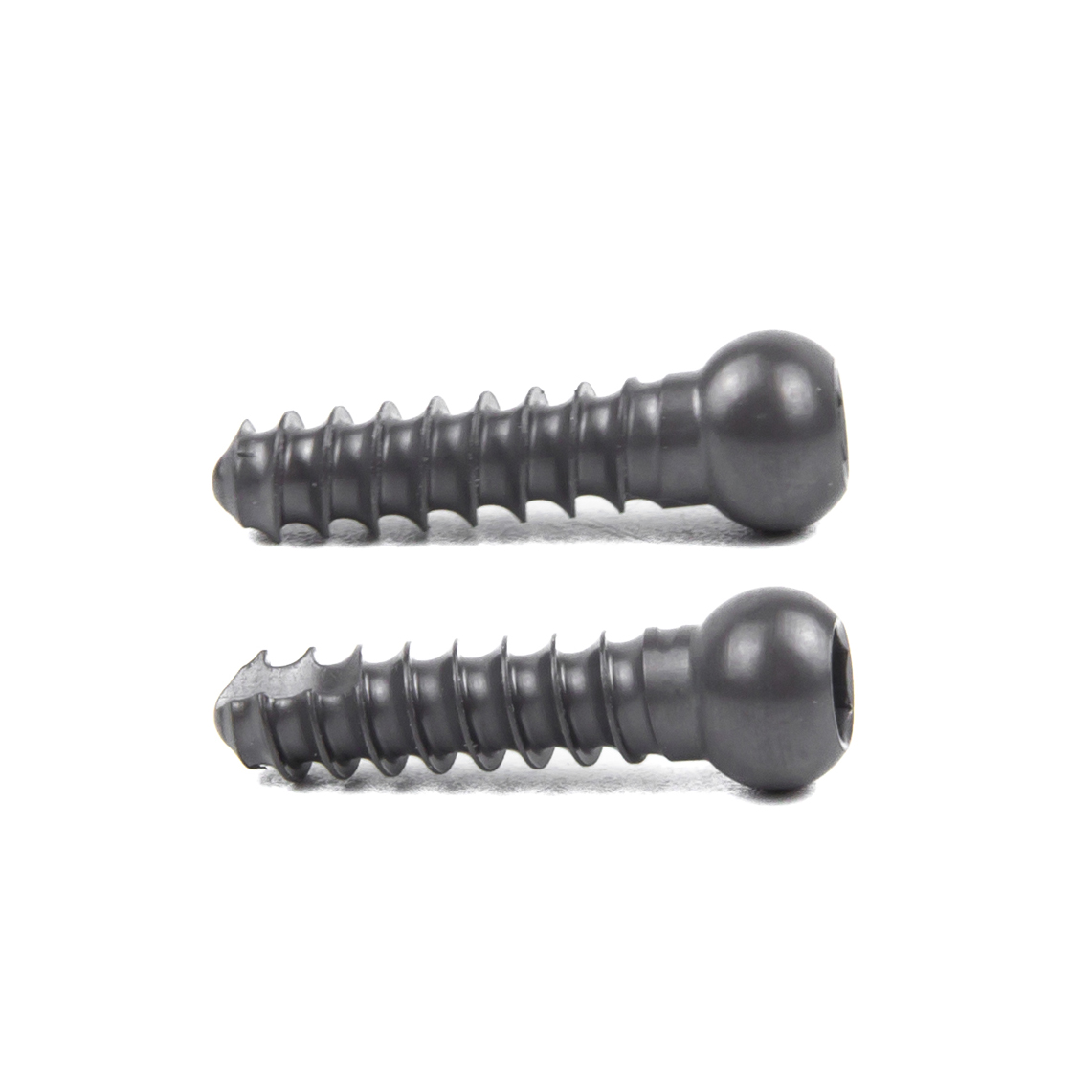
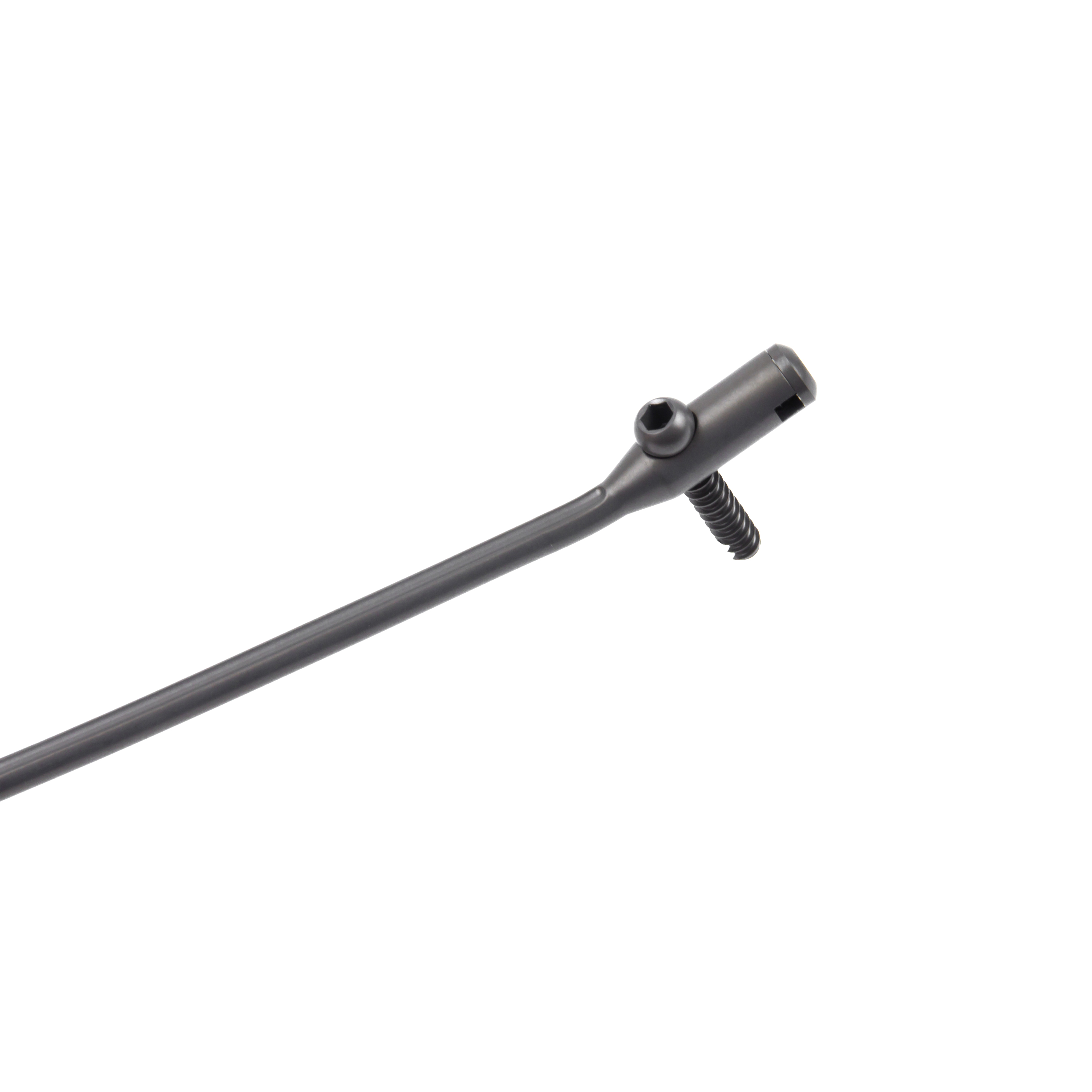
The Radius Intramedullary Nail (Titanium) is a specialized internal fixation device designed to treat fractures of the radius bone in the forearm. Positioned within the medullary canal, it serves as a load-sharing scaffold that stabilizes the bone from the inside. Unlike a bone plate, which requires a large incision and significant muscle stripping, the Radius nail is inserted through a small distal entry point. Manufactured from high-strength Ti-6Al-4V Titanium alloy, the nail is engineered with a specific radial bow. When locked with proximal and distal screws, the system prevents the fracture from rotating or collapsing, allowing the patient to maintain the delicate alignment required for full forearm rotation during the healing process.
The primary application for this system is the surgical management of radial shaft fractures in adults and adolescents. It is particularly effective for "both-bone" forearm fractures when used in conjunction with an ulnar nail. The system is also indicated for segmental fractures where multiple fracture lines make plating difficult. Because the procedure is minimally invasive, it is an excellent choice for patients with compromised soft tissue or those who wish to avoid the extensive scarring associated with open reduction and internal fixation (ORIF). Additionally, it can be used for the stabilization of pathological fractures or as a revision tool for failed primary forearm fixations.
The standout advantage of the TOOLMED Radius Nail is the preservation of the interosseous membrane and the local blood supply, which are often damaged during traditional plating. The anatomical radial bow is a critical feature that ensures the "radial crank" is maintained, preventing loss of supination. The use of Titanium alloy provides excellent biocompatibility and a modulus of elasticity that minimizes stress shielding. Furthermore, the system is designed with intuitive targeting instruments that allow for accurate locking screw placement through minimal incisions, resulting in shorter operative times and a more aesthetic post-operative result for the patient.
Biomechanically, the nail acts as a central internal splint. Because it is located within the neutral axis of the bone, it is subjected to lower bending moments than a plate. The pre-contoured radial bow is essential for restoring the tension in the interosseous membrane, which provides stability to the forearm as a whole. The system uses static locking to resist the torsional forces generated by the pronator and supinator muscles. By sharing the physiological loads with the surrounding cortical bone, the nail facilitates secondary bone healing through the formation of a natural callus, which is often more robust than the primary healing seen with rigid compression plating.
The surgical technique involves a distal approach near Lister’s tubercle. A small incision is made, and a guide wire is inserted into the medullary canal under fluoroscopic guidance. The canal is typically reamed slightly to accommodate the nail diameter. The Titanium nail is then advanced over the guide wire until it reaches the proximal radius. Using a dedicated targeting jig, a distal locking screw is inserted. Proximal locking is then performed, often using a "free-hand" technique or a specialized proximal guide, to secure the nail and prevent rotation. Final radiographic checks ensure that the radial bow is restored and the joints are properly aligned.
Postoperative care focuses on early active range-of-motion exercises for the wrist and elbow, specifically focusing on rotation. For the surgical team, maintenance of the Radius instrument set is paramount. All guide wires, reamers, and targeting jigs must be checked for straightness and precision. Titanium nails are strictly single-use implants and must never be re-bent or re-used. The instrument tray should be sterilized using a standard steam autoclave at 134°C. Follow-up X-rays are usually scheduled at 4, 8, and 12 weeks to monitor for callus formation and ensure no hardware migration has occurred during the healing phase.
The TOOLMED Radius Intramedullary Nail (Titanium) provides a sophisticated, minimally invasive solution for forearm trauma. Its unique anatomical curvature and high-strength Titanium construction ensure that surgeons can achieve stable fixation while prioritizing the restoration of complex forearm rotation and patient comfort.
The radial bow is necessary to maintain the space between the radius and ulna. Without this curve, the bones can become too close, which permanently limits the patient's ability to rotate their hand (pronation and supination).
Yes, the distal end of our nail is designed with locking holes positioned to capture fragments in the distal radial metaphysis, although very distal intra-articular fractures may still require a plate.
In most adults, the Titanium nail is left in place permanently. It is only removed if it causes local irritation or if the patient is a young athlete who prefers to have the hardware removed after full bone remodeling (typically 18-24 months).
While the nail provides internal stability, many surgeons still recommend a temporary splint for 1-2 weeks to allow for soft tissue healing, after which early functional movement is encouraged.
Pre-operative X-rays of the uninjured forearm are used to measure the bone length. During surgery, the nail's position is confirmed under fluoroscopy to ensure it does not interfere with the proximal or distal radioulnar joints.
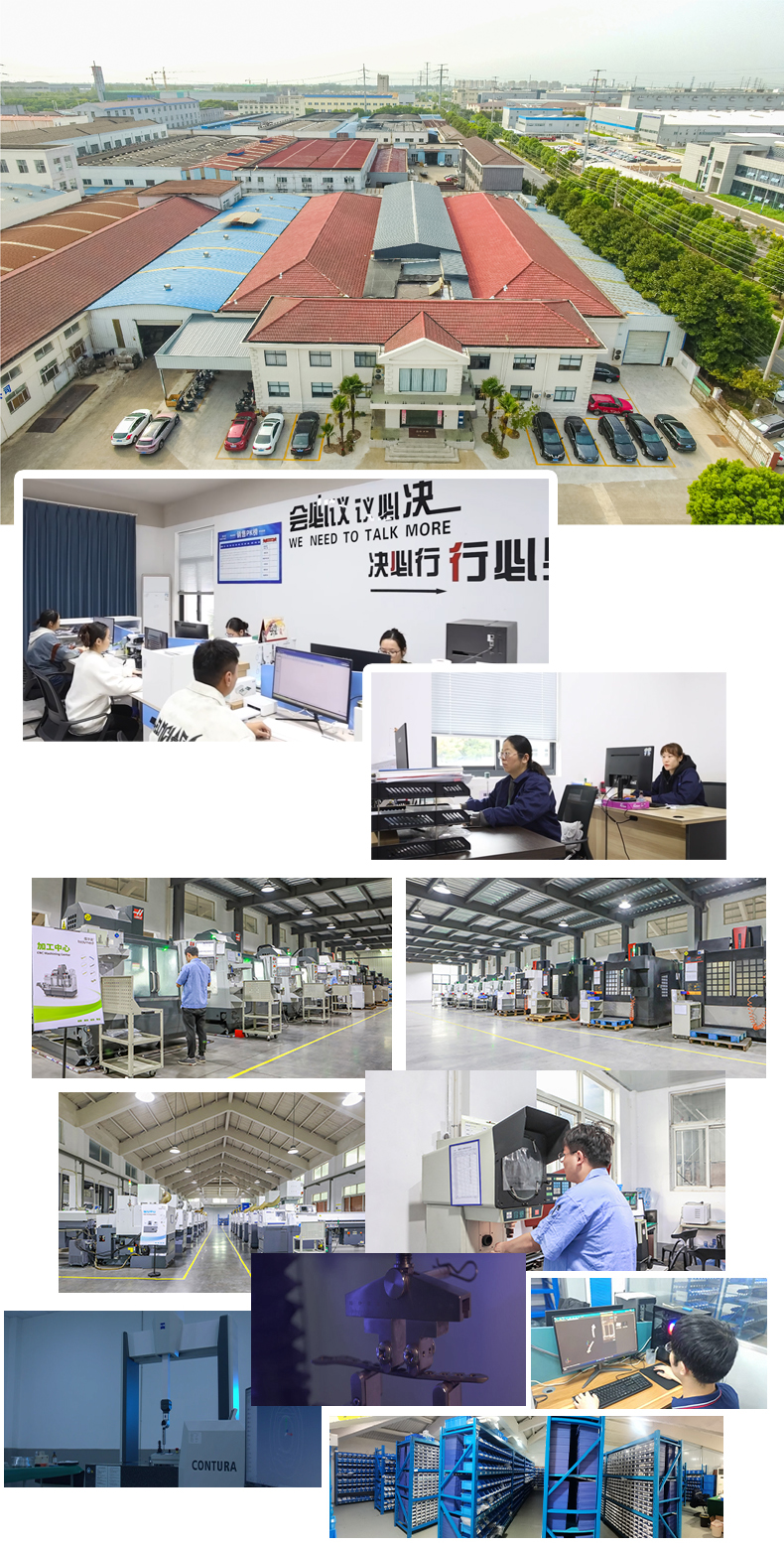
Our factory is equipped with over 60 advanced CNC machines operated by 100+ skilled technicians, a 300 m² GMP-compliant clean room, and a 10,000 m² production facility. We maintain a CNAS and ISO 17025 certified testing center, invest heavily in CNC turning technology, and utilize high-precision inspection systems including CMM, PP, and QV to ensure product quality and consistency.
We offer fast and reliable global shipping. Standard lead times range from 7 to 15 working days, depending on order quantity and customization requirements. Express delivery options are also available upon request.
Yes, we ship to most countries worldwide. We work with trusted logistics partners to ensure timely and secure delivery.
We accept a variety of payment options, including T/T (bank transfer), L/C, and PayPal for smaller orders. Payment terms can be discussed based on order volume and partnership agreements.
Yes, samples are available for evaluation. Please contact our sales team to request product samples and shipping arrangements.
Absolutely. We offer OEM/ODM services including custom packaging, branding, and product development tailored to your specifications.


