
 |
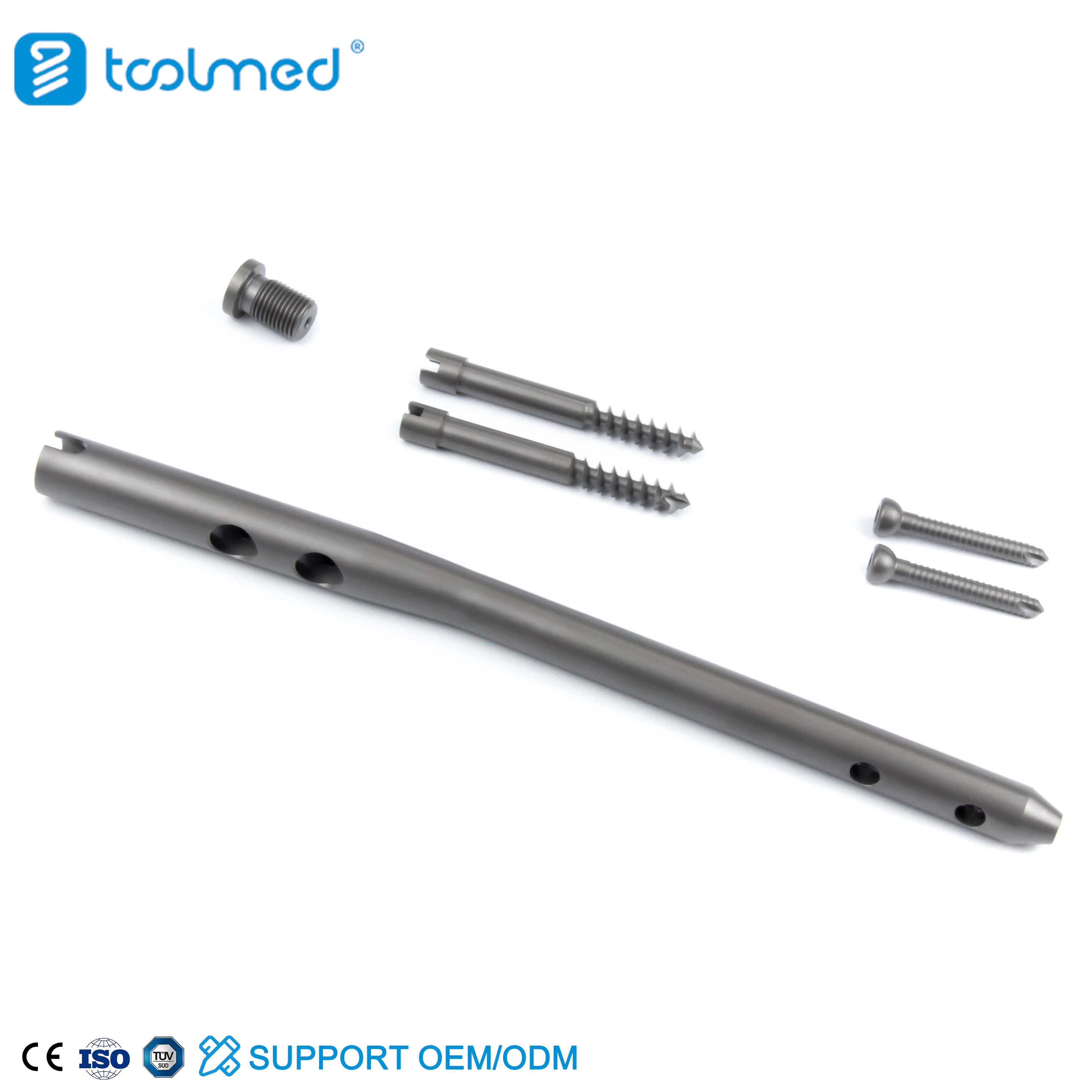
The TOOLMED Gamma Intramedullary Nail (Trochanteric Nail) is a high-performance orthopedic implant engineered for the stable internal fixation of proximal femur fractures. Specifically designed to address the biomechanical challenges of the trochanteric region, this system is the treatment of choice for intertrochanteric and subtrochanteric fractures. Manufactured from medical-grade Ti-6Al-4V Titanium alloy, the nail features a specialized proximal diameter to accommodate a large-diameter lag screw, which provides superior "cut-out" resistance in the femoral head. The system is designed for a minimally invasive approach, utilizing a trochanteric entry point that preserves the surrounding soft tissue and blood supply. With its load-sharing properties and advanced distal locking options, the TOOLMED Gamma Nail ensures anatomical alignment and rotational stability, allowing for early weight-bearing and faster mobilization, particularly in elderly patients with osteoporotic bone.
T1007
TOOLMED
TC4
1 Pcs
5-15 Days
/
Product Description
The proximal end of the nail is designed with a specific lateral flare to fit the trochanteric anatomy perfectly, facilitating easier insertion and reducing the risk of femoral bursting.
The large-diameter lag screw provides exceptional compression and anchorage within the femoral head, significantly reducing the risk of "cut-out" in osteoporotic patients.
Offers superior biocompatibility and a modulus of elasticity that minimizes stress shielding, promoting secondary bone healing and rapid callus formation.
The interface between the lag screw and the nail includes a locking mechanism that prevents the lag screw from rotating, ensuring long-term stable fixation of the hip joint.
While this nail is specific to the hip, the "cephalomedullary" principle of internal support is used across our entire range of long-bone trauma systems.
The primary indication. Ideal for stable and unstable intertrochanteric fractures (AO/OTA 31-A) and subtrochanteric fractures where the nail bridges the high-stress subtrochanteric zone.
Our "Long Gamma" version is indicated for fractures extending from the trochanteric region down into the distal third of the femoral shaft, providing full-length stabilization.
Used for the stabilization of the proximal femur in patients with metastatic bone disease or following failed primary fixation of hip fractures.
| Product Name | Gamma Intramedullary Nail |
| Material | TC4 |
| Certificate | CE Certificate |
| Brand | TOOLMED |
| MOQ | 1 Pcs |
| OEM | Avaliable |
| Package | PE Inner Bag+Carton |
| Payment Method | T/T,Bank transfer, Western Union |
| Delivery Time | 5-15 Days |
| Shipping | DHL EMS UPS TNT FEDEX |

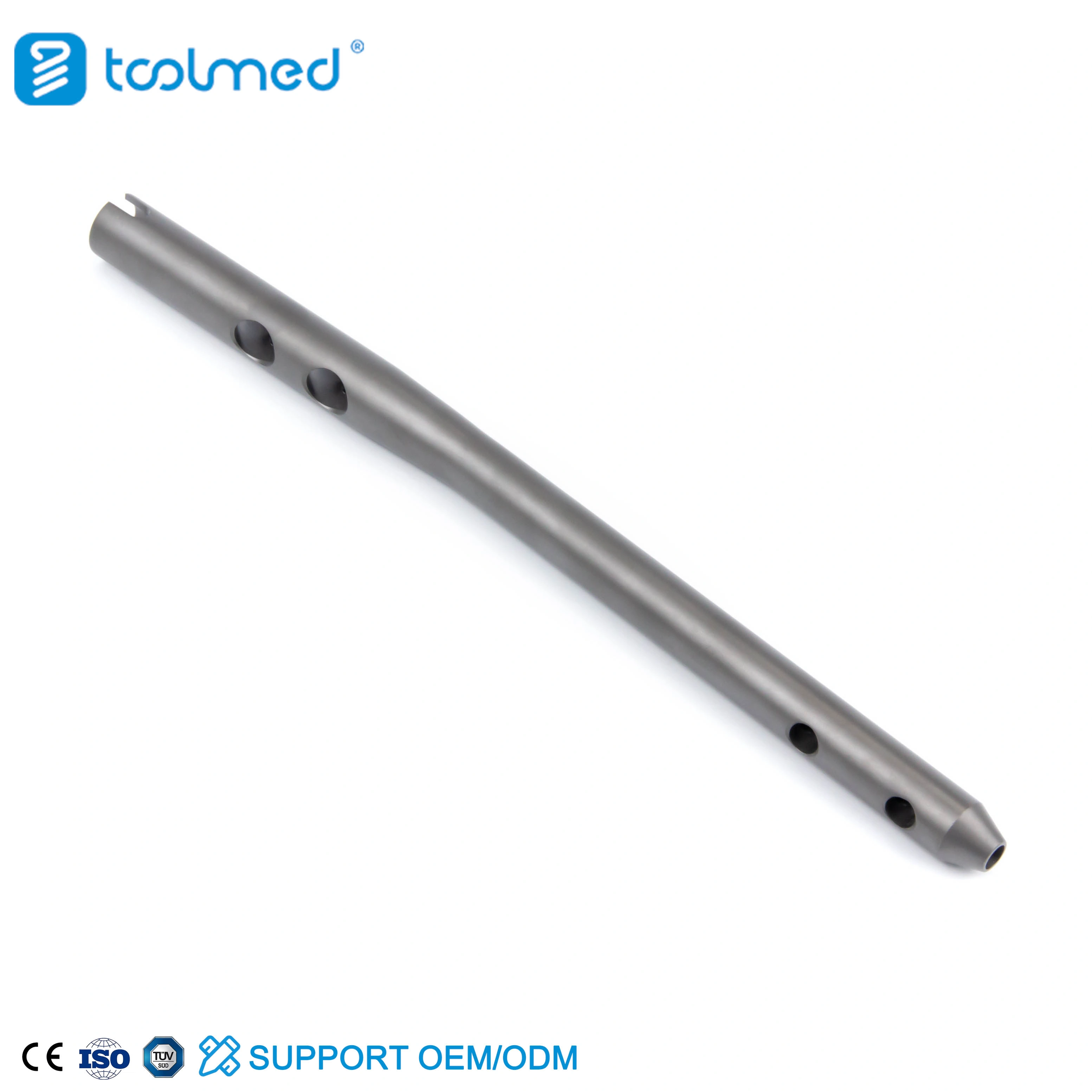
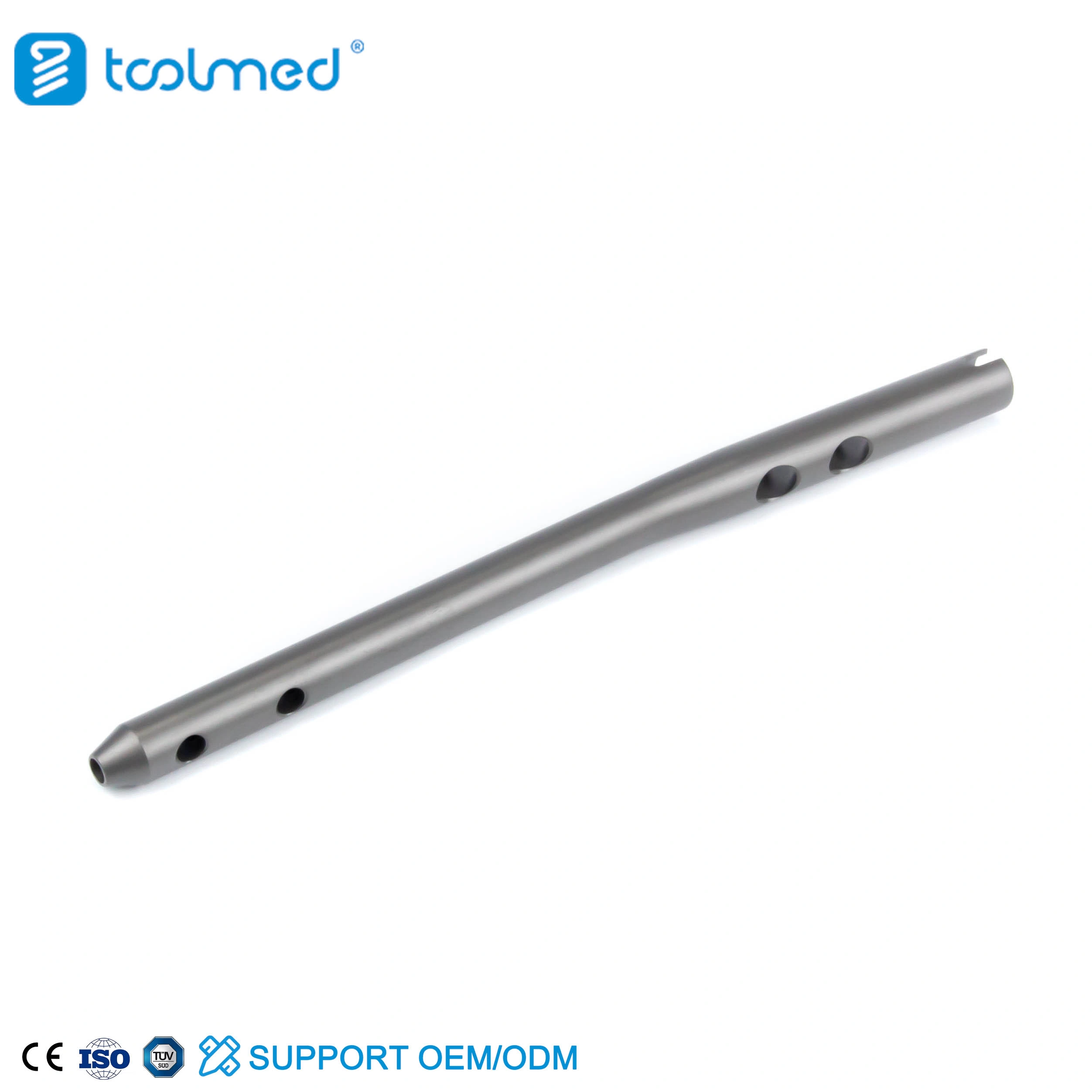
The Gamma Intramedullary Nail (Titanium) is a specialized "cephalomedullary" device used for the internal fixation of proximal femur fractures. Unlike standard femoral nails, the Gamma nail is specifically designed to support the femoral neck and head through a large-diameter lag screw that passes through the body of the nail. This intramedullary approach places the implant closer to the center of the weight-bearing axis compared to traditional side plates (like the DHS). Manufactured from medical-grade Titanium alloy, the nail acts as a load-sharing splint. It consists of a nail body, a large lag screw for hip stabilization, and distal locking screws to prevent rotation and shortening, providing a robust construct for the most high-stress bone in the human body.
The system is primarily applied in the surgical management of intertrochanteric fractures, which are common in the geriatric population. It is also indicated for subtrochanteric fractures where the fracture line extends into the femoral shaft. Because of its intramedullary position, it is particularly useful for unstable fractures (AO 31-A2 and A3) where a lateral plate might fail under the high compressive forces of the hip. The "Long Gamma" variant is applied in cases of segmental femoral fractures or when a proximal fracture is accompanied by a distal shaft injury. The minimally invasive insertion technique makes it ideal for elderly patients where minimizing surgical blood loss and operative time is critical for survival.
The primary advantage of the TOOLMED Gamma Nail is its biomechanical efficiency; by being closer to the hip joint's mechanical axis, it reduces the "bending moment" on the implant, which lowers the risk of hardware failure. The Titanium construction provides a better modulus of elasticity than stainless steel, reducing the risk of "stress shielding" and promoting faster bone union. Our design features an anatomical proximal flare that simplifies the surgical entry point and a lag screw with a specialized thread profile that maximizes pull-out strength in cancellous bone. Furthermore, the system utilizes a high-precision carbon fiber targeting jig, which ensures accurate screw placement while remaining radio-translucent for clear X-ray visualization.
Biomechanically, the Gamma nail converts the vertical force of weight-bearing into compressive force across the fracture site. In intertrochanteric fractures, the lag screw allows for "controlled collapse" or sliding, which brings the bone fragments together to achieve primary stability. Because the nail is located within the medullary canal, it provides a much shorter lever arm than a lateral plate, making it significantly stronger under load. This load-sharing capability is essential for allowing patients to mobilize and bear weight almost immediately after surgery, which is key to preventing complications like pneumonia or deep vein thrombosis in elderly patients.
The surgical procedure is typically performed on a traction table under fluoroscopic guidance. A small incision is made above the greater trochanter, and an entry point is created at the tip of the trochanter. A guide wire is passed down the medullary canal, and the proximal femur is reamed to accommodate the nail's flare. The Titanium nail is inserted, and a specialized guide is used to drill through the nail and into the femoral head for the lag screw. The lag screw is then inserted and locked into the nail body. Finally, the distal locking screws are placed to ensure rotational stability. Intraoperative X-rays are used to ensure the lag screw is perfectly centered in the femoral head (the "Tip-Apex Distance").
Postoperative care focuses on early mobilization, with many patients encouraged to sit up or stand within 24 hours. For the surgical facility, the maintenance of the Gamma instrument set is crucial. The carbon fiber targeting jigs must be handled with care and checked for alignment accuracy. All reamers and lag screw taps must be cleaned of biological material using enzymatic cleaners. Titanium implants are single-use only. The entire instrument tray should be sterilized using a standard steam autoclave at 134°C. Radiographic follow-up is necessary to monitor for "sliding" of the lag screw and to confirm the formation of a bridging callus at the fracture site.
The TOOLMED Gamma Intramedullary Nail (Titanium) offers the strength and precision required to manage the most challenging proximal femur fractures. Its advanced load-sharing design and Titanium biocompatibility ensure that surgeons can provide their patients with the best chance for a rapid return to mobility and independent living.
Short nails (180mm-200mm) are standard for simple intertrochanteric fractures, offering faster surgery and less blood loss. Long nails are used for subtrochanteric fractures or when there is a risk of a secondary fracture in the lower femoral shaft.
The system includes an internal set screw within the nail that engages with the grooves of the lag screw, locking it in place and preventing rotational movement while still allowing for controlled axial sliding.
Yes, our system offers various distal diameters (e.g., 9mm, 10mm, 11mm) to accommodate different patient anatomies, ensuring a proper fit even in patients with constrained medullary space.
Titanium's modulus of elasticity is closer to that of human bone, which reduces the "stiffness" of the construct. This helps prevent the implant from cutting through soft bone (stress shielding) and provides better MRI compatibility.
TAD is a critical measurement used by surgeons to ensure the lag screw is placed deeply and centrally enough in the femoral head. A TAD of less than 25mm is the goal to minimize the risk of the screw cutting out of the bone.
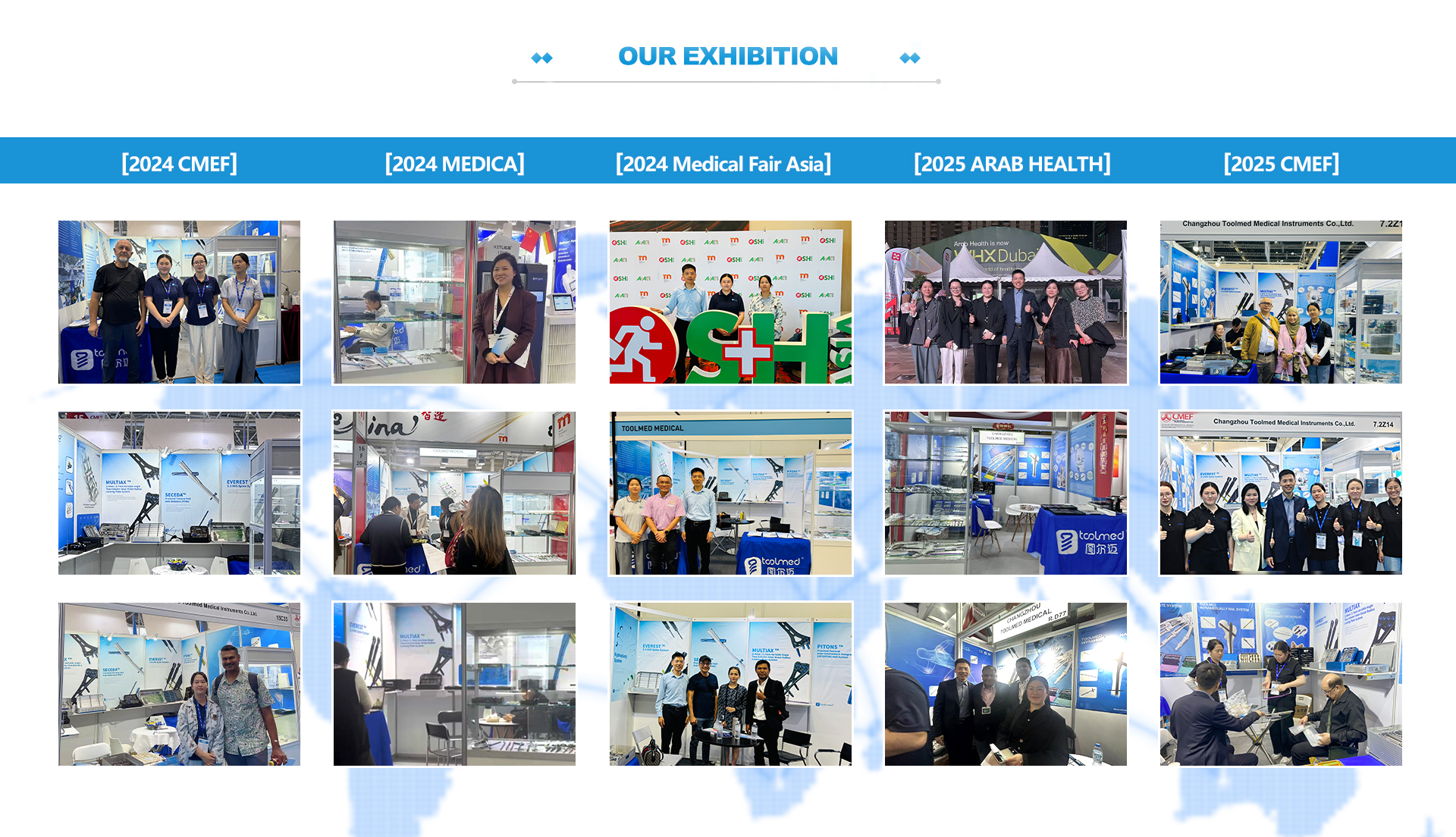
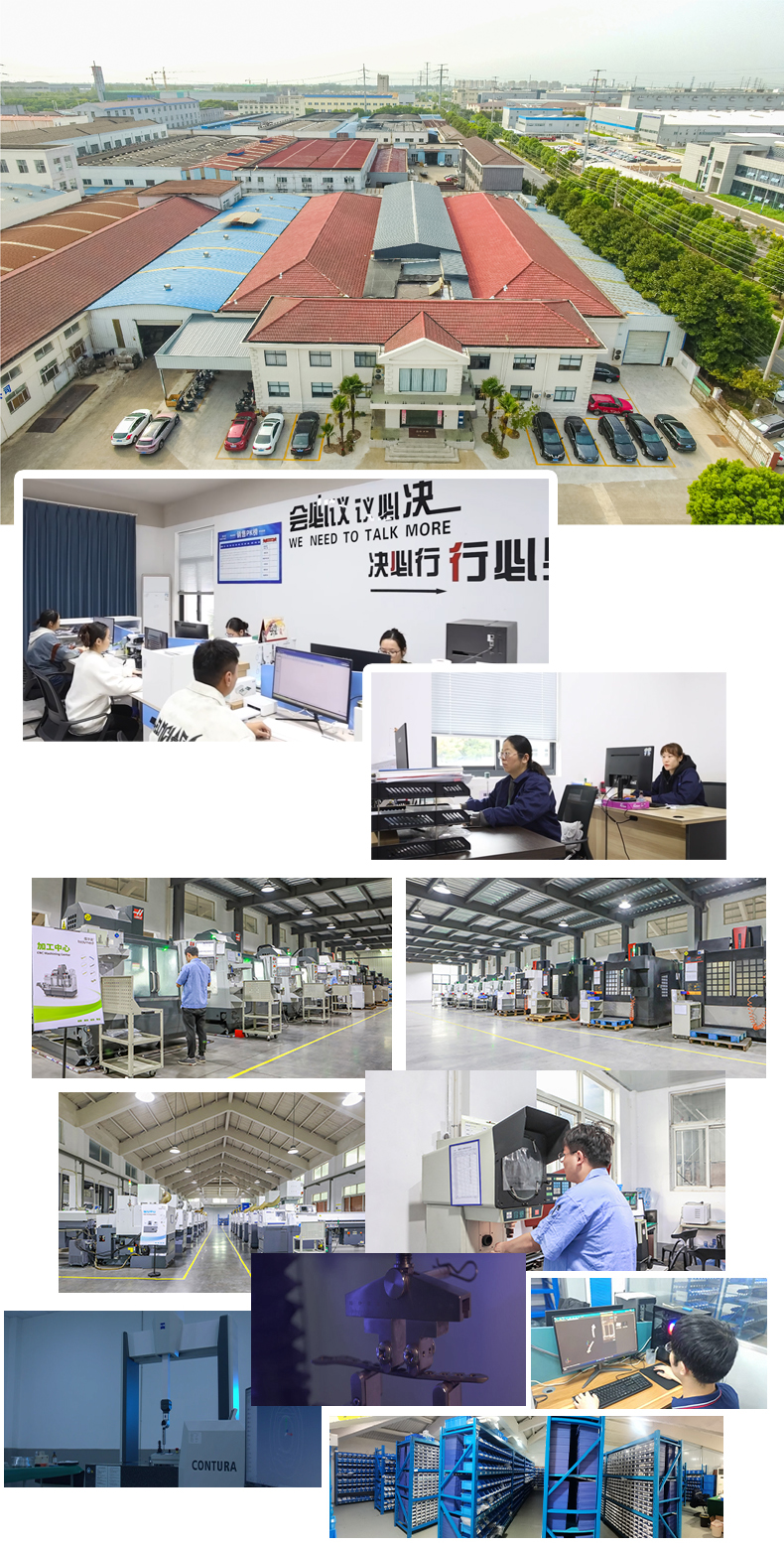
Our factory is equipped with over 60 advanced CNC machines operated by 100+ skilled technicians, a 300 m² GMP-compliant clean room, and a 10,000 m² production facility. We maintain a CNAS and ISO 17025 certified testing center, invest heavily in CNC turning technology, and utilize high-precision inspection systems including CMM, PP, and QV to ensure product quality and consistency.

We offer fast and reliable global shipping. Standard lead times range from 7 to 15 working days, depending on order quantity and customization requirements. Express delivery options are also available upon request.
Yes, we ship to most countries worldwide. We work with trusted logistics partners to ensure timely and secure delivery.
We accept a variety of payment options, including T/T (bank transfer), L/C, and PayPal for smaller orders. Payment terms can be discussed based on order volume and partnership agreements.
Yes, samples are available for evaluation. Please contact our sales team to request product samples and shipping arrangements.
Absolutely. We offer OEM/ODM services including custom packaging, branding, and product development tailored to your specifications.


