
 |
PS Femoral Insert
TOOLMED
UHMWPE
1 Pcs
5-15 Days
/
Product Description
Features a precision-machined central post that acts as a mechanical pivot against the femoral cam, preventing anterior translation of the tibia and stabilizing the joint in deep flexion.
Utilizes HXPE material technology to minimize volumetric wear and debris generation at both the articulating surfaces and the cam-post interface, extending the functional life of the implant.
The medial and lateral articulating "dishes" are contoured to match the PS femoral condyles, maximizing contact area and distributing loads evenly to prevent localized stress on the polyethylene.
Includes a robust peripheral locking mechanism to ensure the insert remains rigidly attached to the metallic tibial tray, preventing rotation or dissociation under physiological load.
Indicated for use in Total Knee Arthroplasty when the Posterior Cruciate Ligament (PCL) is absent, damaged, or must be surgically sacrificed to balance the joint.
Used to provide a mechanical substitute for knee stabilization in patients requiring Posterior Stabilized (PS) kinematics to ensure steady joint motion throughout flexion.
Indicated to enforce controlled femoral roll-back, preventing the "paradoxical" forward sliding of the femur on the tibia that can occur in cruciate-sacrificing designs without a cam-post mechanism.

| Product Name | PS Femoral Insert |
| Material | UHMWPE |
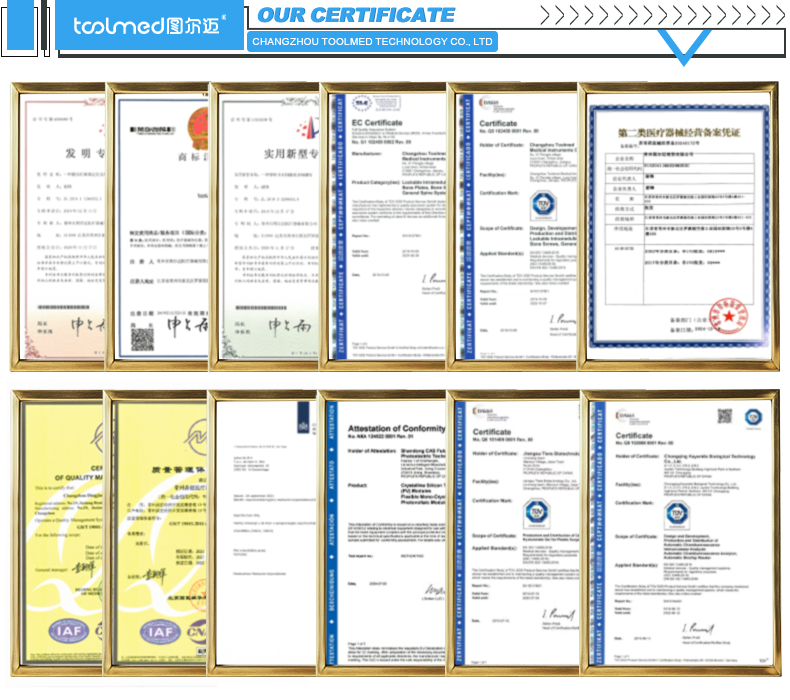
| Certificate | CE Certificate |
| Brand | TOOLMED |
| MOQ | 1 Pcs |
| OEM | Avaliable |
| Package | PE Inner Bag+Carton |
| Payment Method | T/T,Bank transfer, Western Union |
| Delivery Time | 5-15 Days |
| Shipping | DHL EMS UPS TNT FEDEX |


The PS Femoral Insert is the specialized tibial bearing used in "Posterior Stabilized" knee replacements. While the femur has a boxed notch, the insert has a raised central post. Together, they create a mechanical cam-and-post system that replicates the work of the human PCL. It absorbs the forces that would otherwise push the femur too far forward, ensuring the knee remains stable during complex movements.
This insert is applied in Total Knee Arthroplasty cases where the surgeon decides to remove the patient's PCL. It is common in severe arthritic conditions where joint balancing is easier to achieve by sacrificing the ligament and using the mechanical stability provided by the PS insert’s post-and-cam design.
The primary advantage is intrinsic joint stability. Because the stabilization is built into the implant mechanics, the patient experiences less joint laxity. Furthermore, the use of Highly Cross-linked Polyethylene (HXPE) reduces the long-term wear of the post itself, ensuring the stabilizing mechanism lasts as long as the rest of the joint replacement components.
Biomechanically, the insert post engages the femoral cam during flexion, forcing the femur to move posteriorly (roll-back). This roll-back is essential for achieving high degrees of knee flexion without impingement. The dish geometry ensures that the articulating load is carried across a wide surface area, minimizing wear and maximizing stability.
The surgical technique involves first implanting the matching PS femoral condyle and tibial baseplate. Surgeons use trial inserts of varying thicknesses (e.g., 9mm to 18mm) to check the ligament balance. Once the perfect stability is found, the final PS Femoral Insert is impacted into the tibial baseplate until the snap-fit locking mechanism is engaged.
The mechanical safety provided by the cam-post mechanism gives patients the confidence to start physical therapy earlier. Postoperative care focus remains on regaining full range of motion. The robust stabilization from the insert post reduces the risk of joint instability during early gait retraining.
The PS Femoral Insert is a vital component for restoring stable knee motion. Combining advanced HXPE wear-resistance with a robust mechanical cam-post system, it provides surgeons with a reliable solution for high-demand patients undergoing Total Knee Arthroplasty.
While the post is made of dense polyethylene, breakage is an extremely rare complication typically caused by high-impact trauma or chronic component malalignment. The use of HXPE provides excellent fatigue and impact resistance.
No. A PS insert requires a boxed PS Femoral Condyle to work correctly. A CR (Cruciate Retaining) femoral component lacks the cam mechanism required to engage the PS post.
Surgeons use a series of metal trial inserts during surgery to test joint stability in both extension and flexion. They choose the final thickness that provides a stable knee without being too tight to restrict motion.
Modern irradiation and annealing processes used to create Highly Cross-linked Polyethylene (HXPE) optimize the balance between wear resistance and fracture toughness, ensuring the central post is both durable and resilient.
In revision surgery, native ligaments are almost always compromised or missing. The PS insert provides a mechanical substitute for stability that does not rely on the patient's damaged native ligaments.
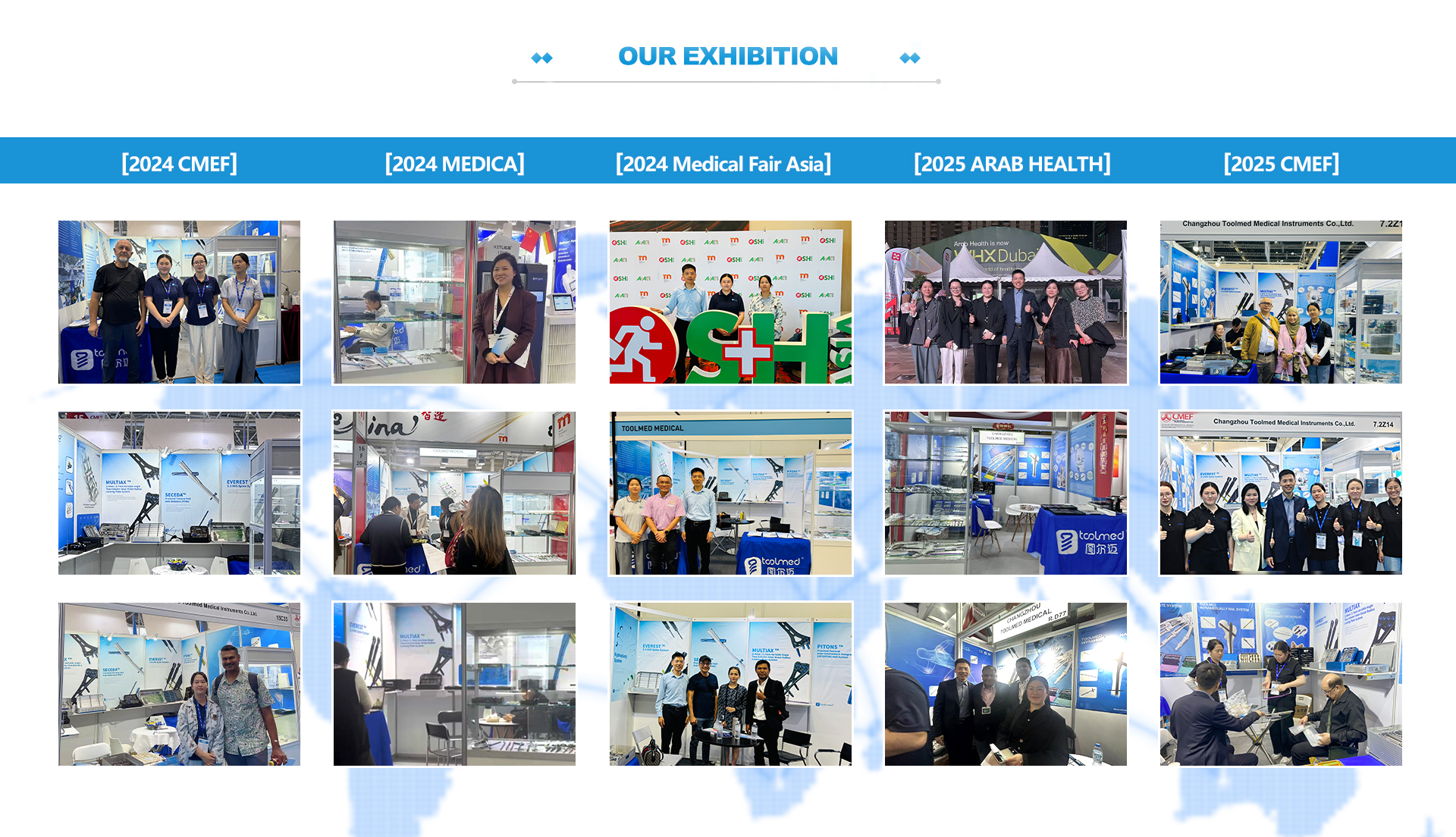
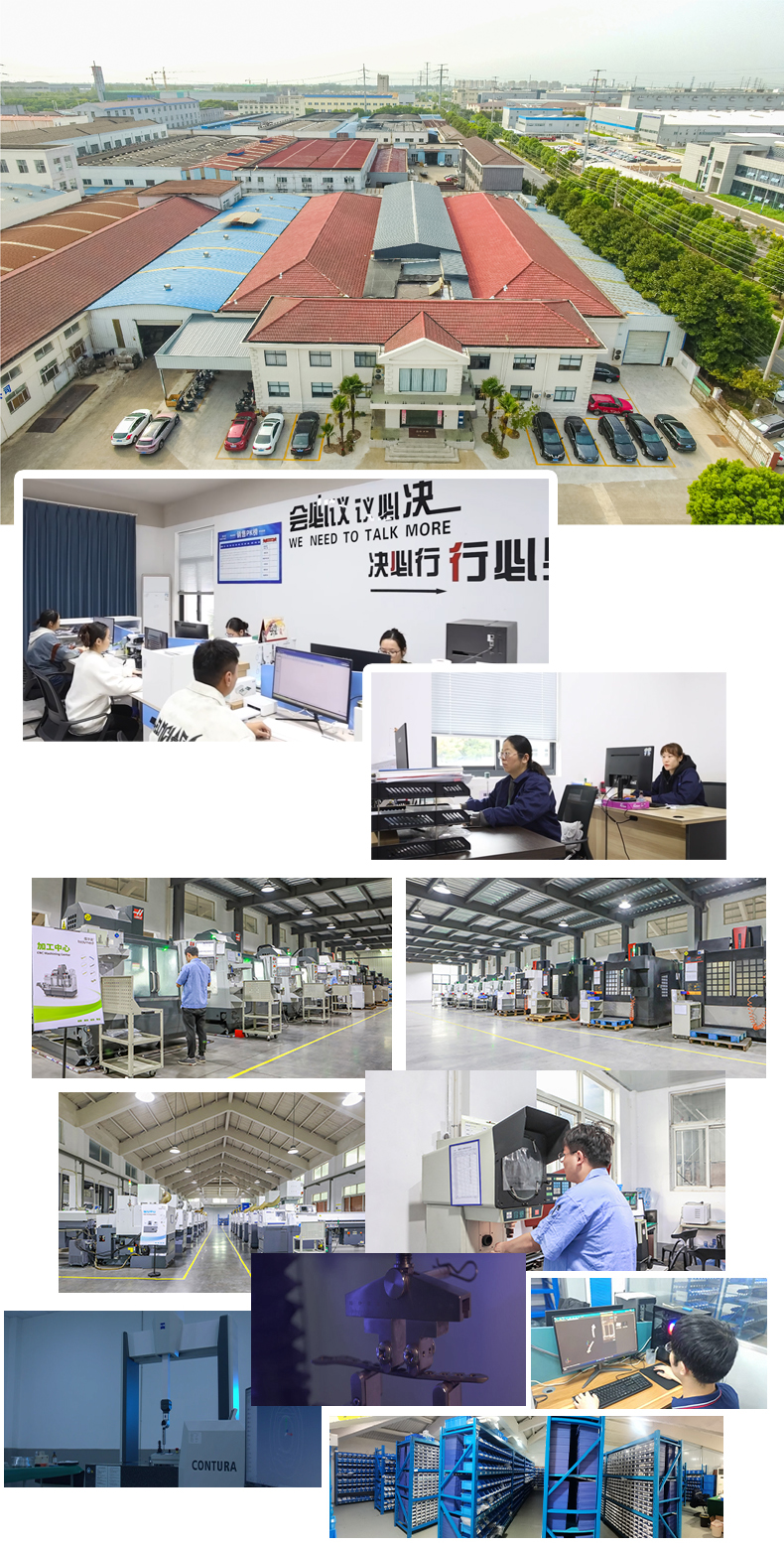
Our factory is equipped with over 60 advanced CNC machines operated by 100+ skilled technicians, a 300 m² GMP-compliant clean room, and a 10,000 m² production facility. We maintain a CNAS and ISO 17025 certified testing center, invest heavily in CNC turning technology, and utilize high-precision inspection systems including CMM, PP, and QV to ensure product quality and consistency.
We offer fast and reliable global shipping. Standard lead times range from 7 to 15 working days, depending on order quantity and customization requirements. Express delivery options are also available upon request.
Yes, we ship to most countries worldwide. We work with trusted logistics partners to ensure timely and secure delivery.
We accept a variety of payment options, including T/T (bank transfer), L/C, and PayPal for smaller orders. Payment terms can be discussed based on order volume and partnership agreements.
Yes, samples are available for evaluation. Please contact our sales team to request product samples and shipping arrangements.
Absolutely. We offer OEM/ODM services including custom packaging, branding, and product development tailored to your specifications.


