
 |
The cemented femoral stem is one of the core components in total hip arthroplasty. It is typically made of cobalt-chromium-molybdenum alloy, titanium alloy, or stainless steel. Its design purpose is to achieve firm fixation of the femoral stem prosthesis within the diseased or damaged proximal femoral medullary cavity by means of bone cement (polymethylmethacrylate, PMMA), a medical-grade adhesive.
Cemented femoral stem
TOOLMED
Co-Cr-Mo
1 Pcs
5-15 Days
/
Product Description
The Cemented Femoral Stem is designed to achieve immediate and reliable fixation through bone cement implantation, providing excellent initial stability and long-term clinical performance.
Available in different surface finishes depending on surgical preference and fixation philosophy, helping optimize cement bonding behavior and load transfer.
The stem is engineered to match femoral canal anatomy, supporting proper alignment, load distribution, and implant stability during total hip arthroplasty procedures.
Manufactured from premium orthopedic-grade stainless steel or cobalt-chromium alloy, the implant offers superior fatigue resistance, corrosion resistance, and long-term durability.
Cement fixation minimizes implant micromotion immediately after surgery, helping improve patient comfort and early postoperative mobility.
Cemented stems are particularly beneficial in patients with poor bone quality where press-fit fixation may be less predictable.
Used as the femoral component in primary total hip replacement procedures.
Suitable for elderly patients requiring hemiarthroplasty or total hip replacement following displaced femoral neck fractures.
Used in patients with severe hip degeneration causing pain and loss of function.
Applicable in selected revision procedures where cemented fixation is preferred.
Ideal for patients with compromised bone quality requiring stable cemented fixation.

| Product Name | Cemented Femoral Stem |
| Material | Co-Cr-Mo |
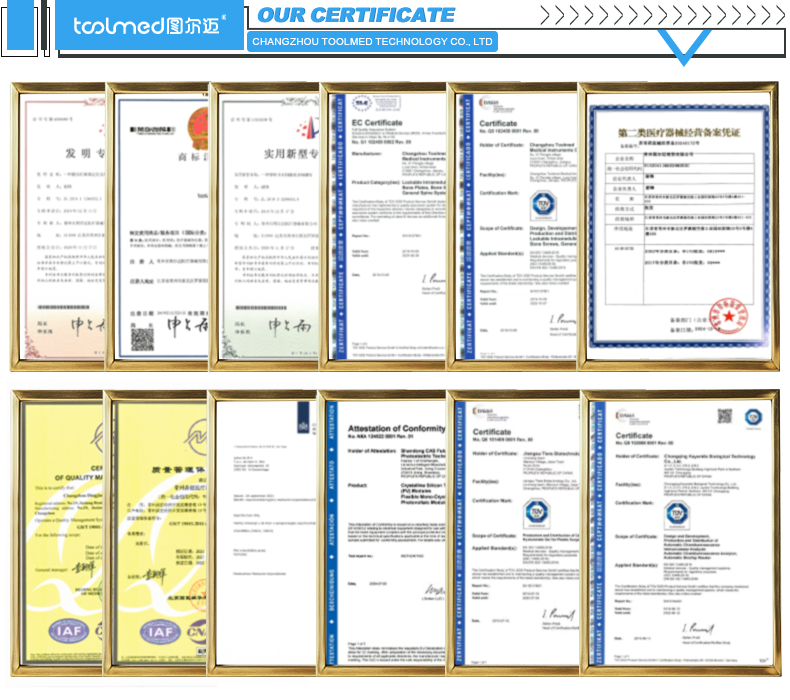
| Certificate | CE Certificate |
| Brand | TOOLMED |
| MOQ | 1 Pcs |
| OEM | Avaliable |
| Package | PE Inner Bag+Carton |
| Payment Method | T/T,Bank transfer, Western Union |
| Delivery Time | 5-15 Days |
| Shipping | DHL EMS UPS TNT FEDEX |


A Cemented Femoral Stem is the femoral component used in hip replacement surgery that is fixed into the femoral canal using bone cement. It provides immediate implant stability and has been widely used in total hip arthroplasty for decades with proven long-term outcomes.
The implant is primarily used in primary and revision hip arthroplasty procedures. It is especially suitable for elderly patients, osteoporotic bone, and femoral neck fractures where reliable fixation is critical.
The major advantages include immediate fixation stability, predictable implantation technique, and excellent performance in poor bone quality. Cemented stems also allow better load distribution and may reduce the risk of intraoperative fracture in some patients.
The cement mantle acts as an interface between the implant and bone, distributing load evenly along the femur. Proper stem geometry and cement technique help reduce stress concentration and implant loosening over time.
After femoral canal preparation, bone cement is introduced into the canal using pressurization techniques. The femoral stem is then inserted in the correct alignment while maintaining an adequate cement mantle thickness for long-term fixation stability.
Patients are generally encouraged to begin early mobilization following surgery depending on surgeon protocol. Regular follow-up imaging helps assess implant position, cement integrity, and long-term fixation performance.
The Cemented Femoral Stem remains a trusted solution in modern hip arthroplasty. With reliable cement fixation, anatomical stem design, and excellent performance in osteoporotic bone, it provides stable and durable outcomes for a wide range of hip replacement patients.
It is a femoral implant used in hip replacement surgery that is fixed into the femur using bone cement.
Elderly patients and individuals with poor bone quality often benefit most from cemented stems.
Cemented femoral stems are commonly made from cobalt-chromium alloy or stainless steel.
Yes. Cemented hip stems have demonstrated excellent long-term clinical results for decades.
Cemented stems use bone cement for fixation, while cementless stems rely on biological bone ingrowth for stability.
Yes. They are commonly used in selected revision hip arthroplasty procedures depending on bone quality and surgical planning.
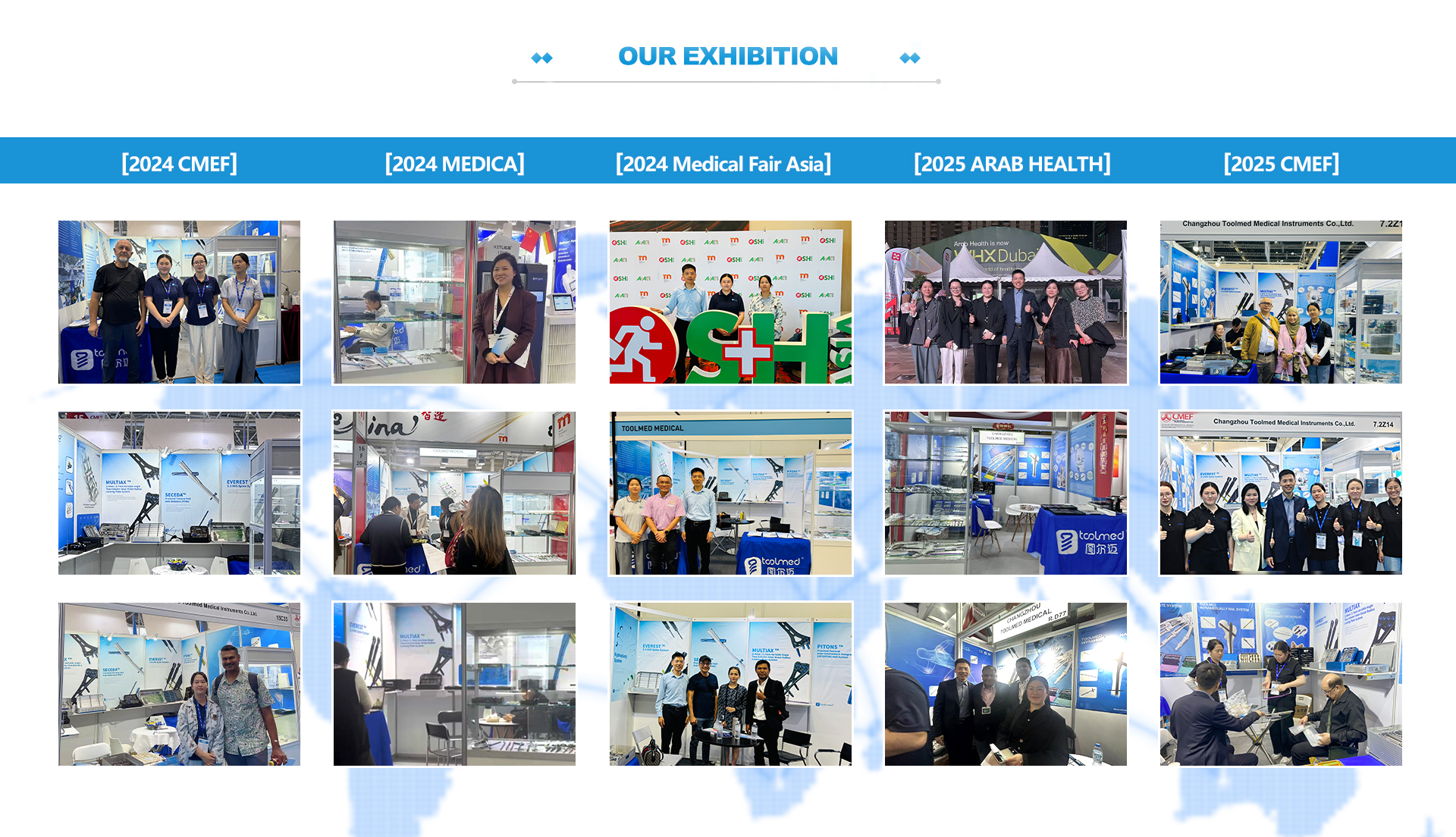
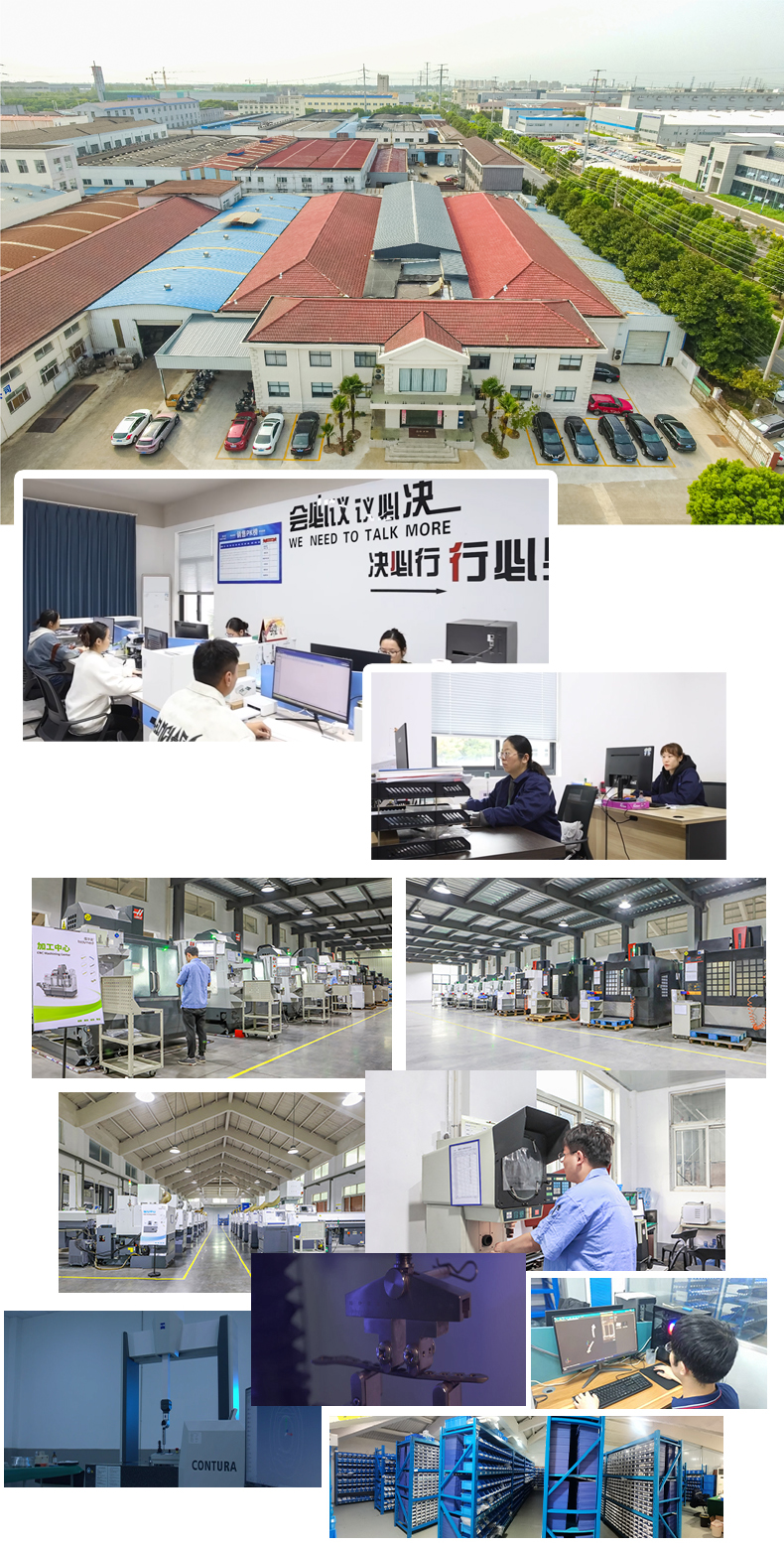
Our factory is equipped with over 60 advanced CNC machines operated by 100+ skilled technicians, a 300 m² GMP-compliant clean room, and a 10,000 m² production facility. We maintain a CNAS and ISO 17025 certified testing center, invest heavily in CNC turning technology, and utilize high-precision inspection systems including CMM, PP, and QV to ensure product quality and consistency.
We offer fast and reliable global shipping. Standard lead times range from 7 to 15 working days, depending on order quantity and customization requirements. Express delivery options are also available upon request.
Yes, we ship to most countries worldwide. We work with trusted logistics partners to ensure timely and secure delivery.
We accept a variety of payment options, including T/T (bank transfer), L/C, and PayPal for smaller orders. Payment terms can be discussed based on order volume and partnership agreements.
Yes, samples are available for evaluation. Please contact our sales team to request product samples and shipping arrangements.
Absolutely. We offer OEM/ODM services including custom packaging, branding, and product development tailored to your specifications.


