
 |
Bipolar Femoral Head
TOOLMED
Co-Cr-Mo + UHMWPE
1 Pcs
5-15 Days
Product Description
Includes an inner bearing rotating around the stem and an outer shell rotating within the acetabulum, which is believed to reduce frictional forces transmitted to the native hip socket, potentially reducing acetabular cartilage wear.
The large outer shell is made of polished Cobalt-Chrome Alloy, providing a highly wear-resistant surface against the articular cartilage and maximizing stability in the native socket.
The inner surface features a precision taper lock designed to mate securely with standard femoral stems (e.g., 12/14 taper), ensuring a rigid connection and minimizing the risk of dissociation.
Available in a wide range of external diameters (typically 40 mm to 56 mm), allowing the surgeon to select the optimal size to maximize stability and minimize the risk of post-operative dislocation.
Primary indication for elderly patients or low-demand patients where replacing only the femoral side is preferred over total hip replacement.
Used as a treatment option when the acetabular cartilage is relatively preserved.
| Product Name | Bipolar Femoral Head |
| Material | Co-Cr-Mo+UHMWPE |
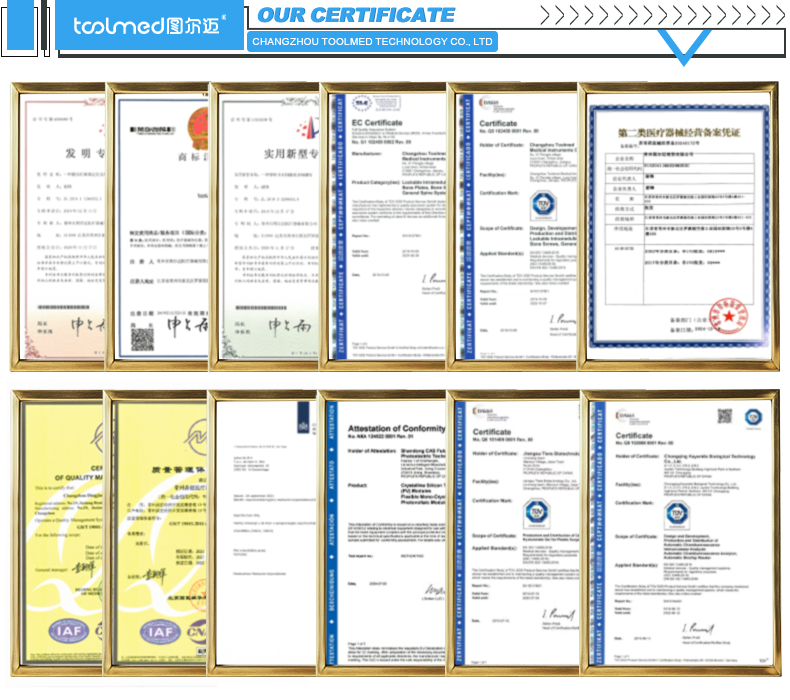
| Certificate | CE Certificate |
| Brand | TOOLMED |
| MOQ | 1 Pcs |
| OEM | Avaliable |
| Package | PE Inner Bag+Carton |
| Payment Method | T/T,Bank transfer, Western Union |
| Delivery Time | 5-15 Days |
| Shipping | DHL EMS UPS TNT FEDEX |


The Bipolar Femoral Head is a two-part orthopedic implant used in hemiarthroplasty. It consists of a small inner metal or polymer head that connects to the femoral stem, encapsulated by a larger metallic shell that articulates against the patient’s own hip socket (acetabulum). The bipolar design allows for motion at both the inner bearing and the outer shell, hence the term "bipolar," aiming to enhance stability and longevity compared to older monopolar designs.
Its primary application is in the rapid, life-saving fixation of displaced femoral neck fractures, particularly in elderly or frail patients. Since the procedure does not require replacing the acetabular socket, it is technically less demanding and results in shorter operating times, which is beneficial for patients with significant co-morbidities.
The main advantage is reduced erosion of the native socket. By offering dual motion, the bipolar head minimizes the force and movement concentration on the often less-than-perfect native cartilage, reducing pain and the risk of acetabular protrusio (erosion) compared to older, single-articulation monopolar heads.
Biomechanically, the bipolar mechanism aims to allow the inner head to rotate preferentially, absorbing smaller movements, while the outer shell handles larger angular changes. This dual motion provides greater stability and a better functional outcome compared to traditional methods for hemiarthroplasty, acting as a buffer against excessive wear on the patient's existing joint surface.
After the femoral stem is implanted, the inner bearing (polyethylene or metal liner) is first impacted onto the stem’s taper. The metallic outer shell is then seated over the inner bearing, creating the bipolar construct. The entire assembly is then reduced into the patient’s native acetabulum. The correct outer shell size must be chosen to fit the acetabulum securely yet smoothly.
Due to the increased stability provided by the large-diameter outer shell, patients with bipolar heads can often begin mobilization and weight-bearing sooner than with total hip arthroplasty, although adherence to fall precautions remains critical, especially in the elderly trauma population.
The Bipolar Femoral Head is a time-tested and specialized implant for hemiarthroplasty. Its unique dual articulation system provides enhanced stability and protection for the native hip socket, making it the implant of choice for treating displaced femoral neck fractures in patients where total hip replacement may not be clinically appropriate.
A bipolar head is used in hemiarthroplasty, where only the ball (femoral head) is replaced, and the socket (acetabulum) is the patient's natural cartilage. THA replaces both the ball (femoral head) and the socket (with an artificial cup and liner).
Cobalt-Chrome is chosen for its superior hardness, wear resistance, and polished surface, which allows it to glide smoothly against the native cartilage of the acetabulum with minimal friction and debris generation.
The head is bipolar because it has two points of articulation (rotation): one between the outer shell and the acetabulum, and a second, internal articulation between the inner bearing and the femoral stem taper.
Yes, over many years, the metal outer shell can wear down the patient’s native acetabular cartilage, leading to pain from arthritis. If this occurs, the patient may eventually require a conversion to a Total Hip Arthroplasty.
Yes, the inner bearing is typically Ultra High Molecular Weight Polyethylene (UHMWPE) for low-wear articulation, though some older or specialized designs may use a metal-on-metal inner bearing.
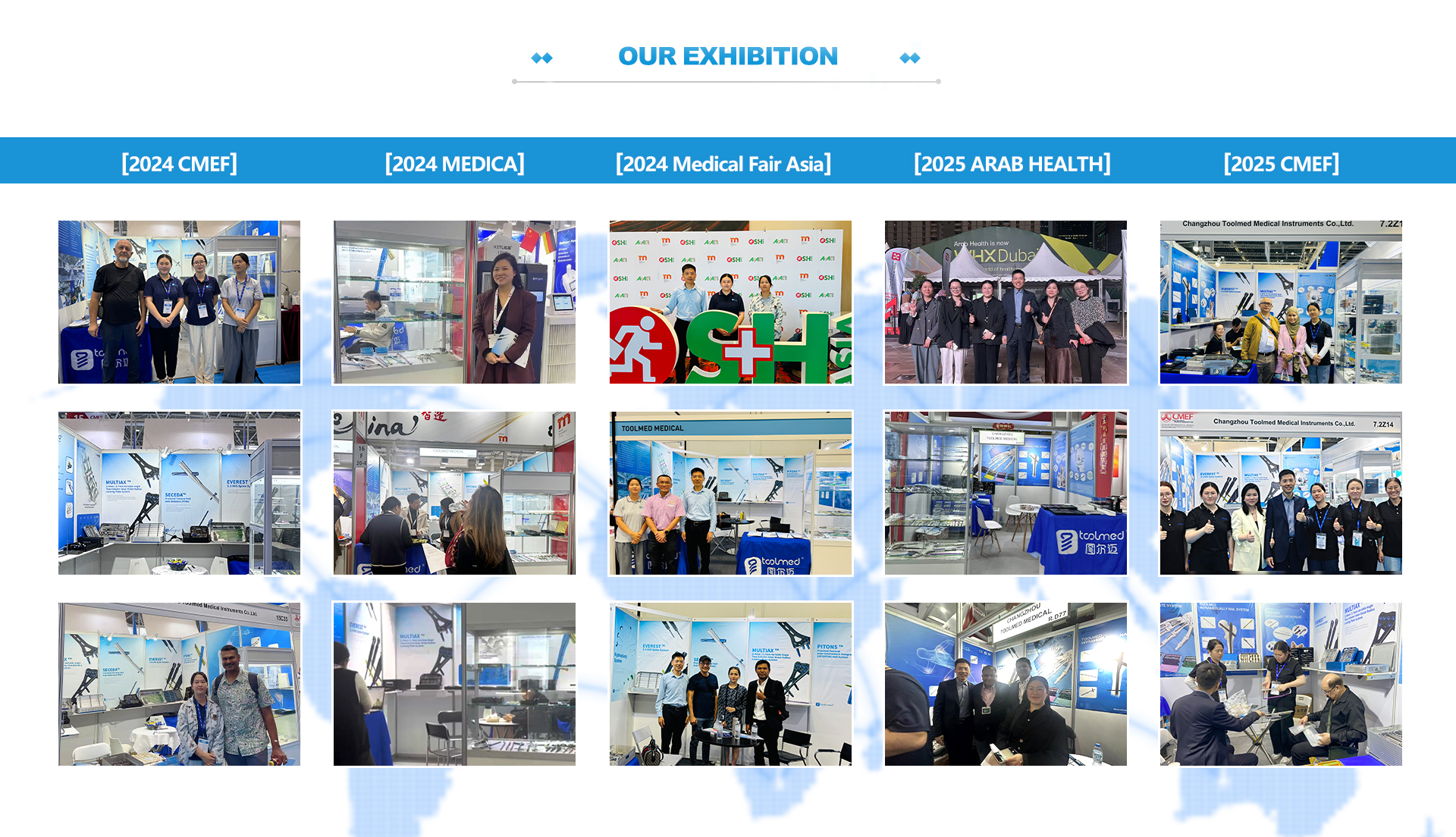
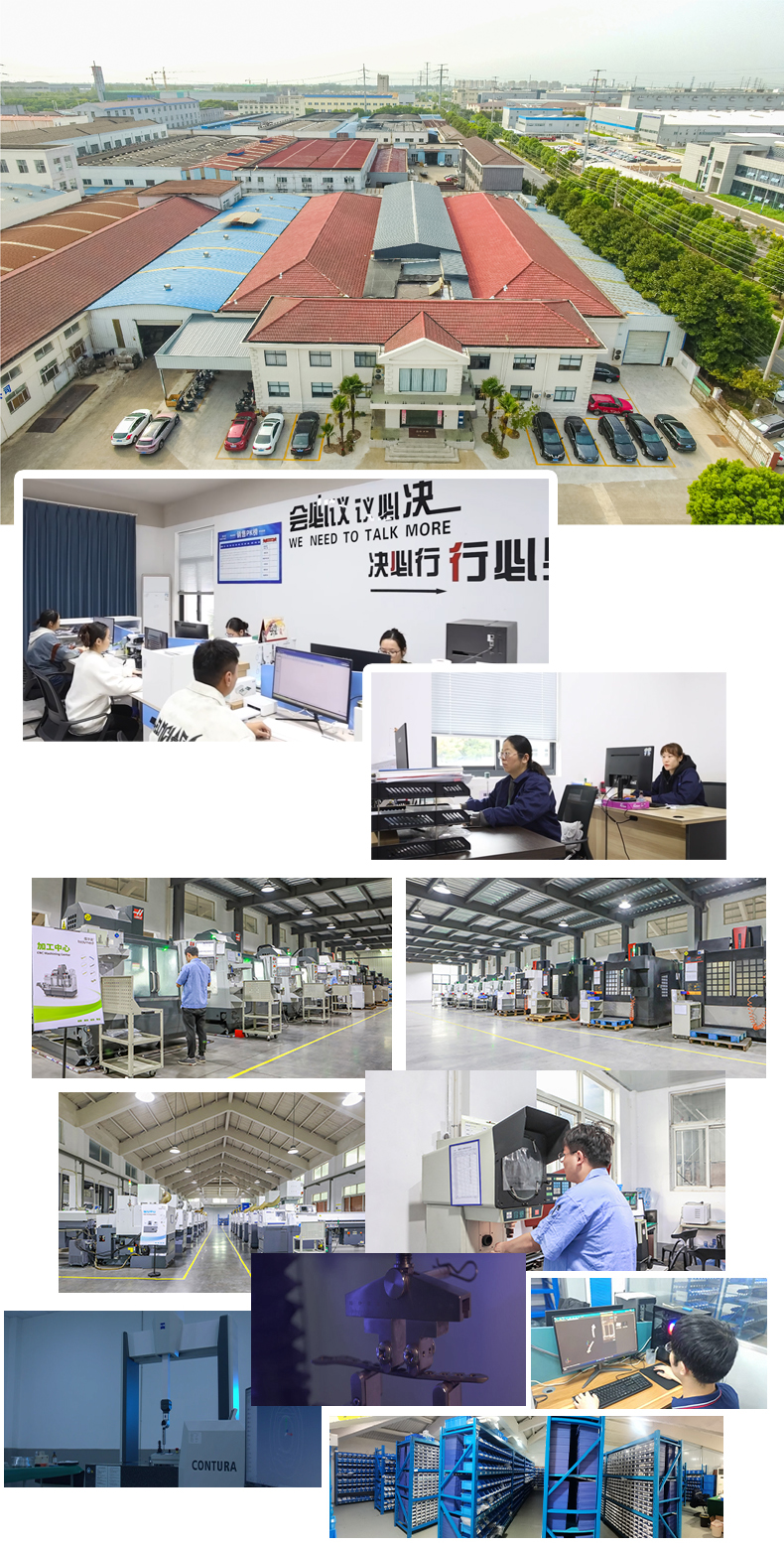
Our factory is equipped with over 60 advanced CNC machines operated by 100+ skilled technicians, a 300 m² GMP-compliant clean room, and a 10,000 m² production facility. We maintain a CNAS and ISO 17025 certified testing center, invest heavily in CNC turning technology, and utilize high-precision inspection systems including CMM, PP, and QV to ensure product quality and consistency.
We offer fast and reliable global shipping. Standard lead times range from 7 to 15 working days, depending on order quantity and customization requirements. Express delivery options are also available upon request.
Yes, we ship to most countries worldwide. We work with trusted logistics partners to ensure timely and secure delivery.
We accept a variety of payment options, including T/T (bank transfer), L/C, and PayPal for smaller orders. Payment terms can be discussed based on order volume and partnership agreements.
Yes, samples are available for evaluation. Please contact our sales team to request product samples and shipping arrangements.
Absolutely. We offer OEM/ODM services including custom packaging, branding, and product development tailored to your specifications.


