
 |
PS Femoral Condyle
TOOLMED
Co-Cr-Mo
1 Pcs
5-15 Days
/
Product Description
Features a specialized internal box that engages with the tibial post, substituting for the excised posterior cruciate ligament to prevent anterior tibial translation and stabilize the joint in deep flexion.
The anterior trochlear groove is designed to provide seamless patellar guidance throughout the full range of motion, reducing the risk of impingement and anterior knee pain.
The articulating surface is polished to a mirror finish, significantly reducing friction and ensuring low wear against the high-performance polyethylene tibial insert.
The internal surfaces are textured or micro-porous to maximize the bond strength with bone cement, providing immediate and long-term rigid fixation to the prepared distal femur.
Indicated for patients where the Posterior Cruciate Ligament (PCL) is absent, non-functional, or must be surgically sacrificed due to severe deformity or inflammatory arthritis.
Used in complex primary knee replacements where significant bone loss or soft tissue imbalance requires the added mechanical stability provided by the PS cam-post mechanism.
Indicated for active patients requiring mechanical roll-back support to achieve stable, high-range flexion without the risk of subluxation.
| Product Name | PS Femoral Condyle |
| Material | Co-Cr-Mo |
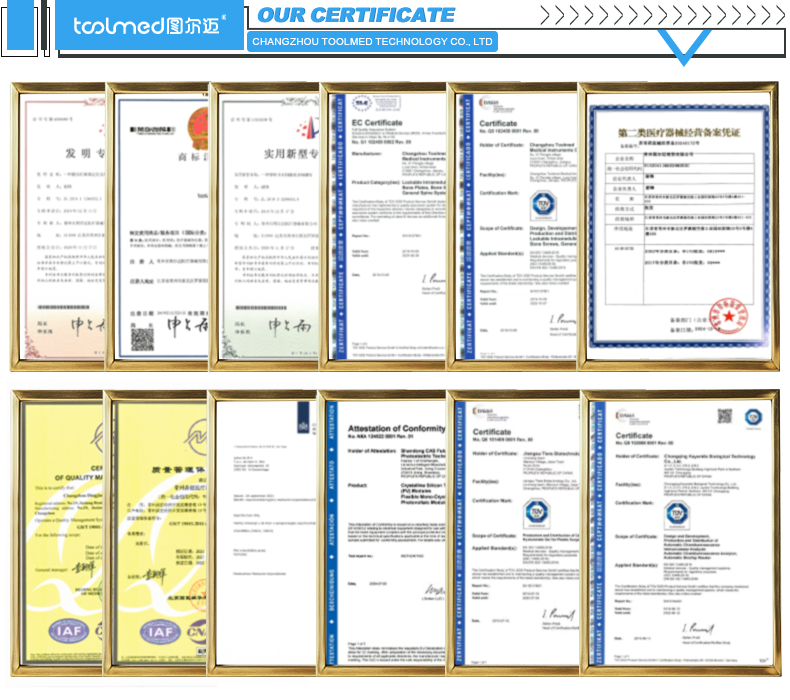
| Certificate | CE Certificate |
| Brand | TOOLMED |
| MOQ | 1 Pcs |
| OEM | Avaliable |
| Package | PE Inner Bag+Carton |
| Payment Method | T/T,Bank transfer, Western Union |
| Delivery Time | 5-15 Days |
| Shipping | DHL EMS UPS TNT FEDEX |


The PS Femoral Condyle is a knee replacement component designed for "Posterior Stabilized" procedures. It differs from standard implants by having an intercondylar box. This box allows a post on the tibial insert to lock in during movement, effectively doing the job of the Posterior Cruciate Ligament (PCL), which is often removed in these types of surgeries to simplify joint balancing.
Its primary application is in Total Knee Arthroplasty (TKA) for patients with damaged or missing PCLs. It is also the standard choice for surgeons who prefer the predictable joint balancing achieved by removing the PCL and using a mechanical substitute, particularly in cases of severe knee stiffening or deformity.
The key advantage is superior joint stability. By using a cam-and-post mechanical stop, the implant prevents the "sliding" sensation common in unstable knees. This leads to a more predictable range of motion and improved patient confidence during weight-bearing activities, especially when walking down stairs or performing deep bends.
The biomechanics focus on femoral "roll-back." As the knee bends, the tibial post pushes against the femoral cam in the box, forcing the femur to roll backward on the tibia. This mimics natural knee movement, creates clearance for high flexion, and ensures the quadriceps muscle operates with optimal mechanical advantage.
The technique requires a specific bone cut called the box resection (or notch cut) between the condyles of the femur. This is performed using specialized jigs to accommodate the internal intercondylar box of the implant. After the cut is made, the component is secured to the femur using high-viscosity bone cement.
Patients with PS implants can typically begin aggressive physical therapy immediately. The mechanical stability provided by the Cam-Post mechanism allows for confident early mobilization. Postoperative care emphasizes regaining muscle strength and achieving functional range of motion targets early in the recovery phase.
The PS Femoral Condyle is a high-stability solution for modern knee arthroplasty. Its precision-engineered cam-and-post system provides the essential mechanical control needed to restore natural kinematics and durability in patients whose native knee ligaments can no longer provide the necessary support.
While the post and cam experience cyclical stress, they are designed with high-strength materials (CoCr and HXPE) to withstand millions of cycles. Significant "cam-post wear" is a rare long-term complication in modern implants.
It requires a small extra bone resection (the notch cut) to accommodate the box. However, it simplifies the surgeon's ability to balance the knee ligaments, which can lead to better outcomes in complex cases.
It must be used with a matching PS Tibial Insert that has the corresponding central post. Standard CR inserts are not compatible as they lack the stabilizing mechanism.
The box size is typically proportional to the size of the condyle. Specialized trials are used intraoperatively to ensure the notch cut is the exact size needed to receive the implant box without over-resecting the bone.
Yes, PS is frequently used in revisions because the original ligaments are often damaged or absent. The mechanical stability of the PS cam-post mechanism provides the necessary substitute for missing natural stability.
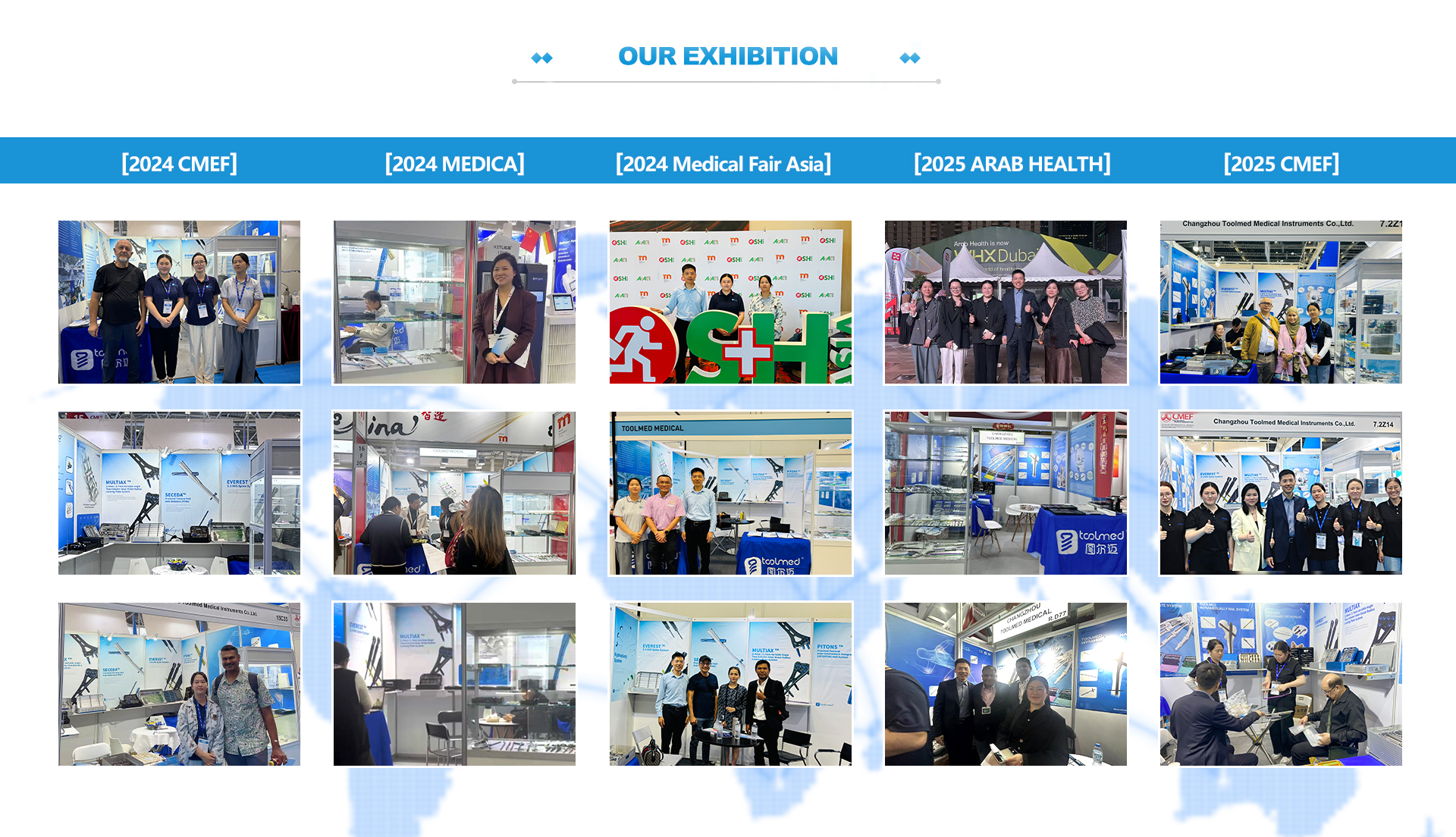
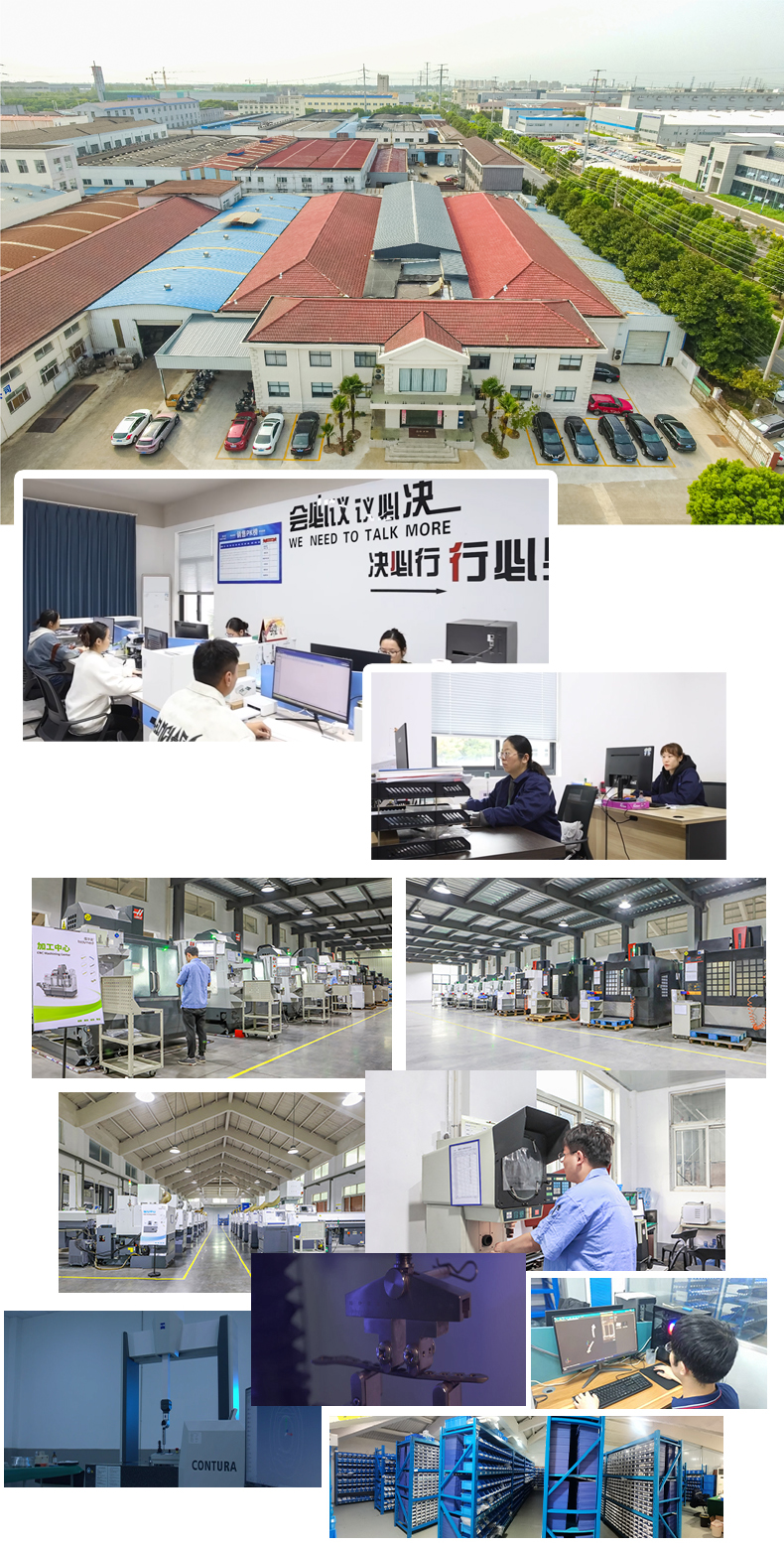
Our factory is equipped with over 60 advanced CNC machines operated by 100+ skilled technicians, a 300 m² GMP-compliant clean room, and a 10,000 m² production facility. We maintain a CNAS and ISO 17025 certified testing center, invest heavily in CNC turning technology, and utilize high-precision inspection systems including CMM, PP, and QV to ensure product quality and consistency.
We offer fast and reliable global shipping. Standard lead times range from 7 to 15 working days, depending on order quantity and customization requirements. Express delivery options are also available upon request.
Yes, we ship to most countries worldwide. We work with trusted logistics partners to ensure timely and secure delivery.
We accept a variety of payment options, including T/T (bank transfer), L/C, and PayPal for smaller orders. Payment terms can be discussed based on order volume and partnership agreements.
Yes, samples are available for evaluation. Please contact our sales team to request product samples and shipping arrangements.
Absolutely. We offer OEM/ODM services including custom packaging, branding, and product development tailored to your specifications.


