
 |
PS/CR Tibial Insert
TOOLMED
Co-Cr-Mo
1 Pcs
5-15 Days
/
Product Description
Both insert types are forged from Highly Cross-linked Polyethylene, significantly reducing surface wear and sub-surface fatigue, which are the leading factors in late-term implant loosening.
The articulating dishes are precision-milled to correspond with the femoral condyles, maximizing contact area to reduce local contact stress and ensuring smooth rollback kinematics.
The PS variant includes a robust central post designed to engage the femoral box, providing necessary anteroposterior stability and prevents femoral subluxation in PCL-deficient knees.
Features a standardized locking interface compatible with the TOOLMED Tibial Tray, utilizing a snap-fit mechanism to prevent rotation or micromotion between the plastic insert and metallic baseplate.
Indicated for patients with a functional Posterior Cruciate Ligament (PCL) where preserving the native ligament is preferred to maintain natural knee kinematics and proprioception.
Indicated for patients whose PCL is absent, non-functional, or must be sacrificed due to severe inflammatory arthritis or significant knee deformity to achieve joint balance.
Used to re-establish the anatomical joint line and tension the collateral ligaments via various thickness options, ensuring medial-lateral stability during knee movement.

| Product Name | PS/CR Tibial Insert |
| Material | Co-Cr-Mo |
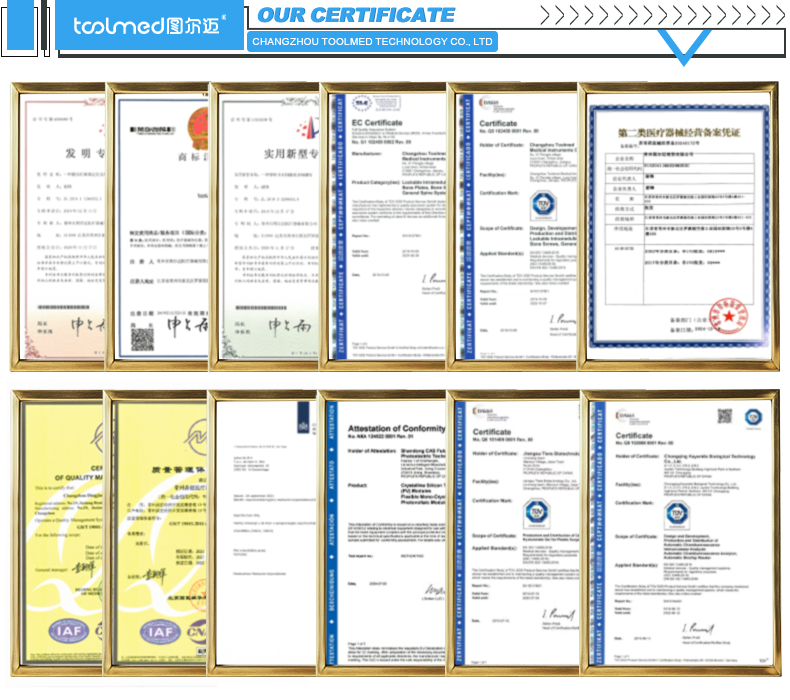
| Certificate | CE Certificate |
| Brand | TOOLMED |
| MOQ | 1 Pcs |
| OEM | Avaliable |
| Package | PE Inner Bag+Carton |
| Payment Method | T/T,Bank transfer, Western Union |
| Delivery Time | 5-15 Days |
| Shipping | DHL EMS UPS TNT FEDEX |


The PS/CR Tibial Insert is the polymer layer that separates the metal components of a knee replacement. It serves as the durable "cartilage" of the new joint. The choice between CR (Cruciate Retaining) and PS (Posterior Stabilized) depends on whether the patient's own posterior ligament is kept. These inserts provide the smooth surface necessary for the femoral component to glide easily without bone-on-metal friction.
These inserts are applied during Total Knee Arthroplasty (TKA). The CR insert is used when the PCL is retained to guide motion naturally. The PS insert is used in more complex cases or when the surgeon prefers the mechanical stability of the central cam-post system to substitute for the ligament, especially in revision or severe deformity cases.
The primary advantage is material longevity through HXPE technology. By cross-linking the polymer chains, the material becomes much tougher against abrasion. This reduces the number of microscopic plastic particles released into the joint, which is the main trigger for bone resorption and eventual loosening of the knee replacement implants.
The biomechanics differ by type: CR inserts rely on the native PCL to pull the femur backward during bending. PS inserts use the central post to mechanically push the femur backward (rollback). Both designs aim to maximize flexion and prevent the knee from "giving way" or feeling unstable during active movement like walking or stair climbing.
After the metallic tibial tray and femoral component are fixed, trial inserts are tested. The surgeon checks for stability (laxity) in both extension and flexion. Once the optimal thickness is found—providing stability without stiffness—the sterile HXPE insert is impacted into the tibial tray until it is locked securely by the mechanical snap-fit.
The secure fixation of the insert allows for immediate, full weight-bearing after surgery. Postoperative care focus is on rapid range-of-motion therapy. The use of low-wear HXPE gives patients confidence to pursue active rehabilitation with reduced fear of the bearing surface wearing out prematurely.
The PS/CR Tibial Insert system offers the necessary versatility for modern TKA. By providing high-performance HXPE options for both PCL-retaining and PCL-sacrificing techniques, TOOLMED ensures that surgeons can achieve the best biomechanical fit and long-term durability for every patient.
No. A PS insert requires a boxed femoral condyle to house the cam-post mechanism. Using a PS insert with a CR femoral component would result in mechanical impingement and failure.
The PCL is often sacrificed if it is too tight (restricting motion), too loose (causing instability), or if the knee deformity is so severe that joint balance is impossible to achieve without removing it.
HXPE is designed to maximize wear resistance while maintaining enough fracture toughness. Modern manufacturing ensures the material can withstand high cyclical loads without cracking, even in the high-stress central post of a PS model.
It typically uses a peripheral locking rim or central snap-fit mechanism. This creates a mechanical interlock that prevents the plastic from sliding or spinning during joint rotation.
The core benefit is reduced wear debris production, which significantly lowers the risk of aseptic loosening, the leading cause of revision surgery decades after the initial knee replacement.
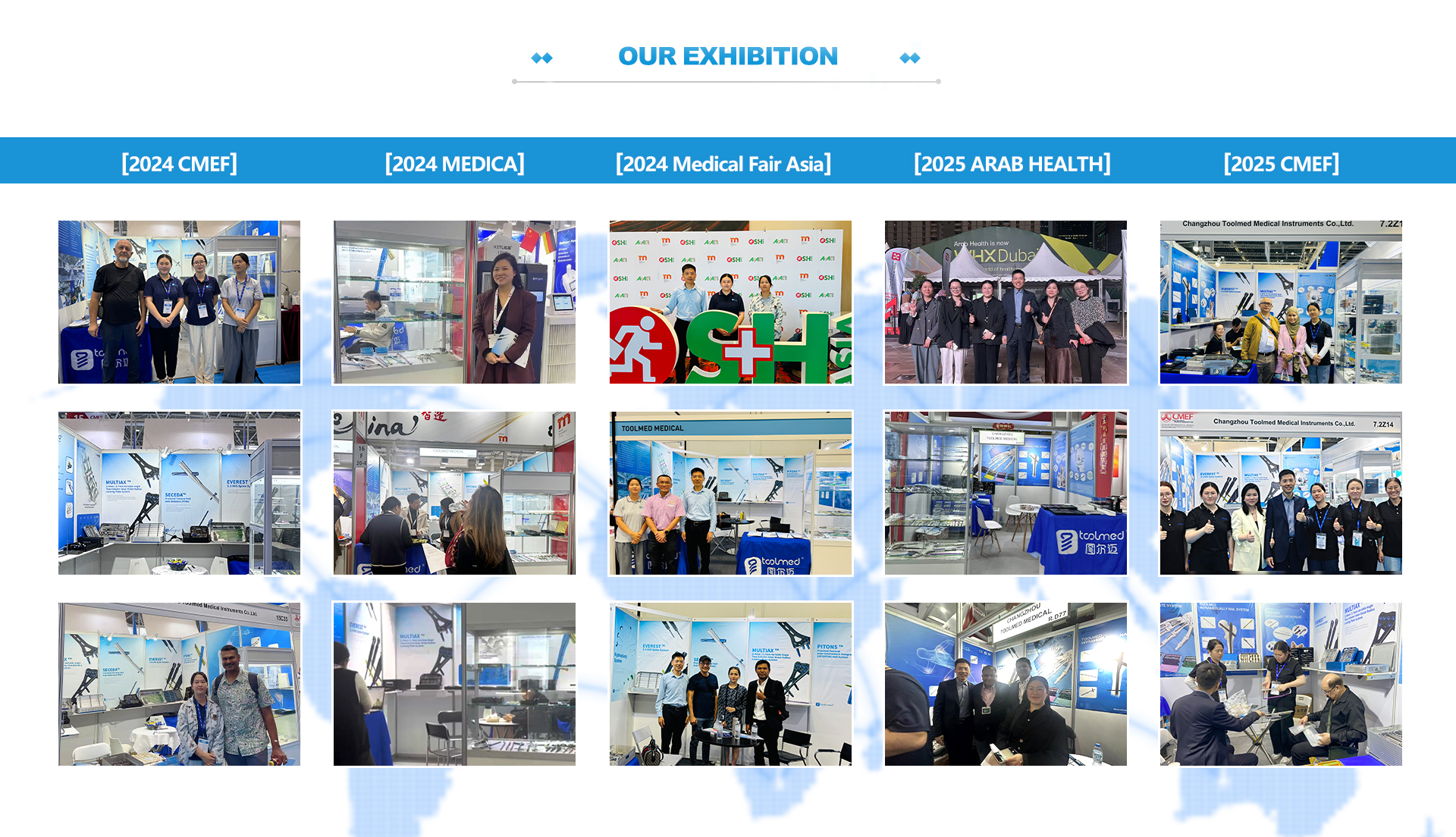
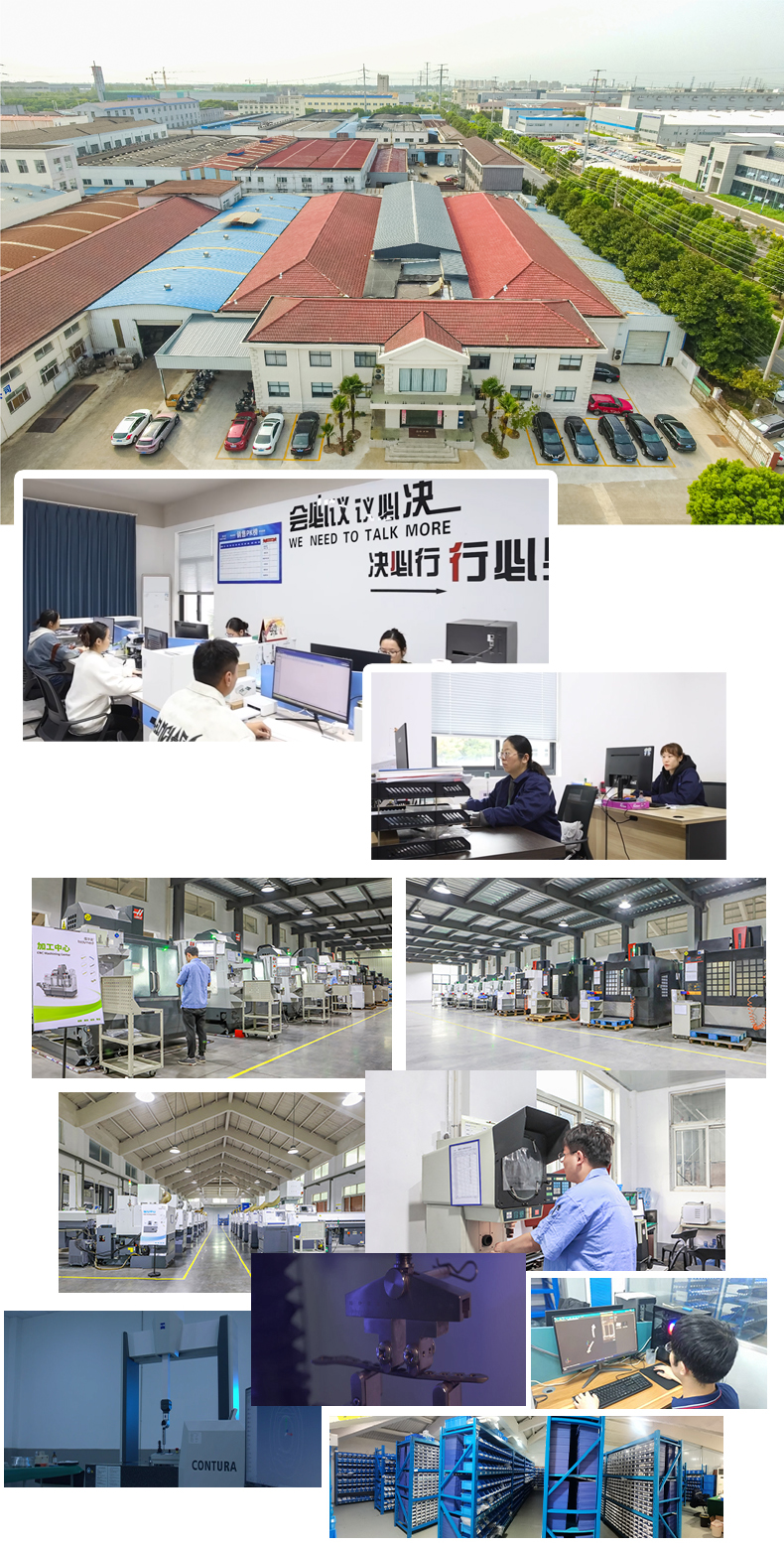
Our factory is equipped with over 60 advanced CNC machines operated by 100+ skilled technicians, a 300 m² GMP-compliant clean room, and a 10,000 m² production facility. We maintain a CNAS and ISO 17025 certified testing center, invest heavily in CNC turning technology, and utilize high-precision inspection systems including CMM, PP, and QV to ensure product quality and consistency.
We offer fast and reliable global shipping. Standard lead times range from 7 to 15 working days, depending on order quantity and customization requirements. Express delivery options are also available upon request.
Yes, we ship to most countries worldwide. We work with trusted logistics partners to ensure timely and secure delivery.
We accept a variety of payment options, including T/T (bank transfer), L/C, and PayPal for smaller orders. Payment terms can be discussed based on order volume and partnership agreements.
Yes, samples are available for evaluation. Please contact our sales team to request product samples and shipping arrangements.
Absolutely. We offer OEM/ODM services including custom packaging, branding, and product development tailored to your specifications.


