
 |
Rod-Rod Coupling Ø11/11mm 5400-0419
TOOLMED
Stainless Steel
1 Pcs
5-15 Days
/
Product Description
Specifically engineered to mate with standard 11mm rod systems, allowing for seamless integration into large-fragment trauma constructs used for the femur, tibia, and pelvis.
The open-jaw design allows the coupling to be snapped laterally onto existing rods already in place, facilitating the addition of reinforcing bars without the need to slide components from the rod ends.
Equipped with a robust locking bolt that ensures zero slippage between rods under physiological load, vital for maintaining the reduction of unstable, multi-comminuted fractures.
Before final tightening, the coupling allows for independent rotation of the rods, enabling the surgeon to construct complex, multi-planar frames that conform to the patient's unique anatomy.
Primary indication is for the secure attachment of two structural 11mm rods to build triangular or double-bar frames for increased construct stiffness in heavy patients or unstable fractures.
Used in reconstructive trauma to connect rods spanning across joint distractions or significant bone loss zones where a single rod lacks sufficient bending resistance.
Essential for connecting the anterior and posterior elements of a modular pelvic fixator, providing the rigid framework necessary to stabilize life-threatening pelvic ring disruptions.
| Product Name | Rod-Rod Coupling |
| Material | Stainless Steel |
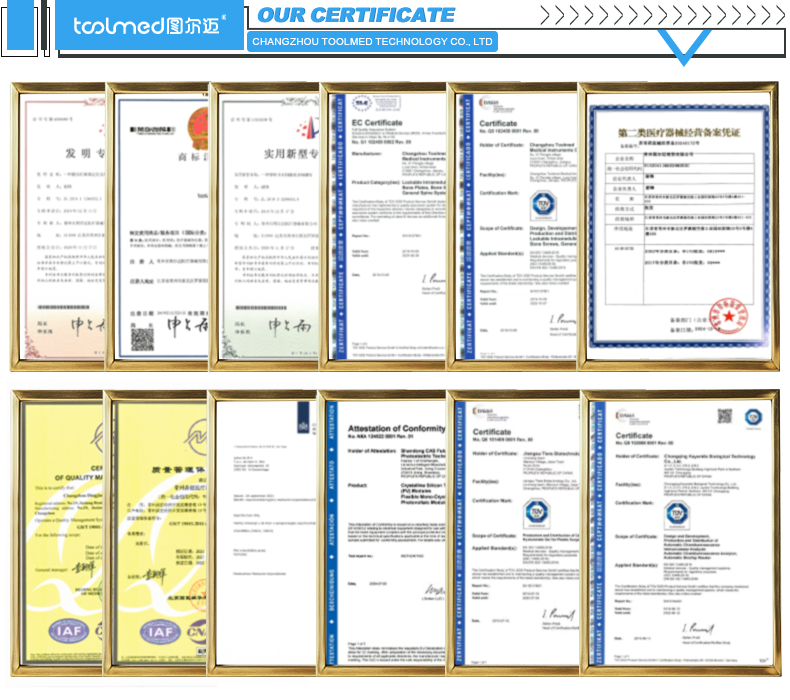
| Certificate | CE Certificate |
| Brand | TOOLMED |
| MOQ | 1 Pcs |
| OEM | Avaliable |
| Package | PE Inner Bag+Carton |
| Payment Method | T/T,Bank transfer, Western Union |
| Delivery Time | 5-15 Days |
| Shipping | DHL EMS UPS TNT FEDEX |


The Rod-Rod Coupling 5400-0419 is the "structural cross-link" of an external fixator. While standard couplings hold a screw to a rod, this one holds a rod to another rod. It essentially allows the surgeon to build a "cage" or a multi-rod bridge around a broken leg or pelvis, making the entire external frame much stronger than a single rod ever could be.
This component is used in complex trauma surgeries. When a single metal pole (rod) might bend under the patient's weight or muscle force, the surgeon uses the 5400-0419 to add a second rod for backup. It is also used to turn corners, connecting a vertical rod on the thigh to a horizontal rod across the pelvis, creating a rigid "box" frame.
The main advantage is mechanical reinforcement. By doubling up the rods using this coupling, the frame’s resistance to bending increases exponentially. This allows heavy patients to move more comfortably in bed without the frame shifting. The snap-on design also means the surgeon can add these extra rods midway through a surgery if they decide the frame needs more strength.
Biomechanically, the Rod-Rod Coupling acts as a load-sharing bridge. It transfers weight from one metal rod to the other, spreading the stress across the whole metal construct rather than focusing it on one rod-pin interface. This protects the bone pins from loosening, as the extra rods absorb the "springy" motion that often occurs in single-rod systems.
Once the primary frame is built with pins and the first rod, the surgeon identifies weak points. They snap the 5400-0419 onto the primary rod, insert a second rod into the empty port of the coupling, and then connect that second rod back to the bone pins or another bar. Using a standard orthopedic wrench, they lock the coupling, creating a rock-solid triangular or parallel structure.
Because these couplings are responsible for the overall frame rigidity, they must be checked for tightness during the patient's clinic visits. Clinical staff look for any signs of "polishing" on the rods, which would indicate a slightly loose clamp that has been rubbing. Once tightened, the high-friction inner ports hold the rods permanently until the fixator is removed.
The Rod-Rod Coupling Ø11/11mm is the key to building high-complexity, stable constructs in trauma orthopedics. Its ability to rigidly link structural bars provides the engineering integrity needed to support fractured limbs, ensuring the patient remains aligned and stable during the entire bone-knitting process.
No. This model is specific to Ø11mm rods in both ports. Connecting a smaller rod would result in a loose connection that would compromise the entire frame. Specialized "Rod-Rod Transition" couplings are used for mixing sizes.
While surgeon "feel" is common, many centers follow manufacturer guidelines of approximately 10-15 Nm using a torque-wrench to ensure maximum stability without stripping the bolt head.
Not always. If the fracture is stable and the patient is small, one rod might be enough. In unstable femur fractures or large patients, doubling the rods with 5400-0419 couplings is highly recommended.
In the TOOLMED system, silver is typically stainless steel (heavier), while colored components (Blue, Green, Gold) often designate anodized aluminum or specific sized clamp series. Always verify by the laser marking on the body.
Yes, the inner surface usually features fine horizontal ridges or serrations that bite into the rod surface when the bolt is tightened, providing superior friction and preventing axial sliding.
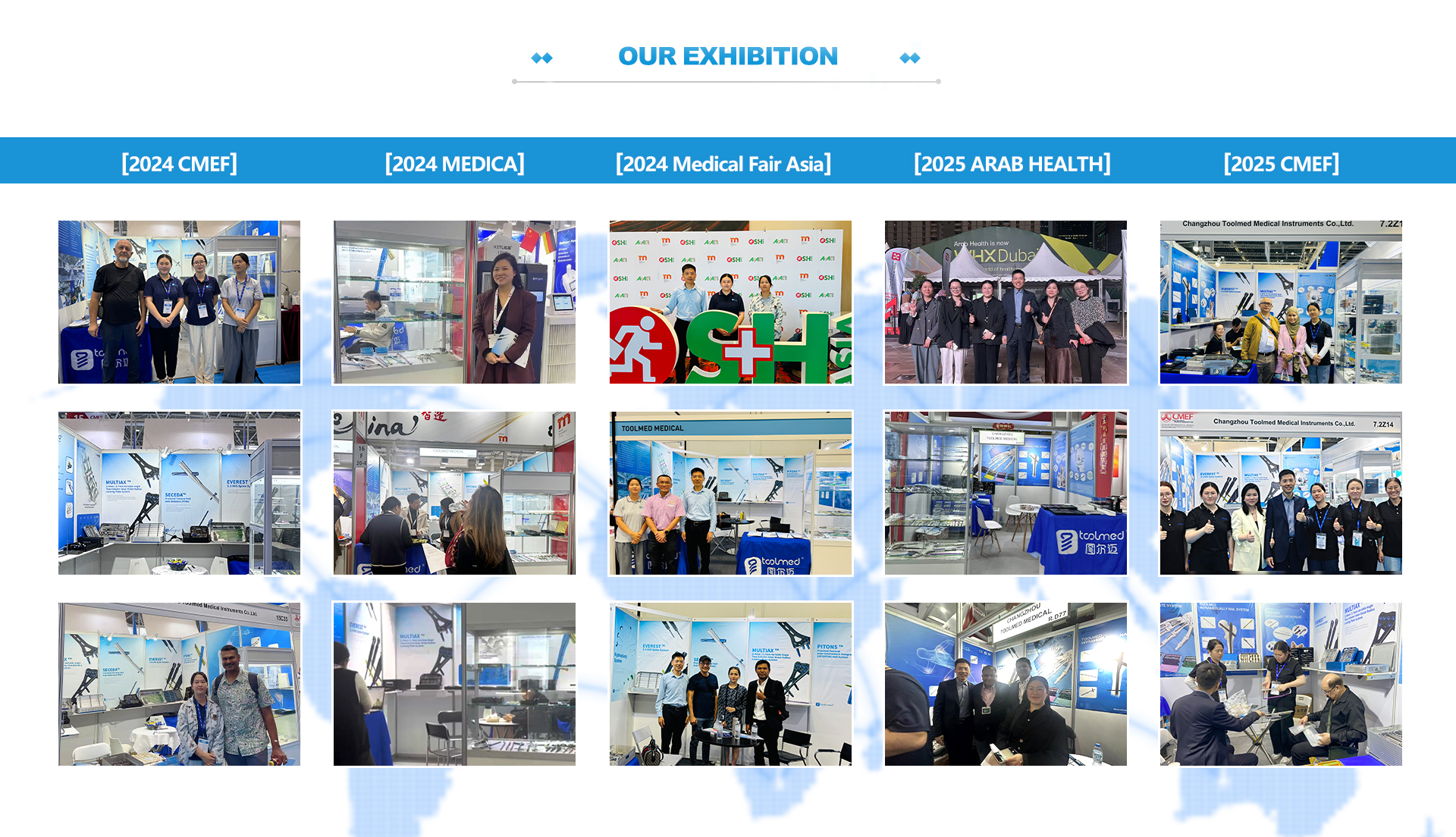
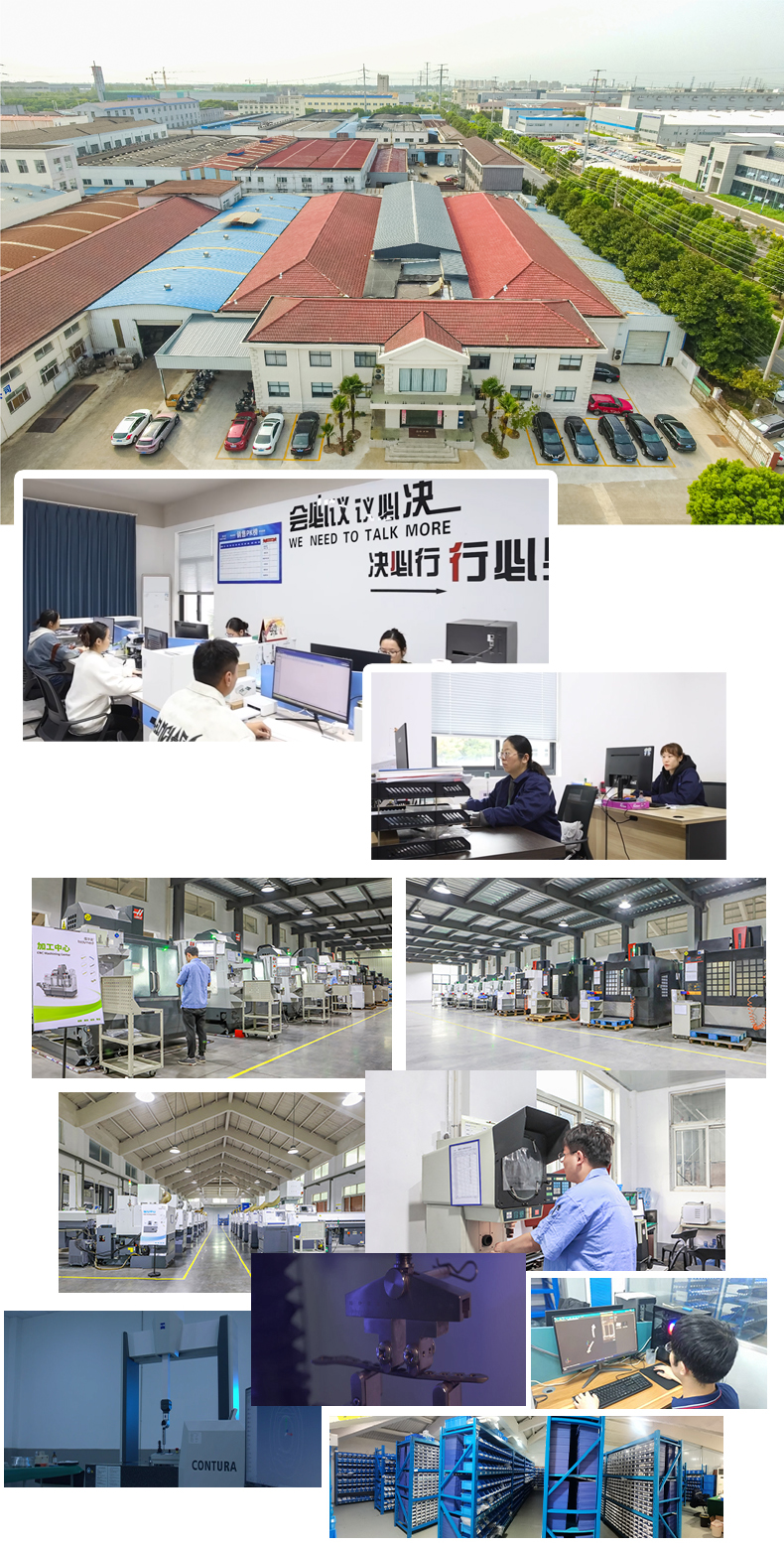
Our factory is equipped with over 60 advanced CNC machines operated by 100+ skilled technicians, a 300 m² GMP-compliant clean room, and a 10,000 m² production facility. We maintain a CNAS and ISO 17025 certified testing center, invest heavily in CNC turning technology, and utilize high-precision inspection systems including CMM, PP, and QV to ensure product quality and consistency.
We offer fast and reliable global shipping. Standard lead times range from 7 to 15 working days, depending on order quantity and customization requirements. Express delivery options are also available upon request.
Yes, we ship to most countries worldwide. We work with trusted logistics partners to ensure timely and secure delivery.
We accept a variety of payment options, including T/T (bank transfer), L/C, and PayPal for smaller orders. Payment terms can be discussed based on order volume and partnership agreements.
Yes, samples are available for evaluation. Please contact our sales team to request product samples and shipping arrangements.
Absolutely. We offer OEM/ODM services including custom packaging, branding, and product development tailored to your specifications.


