
 |
5400-0418
TOOLMED
Stainless Steel
1 Pcs
5-15 Days
/
Product Description
Optimized for use on high-load anatomical sites like the femur and tibia, accommodating the standard 11mm rod system paired with robust 5-6mm pins for maximum construct stiffness.
Designed for rapid application, the clamp can be snapped onto existing rods laterally, allowing the surgeon to add pins or rods at any point in the construct without needing to disassemble the entire frame.
·Features a heavy-duty, knurled locking bolt that withstands the high tightening forces required to eliminate slippage under physiological loading, ensuring stable fracture management.
Manufactured from materials resistant to body fluids and cleaning agents, ensuring the component maintains its mechanical integrity and polished finish through numerous high-temperature sterilization cycles.
Primary indication is for the secure attachment of structural connecting rods (11mm) to bicortical percutaneous pins (5-6mm) during external fixation of long bone fractures.
Used in the assembly of modular "Damage Control" frames for pelvic disruptions or complex open fractures where immediate stability is paramount.
Indicated for providing the rigid anchorage necessary to maintain fracture reduction and bone length throughout the healing phase, preventing rotational or axial migration.

| Product Name | Pin-Rod Coupling |
| Material | Stainless Steel |
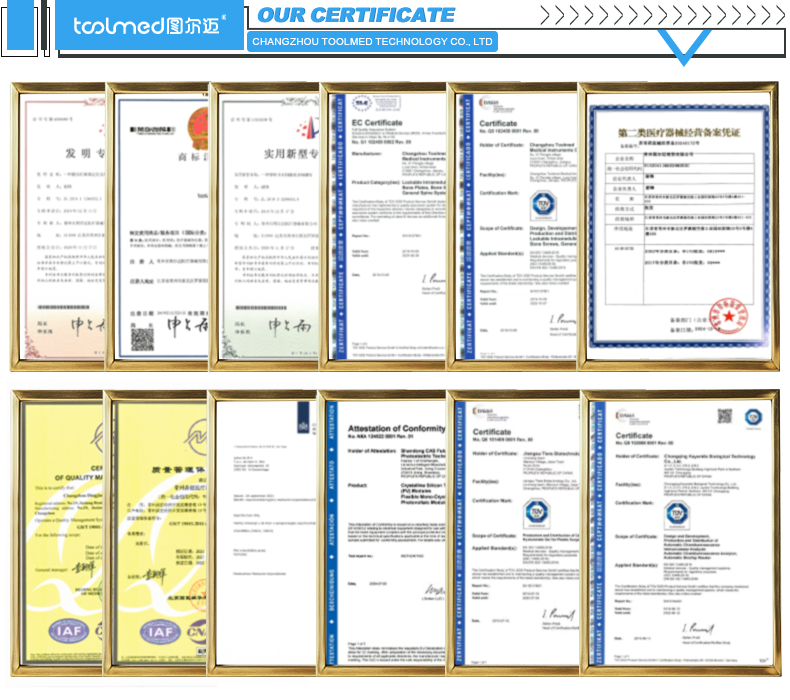
| Certificate | CE Certificate |
| Brand | TOOLMED |
| MOQ | 1 Pcs |
| OEM | Avaliable |
| Package | PE Inner Bag+Carton |
| Payment Method | T/T,Bank transfer, Western Union |
| Delivery Time | 5-15 Days |
| Shipping | DHL EMS UPS TNT FEDEX |


The Pin-Rod Coupling is the "joint" of an external fixator. It is a clamp that holds two different things together: a thick metal pole (the rod) and the metal screw going into the bone (the pin). Because the pole is 11mm thick and the screw is only 5 or 6mm thick, this coupling provides the specific ports needed to lock them tight against each other.
This coupling is the workhorse for building frames on the leg (tibia/femur). In cases of a severe car crash or fall, when a patient's leg is badly broken, the surgeon uses these couplings to connect a rod to pins placed above and below the break. This creates a stable bridge outside the body so the patient can be moved safely.
The chief advantage is surgical speed. The lateral snap-on feature means the surgeon doesn't have to "thread" the rod through the clamp; they just push the clamp onto the rod and twist. The bolt is designed so that one wrench turns both ports tight simultaneously, which is critical during high-stress trauma surgeries where every minute counts.
Biomechanically, the coupling is designed to resist torsion and bending. When the patient moves in bed or stands, force goes through the bone, into the pins, through this coupling, and onto the rods. The 5400-0418 ensures this path is perfectly rigid. If this clamp were weak, the bone fragments would wobble, leading to pain and failure of the bone to knit.
The surgeon drills the pins into the bone first. Then, they take the rod and snap the 5400-0418 couplings onto it. Each pin is guided into the smaller hole of the coupling. Once the bone is pulled into the right position using the rods as "steering wheels," the surgeon uses a socket wrench to tighten the bolt on the 5400-0418, locking the whole frame in place.
Once locked, the coupling requires minimal care other than keeping it dry. Clinical staff will check the bolt periodically during follow-ups to ensure hospital vibrations or movement hasn't loosened it. Because it is made of surgical-grade metal, it will not rust or degrade while sitting on the rod for the duration of the patient's recovery.
The Pin-Rod Coupling Ø11/5-6mm 5400-0418 is a simple but vital piece of engineering in trauma care. Its reliability, ease of use, and uncompromising strength provide the secure connection needed to hold a patient's limb together, acting as the mechanical anchor for orthopedic restoration.
No. This specific model is machined for Ø11mm rods. Using it on an 8mm rod would be loose and extremely dangerous, as the frame would collapse. A different coupling size must be used for 8mm systems.
Titanium and Aluminum alloy versions are often labelled MRI conditional. Stainless steel versions can be highly ferromagnetic and require strict MRI safety protocols. Always check the material etching on the individual device.
Usually, no. The design utilizes an integrated "D-nut" or specific geometry that holds one side of the bolt stationary, allowing for single-handed tightening with one wrench.
It should be tightened until "surgeon feel" indicates a solid lock. Some hospitals use torque-limiting wrenches (e.g., 10-12 Nm) to ensure consistent tightening without overstressing the metal.
No. Like most external fixation components that interact with bone pins, these are usually provided for single-patient use to prevent cross-contamination and ensure the threads have not been weakened by previous use.
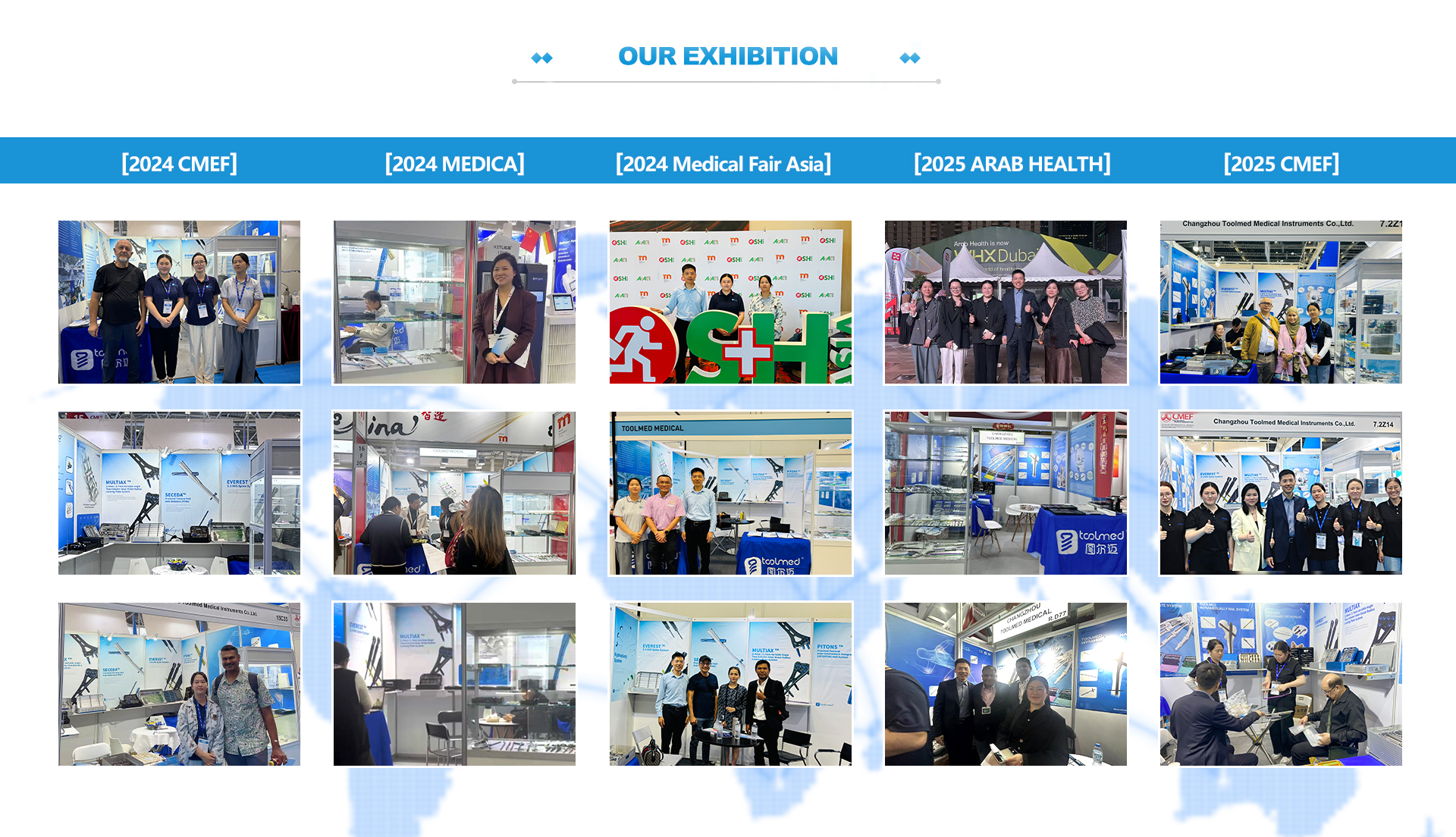
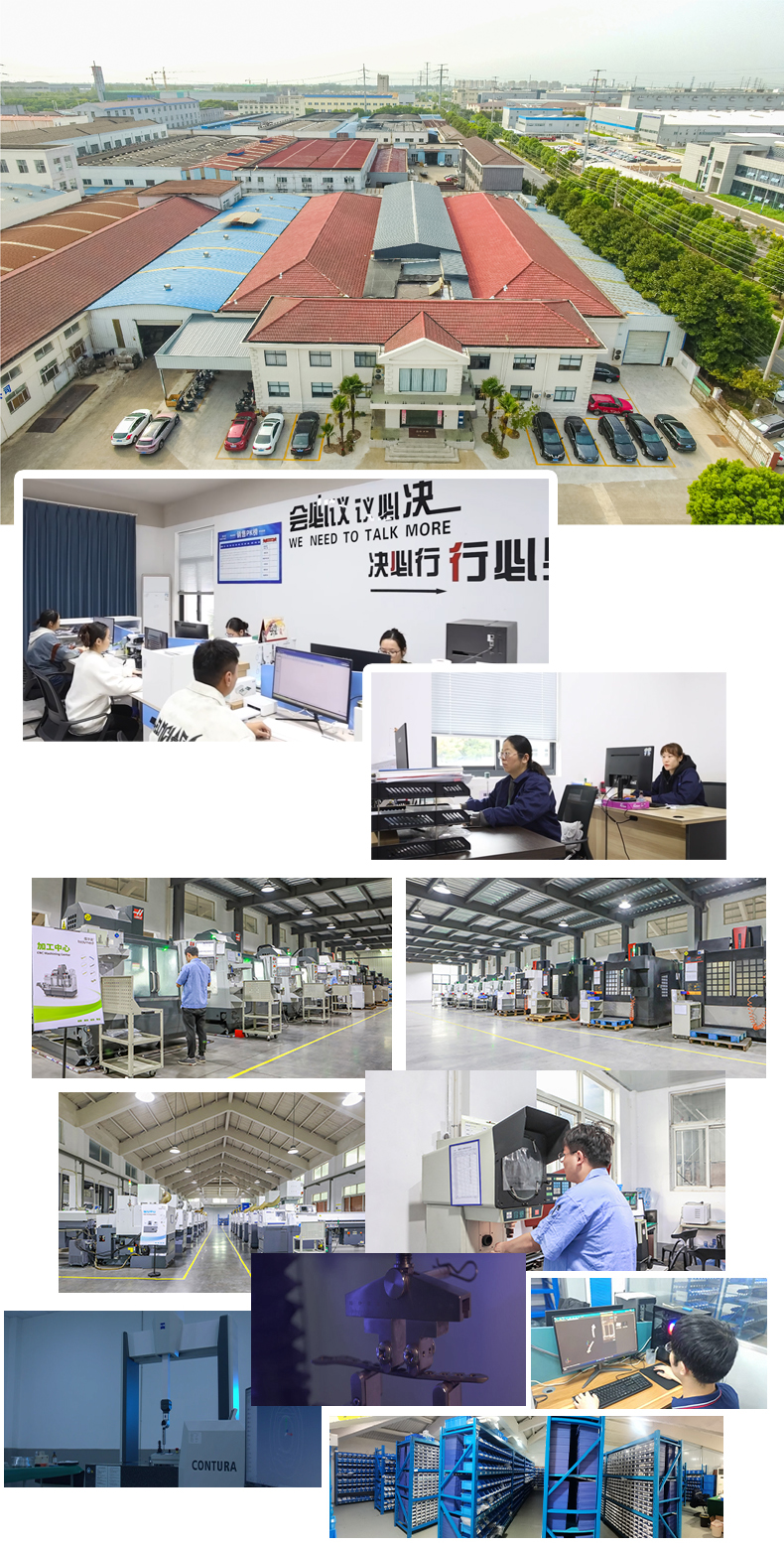
Our factory is equipped with over 60 advanced CNC machines operated by 100+ skilled technicians, a 300 m² GMP-compliant clean room, and a 10,000 m² production facility. We maintain a CNAS and ISO 17025 certified testing center, invest heavily in CNC turning technology, and utilize high-precision inspection systems including CMM, PP, and QV to ensure product quality and consistency.
We offer fast and reliable global shipping. Standard lead times range from 7 to 15 working days, depending on order quantity and customization requirements. Express delivery options are also available upon request.
Yes, we ship to most countries worldwide. We work with trusted logistics partners to ensure timely and secure delivery.
We accept a variety of payment options, including T/T (bank transfer), L/C, and PayPal for smaller orders. Payment terms can be discussed based on order volume and partnership agreements.
Yes, samples are available for evaluation. Please contact our sales team to request product samples and shipping arrangements.
Absolutely. We offer OEM/ODM services including custom packaging, branding, and product development tailored to your specifications.


