
 |
TOOLMED
/
1 Pcs
5-15 Days
/
Product Description
Formulated for high compressive strength and fatigue life, ensuring long-term mechanical stability and reducing the risk of aseptic loosening in high-demand joint replacements.
Provides a reliable, consistent mixing and dough stage, facilitating precise manual application and pressurization to maximize penetration and interdigitation into the prepared bone surface.
The system is optimized for use with vacuum mixing techniques, which significantly reduces the internal porosity of the cured cement mantle, enhancing both mechanical integrity and long-term durability.
Offers a predictable working time, providing the surgical team with sufficient opportunity to accurately position and seat the prosthetic components before the final hardening phase commences.
Fixation of femoral stems and acetabular cups, particularly in procedures requiring precise control over cement placement.
Anchoring femoral, tibial, and patellar components to the bone surfaces.
General use as a reliable bone filler and anchor for various orthopedic prosthetic components when local antibiotics are not indicated.
| Product Name | Joint Standard Viscosity Bone Cement |
| Material | PMMA+MMA |
| Certificate | CE Certificate |
| Brand | TOOLMED |
| MOQ | 1 Pcs |
| OEM | Avaliable |
| Package | PE Inner Bag+Carton |
| Payment Method | T/T,Bank transfer, Western Union |
| Delivery Time | 5-15 Days |
| Shipping | DHL EMS UPS TNT FEDEX |


This product is an acrylic polymer-based cement (PMMA) utilized as a grouting agent to secure metallic or polymeric orthopedic implants (like hip and knee components) to the host bone. Its designation as "Standard Viscosity" ensures that, upon mixing, the material quickly enters a phase known as the "dough stage," which is the optimal consistency for manual handling and mechanical pressurization into the prepared bone bed.
It is universally applied in cemented Total Hip Replacement and Total Knee Replacement. Surgeons choose the non-antibiotic version when the patient's risk profile for infection is low, or when the medical strategy dictates separate, systemic antibiotic administration, relying solely on the cement's high mechanical performance for long-term implant survival.
The controlled viscosity is crucial for achieving high-quality fixation. The thick, dough-like consistency prevents the cement from flowing away too quickly, enabling the surgeon to apply controlled pressure (pressurization) to drive the cement deeply into the pores of the cancellous bone, forming the robust mechanical interlock necessary for bearing joint loads.
The cement powder contains a radiopaque agent, typically Barium Sulfate. This additive is essential because it allows the cement to be clearly visible on intra-operative and post-operative X-rays. This visibility enables the surgeon to confirm the integrity, thickness, and complete filling of the cement mantle around the implant, verifying optimal fixation.
After thorough cleaning and drying of the bone bed, the cement is mixed and allowed to reach the dough stage. It is then applied to the bone (or to the implant) and manually pressurized. The prosthetic component is seated and held in the correct position until the cement fully cures, which is indicated by the completion of the exothermic polymerization process.
To maximize the mechanical strength and durability of the cement, it is highly recommended to mix the two components under a vacuum. This process minimizes the incorporation of air (porosity), which can otherwise create stress risers and weaken the cement mantle over time, contributing to eventual aseptic loosening.
TOOLMED’s Joint Standard Viscosity Bone Cement is a benchmark for quality in antibiotic-free fixation systems. It provides orthopedic surgeons with a reliable, high-performance material that ensures excellent handling characteristics and delivers the robust mechanical support necessary for successful, long-lasting total joint arthroplasty.
The antibiotic-free version is chosen when the patient has a low infection risk, or when a separate, custom-mixed antibiotic protocol is preferred, ensuring the highest possible mechanical strength of the unadulterated PMMA matrix.
The polymerization reaction releases heat, with the temperature peaking locally to approximately 80°C to 110°C. This is a critical factor managed by the surgical technique to prevent thermal necrosis of adjacent bone tissue.
Standard Viscosity cement enters and remains in the dough stage longer and is less flowable than Low Viscosity cement. Standard viscosity is preferred for manual application techniques, while low viscosity is often used in specialized injection systems to achieve deeper penetration.
The liquid component, Methyl Methacrylate (MMA) monomer, initiates the free-radical polymerization reaction when mixed with the PMMA polymer powder, transforming the mixture from a liquid/powder slurry into the final solid cement matrix.
Yes, the mechanical reliability and robust fixation characteristics of high-quality standard viscosity PMMA cement make it an excellent choice for complex primary and revision total joint arthroplasty procedures.
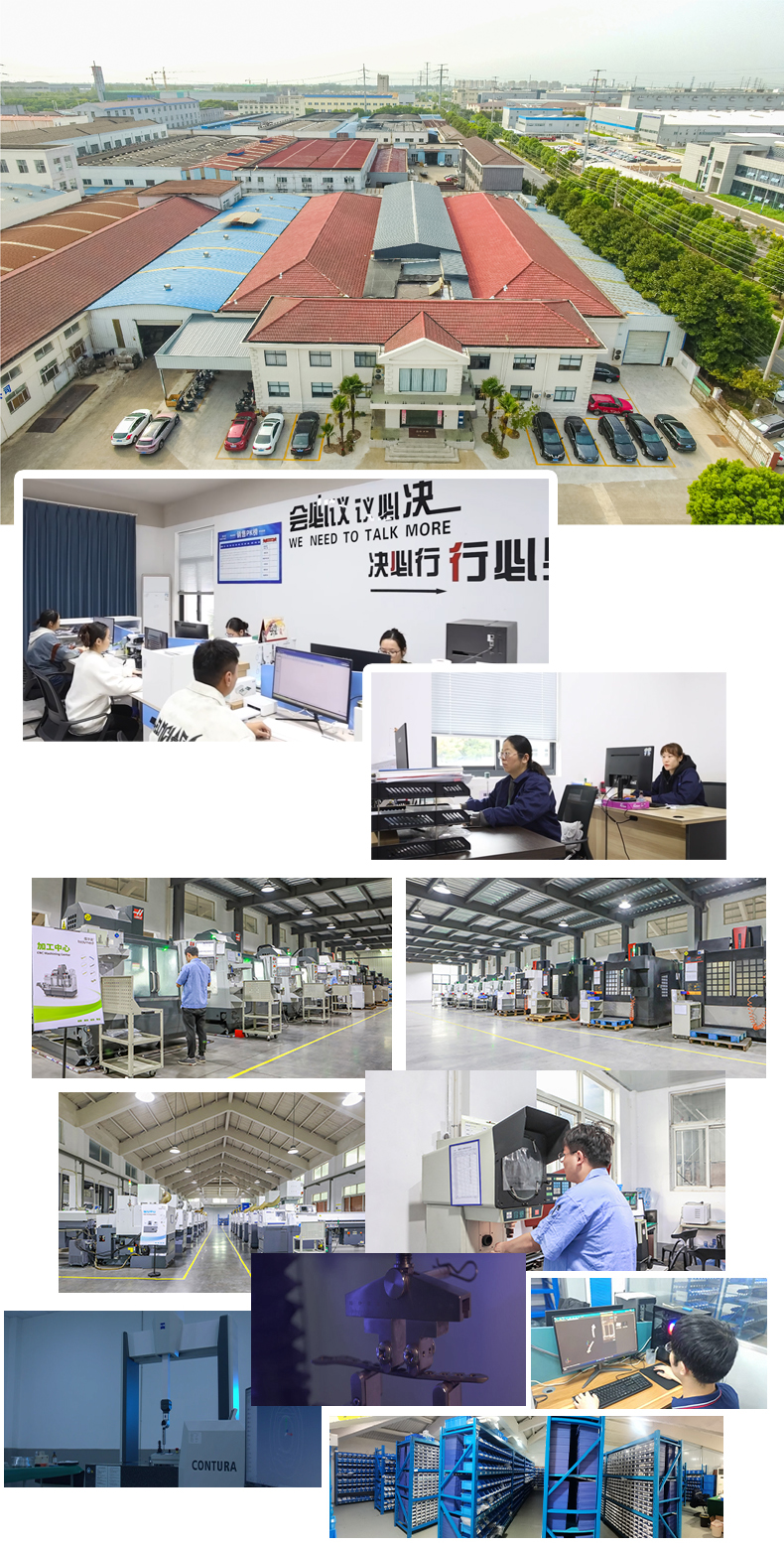
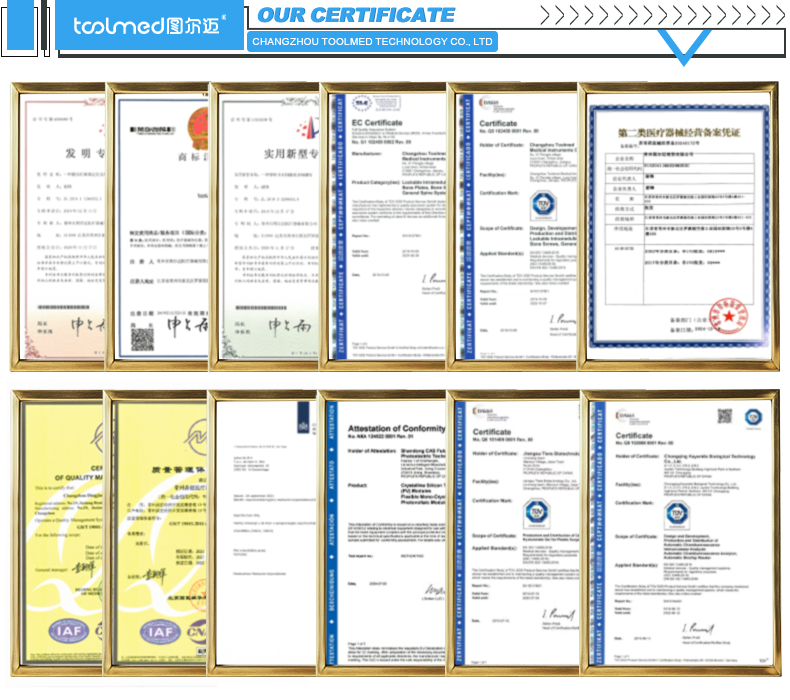
Our factory is equipped with over 60 advanced CNC machines operated by 100+ skilled technicians, a 300 m² GMP-compliant clean room, and a 10,000 m² production facility. We maintain a CNAS and ISO 17025 certified testing center, invest heavily in CNC turning technology, and utilize high-precision inspection systems including CMM, PP, and QV to ensure product quality and consistency.
We offer fast and reliable global shipping. Standard lead times range from 7 to 15 working days, depending on order quantity and customization requirements. Express delivery options are also available upon request.
Yes, we ship to most countries worldwide. We work with trusted logistics partners to ensure timely and secure delivery.
We accept a variety of payment options, including T/T (bank transfer), L/C, and PayPal for smaller orders. Payment terms can be discussed based on order volume and partnership agreements.
Yes, samples are available for evaluation. Please contact our sales team to request product samples and shipping arrangements.
Absolutely. We offer OEM/ODM services including custom packaging, branding, and product development tailored to your specifications.


