
 |
TOOLMED
1 Pcs
5-7 days
/
Product Description
Equipped with a highly accurate gauge (often 30 ATM / 440 PSI capacity) to precisely monitor and control inflation pressure, ensuring the balloon is expanded exactly to the required specification (Rated Burst Pressure).
Features an easy-to-read display and an ergonomic handle and turning knob, allowing for smooth, gradual pressure increase and precise control over the fluid volume injected.
Includes a quick-release or fast-suction capability to rapidly evacuate fluid from the balloon, minimizing the time the vessel or lumen is occluded and facilitating efficient catheter withdrawal.
A locking mechanism allows the operator to maintain a specific pressure level effortlessly, ensuring stable balloon expansion during stent deployment or dilation.
Used to inflate balloons for dilating blocked or narrowed coronary, peripheral, and renal arteries.
Essential for expanding vascular stents to their final diameter and ensuring proper apposition to the vessel wall.
Used in endoscopic procedures to treat strictures (narrowings) in the esophagus, colon, or urethra using specialized balloon catheters.
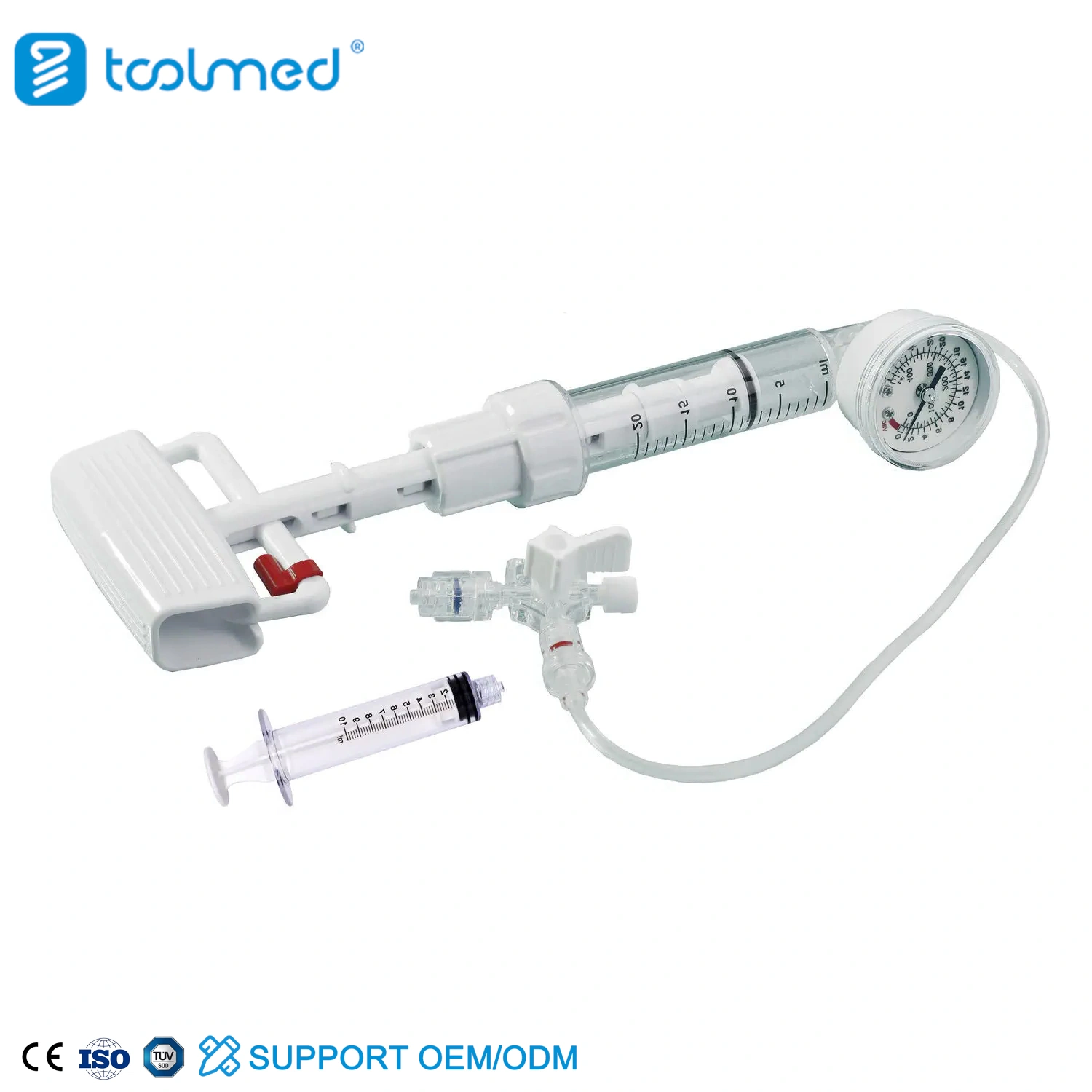
| Product Name | Balloon Inflation Device |
| Material | / |
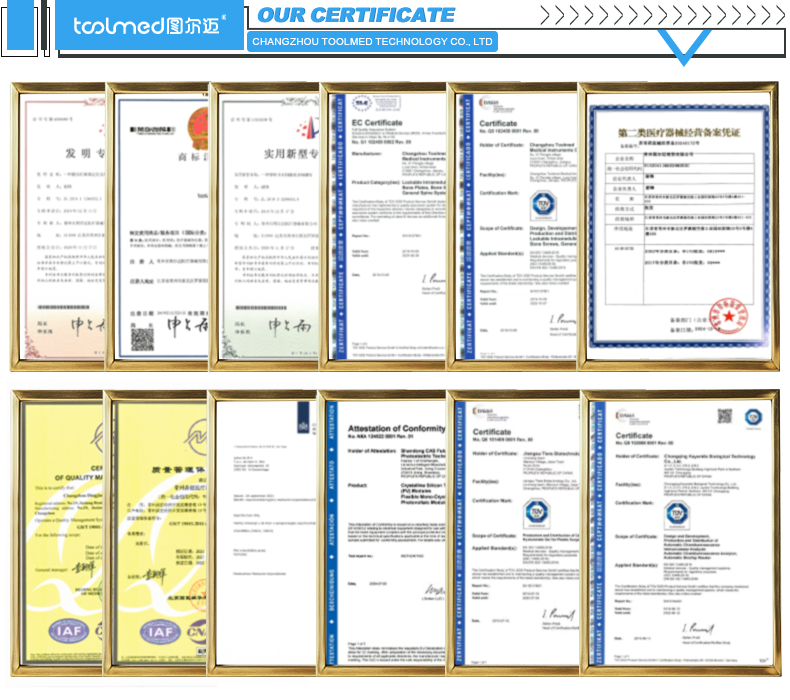
| Certificate | CE Certificate |
| Brand | TOOLMED |
| MOQ | 1 Pcs |
| OEM | Avaliable |
| Package | PE Inner Bag+Carton |
| Payment Method | T/T,Bank transfer, Western Union |
| Delivery Time | 5-15 Days |
| Shipping | DHL EMS UPS TNT FEDEX |
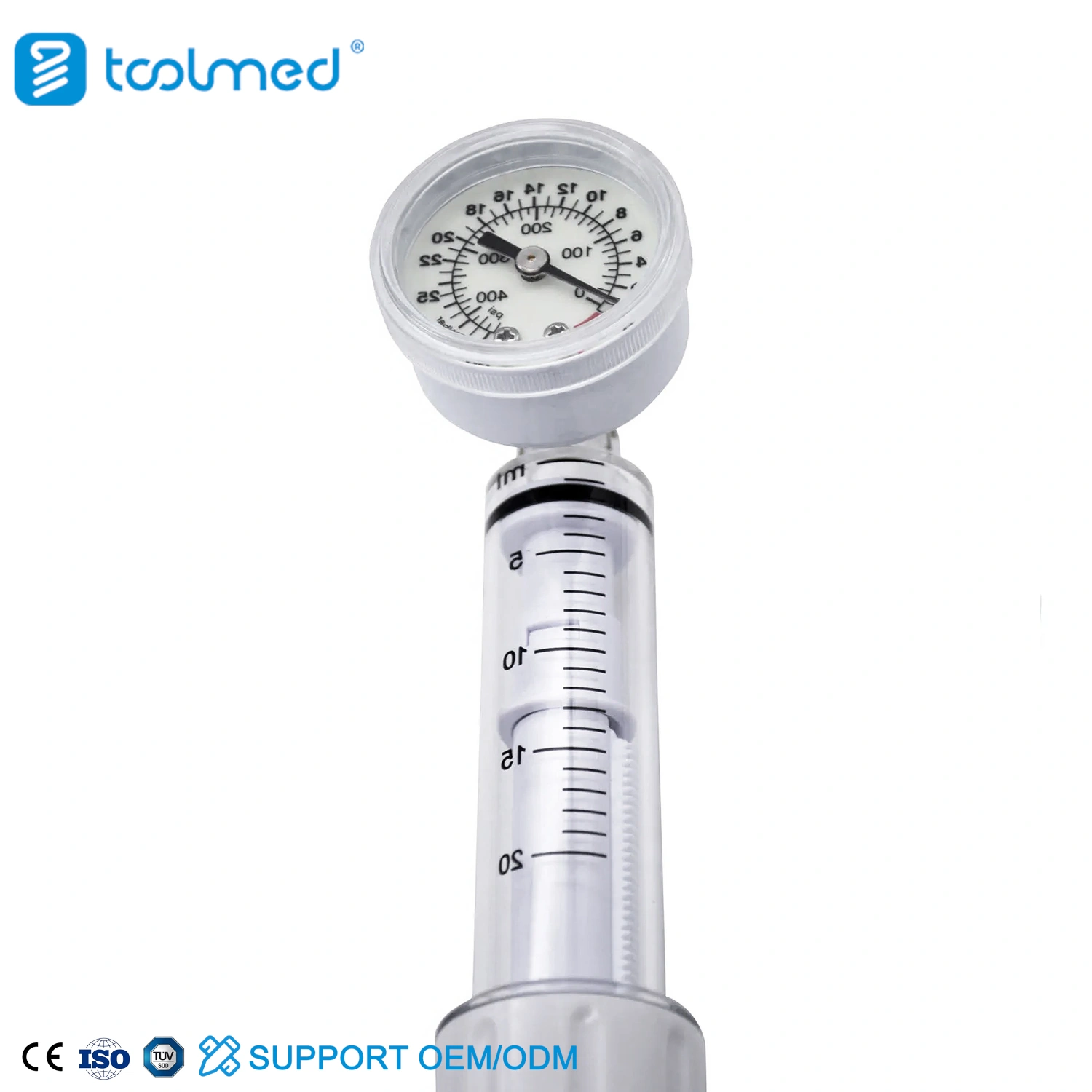
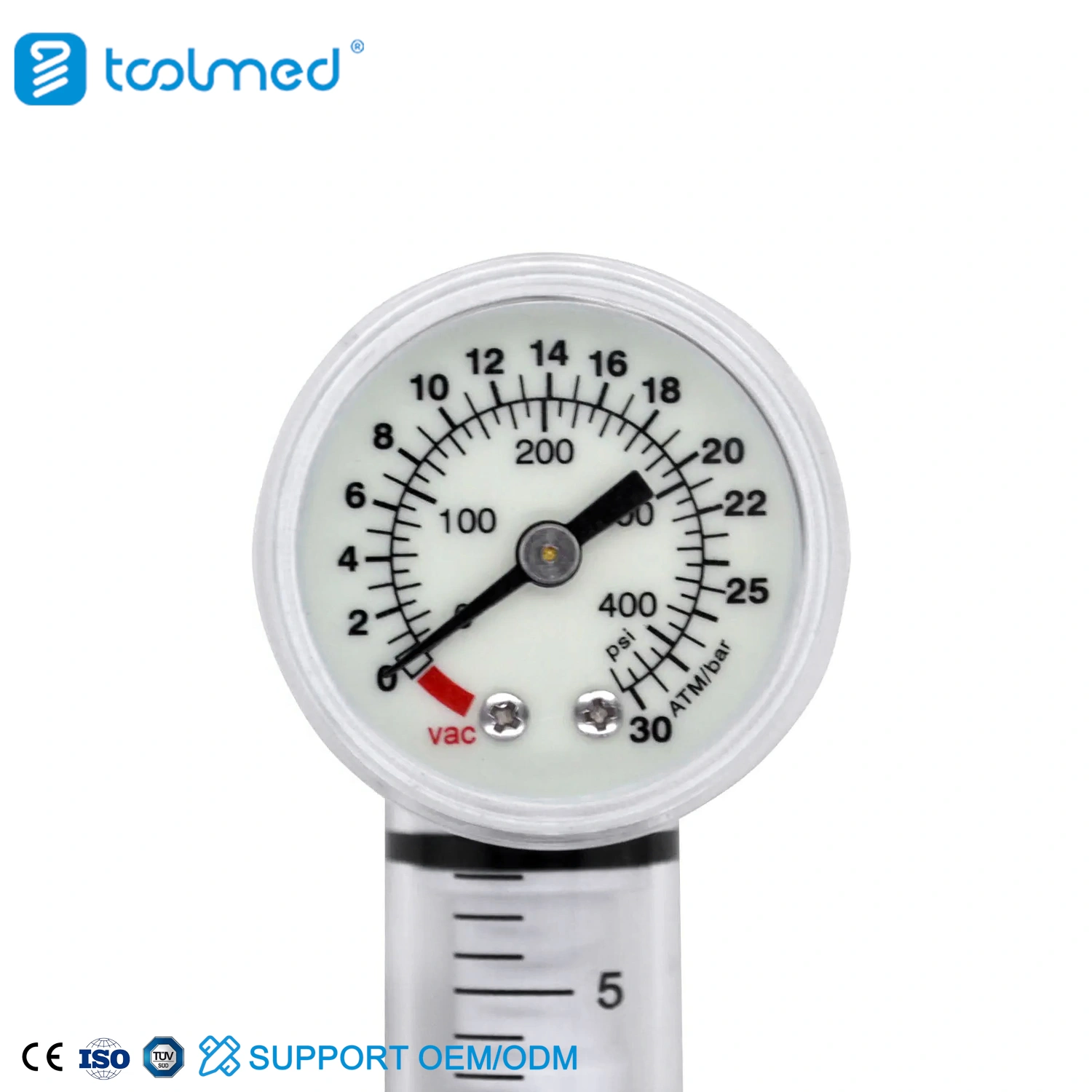
The Balloon Inflation Device is essentially a specialized, high-pressure syringe used in interventional procedures to inflate balloon catheters. Unlike standard syringes, it features a precise gauge and a volume control mechanism that allows the clinician to reach, hold, and measure high fluid pressures (often 20 to 30 atmospheres) with extreme accuracy, which is necessary for properly expanding devices like coronary stents.
It is predominantly used in cardiology for angioplasty (widening blocked blood vessels) and stent deployment. In vascular surgery, it's used for peripheral artery disease (PAD) treatment. It also has applications in neurosurgery (e.g., stenting) and gastroenterology for dilating strictures in the digestive tract.
The key advantage is precision pressure control. Balloons must be inflated to a specific pressure (often called the Nominal or Rated Burst Pressure) to function correctly without rupturing. The device prevents both under-inflation (leading to incomplete stent expansion) and over-inflation (risk of vessel trauma), greatly enhancing procedural safety and efficacy.
The device works by converting the manual rotational force of the operator's hand into high hydraulic pressure within the closed system. This pressure is transmitted via the catheter to the balloon. Its design ensures a reliable mechanical advantage, allowing the operator to generate high pressure with minimal effort, which is continuously monitored by the large gauge.
The technique involves connecting the device to the balloon catheter's inflation port. The operator uses the turning knob to slowly increase pressure while watching the gauge, often following a pressure protocol (e.g., 30 seconds at 6 ATM, then 30 seconds at 12 ATM). The procedure concludes with the rapid-release valve, ensuring the balloon deflates immediately for safe removal.
Since the device itself is an operative tool, postoperative care relates to the procedure performed (e.g., stent deployment). The device's reliability is crucial, as its accurate use reduces complications like vessel dissection, which simplifies the patient's post-operative recovery.
The Balloon Inflation Device manufactured by TOOLMED is an indispensable high-precision tool in interventional procedures. Its ability to accurately control high pressures, coupled with rapid deflation capability, makes it vital for safe and successful angioplasty and stent placement, contributing directly to positive patient outcomes.
Most high-quality inflation devices are designed to generate pressures up to 25 to 30 atmospheres (ATM), which is equivalent to approximately 367 to 440 pounds per square inch (PSI).
The majority of modern, high-pressure balloon inflation devices are designed as sterile, single-use disposables to eliminate the risks associated with reprocessing complex pressure-generating mechanisms.
Rapid deflation is crucial to minimize the time the inflated balloon blocks blood flow (ischemia) and to help collapse the balloon tightly around the catheter for safe, atraumatic removal from the vessel.
A mixture of contrast medium (iodinated dye) and saline is typically used. The contrast agent allows the surgeon to visualize the balloon and the inflation process under fluoroscopy (X-ray).
It measures and controls pressure (via the gauge) with great accuracy. The volume (amount of fluid injected) is visually monitored via the syringe barrel but the primary therapeutic target is the specific pressure needed for dilation.
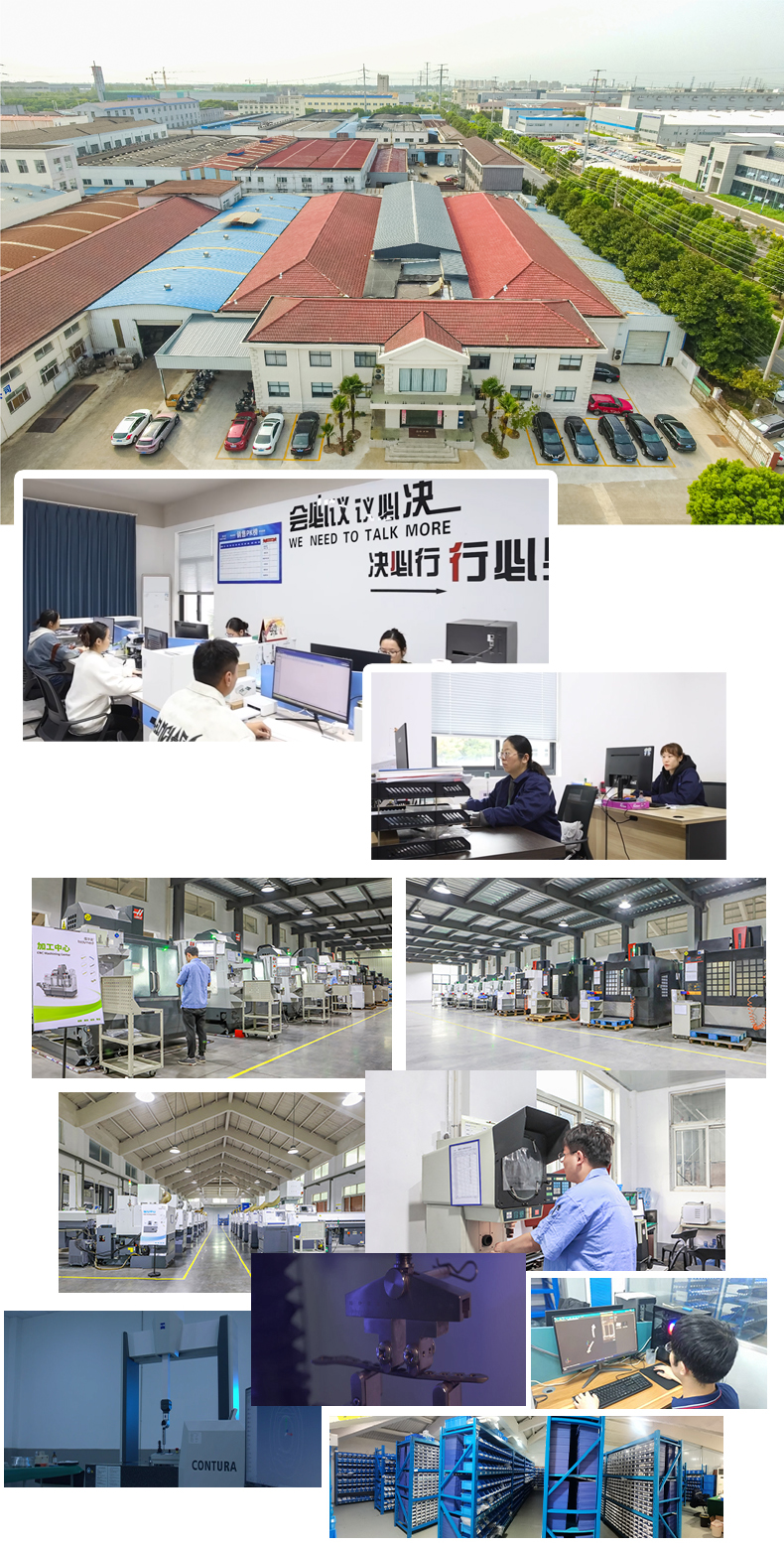
Our factory is equipped with over 60 advanced CNC machines operated by 100+ skilled technicians, a 300 m² GMP-compliant clean room, and a 10,000 m² production facility. We maintain a CNAS and ISO 17025 certified testing center, invest heavily in CNC turning technology, and utilize high-precision inspection systems including CMM, PP, and QV to ensure product quality and consistency.
We offer fast and reliable global shipping. Standard lead times range from 7 to 15 working days, depending on order quantity and customization requirements. Express delivery options are also available upon request.
Yes, we ship to most countries worldwide. We work with trusted logistics partners to ensure timely and secure delivery.
We accept a variety of payment options, including T/T (bank transfer), L/C, and PayPal for smaller orders. Payment terms can be discussed based on order volume and partnership agreements.
Yes, samples are available for evaluation. Please contact our sales team to request product samples and shipping arrangements.
Absolutely. We offer OEM/ODM services including custom packaging, branding, and product development tailored to your specifications.


